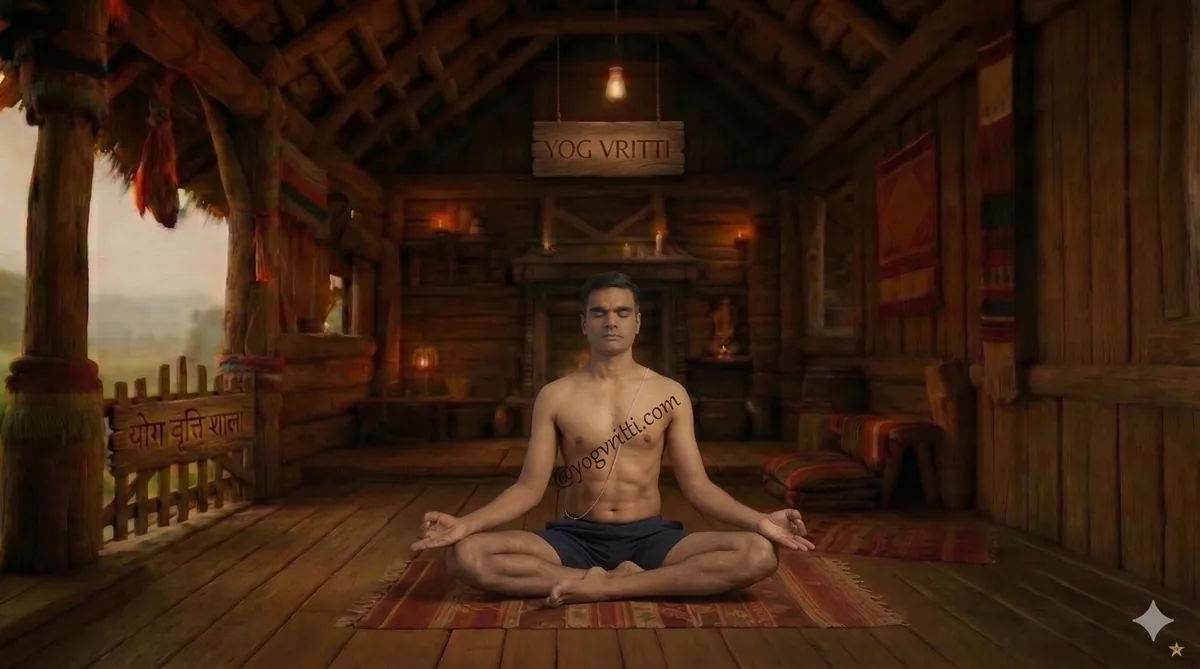
 शुरुआतीबैठकर
कपालभाति
Skull-Shining Breath
कपालभाति तेज़ श्वास छोड़ने की प्राणायाम/क्रिया तकनीक है — ऊर्जादायक और शुद्धिकारक।
फायदे
5Diaphragm(activating)
The diaphragm, a dome-shaped muscle separating the chest from the abdomen, is central to Kapalabhati's rhythm. While it primarily contracts for inhalation, in this practice, it rapidly relaxes and is pushed upwards by the forceful abdominal contractions, creating a quick, passive recoil for the subsequent inhalation. This vigorous, repetitive movement enhances the diaphragm's elasticity and responsiveness, refining the body's primary respiratory muscle. Yogically, this improved diaphragmatic control deepens our ability to consciously regulate prana, the life force.
Deep abdominal muscles (core)(activating)
The transverse abdominis, the deepest of the abdominal muscles, wraps horizontally around the torso like a natural corset. In Kapalabhati, it contracts sharply and powerfully with each exhalation, drawing the navel towards the spine to expel air forcefully. This creates a strong internal pressure that massages the abdominal organs and supports the spine. This activation builds inner strength and stability, fostering a sense of being 'held' from within, which in yogic terms, awakens and purifies the Manipura Chakra, the seat of personal power.
Muscles between the ribs(activating)
The internal intercostal muscles are located between the ribs and are primarily responsible for forced exhalation. In Kapalabhati, these muscles actively contract to pull the ribs down and inward, aiding the forceful expulsion of air from the lungs. This coordinated effort with the abdominal muscles ensures a thorough emptying of the lungs and enhances the mobility of the rib cage. This refined control over the thoracic muscles cultivates a heightened awareness of the breath's mechanics, allowing for more subtle manipulation of prana in subsequent practices.
- पूर्ण शारीरिक विश्लेषण →
सावधानियाँ
7Pregnancy
Deep twists, abdominal compression, and lying flat on the back can restrict blood flow or cause discomfort as pregnancy progresses.
Widen the stance, avoid deep abdominal compression and twists, and consult a qualified prenatal yoga teacher.
High Blood Pressure
Vigorous effort and inverted positions temporarily raise blood pressure in the head, increasing strain on blood vessels.
Keep effort moderate, breathe continuously, and avoid any position that causes pressure or throbbing in the head.
Heart Conditions
Vigorous effort and inverted positions increase cardiac demand and blood pressure; extra caution is essential with heart disease.
Keep effort moderate, breathe continuously and smoothly, and consult your cardiologist before practising.
Epilepsy
Strong hyperventilation and certain pranayama can lower seizure threshold in individuals with epilepsy.
Avoid breath retention and hyperventilation techniques; practise only with a qualified teacher who is aware of your condition.
विधि
चरण-दर-चरण निर्देश
सुखासन या पद्मासन में बैठें।
रीढ़ सीधी, कंधे शिथिल।
सामान्य श्वास लें।
तेज़ी से श्वास छोड़ें — नाक से — पेट अंदर खींचें।
श्वास अपने आप अंदर आने दें — जबरदस्ती न करें।
एक राउंड = 30 बार तेज़ श्वास छोड़ना।
राउंड के बाद गहरा श्वास लें, रोकें (5 सेकंड)।
धीरे-धीरे छोड़ें।
3 राउंड करें।
सामान्य श्वास में लौटें।
सामान्य गलतियाँ
शिक्षण संकेत
अभ्यास क्रम
अक्सर पूछे जाने वाले प्रश्न
कपालभाति के बारे में सामान्य प्रश्न
कपालभाति क्या है?
कपालभाति तेज़ श्वास छोड़ने की प्राणायाम/क्रिया तकनीक है — ऊर्जादायक और शुद्धिकारक।
कपालभाति के क्या फायदे हैं?
Energizes the entire system। Cleanses respiratory tract। Strengthens core।
कपालभाति किस स्तर के लिए है?
कपालभाति एक शुरुआती स्तर का आसन है। यह सभी के लिए उपयुक्त है।
कपालभाति कौन न करे?
Pregnancy, High blood pressure, Heart conditions की स्थिति में यह आसन न करें।