 शुरुआतीबैठकर
उपविष्ठ कोणासन
Wide-Angle Seated Forward Bend
उपविष्ठ कोणासन, चौड़े-कोण बैठी हुई आगे का मोड़, एक बैठी हुई मुद्रा है जहां पैर चौड़े फैले होते हैं और धड़ कूल्हों से आगे झुकता है।
फायदे
5Hamstrings(lengthening)
The long muscles running along the back of your thighs (hamstrings) get a deep, sustained release here — not a forced stretch but a patient unwinding. As you hold the pose and breathe, the nervous system gradually allows these muscles to let go of years of tension stored from sitting and stress. In yogic understanding, this releases apana vayu — the downward-moving energy — allowing a feeling of groundedness and ease in the lower body. Regular practice progressively lengthens this posterior chain, directly reducing the pull on the lower back.
Adductors(lengthening)
The muscles of your inner thighs (adductors) experience an intense yet gentle stretch as the legs spread wide. This action helps to release chronic tightness in the groin area, which often restricts hip mobility and can contribute to pelvic floor dysfunction. Energetically, opening the adductors can release stored emotional tension in the root chakra, fostering a sense of openness and emotional freedom. This deep inner thigh lengthening is crucial for improving external rotation of the hips and preparing for more advanced postures.
Erector Spinae(lengthening)
The muscles running along either side of your spine (erector spinae) are gently lengthened as you fold forward, provided the spine remains long and not rounded. This action creates space between the vertebrae and de-compresses the spinal column, promoting better posture and reducing spinal stiffness. From a yogic perspective, this lengthening facilitates the upward flow of prana along the sushumna nadi, encouraging vitality and mental clarity. Maintaining this spinal length is key to avoiding lower back strain in forward bends.
- पूर्ण शारीरिक विश्लेषण →
सावधानियाँ
3Hamstring Injury
Aggressive stretching of a torn or strained hamstring can reinjure muscle fibres — the attachment near the sitting bone is especially vulnerable.
Bend the knees significantly to remove tension from the hamstrings; fold only as far as the spine stays long.
Back Injury / Back Pain
Spinal flexion, extension, or rotation under load can compress vertebral discs or strain the paraspinal muscles.
Bend both knees generously, hinge from the hips rather than rounding the spine, and rest hands on blocks or thighs.
Pregnancy
Deep twists, abdominal compression, and lying flat on the back can restrict blood flow or cause discomfort as pregnancy progresses.
Widen the feet to hip-width or more; fold to a 45-degree angle rather than full depth to avoid abdominal compression.
विधि
चरण-दर-चरण निर्देश
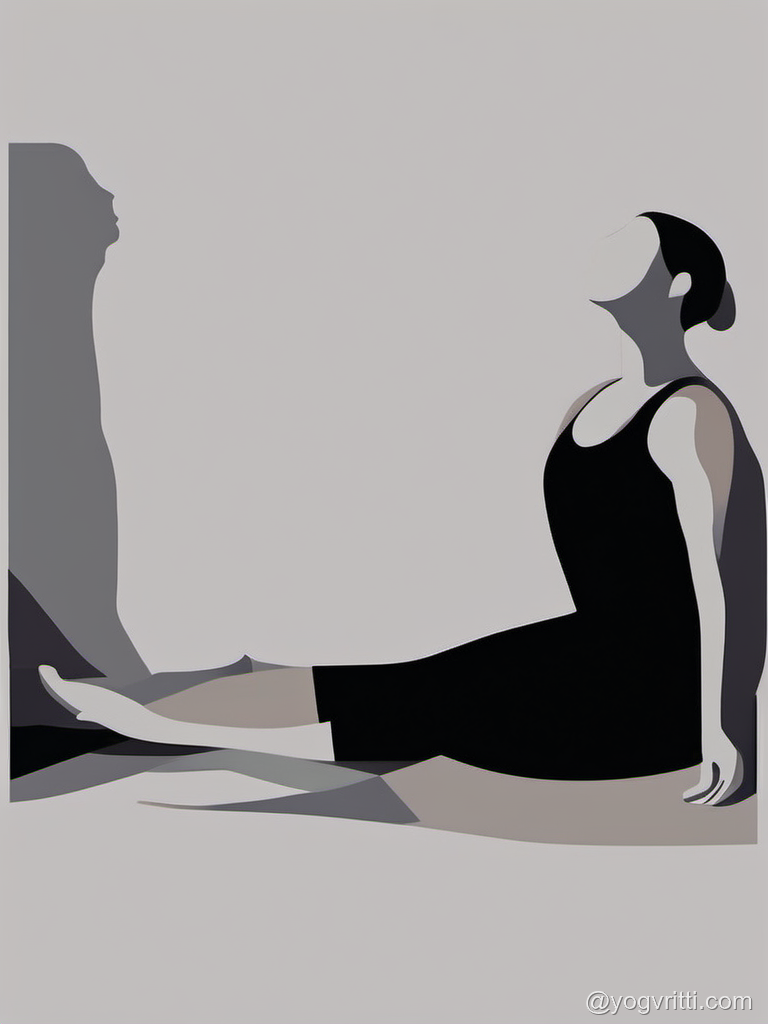
Begin in Dandasana (staff pose) with your legs extended in front of you.
Open your legs as wide as is comfortable, forming a V shape.
Keep your knees and toes pointing upwards towards the ceiling.
Sit tall, lengthening your spine upwards.
Place your hands on the floor in front of you or beside your hips.
Gently lean forward from your hips, keeping your back straight.
Breathe deeply and evenly, allowing your hips and hamstrings to stretch further with each exhale.
Avoid rounding your back; focus on tilting your pelvis forward.
Maintain this pose, feeling the stretch in your inner thighs and hamstrings.
If you can't reach far, that's okay. Focus on maintaining good posture.
दंडासन (staff pose) से शुरू करें, अपने पैरों को अपने सामने फैलाएं।
अपने पैरों को जितना आरामदायक हो उतना चौड़ा खोलें, एक V आकार बनाएँ।
अपने घुटनों (knees) और पैर की उंगलियों (toes) को ऊपर की ओर ceiling की ओर इशारा करते हुए रखें।
सीधे बैठें, अपनी रीढ़ (spine) को ऊपर की ओर लंबा करें।
अपने हाथों को फर्श पर अपने सामने या अपनी कमर के पास रखें।
धीरे से अपने hips से आगे की ओर झुकें, अपनी back को सीधा रखें।
गहरी और समान रूप से श्वास (breath) लें, जिससे प्रत्येक exhale के साथ आपके hips और hamstrings और अधिक stretch हो सकें।
अपनी back को rounding करने से बचें; अपनी pelvis को आगे की ओर tilting करने पर ध्यान केंद्रित करें।
इस pose को बनाए रखें, अपनी inner thighs और hamstrings में stretch को महसूस करें।
यदि आप दूर तक नहीं पहुँच सकते हैं, तो कोई बात नहीं। अच्छी posture बनाए रखने पर ध्यान दें।
सहायक उपकरण
वैकल्पिक सहायता — आवश्यकतानुसार उपयोग करें
Bolster
Rest the torso on a bolster in the fold for a completely supported, restorative version that releases the back body without effort.
Yoga Block
Place blocks under the hands at any height to allow the spine to lengthen fully before attempting to reach the floor — prioritising posture over depth.
Folded Blanket
Place a folded blanket under the sitting bones to ease the forward tilt of the pelvis and reduce strain at the hamstring attachment.
Yoga Strap
Loop a strap around the feet when the hands cannot reach — this maintains proper spinal length and prevents rounding the lower back to close the gap.
Wall
Place hands on the wall at hip height and walk back to create a right angle — a gentler version that still provides deep spinal decompression.
सामान्य गलतियाँ
शिक्षण संकेत
अभ्यास क्रम
अक्सर पूछे जाने वाले प्रश्न
उपविष्ठ कोणासन के बारे में सामान्य प्रश्न
उपविष्ठ कोणासन क्या है?
उपविष्ठ कोणासन, चौड़े-कोण बैठी हुई आगे का मोड़, एक बैठी हुई मुद्रा है जहां पैर चौड़े फैले होते हैं और धड़ कूल्हों से आगे झुकता है।
उपविष्ठ कोणासन के क्या फायदे हैं?
Stretches the adductors and hamstrings deeply। Opens the groins and hip joints। Lengthens the spine।
उपविष्ठ कोणासन किस स्तर के लिए है?
उपविष्ठ कोणासन एक शुरुआती स्तर का आसन है। यह सभी के लिए उपयुक्त है।
उपविष्ठ कोणासन कौन न करे?
Hamstring or groin tear, Lower back injury (keep spine extended), Pregnancy (avoid deep fold) की स्थिति में यह आसन न करें।
उपविष्ठ कोणासन के लिए कौन से उपकरण चाहिए?
bolster, block, blanket, strap, wall का उपयोग इस आसन को आसान बना सकता है।