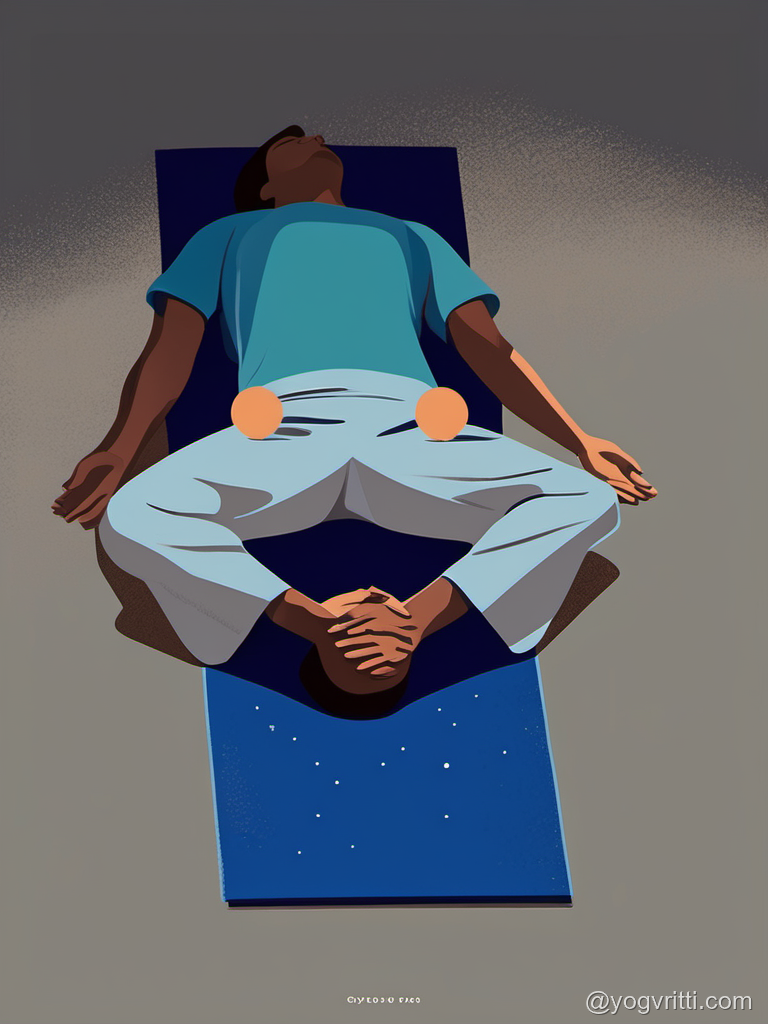
Supine Mountain Pose with Belt
Supine Mountain Pose with Belt · सुप्त ताड़ासन पैरों के चारों ओर बेल्ट के साथ
Also known as: Supine Tadasana Belt
Supine Mountain Pose with Belt, also called Supine Tadasana Belt is a classical yoga posture whose Sanskrit roots break down as: Supta (Reclining) · Tada (Mountain) · Asana (Pose). In this posture, the body releases into the support of the floor, allowing gravity to assist. The posture works to lengthen the hamstrings, strengthen the quadriceps and engage the core. Strengthens the core muscles. Improves posture. It is particularly valued for improving overall posture and building full-body strength. Suitable for beginners and regular practitioners alike, it is an excellent warm-up, particularly beneficial for beginners and seniors. A strap and blanket can be used to make the posture more accessible and support correct alignment. Practitioners with back pain and neck pain should approach with care or consult a qualified teacher.
Anatomy Involved
Benefits
- Lengthens the spine
- Strengthens the core muscles
- Improves posture
- Calms the nervous system
- Stretches the shoulders and arms
- Full anatomical benefits — muscles, joints, organs →
Avoid If
Back Injury / Back Pain
Spinal flexion, extension, or rotation under load can compress vertebral discs or strain the paraspinal muscles.
Bend both knees generously, hinge from the hips rather than rounding the spine, and rest hands on blocks or thighs.
Neck Injury / Cervical Issues
Looking up, bearing head weight, or unsupported neck rotation can compress cervical vertebrae and irritate nerves.
Let the head hang heavy without actively pulling it toward the shins; release all neck tension.
Shoulder Injury
Overhead loading and extreme shoulder rotation can impinge the subacromial space and overload rotator cuff tendons.
Reduce the range of motion, avoid full arm extension, and use props to limit load on the shoulder joint.
Props That Can Help
Optional supports — use when helpful, not required
Yoga Strap
Loop a strap around the feet when the hands cannot reach — this maintains proper spinal length and prevents rounding the lower back to close the gap.
Folded Blanket
Place a folded blanket under the sitting bones to ease the forward tilt of the pelvis and reduce strain at the hamstring attachment.
Common Mistakes to Avoid
Teaching Cues
For yoga teachers — verbal cues to guide students
7 cues
Teaching Cues
For yoga teachers — verbal cues to guide students
- 1Press the back of the head gently into the floor
- 2Keep the lower back in its natural curve
- 3Relax the shoulders away from the ears
- 4Soften the facial muscles and jaw
- 5Breathe deeply into the belly
- 6Hinge from the hips, leading with the chest
- 7Surrender the weight of the body to the props and the floor
Pose Details
Helps With
Pose Type
Body Focus
Focus Areas
Best For
Yoga Styles
When to Practice
Position
Modify If You Have
spinal injury
Perform very gently, focusing on lengthening rather than stretching.
hypertension
Focus on gentle breathing, avoid over-stretching arms above head.
abdominal surgery
Perform gently, avoid over-stretching abdomen.
Target Areas
Practice Flow
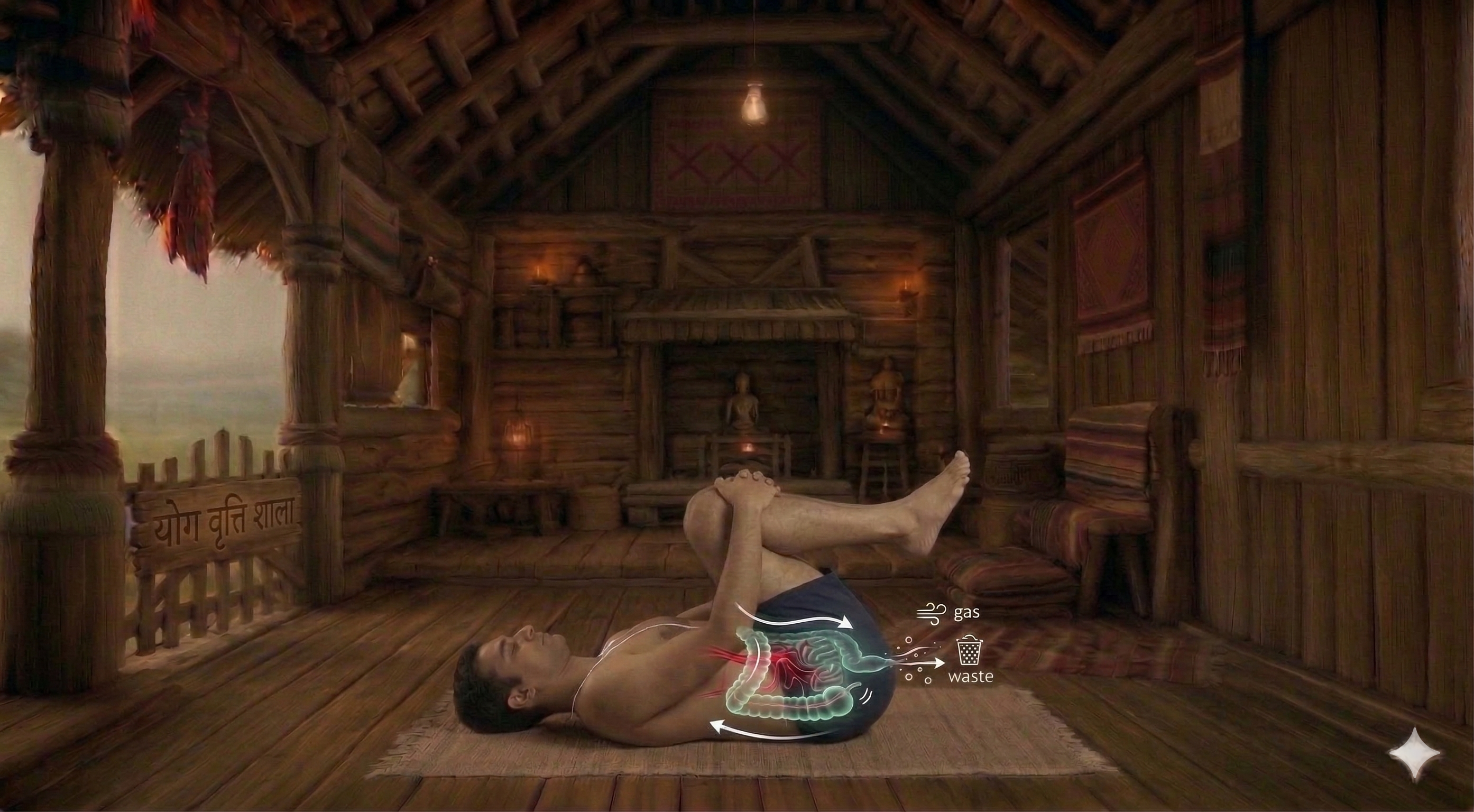

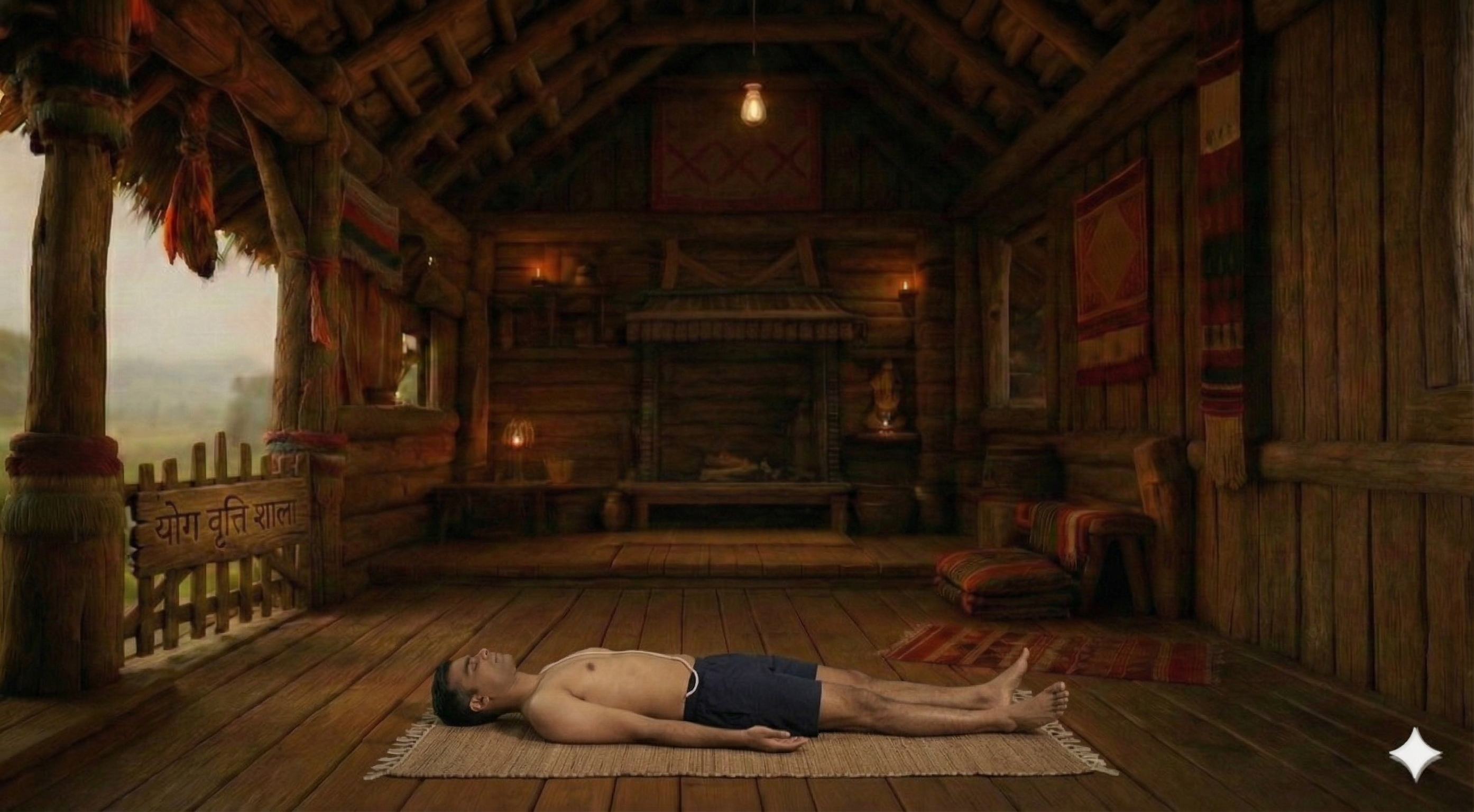
How to Practice
1. Lie down in Shavasana (Corpse Pose).
2. Loop a yoga strap around both feet, holding the ends in your hands.
3. Keep your heels together, slightly internally rotate your toes.
4. Inhale and raise your arms overhead, holding the strap taut.
5. Keep your arms straight and press your shoulders down into the floor.
5 more steps remaining
Register free to see the complete instructions
Register Free to ContinueAlready registered? Login
Frequently Asked Questions
Common questions about Supine Mountain Pose with Belt
What is Supine Mountain Pose with Belt?
Supine Mountain Pose with Belt, also called Supine Tadasana Belt is a classical yoga posture whose Sanskrit roots break down as: Supta (Reclining) · Tada (Mountain) · Asana (Pose). In this posture, the body releases into the support of the floor, allowing gravity to assist. The posture works to lengthen the hamstrings, strengthen the quadriceps and engage the core. Strengthens the core muscles. Improves posture. It is particularly valued for improving overall posture and building full-body strength. Suitable for beginners and regular practitioners alike, it is an excellent warm-up, particularly beneficial for beginners and seniors. A strap and blanket can be used to make the posture more accessible and support correct alignment. Practitioners with back pain and neck pain should approach with care or consult a qualified teacher.
What are the benefits of Supine Mountain Pose with Belt?
Lengthens the spine. Strengthens the core muscles. Improves posture. Calms the nervous system. Stretches the shoulders and arms.
Who should avoid Supine Mountain Pose with Belt?
Avoid this pose if you have: Back pain, Neck pain, Shoulder injuries.
How many steps are in Supine Mountain Pose with Belt?
Supine Mountain Pose with Belt is practiced in 10 steps. Lie down in Shavasana (Corpse Pose).
Is Supine Mountain Pose with Belt suitable for beginners?
Yes, Supine Mountain Pose with Belt is a beginner-friendly pose suitable for all levels.
What props are needed for Supine Mountain Pose with Belt?
You may use: strap, blanket. Props make the pose more accessible and comfortable.
What conditions does Supine Mountain Pose with Belt help with?
Supine Mountain Pose with Belt is therapeutic for: posture correction, strength, flexibility, anxiety, back pain.
What poses should I do before Supine Mountain Pose with Belt?
Prepare with: Supta Tadasana, Apanasana. These warm up the relevant muscles and joints.
Build Your Own Sequence
Combine Supine Mountain Pose with Belt with other poses