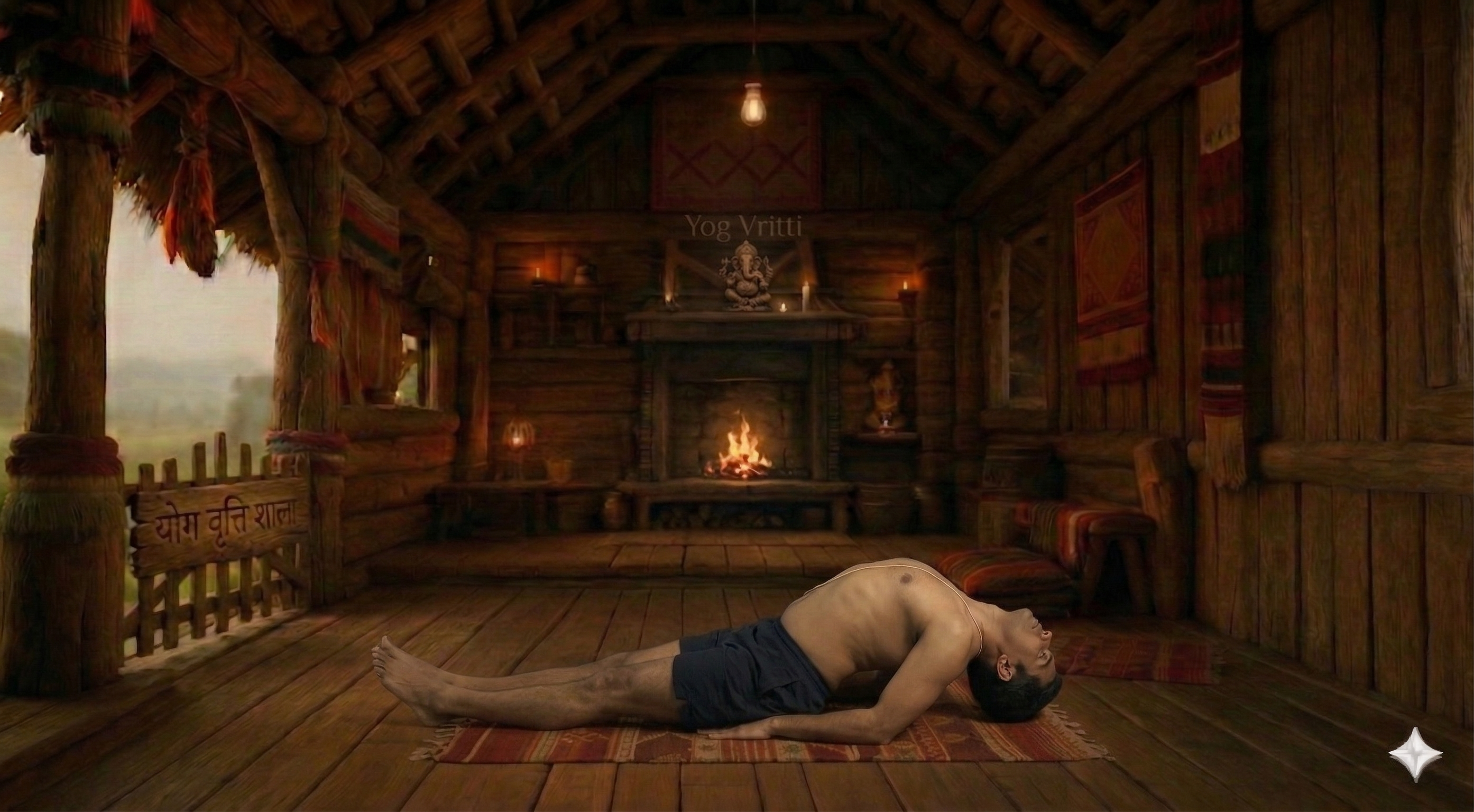
मत्स्यासन II
Fish Pose II
मत्स्यासन II, या मत्स्य मुद्रा II, एक मध्यवर्ती सुपाइन बैकबेंड है जो छाती, गले और पेट को गहराई से खोलता है। यह श्वसन क्रिया को बेहतर बनाने और थायराइड और पैराथायराइड ग्रंथियों को उत्तेजित करने के लिए जाना जाता है।
फायदे
6Chest muscles(lengthening)
In Matsyasana II, the chest muscles experience a significantly amplified lengthening due to the deeper spinal arch and the increased leverage from the anchored lower body. This intensified stretch moves beyond a gentle opening, actively inviting greater expansion across the pectorals and intercostals, fostering a profound sense of spaciousness in the heart center. The active engagement of the shoulders further broadens the chest, allowing for a more complete release.
Front of the neck muscles(lengthening)
The anterior neck muscles, or neck flexors, undergo a more pronounced and sustained lengthening in Matsyasana II compared to the root pose. With the head further dropped back to place the crown on the floor, the cervical spine extends more acutely, creating a potent stretch that helps release deep-seated tension in the throat and jaw. This enhanced opening promotes a freer flow of energy and stimulates the thyroid and parathyroid glands more directly.
Spinal extensors(activating)
The intricate network of muscles running along either side of your spine (erector spinae and multifidus) is gently engaged to support the lift of the chest in this backbend. While not a forceful contraction, these muscles work concentrically to create the spinal extension, strengthening their ability to maintain upright posture. This subtle activation builds intelligent support for the spine, fostering a sense of stability and resilience in the core. Energetically, it awakens the central channel (sushumna nadi), promoting vitality and alertness without strain.
- पूर्ण शारीरिक विश्लेषण →
सावधानियाँ
5Back Injury / Back Pain
Spinal flexion, extension, or rotation under load can compress vertebral discs or strain the paraspinal muscles.
Limit the depth of the backbend, engage the core actively before moving, and avoid any movement that creates pinching in the lumbar spine.
Low Blood Pressure
Rising quickly from low positions can cause a sudden drop in blood pressure, leading to dizziness or fainting.
Move slowly between positions, keep eyes open, and rest against a wall if dizziness arises.
Headache / Migraine
Physical exertion, inversions, and strong breath work can intensify an existing headache or trigger a migraine.
Avoid inversions and strong pranayama; rest in a supported, restorative posture with a cool cloth on the forehead.
Recent Surgery
Surgical wounds and healing tissues need time before being subjected to the mechanical stress of yoga postures.
Wait for full medical clearance from your surgeon; begin with gentle breath work and progress only as healing allows.
विधि
चरण-दर-चरण निर्देश
पीठ के बल लेट जाएं, पैरों को सीधा और एक साथ रखें। हाथों को कूल्हों के नीचे रखें, हथेलियाँ फर्श की ओर हों।
श्वास लें और कोहनियों को फर्श में दबाते हुए धड़ को ऊपर उठाएं।
छाती को ऊपर उठाएं और कंधों को पीछे की ओर रोल करें, कंधे के ब्लेड को एक साथ खींचें।
सिर को पीछे झुकाएं ताकि सिर का शीर्ष फर्श पर टिका हो, लेकिन गर्दन पर कोई वजन न हो।
पैरों को सक्रिय रखें, एड़ियों को एक साथ दबाएं और पंजों को आगे की ओर इंगित करें।
कोहनियों को जितना हो सके शरीर के करीब लाएं और छाती को और ऊपर उठाएं।
गर्दन को लंबा रखें, छाती को ऊपर उठाने के लिए पीठ की मांसपेशियों का उपयोग करें, न कि गर्दन का।
श्वास लेते रहें और छाती को फैलाएं। सुनिश्चित करें कि सिर पर वजन न हो, बल्कि पीठ की मांसपेशियों से लिफ्ट हो।
30-60 सेकंड के लिए रुकें।
श्वास छोड़ते हुए, सिर को धीरे-धीरे ऊपर उठाएं और पीठ को फर्श पर नीचे लाएं।
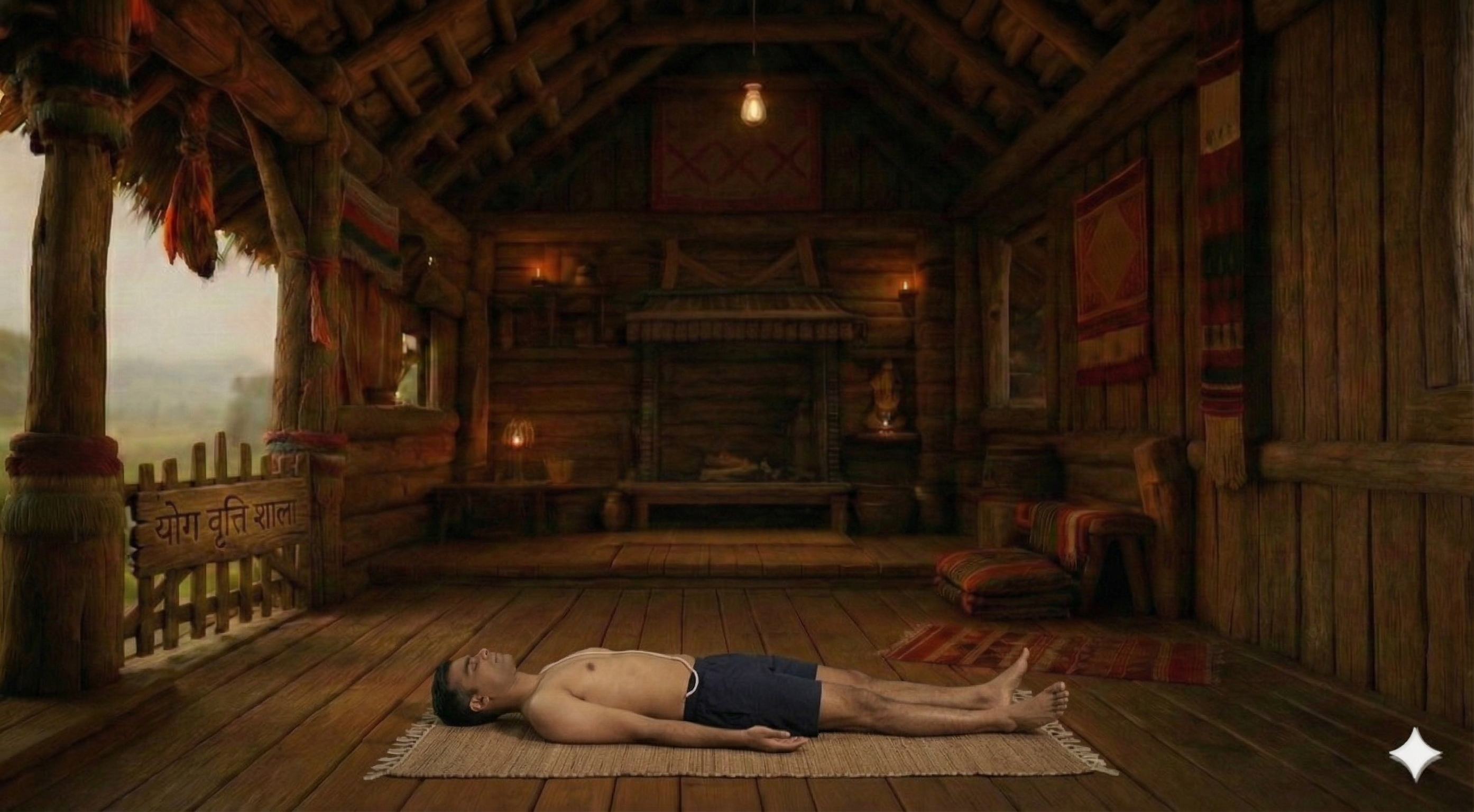
हाथों को कूल्हों के नीचे से निकालें और शवासन में आराम करें।
सहायक उपकरण
वैकल्पिक सहायता — आवश्यकतानुसार उपयोग करें
Folded Blanket
A rolled blanket under the thoracic spine opens the chest gently and supports the backbend, making it accessible as a restorative variation.
Yoga Block
Rest the hands on blocks to begin opening the chest and shoulders before progressing toward full hand-to-floor contact.
सामान्य गलतियाँ
शिक्षण संकेत
अभ्यास क्रम
अक्सर पूछे जाने वाले प्रश्न
मत्स्यासन II के बारे में सामान्य प्रश्न
मत्स्यासन II क्या है?
मत्स्यासन II, या मत्स्य मुद्रा II, एक मध्यवर्ती सुपाइन बैकबेंड है जो छाती, गले और पेट को गहराई से खोलता है। यह श्वसन क्रिया को बेहतर बनाने और थायराइड और पैराथायराइड ग्रंथियों को उत्तेजित करने के लिए जाना जाता है।
मत्स्यासन II के क्या फायदे हैं?
Stretches the chest, abdomen, and throat। Strengthens the upper back and neck। Stimulates the thyroid and parathyroid glands।
मत्स्यासन II किस स्तर के लिए है?
मत्स्यासन II एक मध्यम स्तर का आसन है। शुरुआती लोग किसी योग गुरु के मार्गदर्शन में अभ्यास करें।
मत्स्यासन II कौन न करे?
Severe neck or back injury, High or low blood pressure, Migraine or insomnia की स्थिति में यह आसन न करें।
मत्स्यासन II के लिए कौन से उपकरण चाहिए?
blanket, block का उपयोग इस आसन को आसान बना सकता है।