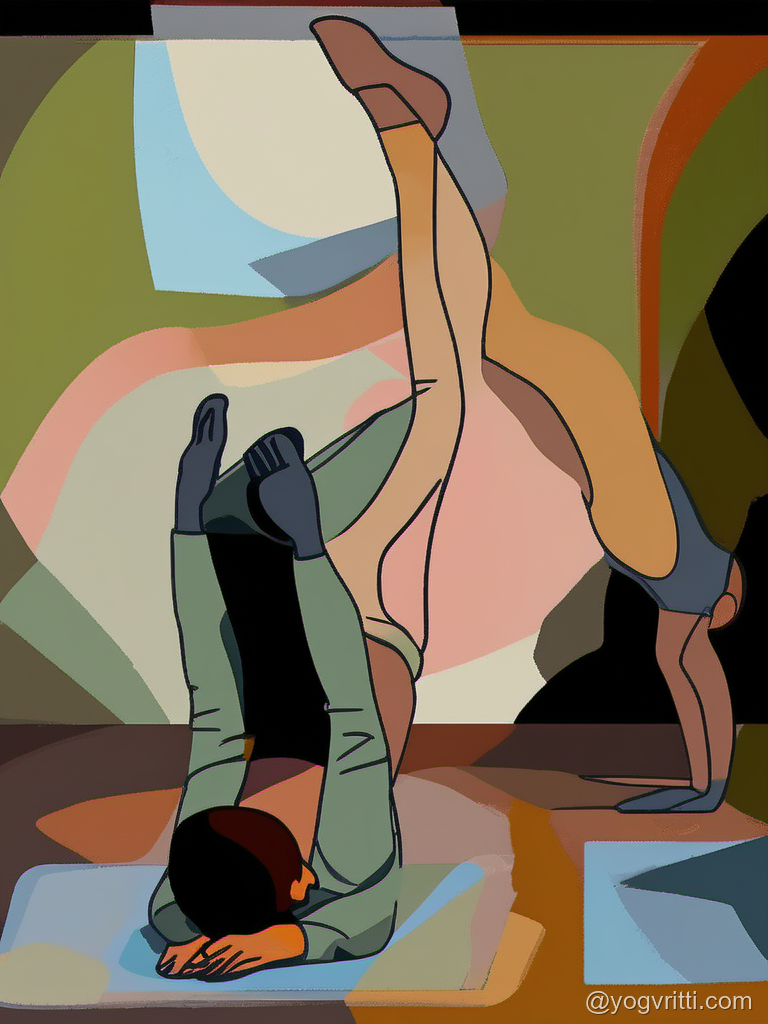
 मध्यमउल्टा
विविधताएँ (1)
सर्वाङ्गासन
Shoulderstand
सर्वांगासन एक उलटा आसन है जो शरीर और मन को कई लाभ प्रदान करता है। यह मस्तिष्क को शांत करता है, तनाव और हल्के अवसाद को दूर करने में मदद करता है, और थायरॉयड ग्रंथि को उत्तेजित करता है।
फायदे
6Spinal Erectors(strengthening)
These deep muscles run along the entire length of your spine, from the sacrum to the skull. In Shoulderstand, they work actively to lift and straighten the torso, preventing it from collapsing and creating a sensation of lightness and upward extension. This sustained isometric contraction strengthens the back's core support, cultivating a resilient and vibrant spine. Yogically, this activation awakens the central energy channel (Sushumna Nadi), promoting the upward flow of Prana.
Core Abdominal Muscles(stabilizing)
Your deep abdominal muscles wrap around your torso like a natural corset, providing essential stability. In Sarvangasana, they subtly engage to draw the navel towards the spine, preventing the lower back from arching excessively and maintaining a stable foundation for the lifted legs. This intelligent engagement supports the internal organs and helps to channel energy upwards, contributing to a feeling of inner strength and integration. It's not a rigid hardening, but a responsive, deep support that allows for lift.
Shoulder Girdle Stabilizers(stabilizing)
The muscles surrounding your shoulder blades and humerus are crucial for creating a stable platform for the body. With the blanket supporting the shoulders, these muscles work synergistically to anchor the upper body, ensuring the weight is distributed evenly and not solely on the neck. This sustained engagement builds endurance and intelligent strength in the shoulder complex, protecting the delicate cervical spine. Energetically, it creates a firm base from which the rest of the body can ascend, symbolizing grounded effort.
- पूर्ण शारीरिक विश्लेषण →
सावधानियाँ
5Neck Injury / Cervical Issues
Looking up, bearing head weight, or unsupported neck rotation can compress cervical vertebrae and irritate nerves.
Avoid all weight-bearing on the head and neck; practise supported Setu Bandha or legs-up-the-wall instead.
High Blood Pressure
Vigorous effort and inverted positions temporarily raise blood pressure in the head, increasing strain on blood vessels.
Avoid this inversion entirely or keep the head above heart level at all times; never hold the breath.
Glaucoma / Eye Pressure
Inverted and head-below-heart positions increase intraocular pressure, which can be harmful for those with elevated eye pressure.
Avoid this inversion entirely; practise Viparita Karani (legs-up-the-wall) with a bolster under the hips as an alternative.
Pregnancy
Deep twists, abdominal compression, and lying flat on the back can restrict blood flow or cause discomfort as pregnancy progresses.
Avoid all inversions unless already well-established in the practice and with teacher supervision; use a wall-supported legs-up-the-wall instead.
विधि
चरण-दर-चरण निर्देश
पीठ के बल लेट जाएं, पैर सीधे और हाथ शरीर के बगल में रखें।
श्वास लें, पैरों को ऊपर उठाएं, फिर कूल्हों को ऊपर उठाएं।
हाथों से पीठ को सहारा दें, कोहनियों को कंधों के पास रखें।
शरीर को सीधा करने के लिए धीरे-धीरे पैरों को सिर की ओर ले जाएं।
ठुड्डी को छाती की ओर दबाएं, गर्दन को सीधा रखें।
पैरों को सीधा आकाश की ओर तानें।
सामान्य रूप से श्वास लें, 30 सेकंड से 1 मिनट तक इस स्थिति में रहें।
श्वास छोड़ें, धीरे-धीरे शरीर को नीचे लाएं, पीठ को फर्श पर टिकाएं।
हाथों को शरीर के बगल में रखें, पैरों को धीरे-धीरे नीचे लाएं।
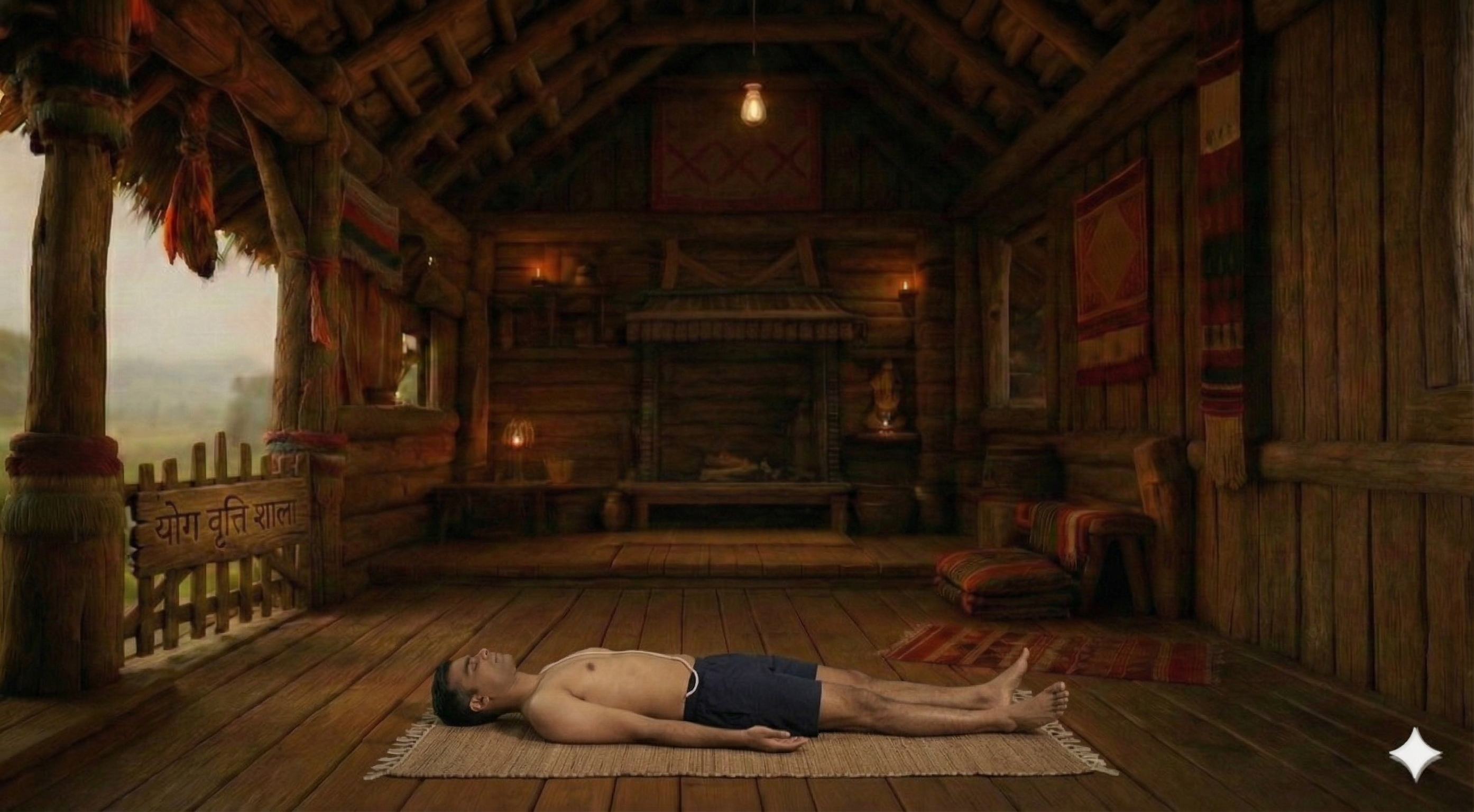
शवासन में आराम करें।
सहायक उपकरण
वैकल्पिक सहायता — आवश्यकतानुसार उपयोग करें
Folded Blanket
Stack two to three firm blankets under the shoulders in Shoulderstand to protect the cervical spine — this is not optional but essential for safety.
Yoga Strap
A strap extends your reach and allows the pose to be held with correct alignment before full flexibility is established.
Wall
Use the wall for support as you build the strength and confidence needed for the full unsupported inversion — kick up gently and walk the feet down slowly.
सामान्य गलतियाँ
शिक्षण संकेत
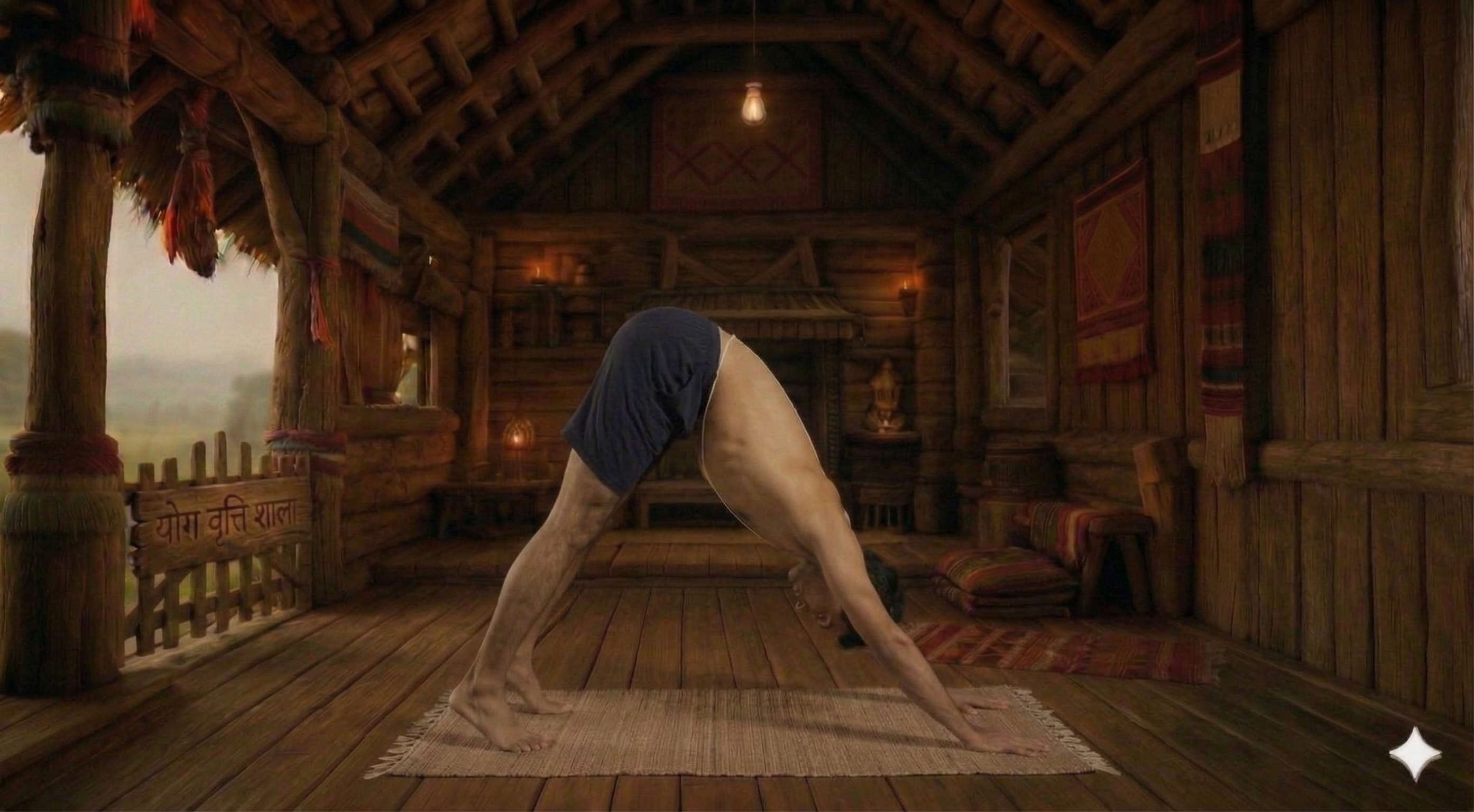
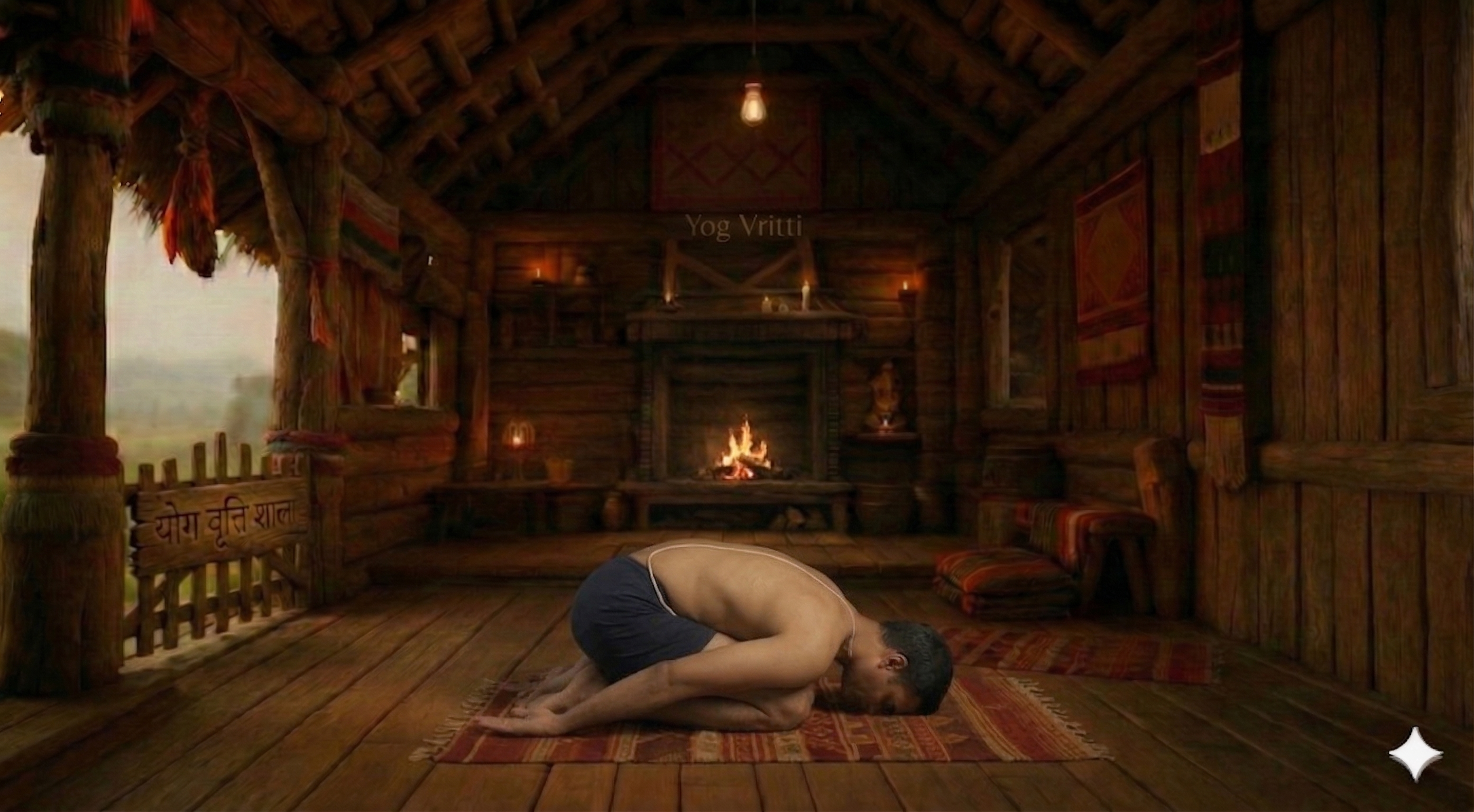
अभ्यास क्रम

अक्सर पूछे जाने वाले प्रश्न
सर्वाङ्गासन के बारे में सामान्य प्रश्न
सर्वाङ्गासन क्या है?
सर्वांगासन एक उलटा आसन है जो शरीर और मन को कई लाभ प्रदान करता है। यह मस्तिष्क को शांत करता है, तनाव और हल्के अवसाद को दूर करने में मदद करता है, और थायरॉयड ग्रंथि को उत्तेजित करता है।
सर्वाङ्गासन के क्या फायदे हैं?
Calms the brain। Stimulates the thyroid gland। Strengthens the back।
सर्वाङ्गासन किस स्तर के लिए है?
सर्वाङ्गासन एक मध्यम स्तर का आसन है। शुरुआती लोग किसी योग गुरु के मार्गदर्शन में अभ्यास करें।
सर्वाङ्गासन कौन न करे?
Neck injury, High blood pressure, Glaucoma की स्थिति में यह आसन न करें।
सर्वाङ्गासन के लिए कौन से उपकरण चाहिए?
blanket, strap, wall का उपयोग इस आसन को आसान बना सकता है।