विविधताएँ (2)
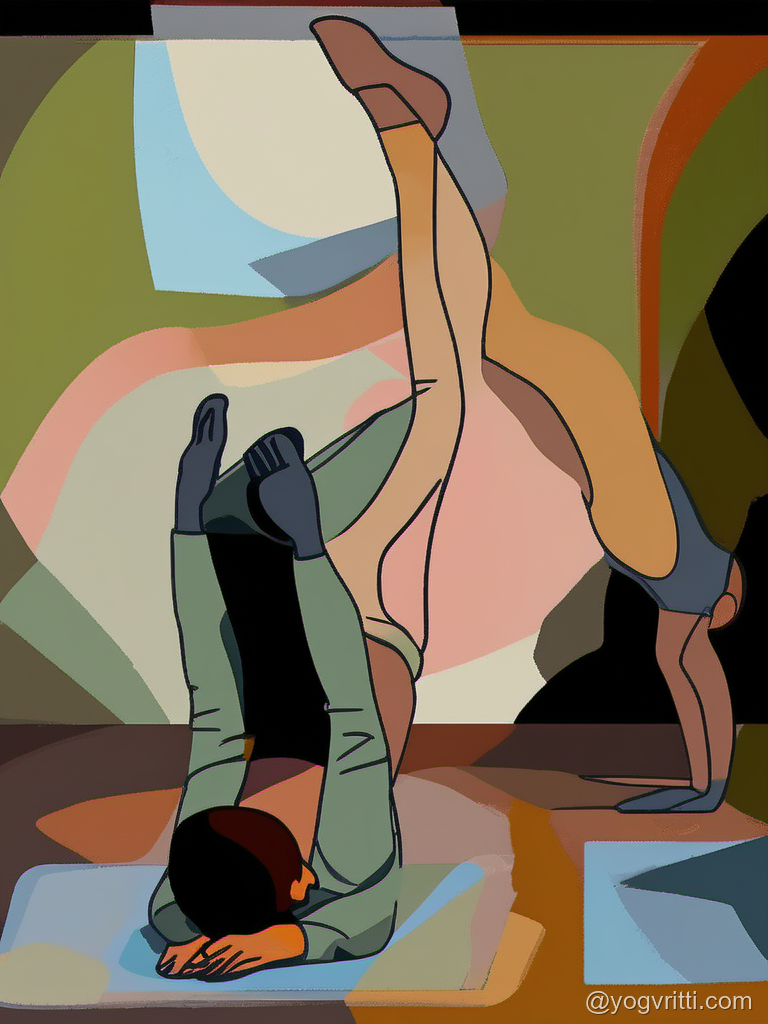
सर्वांगासन कुर्सी
Shoulderstand on Chair
कुर्सी पर सर्वांगासन — इयंगर चिकित्सीय संस्करण, पूर्ण सपोर्ट, लंबा होल्ड।
फायदे
5Spinal Erectors(releasing | subtle activating)
In the traditional pose, these muscles work diligently to lift and straighten the spine against gravity, creating the vertical axis. Here, with the chair supporting the pelvis and often the lower back, the intense, sustained contraction of the spinal erectors is largely mitigated. Their role transitions from active lifting to a more passive lengthening, with only subtle engagement needed for refined alignment and an internal sense of lift rather than forceful exertion.
Core Abdominal Muscles(releasing | subtle activating)
Where the root pose demands strong, active engagement of the core to lift the pelvis and stabilize the torso, the chair variation significantly reduces this requirement. The abdominal muscles are freed from their intense holding duty, allowing for a deeper release and softening. While a gentle, internal lift (Uddiyana Bandha) is still encouraged to support the lower back, the overall demand shifts from forceful stabilization to subtle, energetic engagement, promoting inner awareness without strain.
Shoulder Girdle Stabilizers(stabilizing | broadening)
These muscles, including the trapezius, rhomboids, and serratus anterior, remain crucial for establishing a stable foundation in both variations. In the chair setup, their primary action shifts from actively lifting the body against gravity to ensuring the shoulders are firmly grounded, broad, and pressing away from the neck. This sustained, yet supported, engagement protects the cervical spine and creates an expansive chest, allowing the therapeutic benefits of the inversion to permeate more deeply.
- पूर्ण शारीरिक विश्लेषण →
सावधानियाँ
4Neck Injury / Cervical Issues
Looking up, bearing head weight, or unsupported neck rotation can compress cervical vertebrae and irritate nerves.
Avoid all weight-bearing on the head and neck; practise supported Setu Bandha or legs-up-the-wall instead.
High Blood Pressure
Vigorous effort and inverted positions temporarily raise blood pressure in the head, increasing strain on blood vessels.
Avoid this inversion entirely or keep the head above heart level at all times; never hold the breath.
Menstruation
Some traditions advise against strong inversions and intense abdominal work during menstruation, as it may disrupt the natural downward energy flow.
Skip this inversion and practise Viparita Karani or Supta Baddha Konasana as a restorative alternative.
Glaucoma / Eye Pressure
Inverted and head-below-heart positions increase intraocular pressure, which can be harmful for those with elevated eye pressure.
Avoid this inversion entirely; practise Viparita Karani (legs-up-the-wall) with a bolster under the hips as an alternative.
विधि
चरण-दर-चरण निर्देश
कुर्सी दीवार के पास।
कंबल कंधों के नीचे।
कुर्सी की सीट पर कूल्हे रखें।
पैर दीवार पर या ऊपर।
कंधे कंबल पर, सिर नीचे।
हाथ कुर्सी के पैर पकड़ें — सहारा।
कुर्सी पूरा सपोर्ट देती है।
3-10 मिनट।
पैर दीवार पर रखें, कुर्सी से उतरें।
शवासन।
सहायक उपकरण
वैकल्पिक सहायता — आवश्यकतानुसार उपयोग करें
Chair
Use a chair to support the legs or torso in inverted postures, making the inversion accessible for those who cannot yet bear their full weight.
Folded Blanket
Stack two to three firm blankets under the shoulders in Shoulderstand to protect the cervical spine — this is not optional but essential for safety.
Wall
Use the wall for support as you build the strength and confidence needed for the full unsupported inversion — kick up gently and walk the feet down slowly.
सामान्य गलतियाँ
शिक्षण संकेत
अभ्यास क्रम

अक्सर पूछे जाने वाले प्रश्न
सर्वांगासन कुर्सी के बारे में सामान्य प्रश्न
सर्वांगासन कुर्सी क्या है?
कुर्सी पर सर्वांगासन — इयंगर चिकित्सीय संस्करण, पूर्ण सपोर्ट, लंबा होल्ड।
सर्वांगासन कुर्सी के क्या फायदे हैं?
Fully supported shoulderstand। Can hold 10+ minutes। Therapeutic for thyroid।
सर्वांगासन कुर्सी किस स्तर के लिए है?
सर्वांगासन कुर्सी एक मध्यम स्तर का आसन है। शुरुआती लोग किसी योग गुरु के मार्गदर्शन में अभ्यास करें।
सर्वांगासन कुर्सी कौन न करे?
Neck injuries, High blood pressure, Menstruation की स्थिति में यह आसन न करें।
सर्वांगासन कुर्सी के लिए कौन से उपकरण चाहिए?
chair, blanket, wall का उपयोग इस आसन को आसान बना सकता है।