 Intermediatesupine
Leg Rotation Pose
Chakra Padasana · चक्र पादासन
Also known as: Hip Circle Pose · Foot Rotation Pose
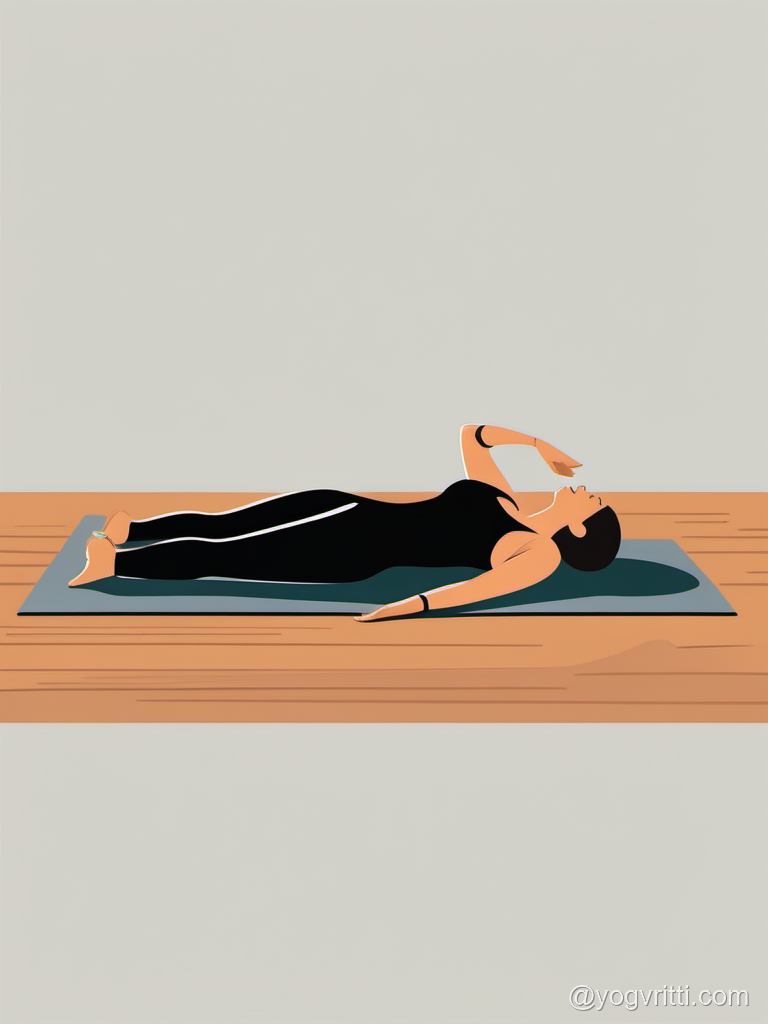
Leg Rotation Pose, also called Hip Circle Pose is a classical yoga posture. Its Sanskrit name Chakra Padasana translates word-for-word as: Chakra (Wheel) · Pada (Foot / Leg) · Asana (Pose). Performed lying down, the body releases into the support of the floor, allowing gravity to assist. The posture works to engage the core and release tension in the hips. Mobilizes the hip and knee joints. Improves circulation in the lower body. It is particularly valued for building full-body strength and developing greater flexibility. Suitable for intermediate practitioners with foundational yoga experience, it is an excellent warm-up, particularly beneficial for athletes and runners. Practitioners with abdominal surgery and hip injury should approach with care or consult a qualified teacher.
Anatomy Involved
Benefits
- Strengthens the abdominal muscles and hip flexors
- Mobilizes the hip and knee joints
- Improves circulation in the lower body
- Builds core endurance
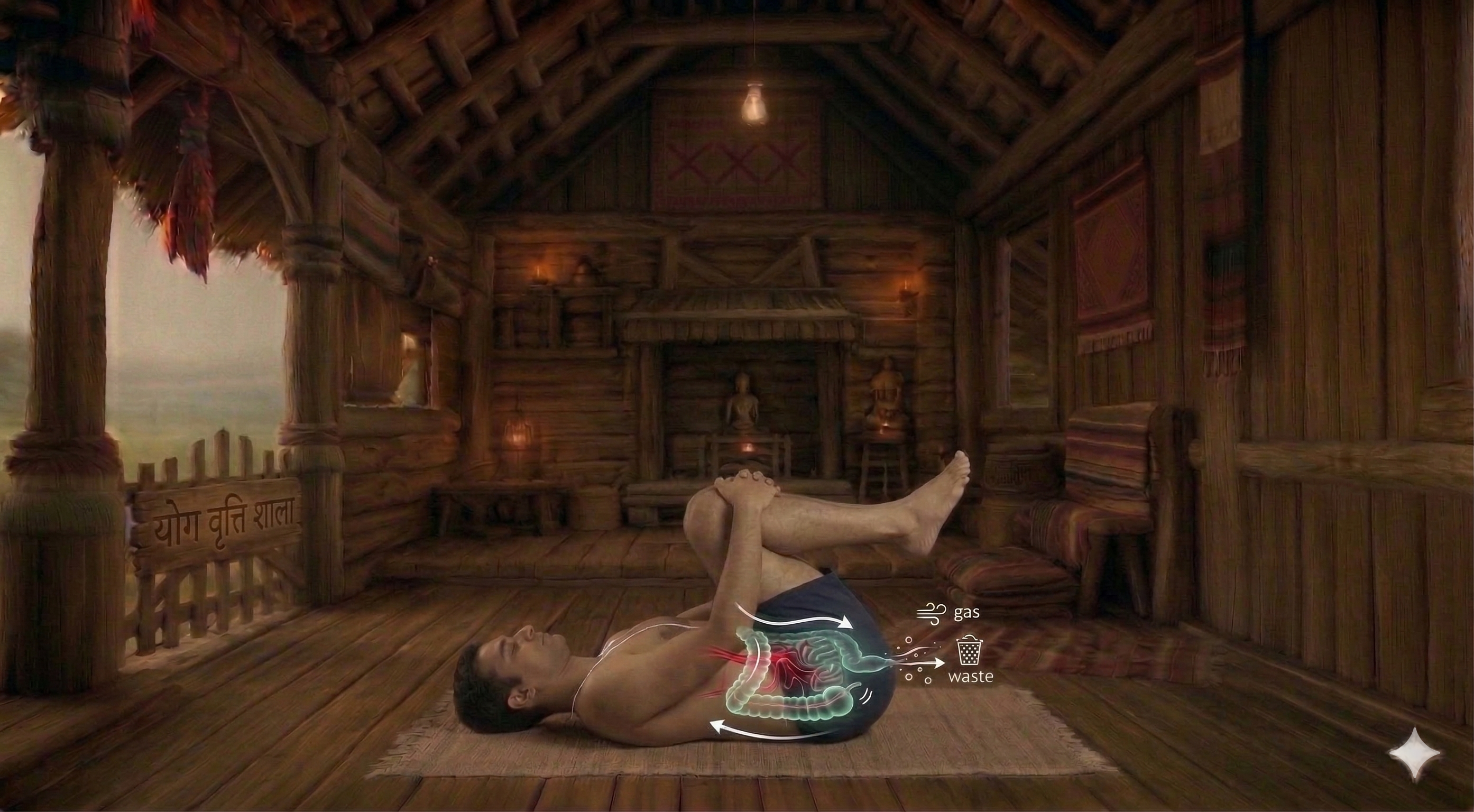
- Aids digestion and relieves gas
- Full anatomical benefits — muscles, joints, organs →
Avoid If
Recent Surgery
Surgical wounds and healing tissues need time before being subjected to the mechanical stress of yoga postures.
Wait for full medical clearance from your surgeon; begin with gentle breath work and progress only as healing allows.
Hernia
Strong abdominal compression and breath-holding under strain increase intra-abdominal pressure and can worsen a hernia.
Avoid any posture that causes pressure or bulging in the abdomen; work with a qualified teacher and your healthcare provider.
Back Injury / Back Pain
Spinal flexion, extension, or rotation under load can compress vertebral discs or strain the paraspinal muscles.
Bend the knees and place feet flat on the floor to protect the lumbar spine; slide a folded blanket under the lower back if needed.
Pregnancy
Deep twists, abdominal compression, and lying flat on the back can restrict blood flow or cause discomfort as pregnancy progresses.
After the first trimester, avoid lying flat on the back; elevate the torso on a bolster or lie on the left side instead.
Common Mistakes to Avoid
Teaching Cues
For yoga teachers — verbal cues to guide students
5 cues
Teaching Cues
For yoga teachers — verbal cues to guide students
- 1Press the back of the head gently into the floor
- 2Keep the lower back in its natural curve
- 3Relax the shoulders away from the ears
- 4Soften the facial muscles and jaw
- 5Breathe deeply into the belly
Pose Details
Helps With
Pose Type
Body Focus
Focus Areas
Best For
Yoga Styles
When to Practice
Position
Modify If You Have
knee injury
Keep knee slightly bent during leg circles.
back pain
Keep leg higher, make smaller circles, or bend the non-moving leg.
hip injury
Reduce range of motion and keep the leg bent.
sciatica
Reduce range, keep leg bent, and avoid stretching too far.
menstruation
Perform smaller circles with less effort.
Target Areas
Practice Flow

How to Practice
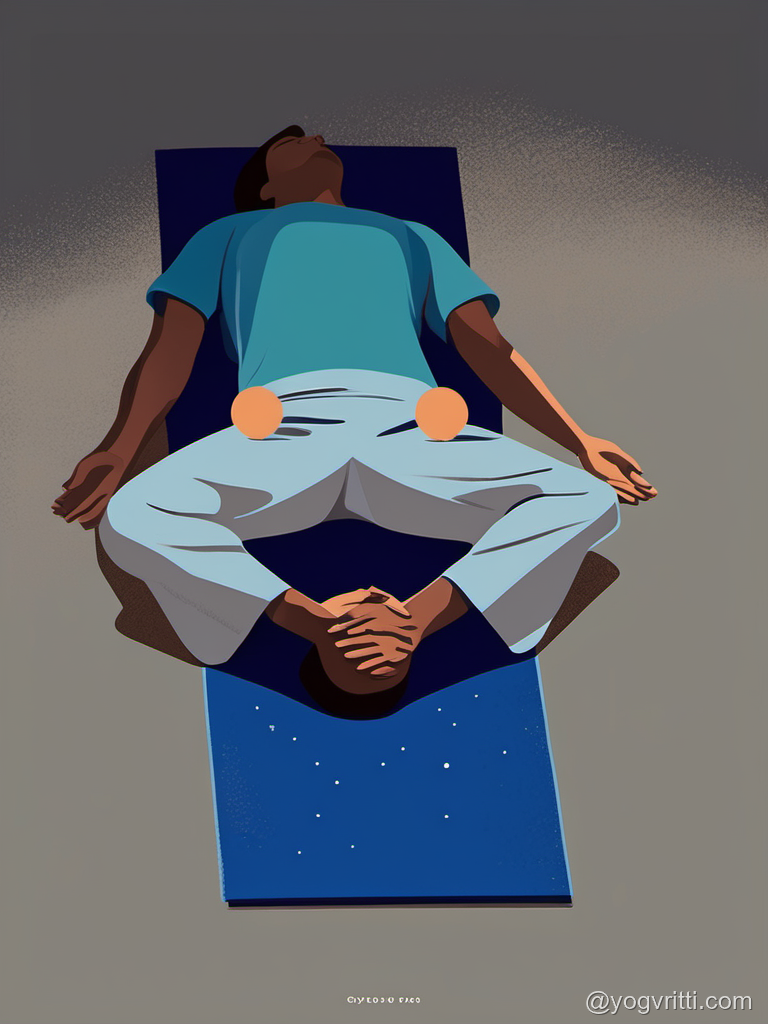
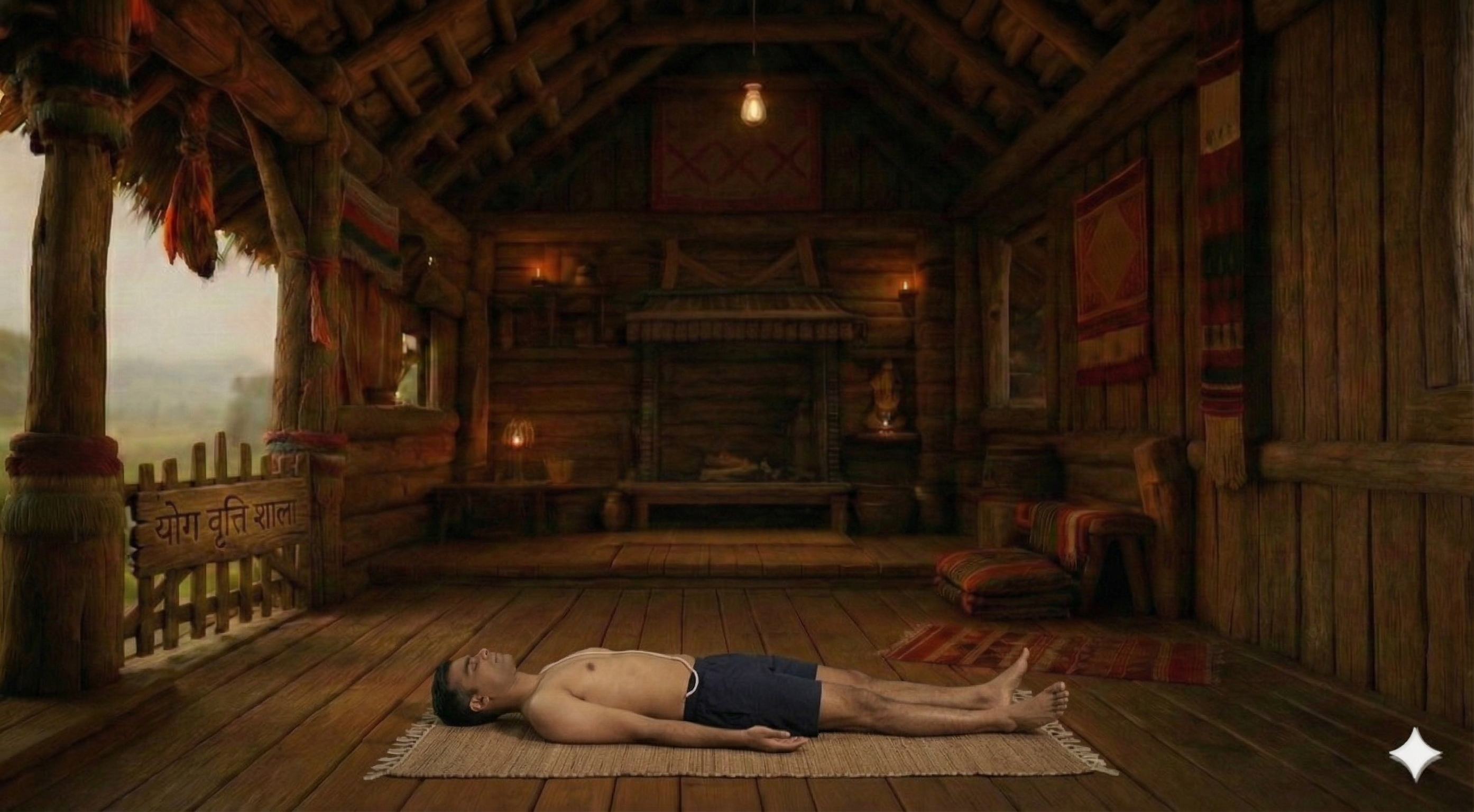
1. Lie on your back with legs extended straight and arms alongside your body.
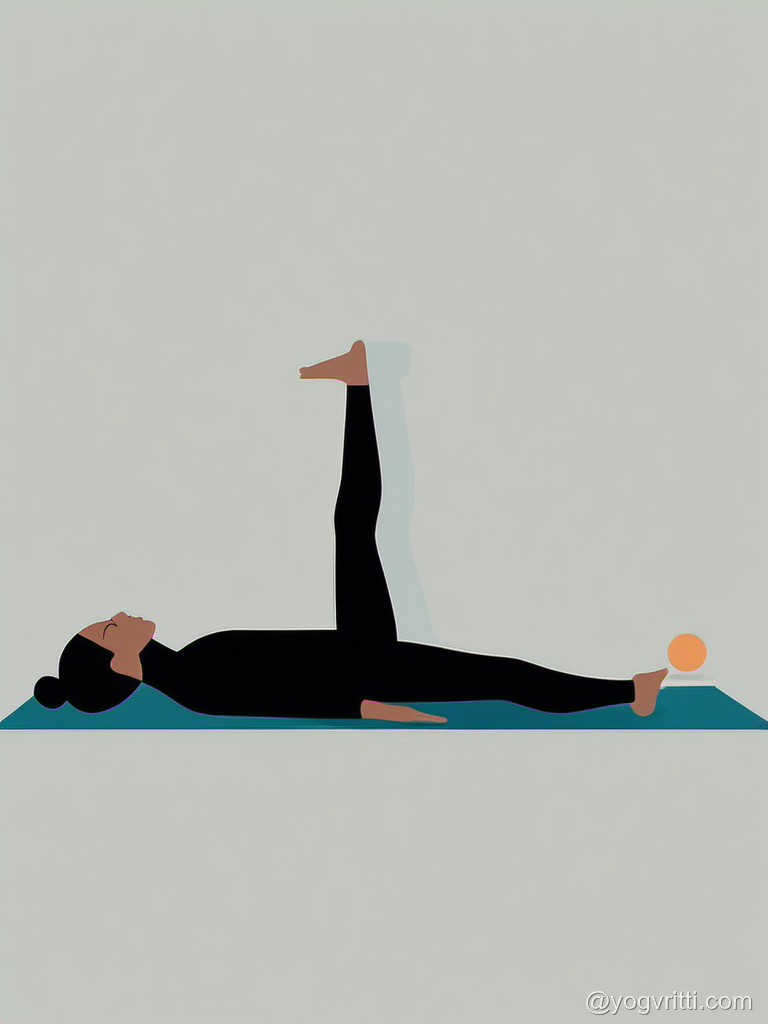
2. Inhale and lift both legs slightly off the floor, about 30 degrees.
3. Keep your arms on the floor, palms facing down, for balance.
4. Keeping your legs straight, without bending your knees, rotate them in a circular motion in a clockwise direction.
5. Rotate slowly and in a controlled manner, focusing on your abdomen.
5 more steps remaining
Register free to see the complete instructions
Register Free to ContinueAlready registered? Login
Modifications
Adaptive versions for different needs
Bent Knee Chakra Padasana
For: beginner
This variation allows for easier core engagement and reduces strain on the lower back. By bending the knees, you shorten the lever arm, making the circular leg movements less demanding.
Featured in Sequences
Practice Chakra Padasana as part of these guided sequences
Frequently Asked Questions
Common questions about Chakra Padasana
What is Leg Rotation Pose?
Leg Rotation Pose, also called Hip Circle Pose is a classical yoga posture. Its Sanskrit name Chakra Padasana translates word-for-word as: Chakra (Wheel) · Pada (Foot / Leg) · Asana (Pose). Performed lying down, the body releases into the support of the floor, allowing gravity to assist. The posture works to engage the core and release tension in the hips. Mobilizes the hip and knee joints. Improves circulation in the lower body. It is particularly valued for building full-body strength and developing greater flexibility. Suitable for intermediate practitioners with foundational yoga experience, it is an excellent warm-up, particularly beneficial for athletes and runners. Practitioners with abdominal surgery and hip injury should approach with care or consult a qualified teacher.
What are the benefits of Leg Rotation Pose?
Strengthens the abdominal muscles and hip flexors. Mobilizes the hip and knee joints. Improves circulation in the lower body. Builds core endurance. Aids digestion and relieves gas.
Who should avoid Leg Rotation Pose?
Avoid this pose if you have: Recent abdominal surgery, Hernia, Acute lower back pain, Late-term pregnancy.
How many steps are in Leg Rotation Pose?
Leg Rotation Pose is practiced in 10 steps. Lie on your back with legs extended straight and arms alongside your body.
Is Leg Rotation Pose suitable for beginners?
Leg Rotation Pose is an intermediate-level pose. Beginners should practice with props or under guidance.
What conditions does Leg Rotation Pose help with?
Leg Rotation Pose is therapeutic for: strength, flexibility, posture correction, back pain, digestive problems.
What poses should I do before Leg Rotation Pose?
Prepare with: Supta Tadasana, Apanasana, Supta Padangusthasana I. These warm up the relevant muscles and joints.
Build Your Own Sequence
Combine Chakra Padasana with other poses