With Props (2)
Savasana with Eye Pillow
Savasana with Eye Pillow · शवासन नेत्र तकिया
Also known as: Savasana Variation
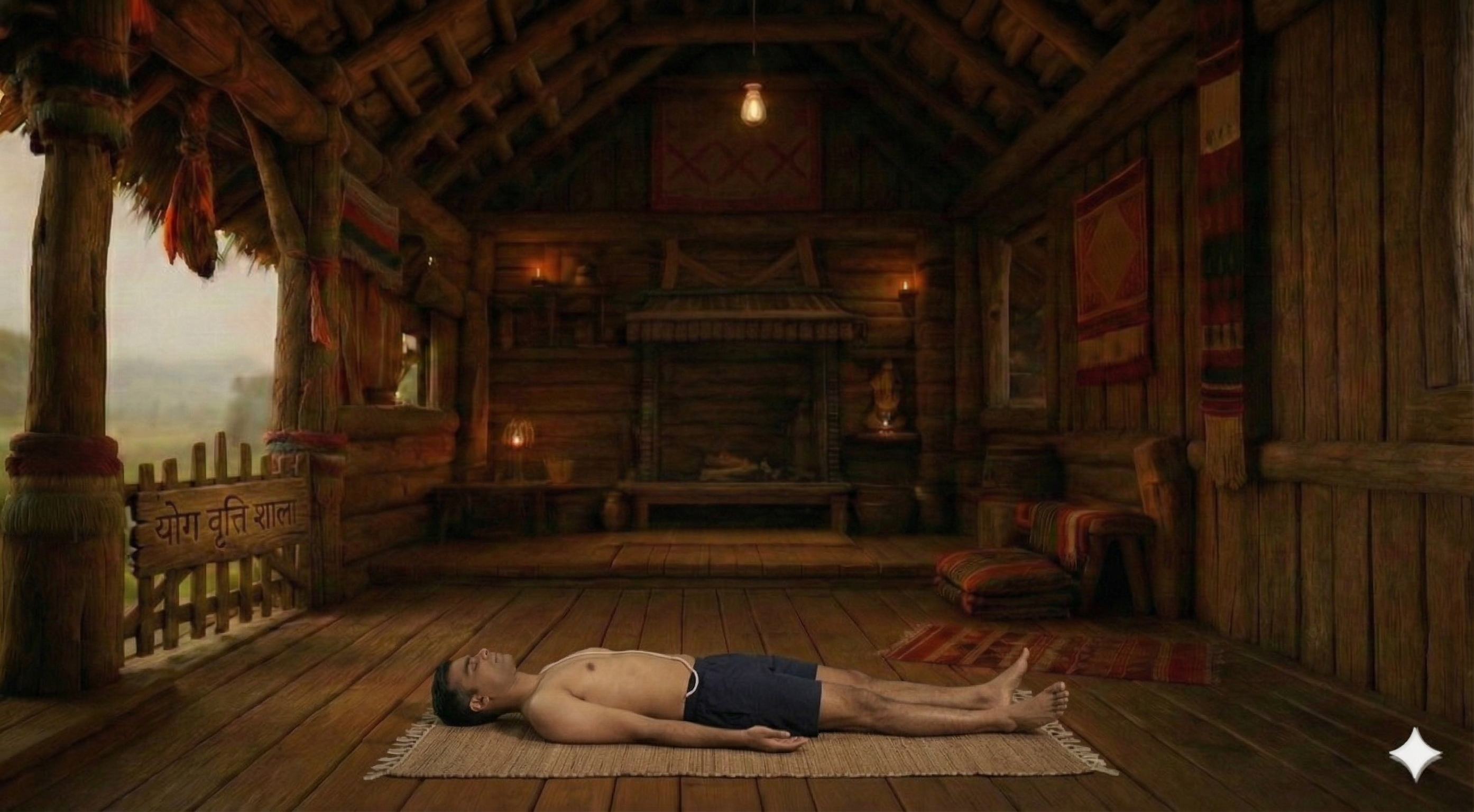
Savasana with Eye Pillow, also called Savasana Variation is a classical yoga posture whose Sanskrit roots break down as: Sava (Corpse) · Asana (Pose). In this posture, the body releases into the support of the floor, allowing gravity to assist. Deepens Savasana significantly. Activates relaxation response. Blocks light completely. It is particularly valued for supporting restful sleep and quieting an anxious mind. Suitable for beginners and regular practitioners alike, it is deeply restorative when held with support, particularly beneficial for beginners and seniors. A bolster can be used to make the posture more accessible and support correct alignment.
Benefits
Hamstrings(releasing)
These powerful muscles at the back of your thighs are often chronically shortened from sitting and standing. In Savasana, with the legs extended and the hips in a neutral position, they are invited to fully release and lengthen without active stretching. This passive unwinding allows deep-seated tension to dissipate, improving posterior chain flexibility and reducing pull on the pelvis and lower back (lumbar spine). From a yogic perspective, this release helps to ground apana vayu, bringing a sense of stability and ease to the lower extremities.
Quadriceps(releasing)
The large muscle group at the front of your thighs, the quadriceps, often holds residual tension, especially after active standing or leg-focused poses. In Savasana, these muscles are completely passive, allowing them to soften and release their grip on the kneecap (patella) and the hip joint. This deep relaxation helps to restore proper muscle length and reduces unnecessary strain on the knee and hip, fostering a feeling of lightness and freedom in the legs. Yogically, this surrender helps to quiet the active, outward-moving energy, drawing awareness inward.
Psoas Major(releasing)
The deep hip flexor, the psoas, connects your lower spine to your inner thigh bone (femur) and is often a major reservoir of stress and 'fight or flight' tension. In Savasana, lying supine with legs extended, the psoas is given the opportunity to release its habitual shortening and lengthen passively. This release can profoundly decompress the lower back (lumbar spine) and pelvis, easing chronic back pain and stiffness. Energetically, a relaxed psoas allows for a freer flow of prana through the core, fostering a sense of emotional release and deep calm.
- Full anatomical benefits — muscles, joints, organs →
Avoid If
Recent Surgery
Surgical wounds and healing tissues need time before being subjected to the mechanical stress of yoga postures.
Wait for full medical clearance from your surgeon; begin with gentle breath work and progress only as healing allows.
Props That Can Help
Optional supports — use when helpful, not required
Bolster
A bolster under the thoracic spine opens the chest passively; under the knees, it releases the lower back — both are deeply restorative.
Common Mistakes to Avoid
Teaching Cues
For yoga teachers — verbal cues to guide students
6 cues
Teaching Cues
For yoga teachers — verbal cues to guide students
- 1Lie flat on your back with legs comfortably apart
- 2Let the feet fall naturally to the sides
- 3Place the arms alongside the body, palms facing up
- 4Close the eyes and release all muscular effort
- 5Relax the jaw, tongue, and facial muscles
- 6Allow the breath to become natural and effortless
Pose Details
Helps With
Pose Type
Body Focus
Focus Areas
Best For
Yoga Styles
When to Practice
Position
Practice Flow

How to Practice
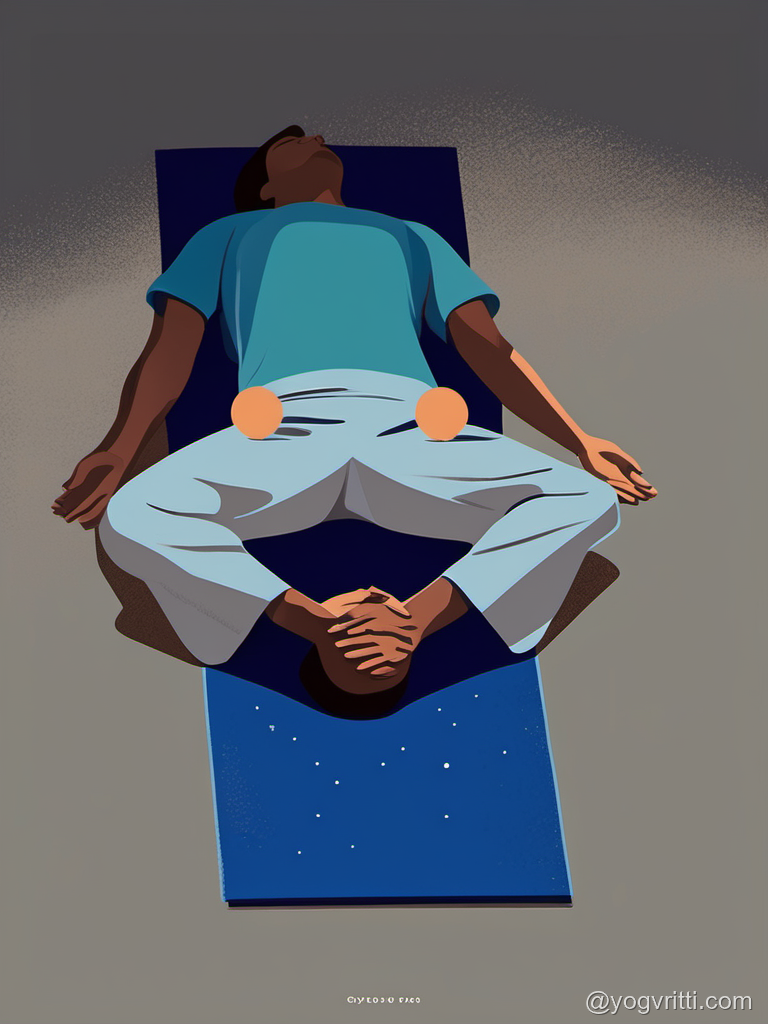
1. Lie in Savasana.
2. Place eye pillow (or folded cloth) over eyes.
3. Gentle weight — eyes press inward.
4. Optic nerve calms.
5. Arms alongside, palms up.
5 more steps remaining
Register free to see the complete instructions
Register Free to ContinueAlready registered? Login
Frequently Asked Questions
Common questions about Savasana with Eye Pillow
What is Savasana with Eye Pillow?
Savasana with Eye Pillow, also called Savasana Variation is a classical yoga posture whose Sanskrit roots break down as: Sava (Corpse) · Asana (Pose). In this posture, the body releases into the support of the floor, allowing gravity to assist. Deepens Savasana significantly. Activates relaxation response. Blocks light completely. It is particularly valued for supporting restful sleep and quieting an anxious mind. Suitable for beginners and regular practitioners alike, it is deeply restorative when held with support, particularly beneficial for beginners and seniors. A bolster can be used to make the posture more accessible and support correct alignment.
What are the benefits of Savasana with Eye Pillow?
Deepens Savasana significantly. Activates relaxation response. Blocks light completely. Calms optic nerve. Better than plain Savasana for anxiety.
Who should avoid Savasana with Eye Pillow?
Avoid this pose if you have: Eye infections, Recent eye surgery.
How many steps are in Savasana with Eye Pillow?
Savasana with Eye Pillow is practiced in 10 steps. Lie in Savasana.
Is Savasana with Eye Pillow suitable for beginners?
Yes, Savasana with Eye Pillow is a beginner-friendly pose suitable for all levels.
What props are needed for Savasana with Eye Pillow?
You may use: bolster. Props make the pose more accessible and comfortable.
What conditions does Savasana with Eye Pillow help with?
Savasana with Eye Pillow is therapeutic for: insomnia, anxiety, migraine, hypertension.
What poses should I do before Savasana with Eye Pillow?
Prepare with: Savasana, Supta Tadasana, Apanasana. These warm up the relevant muscles and joints.
Build Your Own Sequence
Combine Savasana with Eye Pillow with other poses