
With Props (1)
Reclined Bound Angle with Support
Supta Baddha Konasana with Support · सुप्त बद्ध कोणासन समर्थन के साथ
Also known as: Bolster Butterfly
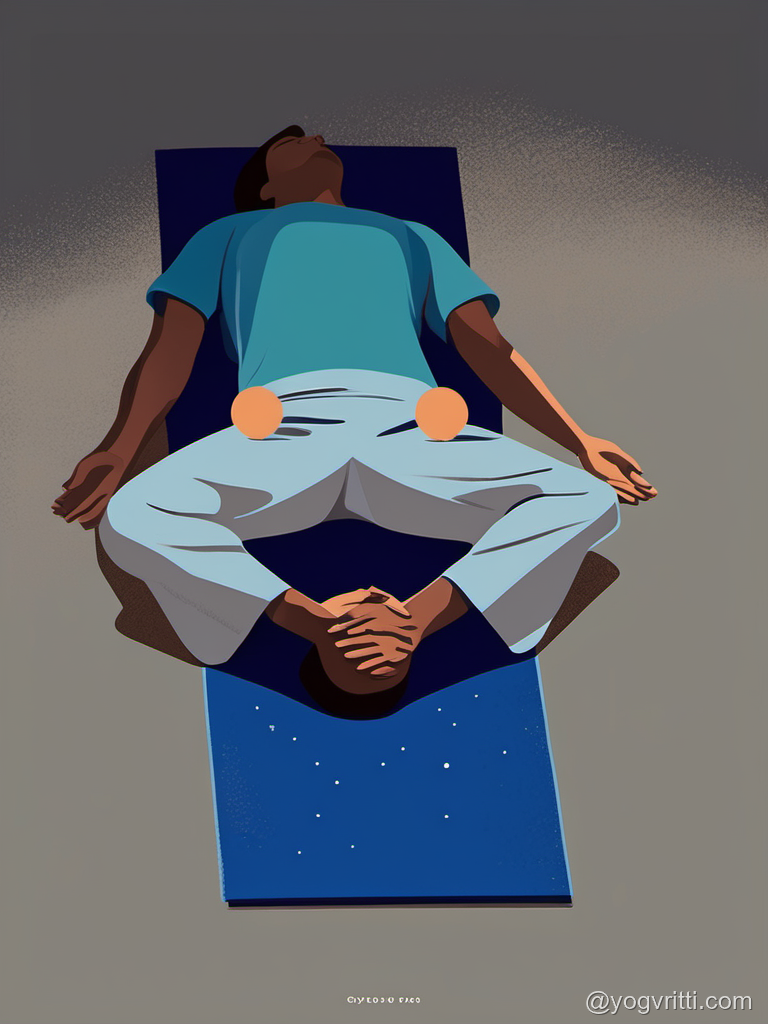
Reclined Bound Angle with Support, also called Bolster Butterfly is a classical yoga posture. Its Sanskrit name Supta Baddha Konasana with Support translates word-for-word as: Supta (Reclining) · Baddha (Bound) · Kona (Angle) · Asana (Pose). In this posture, the body releases into the support of the floor, allowing gravity to assist. The posture works to stretch the hip flexors and tone the inner thighs. Relieves stress and anxiety. Calms the nervous system. It is particularly valued for developing greater flexibility and quieting an anxious mind. Suitable for beginners and regular practitioners alike, it is a calming cool-down, particularly beneficial for beginners and seniors. A bolster and blanket can be used to make the posture more accessible and support correct alignment. Practitioners with knee injury and hip injury should approach with care or consult a qualified teacher.
Anatomy Involved
Benefits
- Gently opens the hips and inner thighs
- Relieves stress and anxiety
- Calms the nervous system
- Improves circulation
- Can relieve menstrual discomfort
- Full anatomical benefits — muscles, joints, organs →
Avoid If
Knee Injury
Deep flexion or rotation at the knee can strain ligaments, meniscus, or cartilage, especially in a compromised joint.
Place a rolled blanket under the back of the knees to release tension and avoid hyperextension.
Hip Injury
Deep hip flexion, external rotation, or weight-bearing can aggravate labral tears, impingement, or bursitis.
Support the knee with a folded blanket; do not force the leg into a position that creates clicking or sharp hip pain.
Back Injury / Back Pain
Spinal flexion, extension, or rotation under load can compress vertebral discs or strain the paraspinal muscles.
Bend the knees and place feet flat on the floor to protect the lumbar spine; slide a folded blanket under the lower back if needed.
Sacroiliac Joint Pain
Uneven pelvic loading and twisting under load create shear forces at the sacroiliac joint, worsening instability.
Keep the feet hip-width and parallel to maintain pelvic symmetry; engage the core gently throughout.
Props That Can Help
Optional supports — use when helpful, not required
Bolster
A bolster under the thoracic spine opens the chest passively; under the knees, it releases the lower back — both are deeply restorative.
Folded Blanket
A blanket under the head and neck maintains the natural cervical curve; under the knees, it relieves lower back tension in Savasana.
Yoga Strap
Use a strap around the raised foot to control the leg extension without gripping or over-pulling, keeping the hip and sacrum stable.
Yoga Block
A block under the sacrum or thoracic spine creates a gentle, supported backbend, making restorative chest-opening accessible.
Common Mistakes to Avoid
Teaching Cues
For yoga teachers — verbal cues to guide students
7 cues
Teaching Cues
For yoga teachers — verbal cues to guide students
- 1Press the back of the head gently into the floor
- 2Keep the lower back in its natural curve
- 3Relax the shoulders away from the ears
- 4Soften the facial muscles and jaw
- 5Breathe deeply into the belly
- 6Allow the hip joints to open gradually — never force
- 7Surrender the weight of the body to the props and the floor
Pose Details
Helps With
Pose Type
Body Focus
Focus Areas
Best For
Yoga Styles
When to Practice
Position
Modify If You Have
pregnancy
Use more support under the back and head, keep knees higher with extra props.
arthritis
Support knees with blankets or bolsters, avoid deep stretch.
groin injury
Keep legs wider apart and support knees, avoid deep stretch.
Target Areas
Practice Flow
How to Practice
1. Sit on the floor and bring the soles of the feet together, allowing the knees to fall open to the sides.
2. Place a blanket or bolster under the buttocks for support.
3. Slowly lower the back to the floor, allowing the knees to continue falling open to the sides.
4. Place pillows or blocks under each knee for support, ensuring the inner thighs are supported.
5. Rest the arms alongside the body, palms facing up.
5 more steps remaining
Register free to see the complete instructions
Register Free to ContinueAlready registered? Login
Frequently Asked Questions
Common questions about Supta Baddha Konasana with Support
What is Reclined Bound Angle with Support?
Reclined Bound Angle with Support, also called Bolster Butterfly is a classical yoga posture. Its Sanskrit name Supta Baddha Konasana with Support translates word-for-word as: Supta (Reclining) · Baddha (Bound) · Kona (Angle) · Asana (Pose). In this posture, the body releases into the support of the floor, allowing gravity to assist. The posture works to stretch the hip flexors and tone the inner thighs. Relieves stress and anxiety. Calms the nervous system. It is particularly valued for developing greater flexibility and quieting an anxious mind. Suitable for beginners and regular practitioners alike, it is a calming cool-down, particularly beneficial for beginners and seniors. A bolster and blanket can be used to make the posture more accessible and support correct alignment. Practitioners with knee injury and hip injury should approach with care or consult a qualified teacher.
What are the benefits of Reclined Bound Angle with Support?
Gently opens the hips and inner thighs. Relieves stress and anxiety. Calms the nervous system. Improves circulation. Can relieve menstrual discomfort. Reduces fatigue.
Who should avoid Reclined Bound Angle with Support?
Avoid this pose if you have: Knee injury, Hip injury, Lower back pain, Sacroiliac joint pain.
How many steps are in Reclined Bound Angle with Support?
Reclined Bound Angle with Support is practiced in 10 steps. Sit on the floor and bring the soles of the feet together, allowing the knees to fall open to the sides.
Is Reclined Bound Angle with Support suitable for beginners?
Yes, Reclined Bound Angle with Support is a beginner-friendly pose suitable for all levels.
What props are needed for Reclined Bound Angle with Support?
You may use: bolster, blanket, strap, block. Props make the pose more accessible and comfortable.
What conditions does Reclined Bound Angle with Support help with?
Reclined Bound Angle with Support is therapeutic for: flexibility, anxiety, menstruation, insomnia, pcod.
What poses should I do before Reclined Bound Angle with Support?
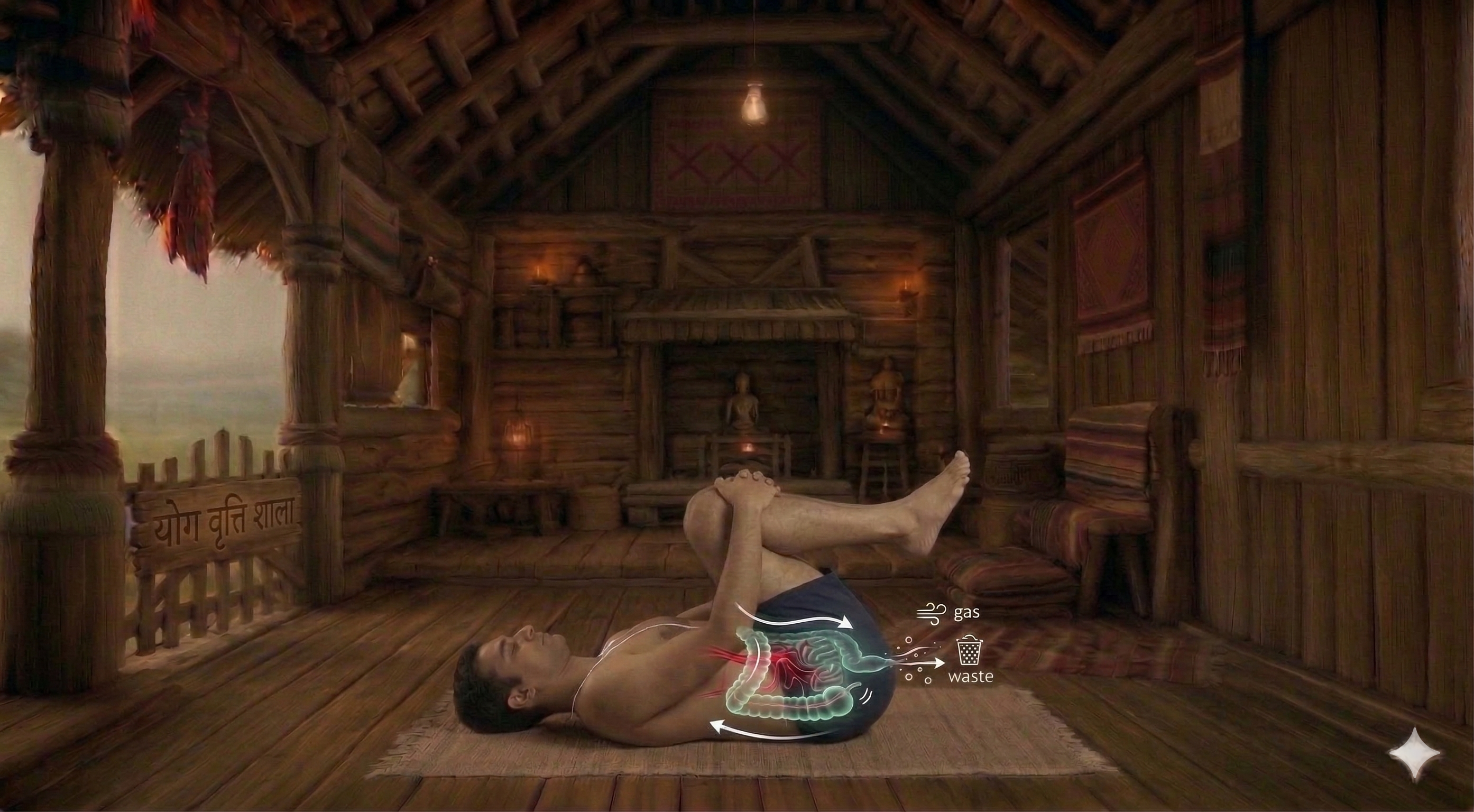
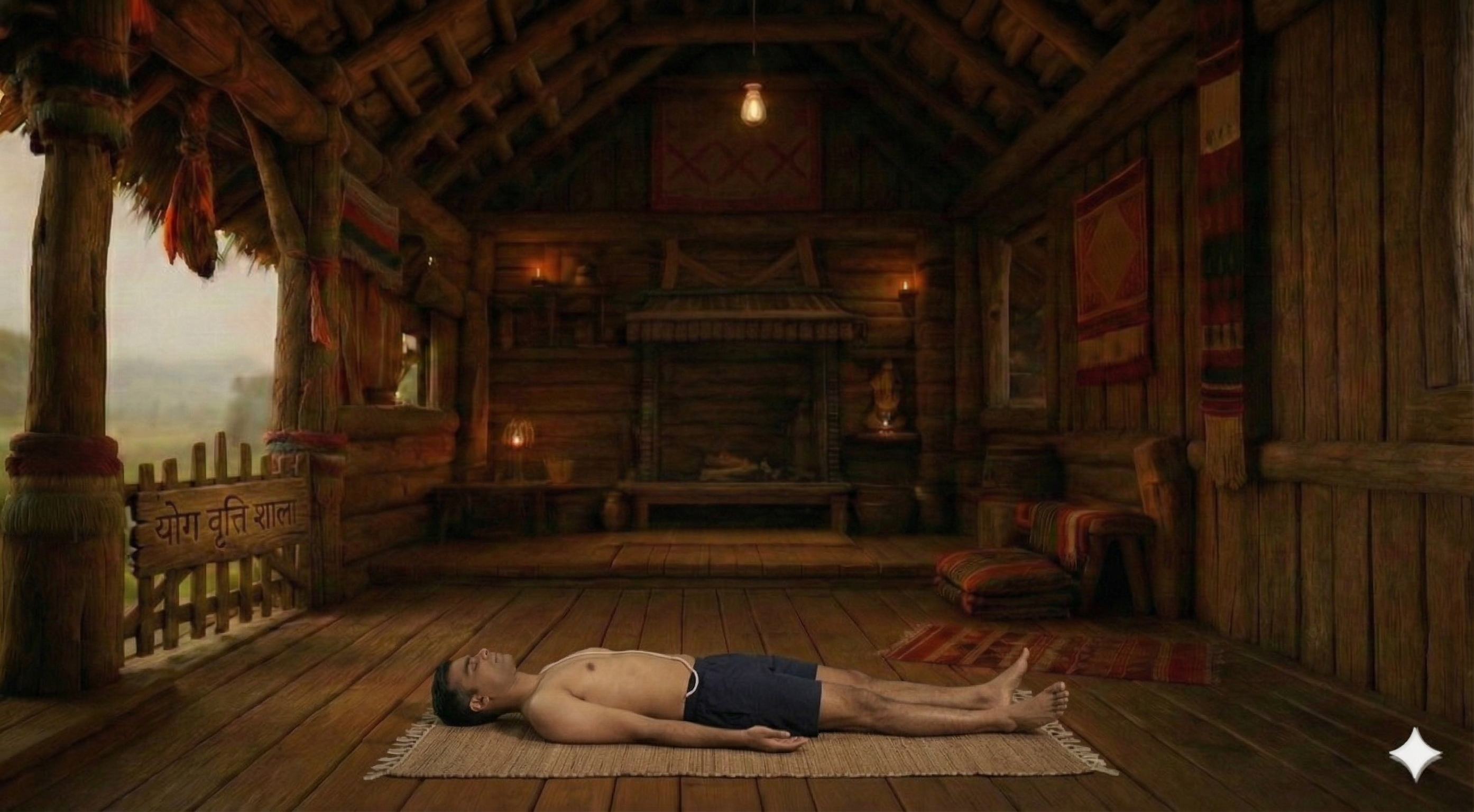
Prepare with: Supta Baddha Konasana, Supta Tadasana, Apanasana. These warm up the relevant muscles and joints.
Build Your Own Sequence
Combine Supta Baddha Konasana with Support with other poses