Variations (1)
Reclining Hand-to-Big-Toe Pose
Supta Hasta Padangusthasana · सुप्त हस्त पादांगुष्ठासन
Also known as: Supta Hasta Padangusthasana · Reclined Leg Stretch
Reclining Hand-to-Big-Toe Pose, also called Supta Hasta Padangusthasana is a classical yoga posture. Its Sanskrit name Supta Hasta Padangusthasana translates word-for-word as: Supta (Reclining) · Hasta (Hand) · Pada (Foot) · Angustha (Big Toe). In this posture, the body releases into the support of the floor, allowing gravity to assist. The posture works to lengthen the hamstrings, stretch the calves and stretch the hip flexors. No back strain (supine). Therapeutic for sciatica. It is particularly valued for easing sciatic discomfort and developing greater flexibility. Suitable for beginners and regular practitioners alike, it is a calming cool-down, particularly beneficial for beginners and seniors. A strap can be used to make the posture more accessible and support correct alignment.
Anatomy Involved
Benefits
Hamstrings(lengthening)
The long muscles running along the back of your thighs (hamstrings: semitendinosus, semimembranosus, biceps femoris) are the primary target for lengthening here. This sustained, gentle pull encourages the muscle fibers to release their grip, improving elasticity and range of motion around the hip joint. From a yogic perspective, this unwinds deep-seated tension, allowing for a freer flow of apana vayu in the pelvic region. Regular practice significantly alleviates tightness that often contributes to lower back discomfort and stiffness.
Calves(lengthening)
The muscles at the back of your lower leg (calves: gastrocnemius and soleus) also receive a significant stretch, especially if you actively flex your ankle (dorsiflexion) and spread your toes. This action extends the stretch from the Achilles tendon up through the entire posterior aspect of the leg, promoting better circulation and reducing cramping. Energetically, releasing tension in the calves helps to ground the body and cultivate a feeling of stability from the soles of the feet upwards. This deep release improves ankle mobility and can alleviate foot pain.
Hip Flexors (of the grounded leg)(releasing)
While one leg is lifted, the hip flexor muscles on the front of the hip of the grounded leg (iliopsoas, rectus femoris, etc.) are encouraged to lengthen and release against the floor. This counter-stretch helps to neutralize any anterior tilt in the pelvis, bringing balance to the hip girdle and decompressing the lower back. This release allows for a more settled and grounded feeling in the pelvis, often dissolving stored emotional tension in this area. Over time, this balance helps to alleviate chronic lower back pain caused by tight hip flexors.
- Full anatomical benefits — muscles, joints, organs →
Avoid If
Hamstring Injury
Aggressive stretching of a torn or strained hamstring can reinjure muscle fibres — the attachment near the sitting bone is especially vulnerable.
Bend the knees significantly to remove tension from the hamstrings; fold only as far as the spine stays long.
Diarrhea
Twisting and strong abdominal compression stimulate intestinal peristalsis, which can worsen diarrhoea.
Rest and allow the digestive system to recover; practise only very gentle, restorative postures.
Props That Can Help
Optional supports — use when helpful, not required
Yoga Strap
Loop a strap around the feet when the hands cannot reach — this maintains proper spinal length and prevents rounding the lower back to close the gap.
Common Mistakes to Avoid
Teaching Cues
For yoga teachers — verbal cues to guide students
6 cues
Teaching Cues
For yoga teachers — verbal cues to guide students
- 1Press the back of the head gently into the floor
- 2Keep the lower back in its natural curve
- 3Relax the shoulders away from the ears
- 4Soften the facial muscles and jaw
- 5Breathe deeply into the belly
- 6Hinge from the hips, leading with the chest
Pose Details
Helps With
Pose Type
Body Focus
Focus Areas
Best For
Yoga Styles
When to Practice
Position
Modify If You Have
hamstring injury
Keep the leg slightly bent. Use a strap.
Target Areas
Practice Flow
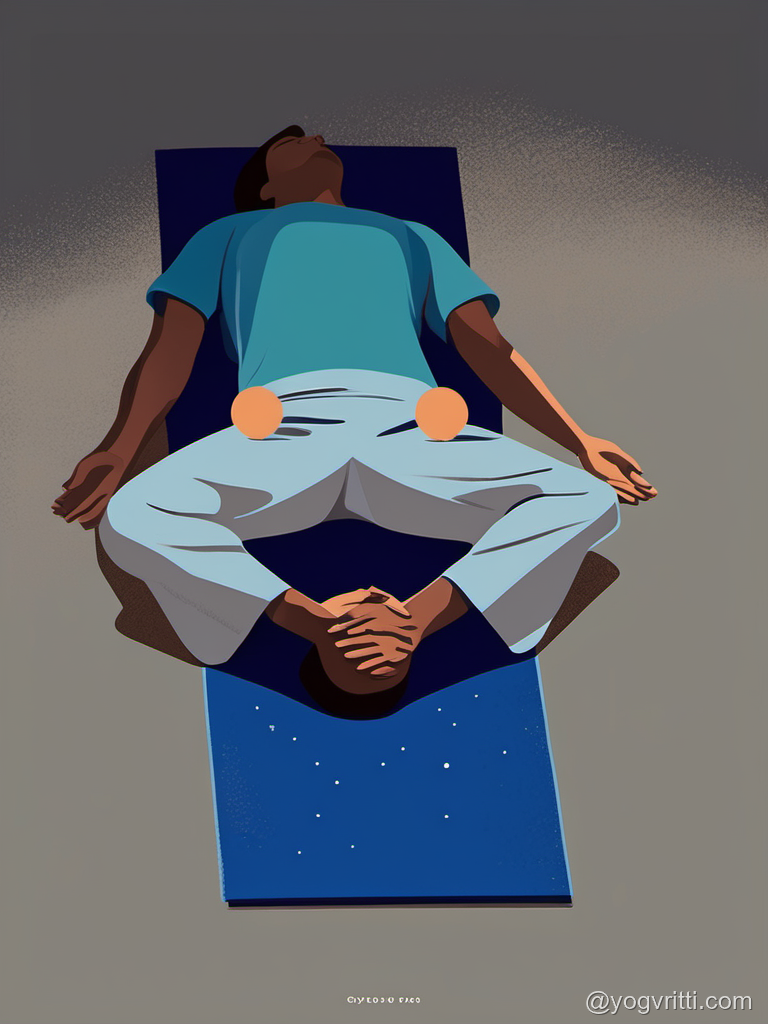
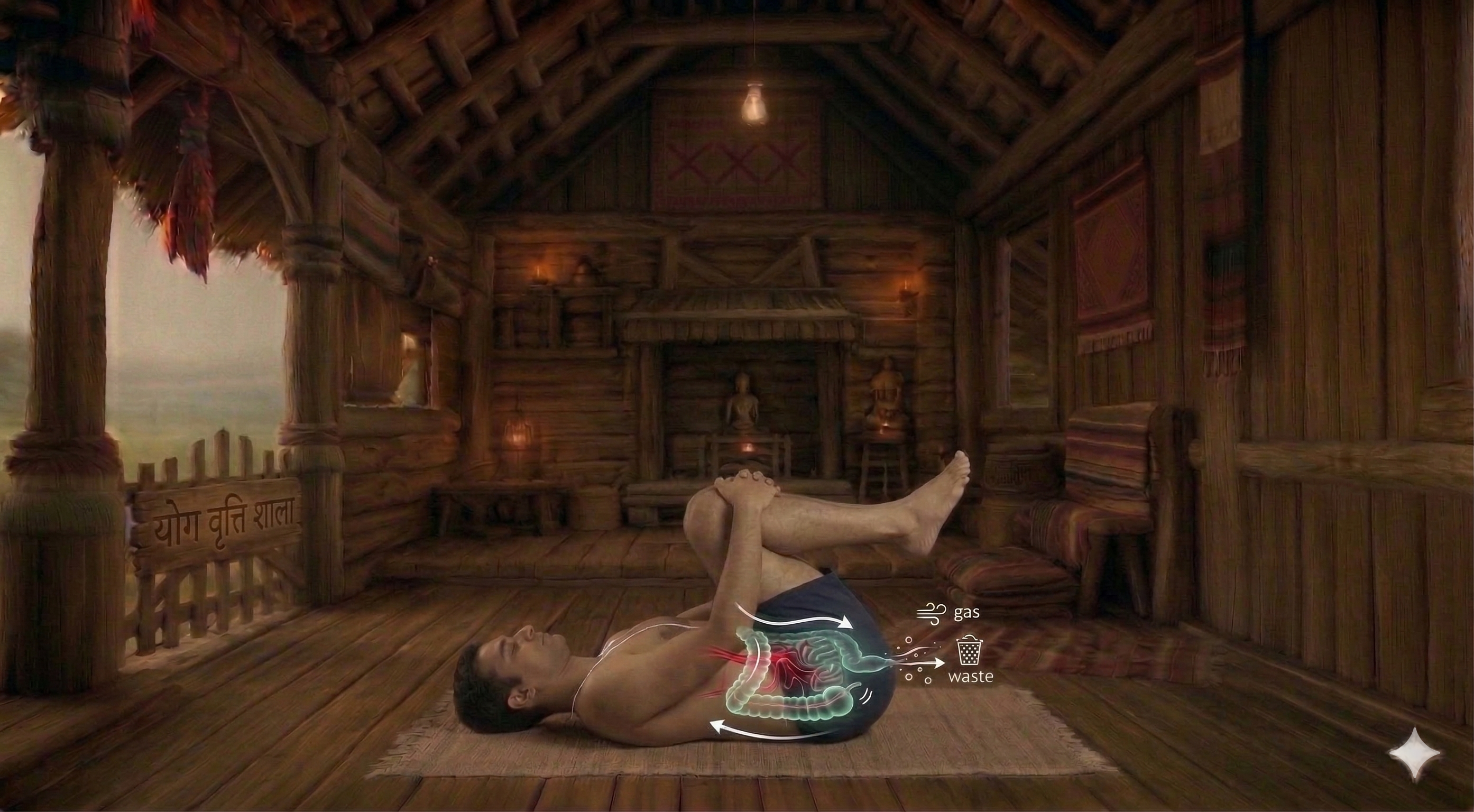

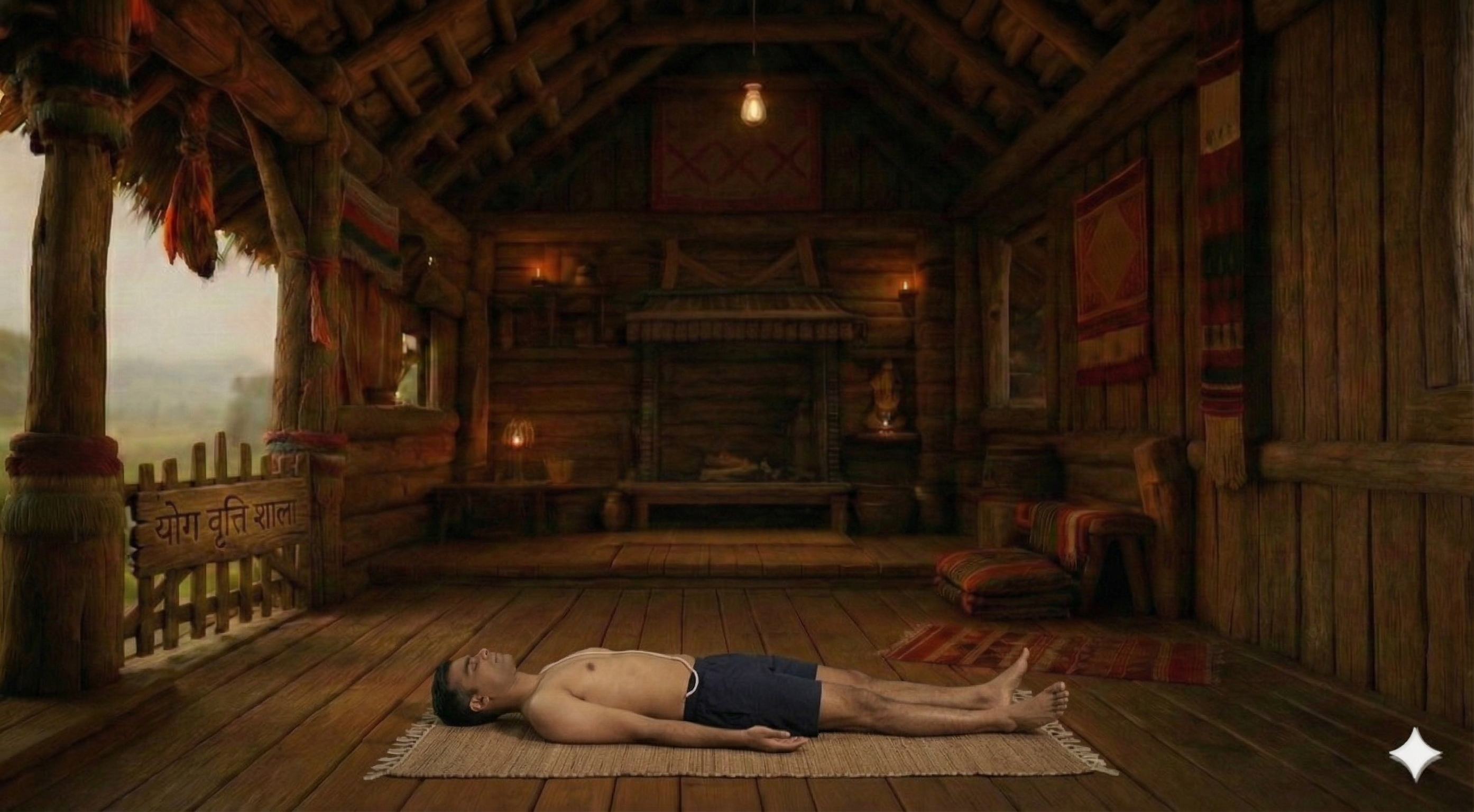
How to Practice
1. Lie on the back.
2. Left leg straight on the floor.
3. Bend right knee toward chest.
4. Hold right big toe with right hand (or use strap).
5. Slowly straighten right leg — toward ceiling.
5 more steps remaining
Register free to see the complete instructions
Register Free to ContinueAlready registered? Login
Frequently Asked Questions
Common questions about Supta Hasta Padangusthasana
What is Reclining Hand-to-Big-Toe Pose?
Reclining Hand-to-Big-Toe Pose, also called Supta Hasta Padangusthasana is a classical yoga posture. Its Sanskrit name Supta Hasta Padangusthasana translates word-for-word as: Supta (Reclining) · Hasta (Hand) · Pada (Foot) · Angustha (Big Toe). In this posture, the body releases into the support of the floor, allowing gravity to assist. The posture works to lengthen the hamstrings, stretch the calves and stretch the hip flexors. No back strain (supine). Therapeutic for sciatica. It is particularly valued for easing sciatic discomfort and developing greater flexibility. Suitable for beginners and regular practitioners alike, it is a calming cool-down, particularly beneficial for beginners and seniors. A strap can be used to make the posture more accessible and support correct alignment.
What are the benefits of Reclining Hand-to-Big-Toe Pose?
Safe hamstring stretch. No back strain (supine). Therapeutic for sciatica. Accessible for all levels. Great for runners.
Who should avoid Reclining Hand-to-Big-Toe Pose?
Avoid this pose if you have: Hamstring tears (acute), Diarrhea.
How many steps are in Reclining Hand-to-Big-Toe Pose?
Reclining Hand-to-Big-Toe Pose is practiced in 10 steps. Lie on the back.
Is Reclining Hand-to-Big-Toe Pose suitable for beginners?
Yes, Reclining Hand-to-Big-Toe Pose is a beginner-friendly pose suitable for all levels.
What props are needed for Reclining Hand-to-Big-Toe Pose?
You may use: strap. Props make the pose more accessible and comfortable.
What conditions does Reclining Hand-to-Big-Toe Pose help with?
Reclining Hand-to-Big-Toe Pose is therapeutic for: sciatica, flexibility, back pain, hamstring injury.
What poses should I do before Reclining Hand-to-Big-Toe Pose?
Prepare with: Supta Tadasana, Apanasana. These warm up the relevant muscles and joints.
Build Your Own Sequence
Combine Supta Hasta Padangusthasana with other poses