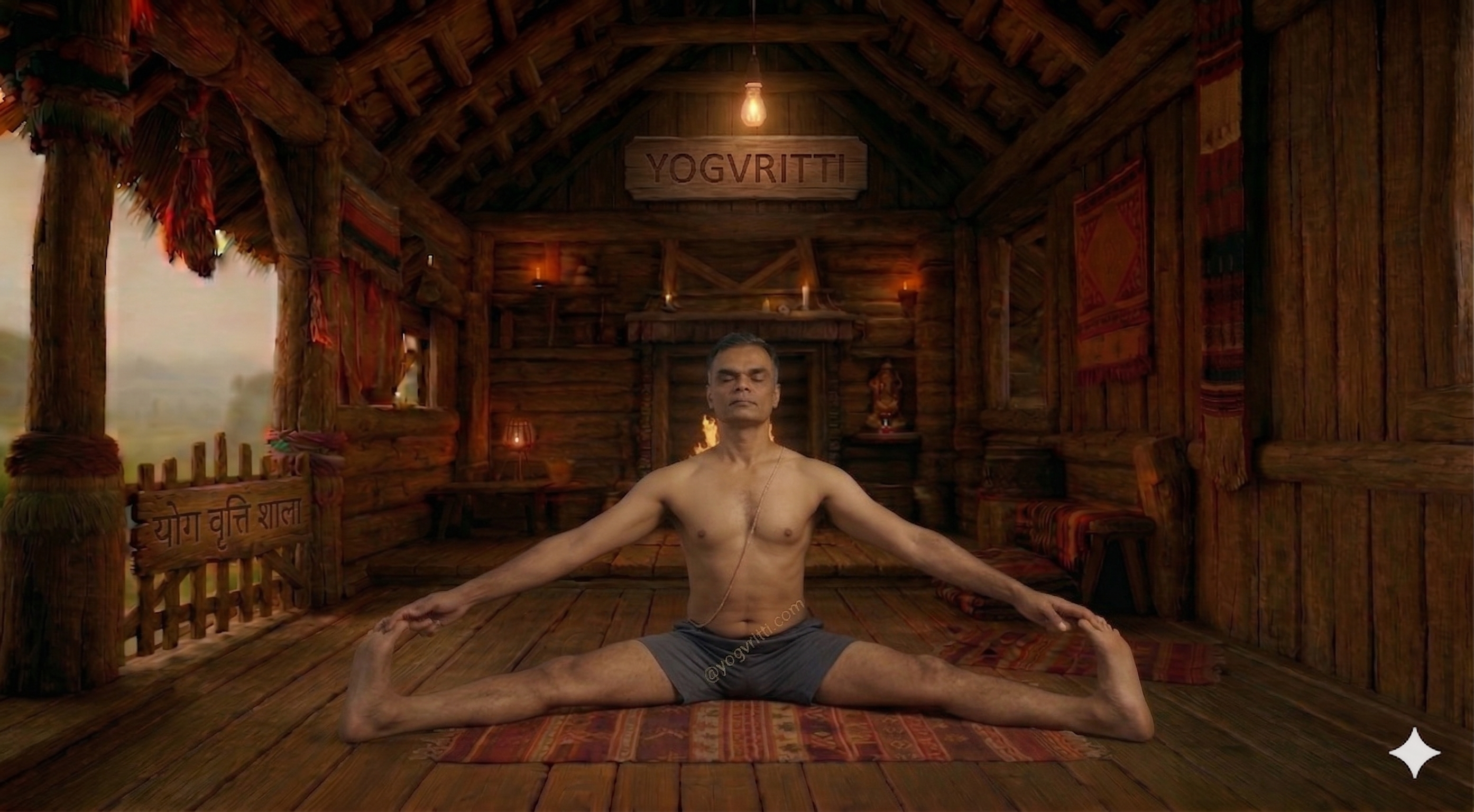
Full Supine Angle Pose
Supta Konasana · सुप्त कोणासन
Also known as: Full Reclined Wide-Angle
Full Supine Angle Pose, also called Full Reclined Wide-Angle is a classical yoga posture. Its Sanskrit name Supta Konasana translates word-for-word as: Supta (Reclining / Sleeping) · Konasana (Konasana) · Asana (Pose). In this posture, the body releases into the support of the floor, allowing gravity to assist. The posture works to lengthen the hamstrings and lengthen the spine. Spinal extension in inversion. Calming. It is particularly valued for developing greater flexibility and supporting restful sleep. Suitable for intermediate practitioners with foundational yoga experience, it is a calming cool-down. A blanket can be used to make the posture more accessible and support correct alignment. Practitioners with neck pain and hypertension should approach with care or consult a qualified teacher.
Anatomy Involved
Benefits
Hamstrings(lengthening | eccentric-loading)
While still deeply lengthening, the hamstrings in this inverted variation experience an intensified stretch due to the increased hip flexion and the pull of gravity on the legs from an overhead position. They also engage in eccentric loading to control the careful descent of the legs towards the floor behind the head, ensuring a stable and safe placement. This dual action cultivates both profound release and intelligent muscular engagement.
Hip Adductors(lengthening)
The adductors are subjected to an even greater stretch in this inverted wide-legged position compared to the supine root pose. With the pelvis lifted high and the legs extending overhead, gravity assists in drawing the inner thighs apart, creating a deeper opening in the groin and inner hip region. This intensifies the release, fostering greater flexibility and spaciousness in the pelvic floor.
Quadriceps(stabilizing)
In this inverted posture, the quadriceps' primary role shifts from actively releasing the hamstrings through reciprocal inhibition to more of a stabilizing function for the knee joint. While they remain subtly engaged to maintain integrity, their active contribution to *deepening* the hamstring stretch is less pronounced than in the supine version, as the leg position itself provides ample gravitational pull.
- Full anatomical benefits — muscles, joints, organs →
Avoid If
Neck Injury / Cervical Issues
Looking up, bearing head weight, or unsupported neck rotation can compress cervical vertebrae and irritate nerves.
Avoid all weight-bearing on the head and neck; practise supported Setu Bandha or legs-up-the-wall instead.
Shoulder Injury
Overhead loading and extreme shoulder rotation can impinge the subacromial space and overload rotator cuff tendons.
Avoid weight-bearing inversions entirely; practise supported Setu Bandha or Viparita Karani as an alternative.
High Blood Pressure
Vigorous effort and inverted positions temporarily raise blood pressure in the head, increasing strain on blood vessels.
Avoid this inversion entirely or keep the head above heart level at all times; never hold the breath.
Props That Can Help
Optional supports — use when helpful, not required
Folded Blanket
Stack two to three firm blankets under the shoulders in Shoulderstand to protect the cervical spine — this is not optional but essential for safety.
Common Mistakes to Avoid
Teaching Cues
For yoga teachers — verbal cues to guide students
6 cues
Teaching Cues
For yoga teachers — verbal cues to guide students
- 1Press the back of the head gently into the floor
- 2Keep the lower back in its natural curve
- 3Relax the shoulders away from the ears
- 4Soften the facial muscles and jaw
- 5Breathe deeply into the belly
- 6Hinge from the hips, leading with the chest
Pose Details
Helps With
Pose Type
Body Focus
Focus Areas
Yoga Styles
When to Practice
Position
Modify If You Have
neck pain
Place blankets under shoulders.
Target Areas
Practice Flow
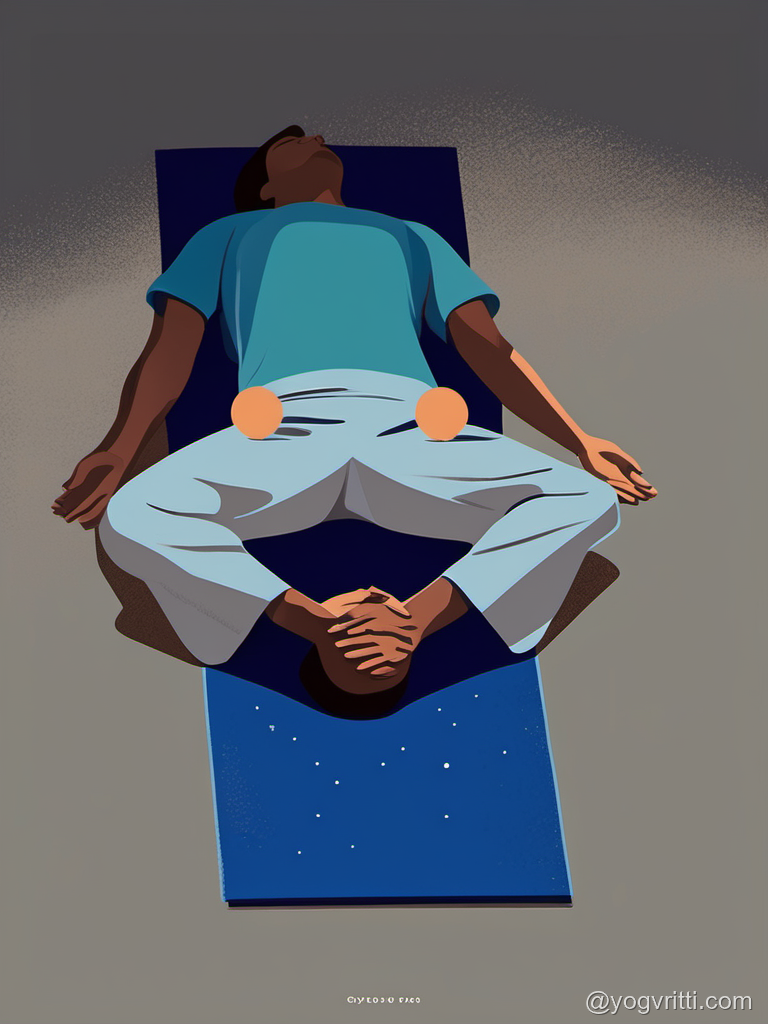
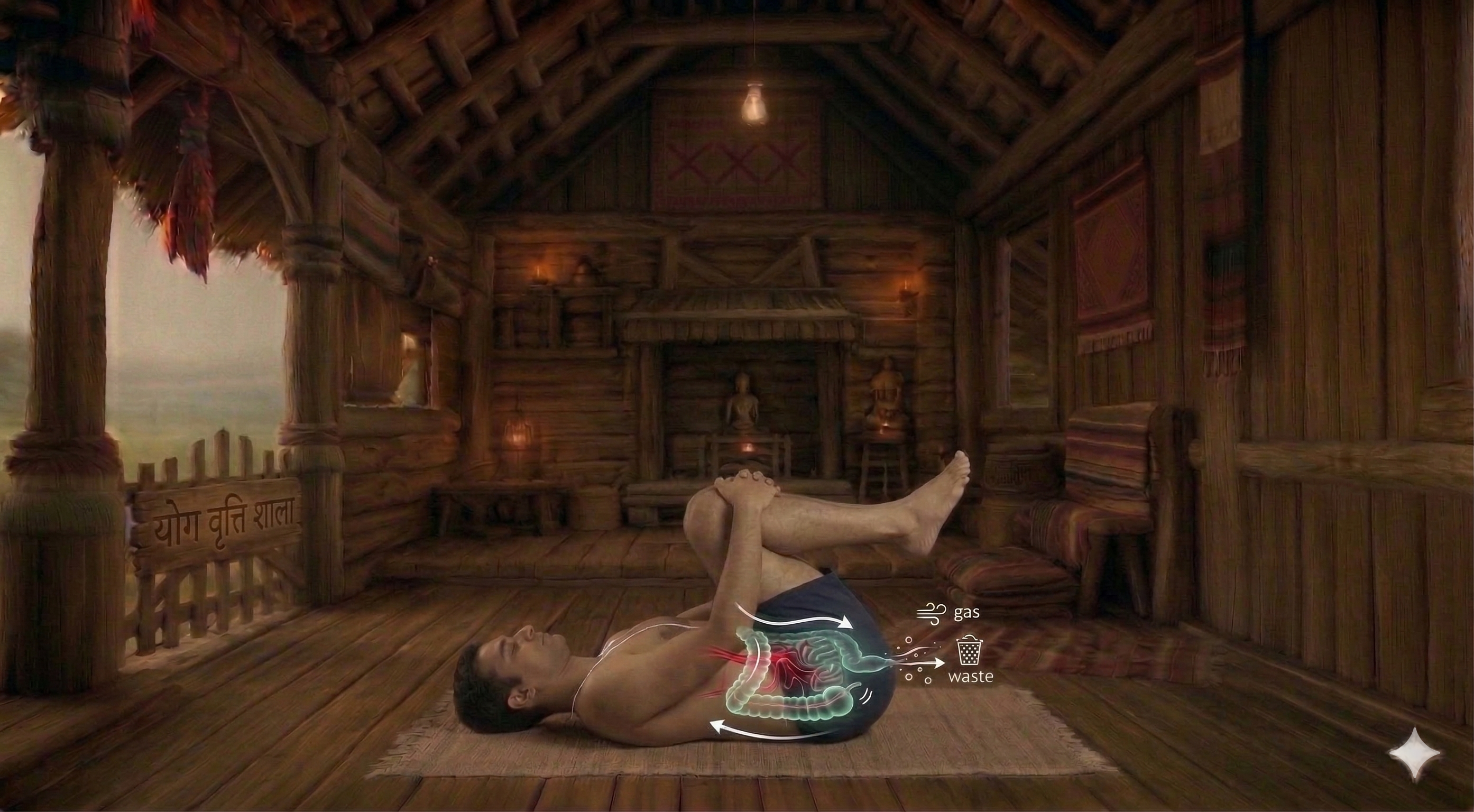
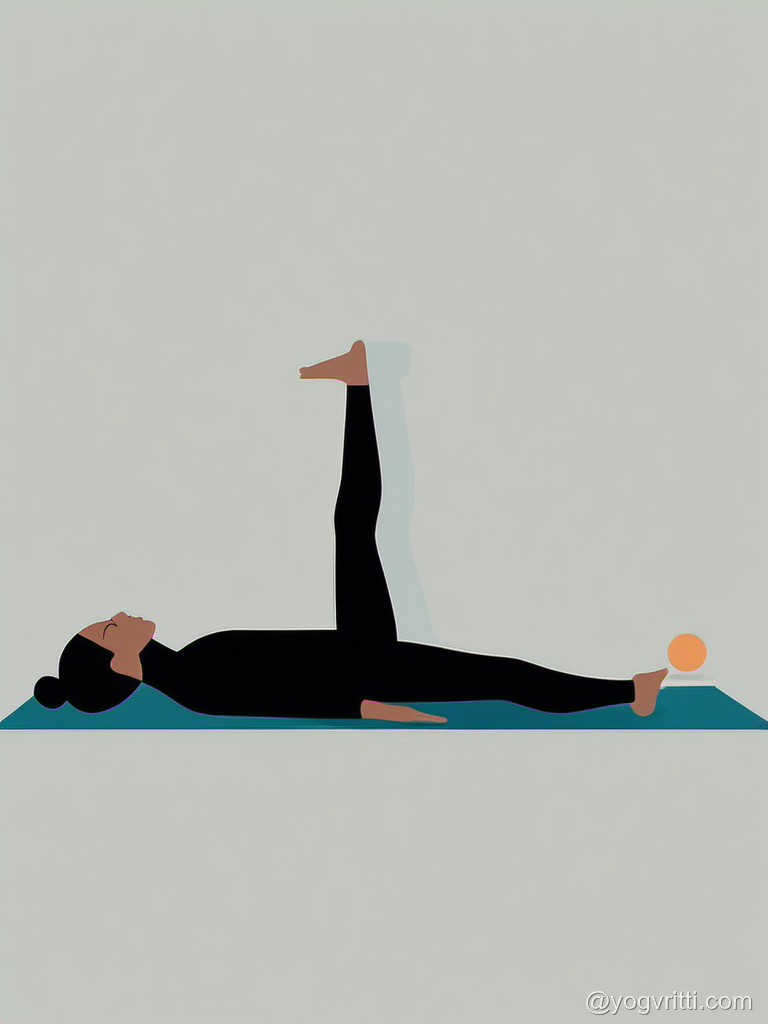

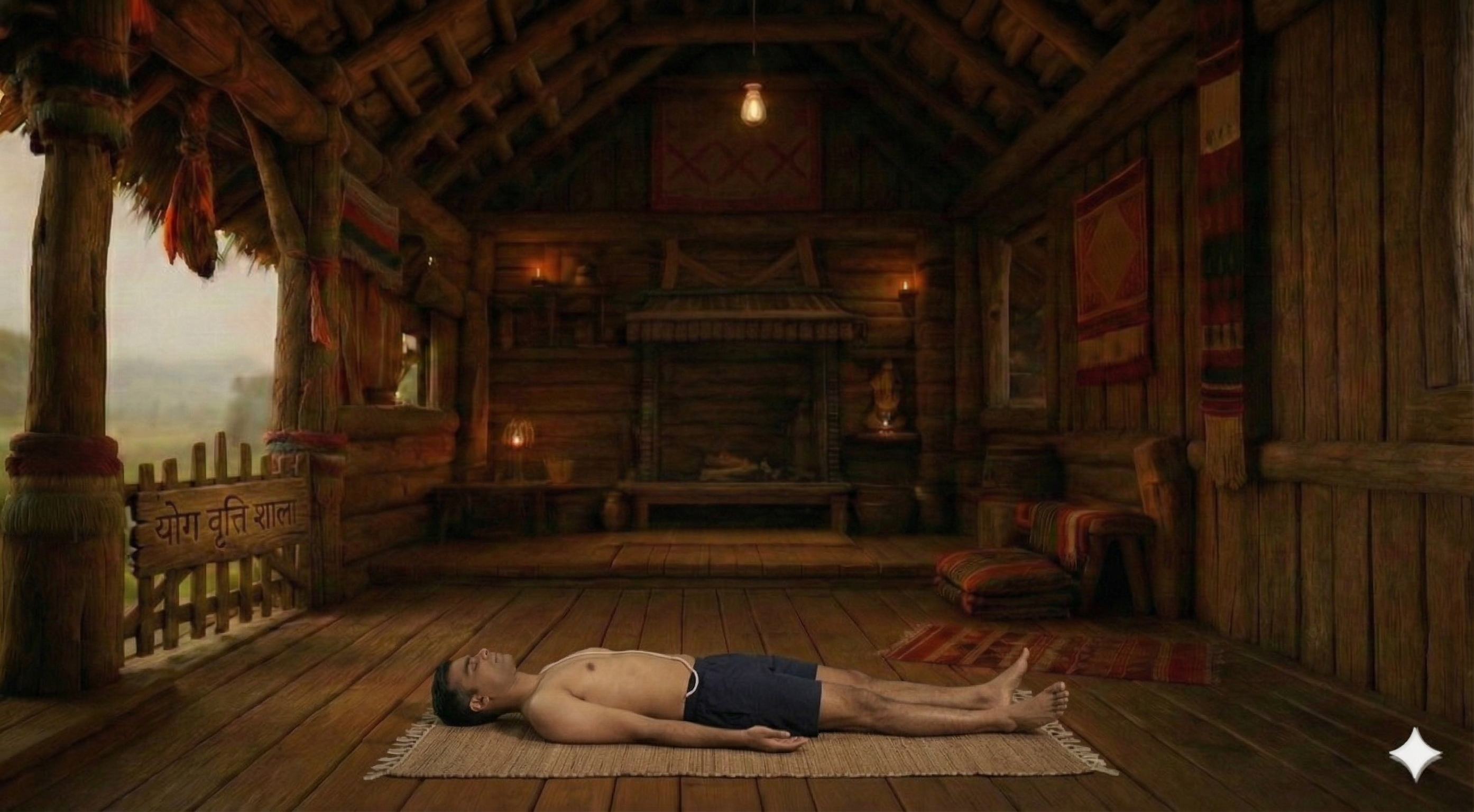
How to Practice
1. Start from Sarvangasana.
2. Legs straight up.
3. Exhale, lower legs behind the head (Halasana).
4. Spread legs wide — V shape.
5. Hold big toes with the hands.
5 more steps remaining
Register free to see the complete instructions
Register Free to ContinueAlready registered? Login
Frequently Asked Questions
Common questions about Supta Konasana
What is Full Supine Angle Pose?
Full Supine Angle Pose, also called Full Reclined Wide-Angle is a classical yoga posture. Its Sanskrit name Supta Konasana translates word-for-word as: Supta (Reclining / Sleeping) · Konasana (Konasana) · Asana (Pose). In this posture, the body releases into the support of the floor, allowing gravity to assist. The posture works to lengthen the hamstrings and lengthen the spine. Spinal extension in inversion. Calming. It is particularly valued for developing greater flexibility and supporting restful sleep. Suitable for intermediate practitioners with foundational yoga experience, it is a calming cool-down. A blanket can be used to make the posture more accessible and support correct alignment. Practitioners with neck pain and hypertension should approach with care or consult a qualified teacher.
What are the benefits of Full Supine Angle Pose?
Stretches hamstrings and adductors deeply. Spinal extension in inversion. Calming.
Who should avoid Full Supine Angle Pose?
Avoid this pose if you have: Neck injuries, Shoulder injuries, High blood pressure.
How many steps are in Full Supine Angle Pose?
Full Supine Angle Pose is practiced in 10 steps. Start from Sarvangasana.
Is Full Supine Angle Pose suitable for beginners?
Full Supine Angle Pose is an intermediate-level pose. Beginners should practice with props or under guidance.
What props are needed for Full Supine Angle Pose?
You may use: blanket. Props make the pose more accessible and comfortable.
What conditions does Full Supine Angle Pose help with?
Full Supine Angle Pose is therapeutic for: flexibility, insomnia.
What poses should I do before Full Supine Angle Pose?
Prepare with: Supta Konasana, Supta Tadasana, Apanasana, Supta Padangusthasana I. These warm up the relevant muscles and joints.
Build Your Own Sequence
Combine Supta Konasana with other poses