Thunderbolt Twist with Arms
Vajrasana Twist with Arms · वज्रासन परिवर्तन
Also known as: Kneeling Spinal Twist Arms
Thunderbolt Twist with Arms, also called Kneeling Spinal Twist Arms is a classical yoga posture. Its Sanskrit name Vajrasana Twist with Arms translates word-for-word as: Vajra (Thunderbolt / Diamond) · Asana (Pose). Beginning from a kneeling position, the practitioner aligns the body with precision and intentional breath. The posture works to engage the obliques. Aids digestion. Very accessible. It is particularly valued for alleviating back discomfort. Suitable for beginners and regular practitioners alike, it is a calming cool-down, particularly beneficial for beginners and seniors. Practitioners with spinal injury should approach with care or consult a qualified teacher.
Anatomy Involved
Benefits
Quadriceps(lengthening)
The large muscles on the front of your thighs (quadriceps) experience a sustained, gentle stretch as you settle your hips towards your heels. This action helps to release chronic tension often stored from prolonged sitting, improving flexibility in the anterior thigh and hip flexors. From a yogic perspective, this release can feel like an unraveling of 'holding' in the lower body, promoting a sense of surrender and ease. Regular practice progressively lengthens these muscles, enhancing the overall mobility of the hip and knee joints.
Anterior Tibialis(lengthening)
The muscle running along the front of your shin (tibialis anterior) is gently lengthened as your ankles move into deep plantarflexion. This stretch helps maintain flexibility in the ankle joint and can relieve stiffness and tightness often felt in the shins. This release enhances circulation in the lower legs and feet, contributing to a feeling of lightness and openness in these often-neglected areas. It also helps to prevent discomfort during longer periods of kneeling or sitting.
External Oblique(activating)
This superficial abdominal muscle is a primary mover in rotating the trunk to the *opposite* side. In Vajrasana Parivartan, it actively contracts to draw the rib cage and shoulders into the twist, facilitating a deep yet controlled rotation. Engaging this muscle helps to wring out stagnant energy from the abdominal region, promoting detoxification and invigorating the digestive system.
- Full anatomical benefits — muscles, joints, organs →
Avoid If
Back Injury / Back Pain
Spinal flexion, extension, or rotation under load can compress vertebral discs or strain the paraspinal muscles.
Initiate the twist from the upper spine and ribs rather than forcing from the waist; keep both sitting bones grounded.
Common Mistakes to Avoid
Teaching Cues
For yoga teachers — verbal cues to guide students
5 cues
Teaching Cues
For yoga teachers — verbal cues to guide students
- 1Place padding under the knees if needed for comfort
- 2Align the hips directly above or behind the knees
- 3Keep the spine long and the chest lifted
- 4Press the tops of the feet or toes firmly into the floor
- 5Engage the core to support the lower back
Pose Details
Helps With
Pose Type
Body Focus
Focus Areas
Best For
Yoga Styles
When to Practice
Position
Target Areas
Practice Flow
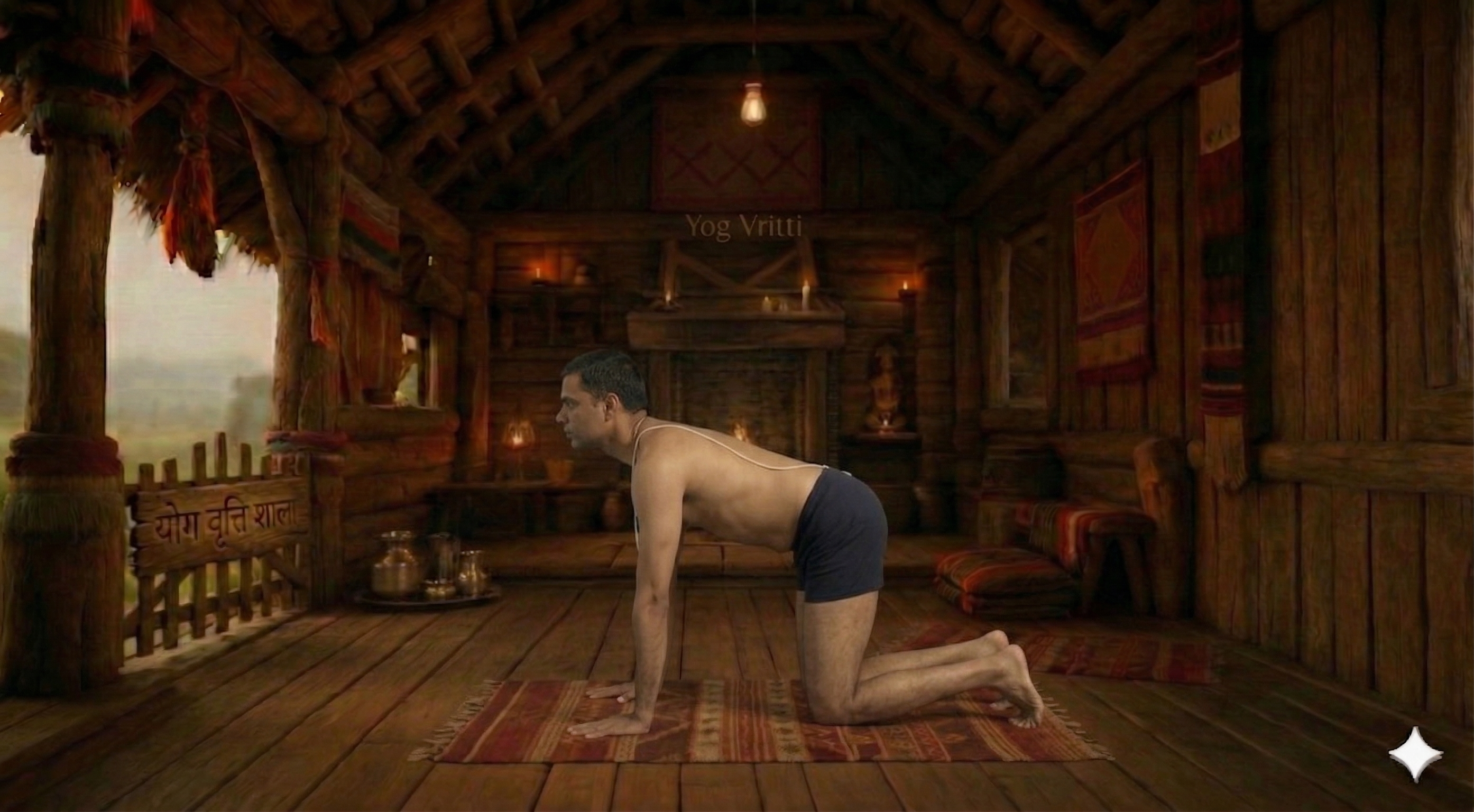
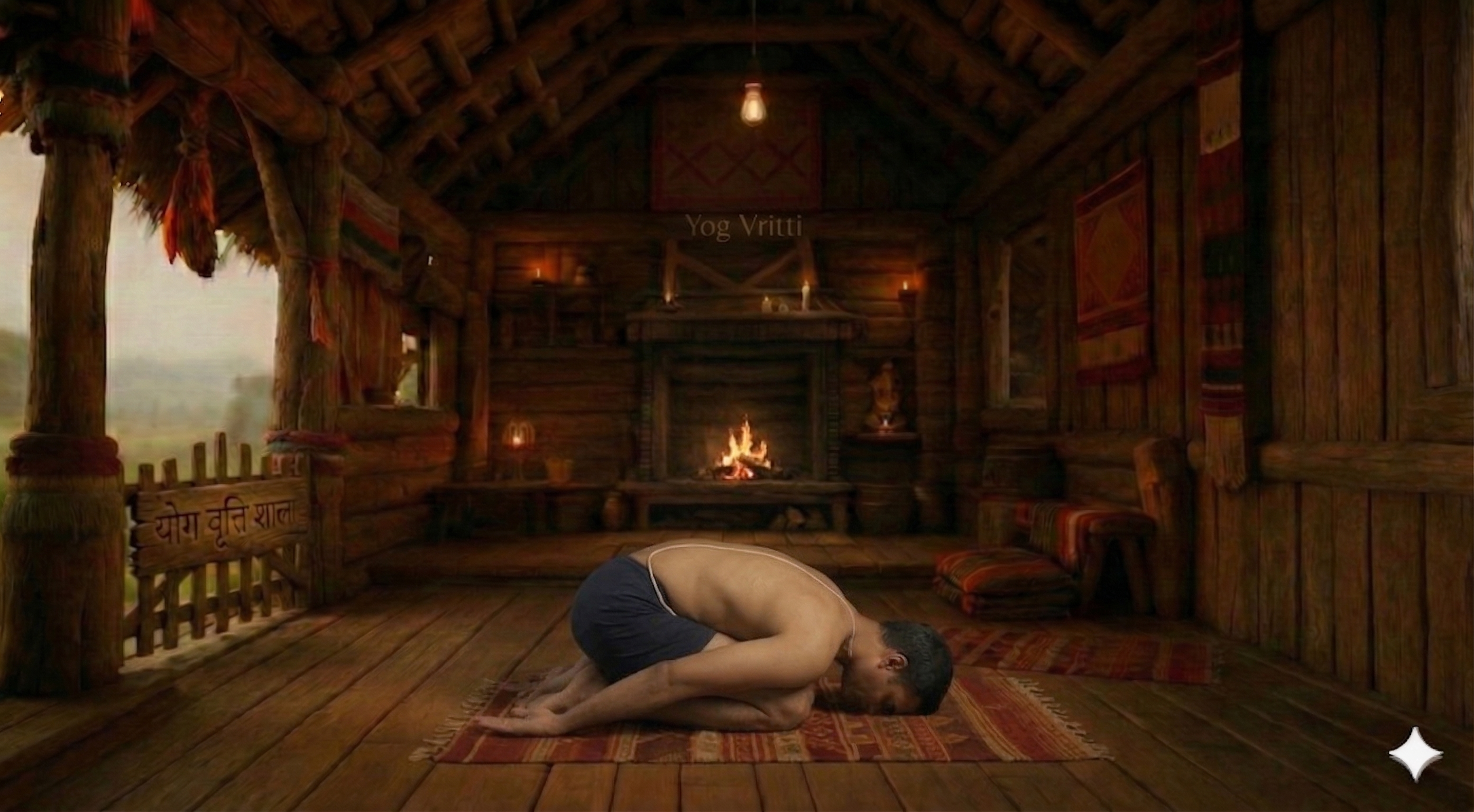
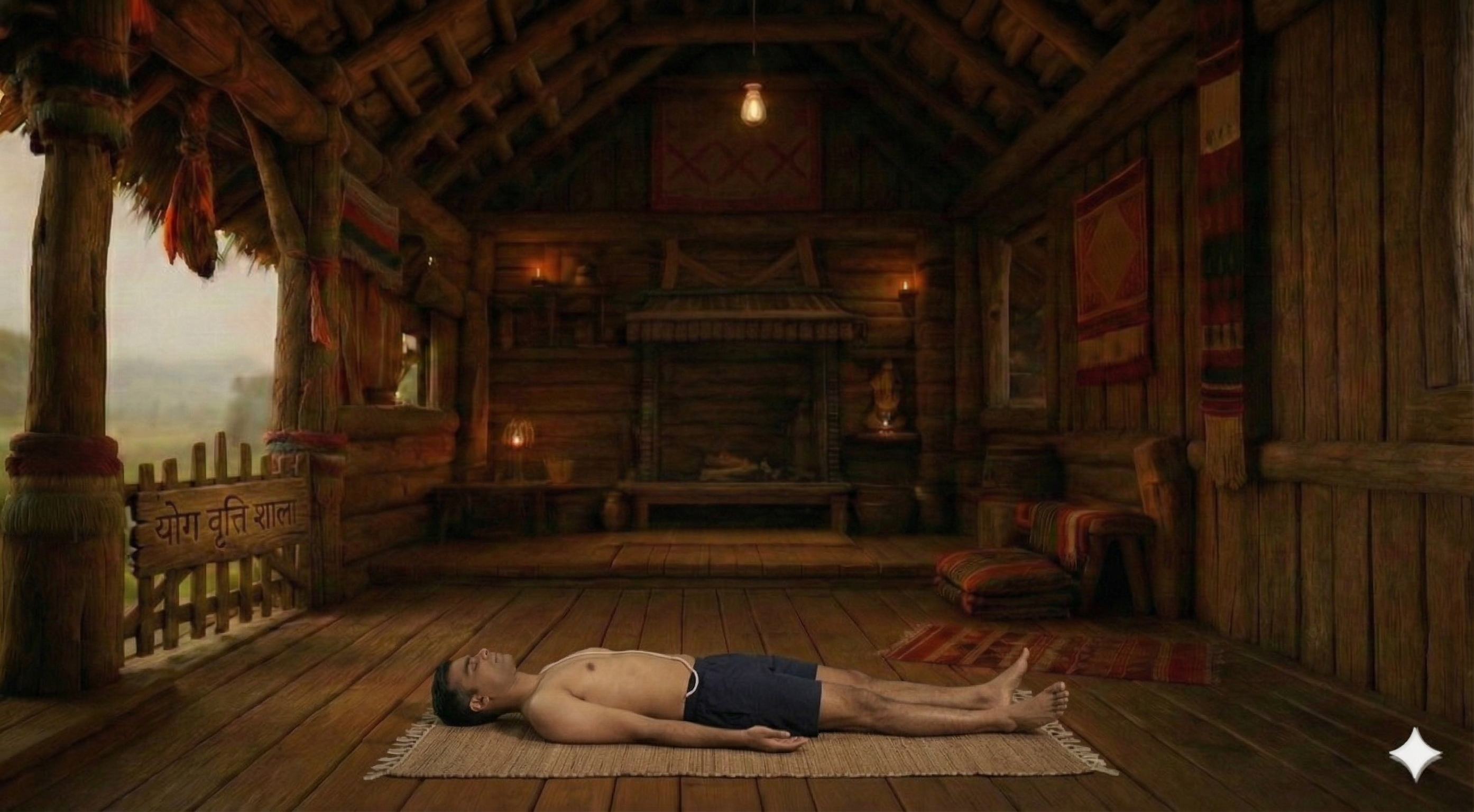
How to Practice
1. Sit in Vajrasana.
2. Spine straight, hands on knees.
3. Inhale, lengthen.
4. Exhale, twist to the right.
5. Left hand on right knee, right hand behind.
5 more steps remaining
Register free to see the complete instructions
Register Free to ContinueAlready registered? Login
Frequently Asked Questions
Common questions about Vajrasana Twist with Arms
What is Thunderbolt Twist with Arms?
Thunderbolt Twist with Arms, also called Kneeling Spinal Twist Arms is a classical yoga posture. Its Sanskrit name Vajrasana Twist with Arms translates word-for-word as: Vajra (Thunderbolt / Diamond) · Asana (Pose). Beginning from a kneeling position, the practitioner aligns the body with precision and intentional breath. The posture works to engage the obliques. Aids digestion. Very accessible. It is particularly valued for alleviating back discomfort. Suitable for beginners and regular practitioners alike, it is a calming cool-down, particularly beneficial for beginners and seniors. Practitioners with spinal injury should approach with care or consult a qualified teacher.
What are the benefits of Thunderbolt Twist with Arms?
Gentle spinal twist. Aids digestion. Very accessible. Good after meals.
Who should avoid Thunderbolt Twist with Arms?
Avoid this pose if you have: Severe spinal injuries.
How many steps are in Thunderbolt Twist with Arms?
Thunderbolt Twist with Arms is practiced in 10 steps. Sit in Vajrasana.
Is Thunderbolt Twist with Arms suitable for beginners?
Yes, Thunderbolt Twist with Arms is a beginner-friendly pose suitable for all levels.
What conditions does Thunderbolt Twist with Arms help with?
Thunderbolt Twist with Arms is therapeutic for: digestive problems, back pain.
What poses should I do before Thunderbolt Twist with Arms?
Prepare with: Vajrasana, Bharmanasana (Table top pose), Adho Mukha Virasana (Child's Pose). These warm up the relevant muscles and joints.
Build Your Own Sequence
Combine Vajrasana Twist with Arms with other poses