Thunderbolt Twist Pose
Vajrasana Twist · वज्रासन परिवृत्ति
Also known as: Kneeling Twist · Vajrasana Twist
Thunderbolt Twist Pose, also called Kneeling Twist is a classical yoga posture. Its Sanskrit name Vajrasana Twist translates word-for-word as: Vajra (Thunderbolt / Diamond) · Asana (Pose). Beginning from a kneeling position, the practitioner rotates the spine, creating space between each vertebra. The posture works to engage the core, engage the obliques and open and strengthen the shoulders. Stimulates abdominal organs. Relieves back pain and stiffness. Suitable for intermediate practitioners with foundational yoga experience, it is an excellent warm-up, particularly beneficial for beginners. Practitioners with pregnancy and digestive problems should approach with care or consult a qualified teacher.
Anatomy Involved
Benefits
Quadriceps(stabilizing)
While the primary action of the quadriceps in Vajrasana is gentle lengthening, in Vajrasana Twist, their role shifts to emphasize steadfast stabilization of the knee joint. They work subtly to maintain the integrity of the lower body foundation, preventing any undue movement or strain as the torso rotates above. This unwavering engagement ensures that the twist originates from a stable base, protecting the knees and providing a firm anchor for the spinal rotation.
Anterior Tibialis(stabilizing)
The anterior tibialis muscles, responsible for dorsiflexion and supporting the ankle's position in Vajrasana, maintain their engagement as crucial stabilizers in the twist. Their continuous activation helps to secure the foot and ankle against the floor, grounding the lower legs firmly. This subtle yet vital stabilizing action contributes to the overall steadiness of the pose, allowing the spine to twist freely and safely without compromising the delicate ankle joints.
External Oblique(activating | strengthening)
These powerful superficial abdominal muscles are primary movers in spinal rotation, working synergistically with the internal obliques of the opposite side. In Vajrasana Twist, the external oblique on the side opposite the twist contracts to draw the rib cage and torso around, initiating and deepening the rotation. This engagement cultivates core strength and aids in detoxifying the abdominal organs through a gentle squeezing action.
- Full anatomical benefits — muscles, joints, organs →
Avoid If
Back Injury / Back Pain
Spinal flexion, extension, or rotation under load can compress vertebral discs or strain the paraspinal muscles.
Initiate the twist from the upper spine and ribs rather than forcing from the waist; keep both sitting bones grounded.
Knee Injury
Deep flexion or rotation at the knee can strain ligaments, meniscus, or cartilage, especially in a compromised joint.
Never push into pain; use a folded blanket under or between the knees and reduce the depth of the bend.
Pregnancy
Deep twists, abdominal compression, and lying flat on the back can restrict blood flow or cause discomfort as pregnancy progresses.
Twist from the upper thoracic spine only, opening the chest rather than compressing the abdomen; use a chair for support.
Diarrhea
Twisting and strong abdominal compression stimulate intestinal peristalsis, which can worsen diarrhoea.
Rest and allow the digestive system to recover; practise only very gentle, restorative postures.
Common Mistakes to Avoid
Teaching Cues
For yoga teachers — verbal cues to guide students
5 cues
Teaching Cues
For yoga teachers — verbal cues to guide students
- 1Lengthen the spine on the inhalation, deepen the twist on the exhalation
- 2Initiate the rotation from the navel, then the chest, finally the head
- 3Keep both sitting bones grounded equally
- 4Maintain the length of the spine — do not collapse into the twist
- 5Use the breath to create space for the rotation
Pose Details
Pose Type
Body Focus
Focus Areas
Best For
Yoga Styles
When to Practice
Position
Target Areas
Practice Flow
How to Practice
1. Begin in Vajrasana (Thunderbolt Pose), ensuring your spine is erect.
2. Inhale deeply and extend both arms to shoulder height, palms facing down.
3. Exhale and twist your torso to the right, initiating the movement from the navel.
4. Place your left hand on your right knee and your right hand behind you on the floor for support, keeping the spine straight.
5. Maintain a long spine, actively lifting through the crown of your head, and relax your shoulders away from your ears.
7 more steps remaining
Register free to see the complete instructions
Register Free to ContinueAlready registered? Login
Frequently Asked Questions
Common questions about Vajrasana Twist
What is Thunderbolt Twist Pose?
Thunderbolt Twist Pose, also called Kneeling Twist is a classical yoga posture. Its Sanskrit name Vajrasana Twist translates word-for-word as: Vajra (Thunderbolt / Diamond) · Asana (Pose). Beginning from a kneeling position, the practitioner rotates the spine, creating space between each vertebra. The posture works to engage the core, engage the obliques and open and strengthen the shoulders. Stimulates abdominal organs. Relieves back pain and stiffness. Suitable for intermediate practitioners with foundational yoga experience, it is an excellent warm-up, particularly beneficial for beginners. Practitioners with pregnancy and digestive problems should approach with care or consult a qualified teacher.
What are the benefits of Thunderbolt Twist Pose?
Improves spinal mobility and flexibility. Stimulates abdominal organs. Relieves back pain and stiffness. Promotes relaxation. Strengthens core muscles. Improves digestion.
Who should avoid Thunderbolt Twist Pose?
Avoid this pose if you have: Severe back pain or injury, Knee problems, Pregnancy (consult a doctor), Diarrhea.
How many steps are in Thunderbolt Twist Pose?
Thunderbolt Twist Pose is practiced in 12 steps. Begin in Vajrasana (Thunderbolt Pose), ensuring your spine is erect.
Is Thunderbolt Twist Pose suitable for beginners?
Thunderbolt Twist Pose is an intermediate-level pose. Beginners should practice with props or under guidance.
What poses should I do before Thunderbolt Twist Pose?
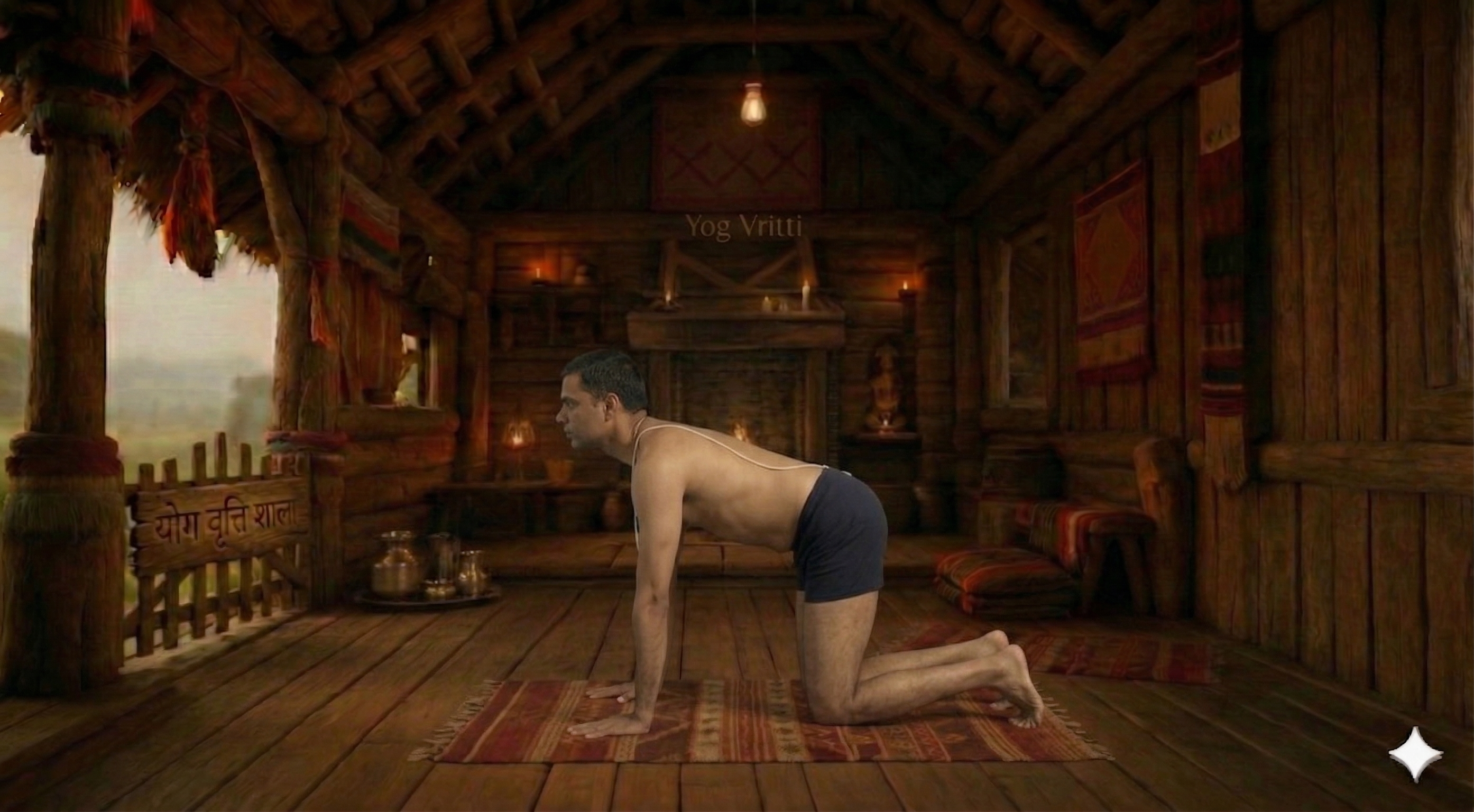
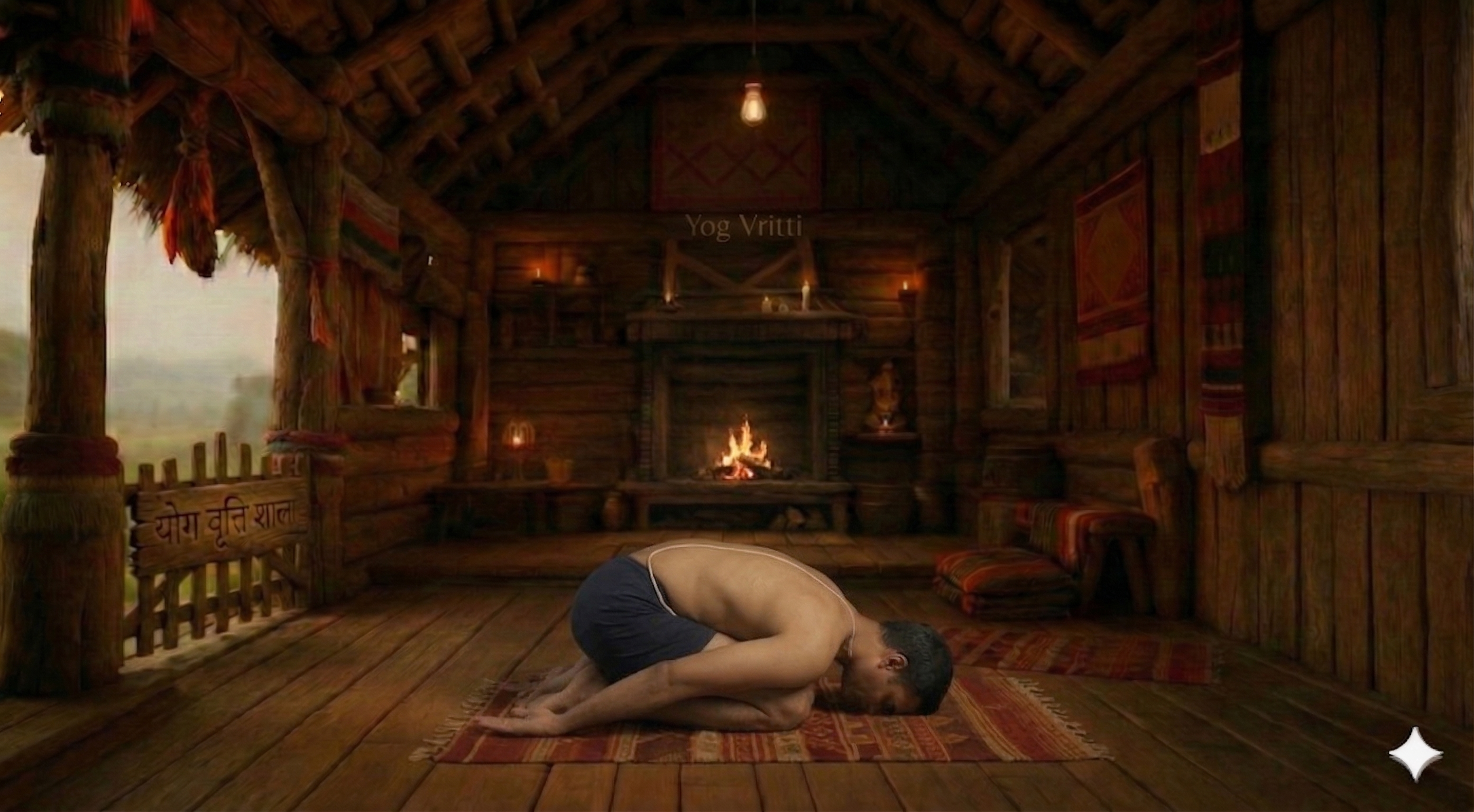
Prepare with: Vajrasana, Bharmanasana (Table top pose), Adho Mukha Virasana (Child's Pose). These warm up the relevant muscles and joints.
Build Your Own Sequence
Combine Vajrasana Twist with other poses