With Props (1)
Supported Hero Pose
Virasana (supported) · वीरासन (संस्थित)
Also known as: Block-Supported Virasana
Supported Hero Pose, also called Block-Supported Virasana is a classical yoga posture. Its Sanskrit name Virasana (supported) translates word-for-word as: Vira (Hero) · Asana (Pose). Beginning from a kneeling position, the practitioner aligns the body with precision and intentional breath. The posture works to strengthen the quadriceps, stretch the hip flexors and stabilise the ankles. Improves posture. Relieves tired legs. Suitable for beginners and regular practitioners alike, it is an excellent warm-up, particularly beneficial for beginners and seniors. A blanket and block can be used to make the posture more accessible and support correct alignment. Practitioners with pregnancy and ankle injury should approach with care or consult a qualified teacher.
Anatomy Involved
Benefits
- Stretches the thighs, knees, and ankles
- Improves posture
- Relieves tired legs
- Calms the mind
- Strengthens the arches of the feet
- Full anatomical benefits — muscles, joints, organs →
Avoid If
Knee Injury
Deep flexion or rotation at the knee can strain ligaments, meniscus, or cartilage, especially in a compromised joint.
Place a thick folded blanket between the calf and thigh, or sit on a bolster/block to limit the depth of knee flexion.
Ankle Injury
Unstable or injured ankle joints can be overstressed by weight-bearing, extreme dorsiflexion, or plantar flexion.
Place a rolled blanket under the ankle to reduce plantar flexion pressure; reduce body weight on the foot.
Props That Can Help
Optional supports — use when helpful, not required
Folded Blanket
Place a folded blanket under the knees or shins to cushion the joint and reduce pressure from the hard floor during kneeling postures.
Yoga Block
Place a block between the thighs or under the sitting bones to support alignment and relieve pressure on the knees and ankles.
Bolster
Place a bolster between the thighs and calves in Hero Pose to reduce the depth of knee flexion and protect the joint.
Common Mistakes to Avoid
Teaching Cues
For yoga teachers — verbal cues to guide students
7 cues
Teaching Cues
For yoga teachers — verbal cues to guide students
- 1Place padding under the knees if needed for comfort
- 2Align the hips directly above or behind the knees
- 3Keep the spine long and the chest lifted
- 4Press the tops of the feet or toes firmly into the floor
- 5Engage the core to support the lower back
- 6Allow the hip joints to open gradually — never force
- 7Surrender the weight of the body to the props and the floor
Pose Details
Pose Type
Body Focus
Focus Areas
Best For
Yoga Styles
When to Practice
Position
Target Areas
Practice Flow
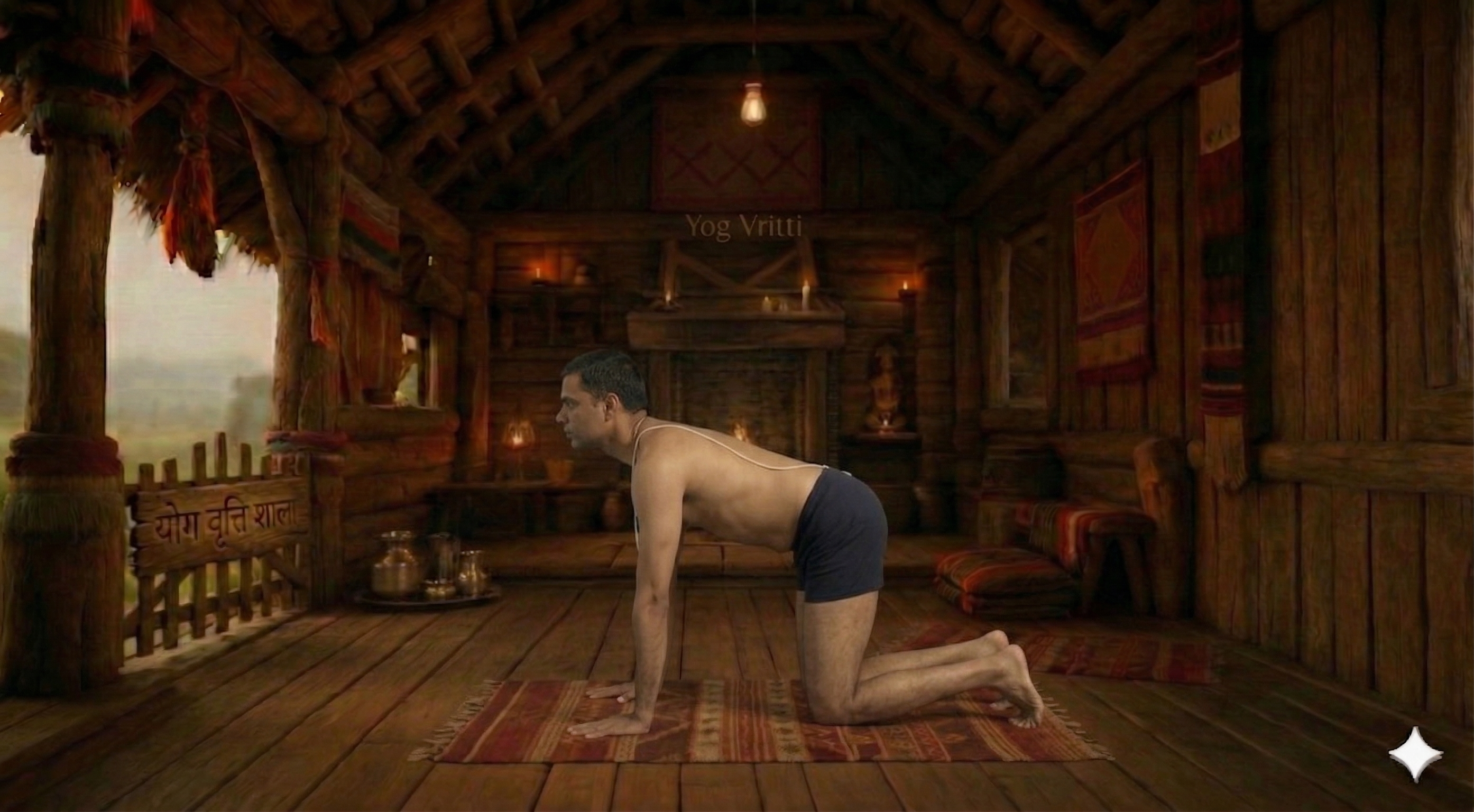
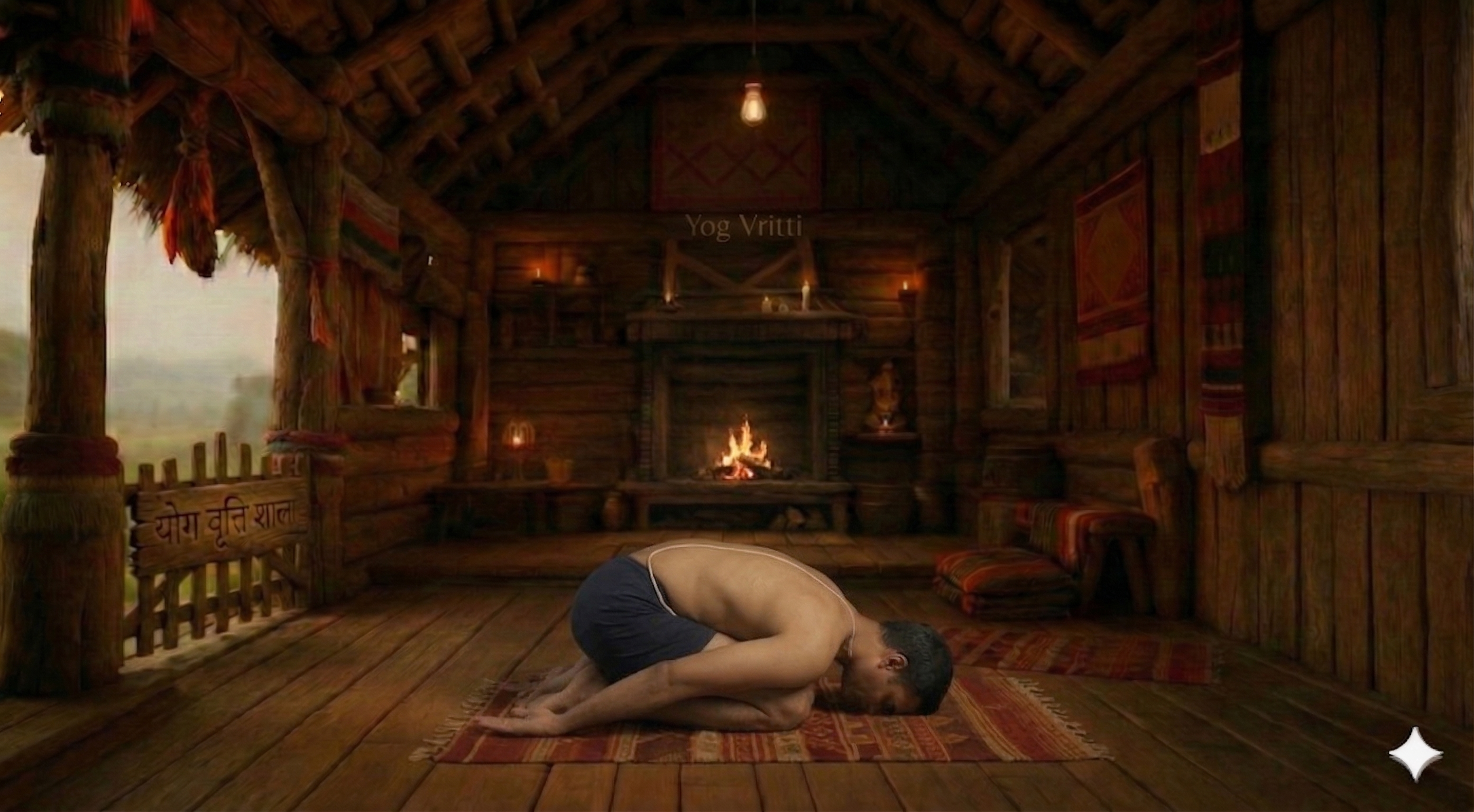
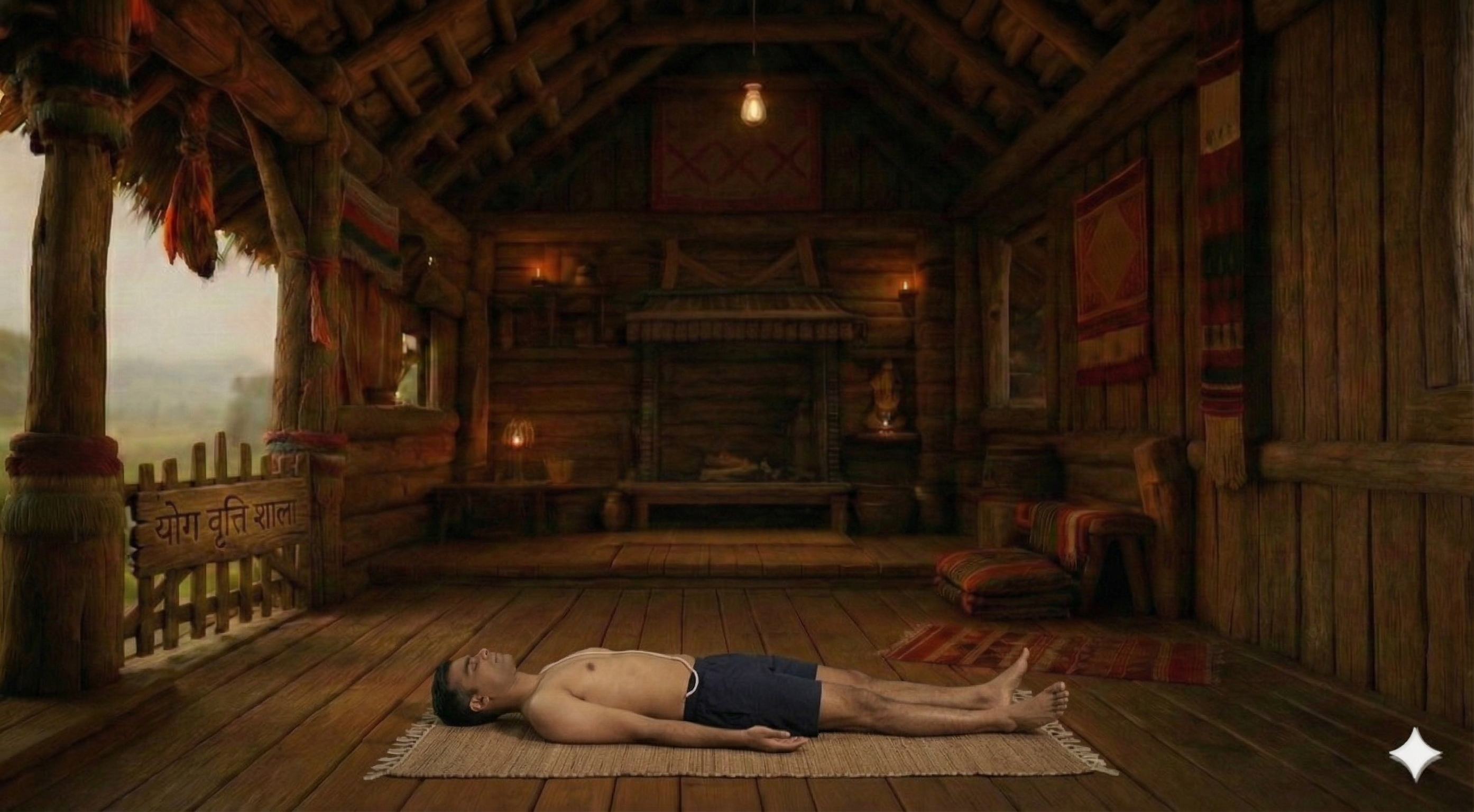
How to Practice
1. Begin in a kneeling position, knees hip-width apart.
2. Place the feet slightly wider than hip-width, keeping the tops of the feet on the floor.
3. If the buttocks do not rest comfortably on the floor between the heels, place a folded blanket or bolster between the heels and the buttocks.
4. Inhale, lengthen the spine and lift the chest.
5. Exhale, slowly lower the buttocks onto the support (or floor).
5 more steps remaining
Register free to see the complete instructions
Register Free to ContinueAlready registered? Login
Frequently Asked Questions
Common questions about Virasana (supported)
What is Supported Hero Pose?
Supported Hero Pose, also called Block-Supported Virasana is a classical yoga posture. Its Sanskrit name Virasana (supported) translates word-for-word as: Vira (Hero) · Asana (Pose). Beginning from a kneeling position, the practitioner aligns the body with precision and intentional breath. The posture works to strengthen the quadriceps, stretch the hip flexors and stabilise the ankles. Improves posture. Relieves tired legs. Suitable for beginners and regular practitioners alike, it is an excellent warm-up, particularly beneficial for beginners and seniors. A blanket and block can be used to make the posture more accessible and support correct alignment. Practitioners with pregnancy and ankle injury should approach with care or consult a qualified teacher.
What are the benefits of Supported Hero Pose?
Stretches the thighs, knees, and ankles. Improves posture. Relieves tired legs. Calms the mind. Strengthens the arches of the feet.
Who should avoid Supported Hero Pose?
Avoid this pose if you have: Knee injury, Ankle injury, Pregnancy (modify with wider knees).
How many steps are in Supported Hero Pose?
Supported Hero Pose is practiced in 10 steps. Begin in a kneeling position, knees hip-width apart.
Is Supported Hero Pose suitable for beginners?
Yes, Supported Hero Pose is a beginner-friendly pose suitable for all levels.
What props are needed for Supported Hero Pose?
You may use: blanket, block, bolster. Props make the pose more accessible and comfortable.
What poses should I do before Supported Hero Pose?
Prepare with: Virasana, Bharmanasana (Table top pose), Adho Mukha Virasana (Child's Pose). These warm up the relevant muscles and joints.
Build Your Own Sequence
Combine Virasana (supported) with other poses