 शुरुआतीखड़े होकर
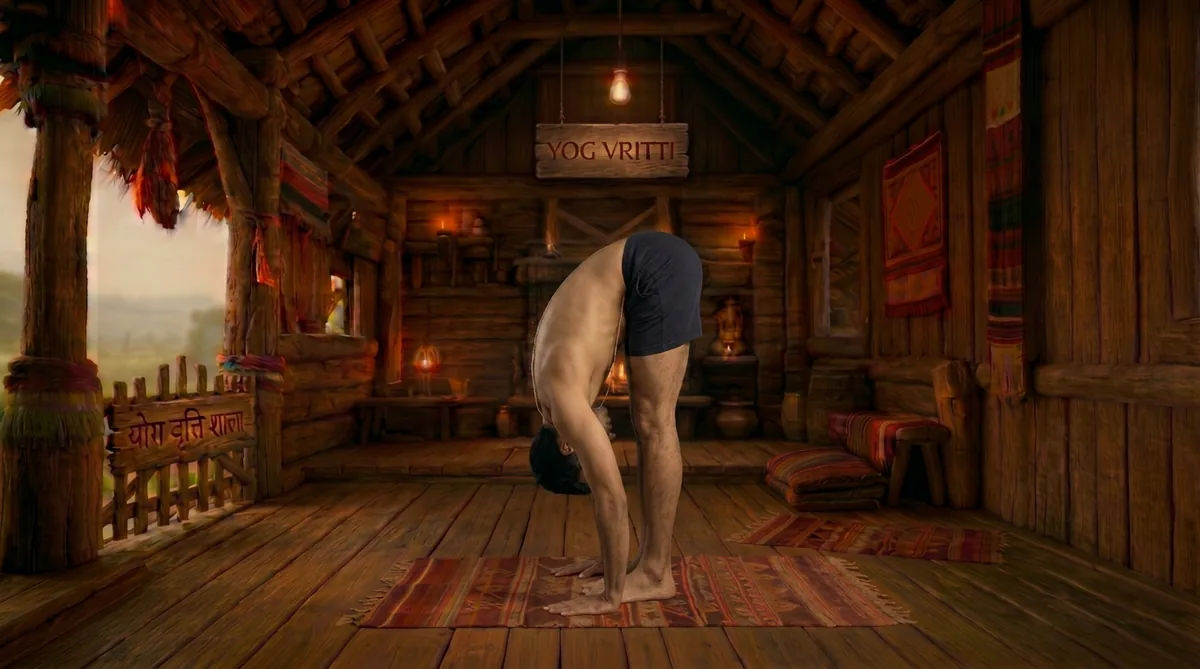
अधो मुख उत्तानासन
Downward Facing Intense Stretch Pose
अधो मुख उत्तानासन एक कोमल आगे की ओर झुकने वाला आसन है जो हैमस्ट्रिंग, पिंडलियों और रीढ़ की हड्डी को खींचता है। यह मस्तिष्क को शांत करने और तनाव और हल्के अवसाद से राहत दिलाने में मदद करता है।
फायदे
5Hamstrings(lengthening)
The long muscles running along the back of your thighs (hamstrings) get a deep, sustained release here — not a forced stretch but a patient unwinding. As you hold the pose and breathe, the nervous system gradually allows these muscles to let go of years of tension stored from sitting and stress. In yogic understanding, this releases apana vayu — the downward-moving energy — allowing a feeling of groundedness and ease in the lower body. Regular practice progressively lengthens this posterior chain, directly reducing the pull on the lower back.
Calves(lengthening)
The powerful muscles at the back of your lower legs (gastrocnemius and soleus) experience a subtle but significant stretch as you press your heels down and lift your sitting bones. This action helps to release tightness often held from walking, running, or standing, which can restrict ankle mobility and affect the entire posterior chain. Energetically, releasing the calves helps to ground the body, connecting us more firmly to the earth and fostering a sense of stability from the ground up. Over time, this improves circulation in the lower legs and ankles.
Back Extensors(lengthening)
The deep muscles running alongside your spine (erector spinae) are encouraged to lengthen and extend, creating space between each vertebra. This gentle traction helps to decompress the spinal column, alleviating pressure and encouraging a more fluid, upright posture. From a yogic perspective, this opening of the spine allows prana to flow more freely along the central energetic channel (sushumna nadi), enhancing vitality and mental clarity. Consistent practice strengthens the capacity for spinal extension, counteracting the effects of slouching.
- पूर्ण शारीरिक विश्लेषण →
सावधानियाँ
4Back Injury / Back Pain
Spinal flexion, extension, or rotation under load can compress vertebral discs or strain the paraspinal muscles.
Bend both knees generously, hinge from the hips rather than rounding the spine, and rest hands on blocks or thighs.
High Blood Pressure
Vigorous effort and inverted positions temporarily raise blood pressure in the head, increasing strain on blood vessels.
Keep the head above the heart by bending the knees deeply and resting forearms on thighs rather than reaching to the floor.
Glaucoma / Eye Pressure
Inverted and head-below-heart positions increase intraocular pressure, which can be harmful for those with elevated eye pressure.
Practise with hands on blocks and knees bent so the head remains above heart level.
Pregnancy
Deep twists, abdominal compression, and lying flat on the back can restrict blood flow or cause discomfort as pregnancy progresses.
Widen the feet to hip-width or more; fold to a 45-degree angle rather than full depth to avoid abdominal compression.
विधि
चरण-दर-चरण निर्देश
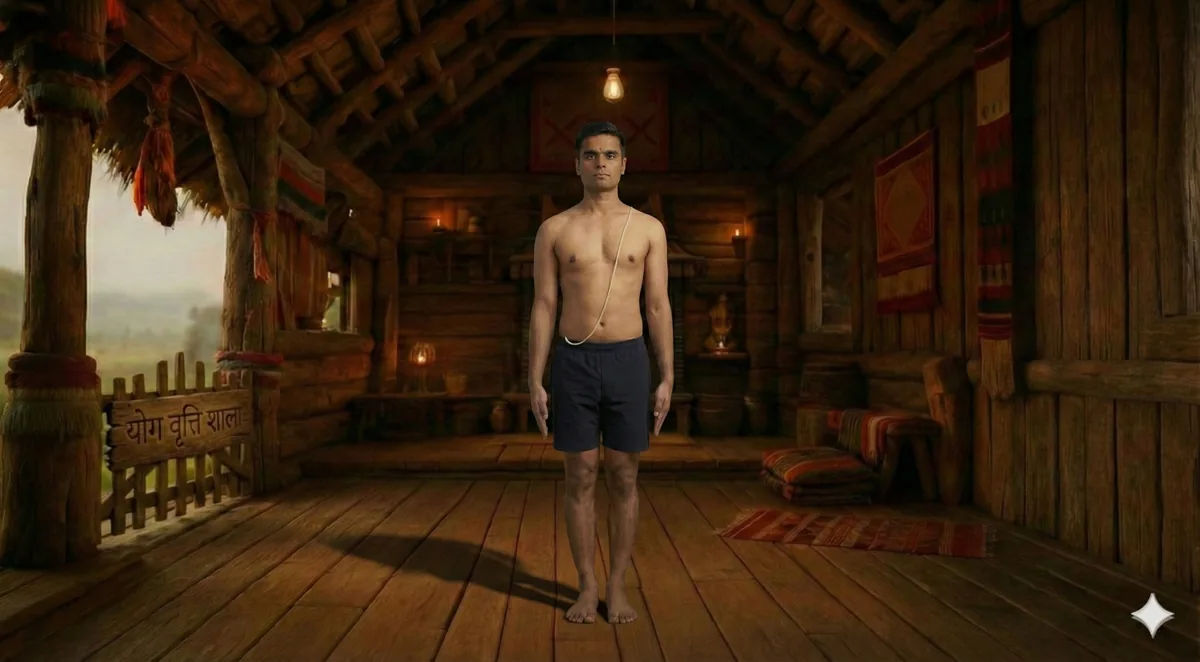
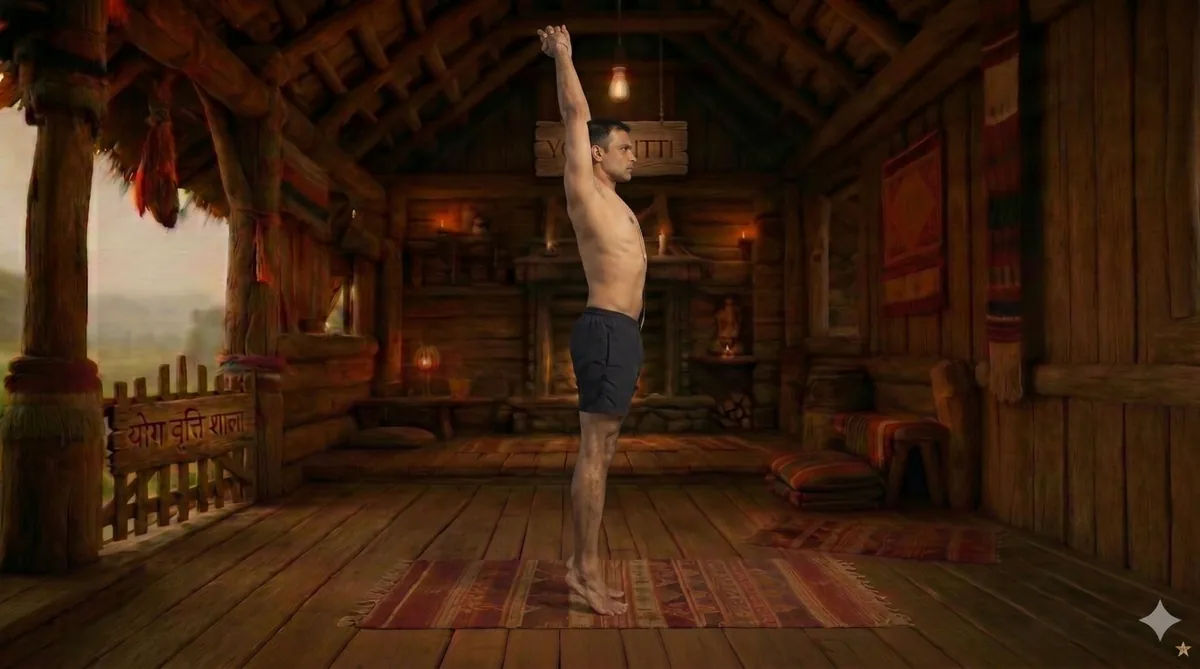
Tadasana में खड़े हो जाएं, पैर हिप-चौड़ाई से अलग रखें।
श्वास लें, अपनी बाहों को ऊपर उठाएं, हथेलियाँ एक-दूसरे का सामना कर रही हैं।
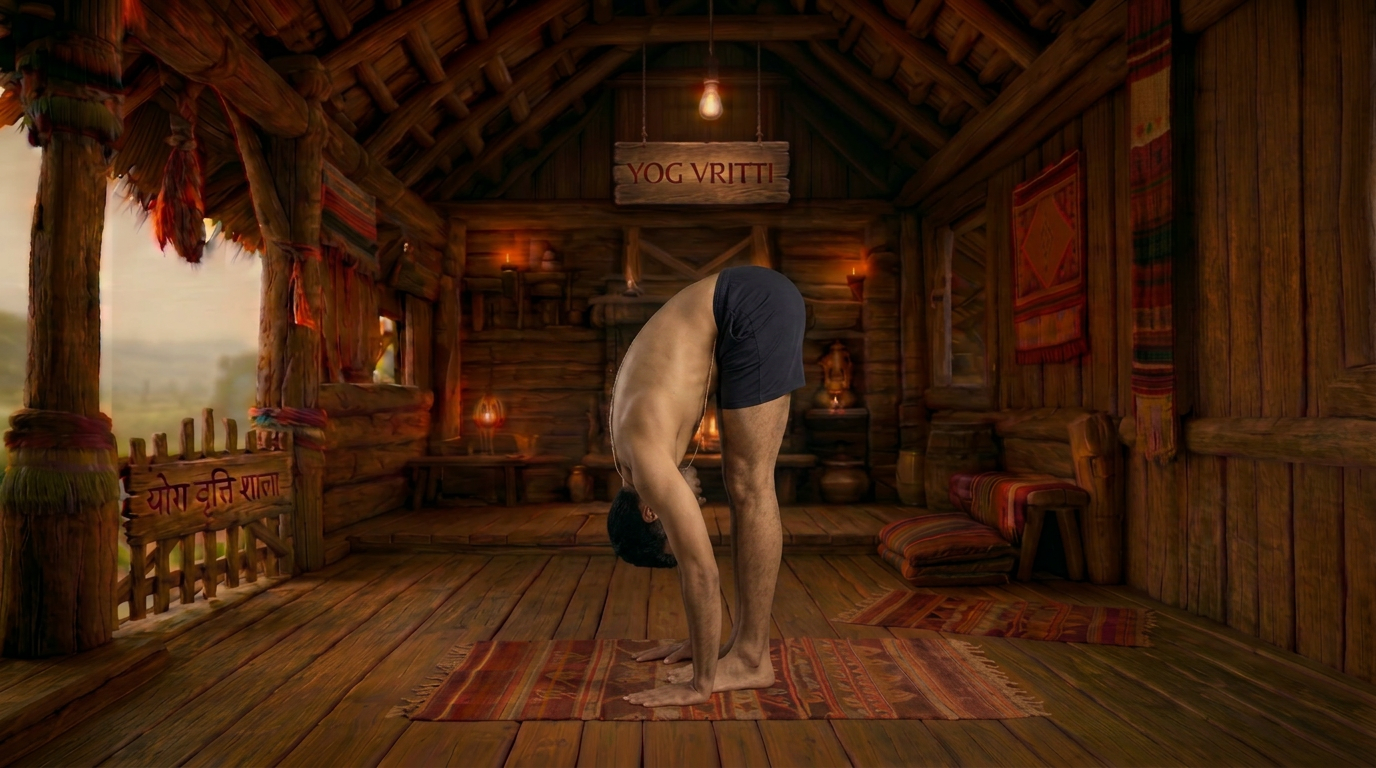
श्वास छोड़ें, हिप्स से आगे झुकें, अपनी पीठ को सीधा रखें।
अपनी उंगलियों को अपने पैरों के सामने फर्श पर रखें, या अपने हाथों को ब्लॉक पर रखें यदि आवश्यक हो।
अपनी गर्दन को आराम दें और अपनी पीठ को लंबा करें।
अपनी जांघों को ऊपर की ओर खींचें और अपनी एड़ियों को फर्श की ओर दबाएं।
श्वास लें और छोड़ें, हर श्वास के साथ खिंचाव को गहरा करें।
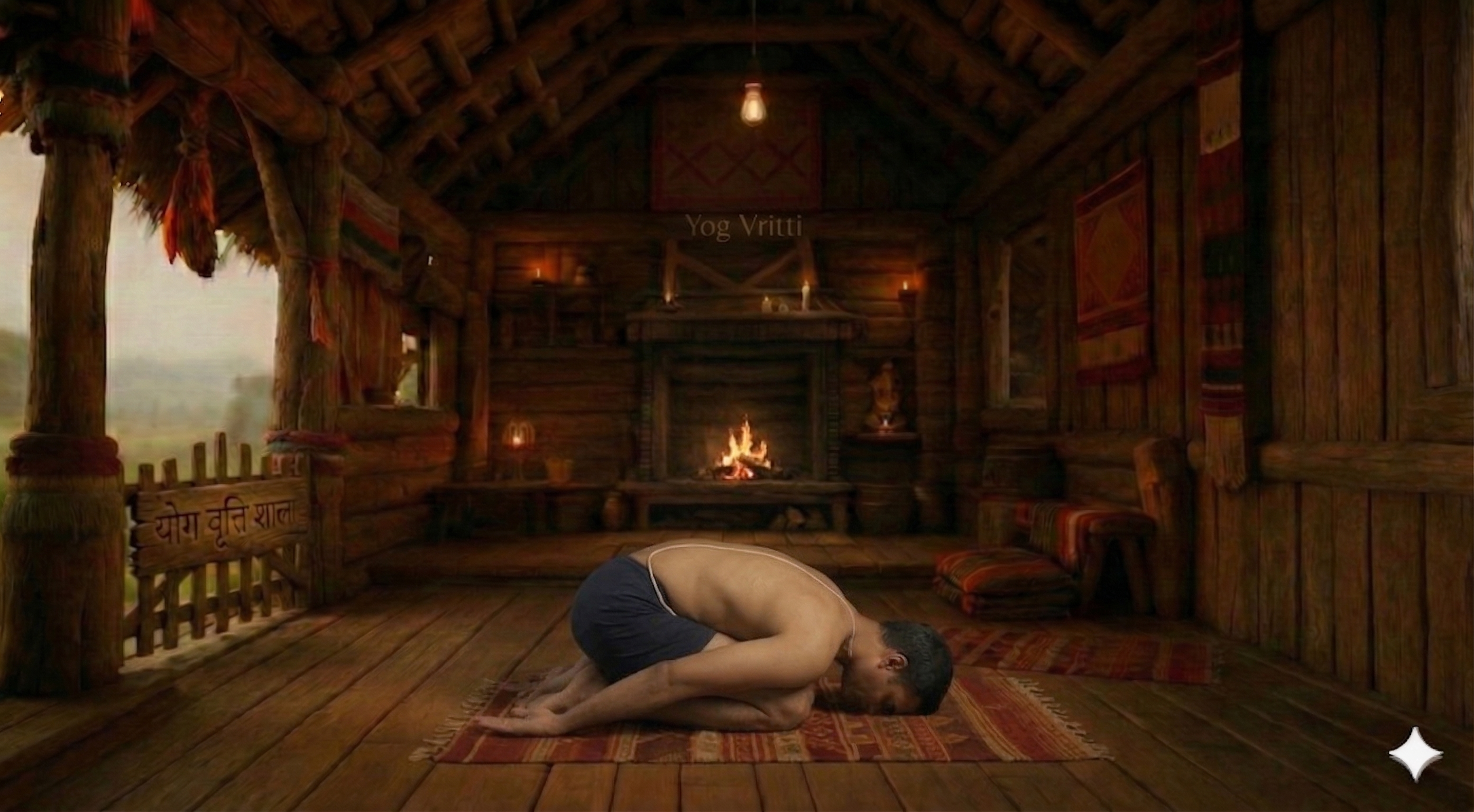
5-10 सांसों के लिए आसन में रहें।
श्वास लें, अपनी पीठ को सीधा करें और धीरे-धीरे ऊपर आएं।
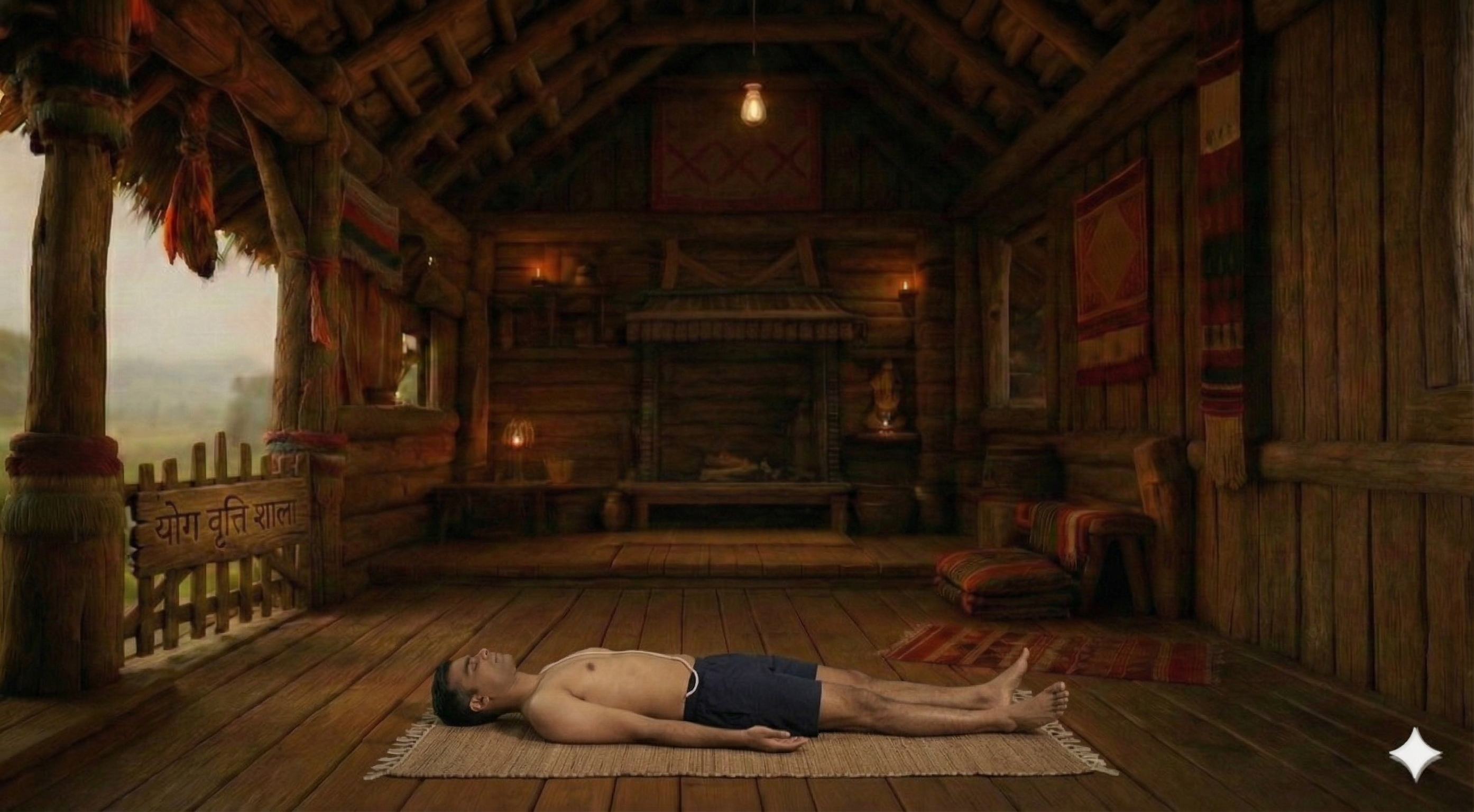
श्वास छोड़ें, अपनी बाहों को नीचे करें और Tadasana में लौट आएं.
सहायक उपकरण
वैकल्पिक सहायता — आवश्यकतानुसार उपयोग करें
Yoga Block
Place blocks under the hands at any height to allow the spine to lengthen fully before attempting to reach the floor — prioritising posture over depth.
Wall
Place hands on the wall at hip height and walk back to create a right angle — a gentler version that still provides deep spinal decompression.
सामान्य गलतियाँ
शिक्षण संकेत
अभ्यास क्रम
अक्सर पूछे जाने वाले प्रश्न
अधो मुख उत्तानासन के बारे में सामान्य प्रश्न
अधो मुख उत्तानासन क्या है?
अधो मुख उत्तानासन एक कोमल आगे की ओर झुकने वाला आसन है जो हैमस्ट्रिंग, पिंडलियों और रीढ़ की हड्डी को खींचता है। यह मस्तिष्क को शांत करने और तनाव और हल्के अवसाद से राहत दिलाने में मदद करता है।
अधो मुख उत्तानासन के क्या फायदे हैं?
Stretches the hamstrings and calves। Strengthens the spine। Calms the brain and relieves stress।
अधो मुख उत्तानासन किस स्तर के लिए है?
अधो मुख उत्तानासन एक शुरुआती स्तर का आसन है। यह सभी के लिए उपयुक्त है।
अधो मुख उत्तानासन कौन न करे?
Back pain, High blood pressure, Glaucoma की स्थिति में यह आसन न करें।
अधो मुख उत्तानासन के लिए कौन से उपकरण चाहिए?
block, wall का उपयोग इस आसन को आसान बना सकता है।