रूपांतर

बैठकर · शुरुआती
अर्ध नावासन
Half Boat Pose Variation · Navasana Variation Ardha
ArdhaHalfNavaBoatAsanaPose
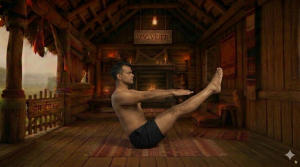
अर्ध नावासन, या आधा नाव आसन, एक मूलभूत बैठे हुए कोर को मजबूत करने वाला आसन है जो पेट की ताकत बनाता है और संतुलन में सुधार करता है। यह गहरे कोर की मांसपेशियों को संलग्न करने में मदद करता है जबकि छाती को ऊपर उठाता है और रीढ़ को लंबा करता है, जिससे यह शुरुआती लोगों के लिए सुलभ हो जाता है।
स्तर शुरुआतीप्रकार बैठकरपक्ष दोनों ओर
अभ्यास की विधि
- 1
दंडासन में बैठें, टाँगें सामने फैली हुई और हाथ कूल्हों के बगल में फर्श पर; चाहें तो मुड़े हुए कंबल पर।
- 2
साँस लेते हुए घुटने मोड़ें और पैरों को फर्श पर रखें, एड़ियाँ कूल्हों के पास।
- 3
साँस छोड़ते हुए थोड़ा पीछे झुकें, रीढ़ को सीधा रखते हुए, और हाथों को घुटनों के पीछे जाँघों पर रखें।
- 4
साँस लेते हुए पैरों को धीरे-धीरे फर्श से उठाएँ जब तक पिंडलियाँ फर्श के समानांतर न हो जाएँ, पंजे ऊपर की ओर।
- 5
पीठ सीधी रखें और छाती उठाएँ, नाभि को अंदर खींचते हुए और पेट को मज़बूती से सक्रिय करते हुए।
शिक्षण संकेत
यह कहें
- Sit on the front edge of your sitting bones
- Lengthen the spine upward on each inhalation
- Keep the chest lifted and shoulders relaxed
- Ground down through the sitting bones
- Maintain an elongated spine — avoid rounding the back
- Fix the gaze on a steady point (drishti) for balance
इन पर ध्यान दें
- Rounding the lower back — sit on a folded blanket if needed
- Forcing the knees down — let gravity work naturally
- Collapsing the chest and slouching forward
- Tensing the neck and jaw
- Rushing into the pose without proper alignment first
- Looking around the room — keep the gaze fixed
शरीर पर प्रभाव
मांसपेशियाँ देखने के लिए किसी भाग पर टैप करें3D anatomy adapted from Z-Anatomy, CC BY-SA 4.0
Hip flexors
StrengthenedHalf Boat Pose Variation strengthens the front of your hips.
Muscles at work
- Hip Flexors⚑ Limits the pose
Acts as a key polyarticular core and hip flexor that links the lower back, pelvis, and hips in standing, lunging, and balancing poses.
Main action: flexes and laterally rotates the femur at the hip; flexes the trunk and anteverts the pelvis
- Psoas Major And MinorContracts
The psoas acts as a core stabilizer and deep hip flexor, actively engaging to maintain spinal length in standing postures like Tadasana and releasing to allow deep extension in backbends like Ustrasana.
Main action: Flexion of the hip joint, lateral flexion of the vertebral column, and assistance in stabilization of the lumbar spine
⚑ Where you’ll feel it
Tightness in the hip flexors is what usually stops you going deeper here. Ease off at the first strong stretch and keep breathing — don’t force the end range. Props that help: blanket.
- Strengthens the core and abdominal muscles
- Improves balance and stability
- Stimulates abdominal organs and aids digestion
- Strengthens hip flexors and spine
- Builds confidence and determination
- Improves posture
सावधानियाँ
Recent Surgery
Surgical wounds and healing tissues need time before being subjected to the mechanical stress of yoga postures.
बदलाव · Wait for full medical clearance from your surgeon; begin with gentle breath work and progress only as healing allows.
Back Injury / Back Pain
Spinal flexion, extension, or rotation under load can compress vertebral discs or strain the paraspinal muscles.
बदलाव · Bend the knees to protect the lumbar spine, engage the core throughout, and stop if pain sharpens.
Pregnancy
Deep twists, abdominal compression, and lying flat on the back can restrict blood flow or cause discomfort as pregnancy progresses.
बदलाव · Widen the stance, avoid deep abdominal compression and twists, and consult a qualified prenatal yoga teacher.
Heart Conditions
Vigorous effort and inverted positions increase cardiac demand and blood pressure; extra caution is essential with heart disease.
बदलाव · Keep effort moderate, breathe continuously and smoothly, and consult your cardiologist before practising.
Neck Injury / Cervical Issues
Looking up, bearing head weight, or unsupported neck rotation can compress cervical vertebrae and irritate nerves.
बदलाव · Keep the head in a neutral position aligned with the spine; avoid deep neck extension, flexion, or unsupported rotation.
Lower Back Pain
बदलाव · Keep hands on thighs for support, or keep feet on the floor with bent knees, just lifting the chest.
Neck Injury
बदलाव · Keep the gaze forward, ensuring the neck is a natural extension of the spine.
Weak Core
बदलाव · Start with feet on the floor, lifting one leg at a time, or keep hands on the floor behind you for support.
कक्षा में
- Navasana Variation Ardhaअर्ध नावासनयह आसन



त्वरित उत्तर
अर्ध नावासन क्या है?
अर्ध नावासन, या आधा नाव आसन, एक मूलभूत बैठे हुए कोर को मजबूत करने वाला आसन है जो पेट की ताकत बनाता है और संतुलन में सुधार करता है। यह गहरे कोर की मांसपेशियों को संलग्न करने में मदद करता है जबकि छाती को ऊपर उठाता है और रीढ़ को लंबा करता है, जिससे यह शुरुआती लोगों के लिए सुलभ हो जाता है।
अर्ध नावासन कैसे करें?
दंडासन में बैठें, टाँगें सामने फैली हुई और हाथ कूल्हों के बगल में फर्श पर; चाहें तो मुड़े हुए कंबल पर। साँस लेते हुए घुटने मोड़ें और पैरों को फर्श पर रखें, एड़ियाँ कूल्हों के पास। साँस छोड़ते हुए थोड़ा पीछे झुकें, रीढ़ को सीधा रखते हुए, और हाथों को घुटनों के पीछे जाँघों पर रखें।
क्या शुरुआती लोग अर्ध नावासन कर सकते हैं?
हाँ, यह शुरुआती स्तर का आसन है।
- आसन प्रकार
- Core Strengthener, Balance
- मुख्य भाग
- Core, Spine, Hips
- किसके लिए
- Beginners, Desk Workers, Teens
- योग शैली
- Iyengar, Hatha, Vinyasa
- कब करें
- Warm Up, Quick Practice, Morning