 उन्नतkneeling
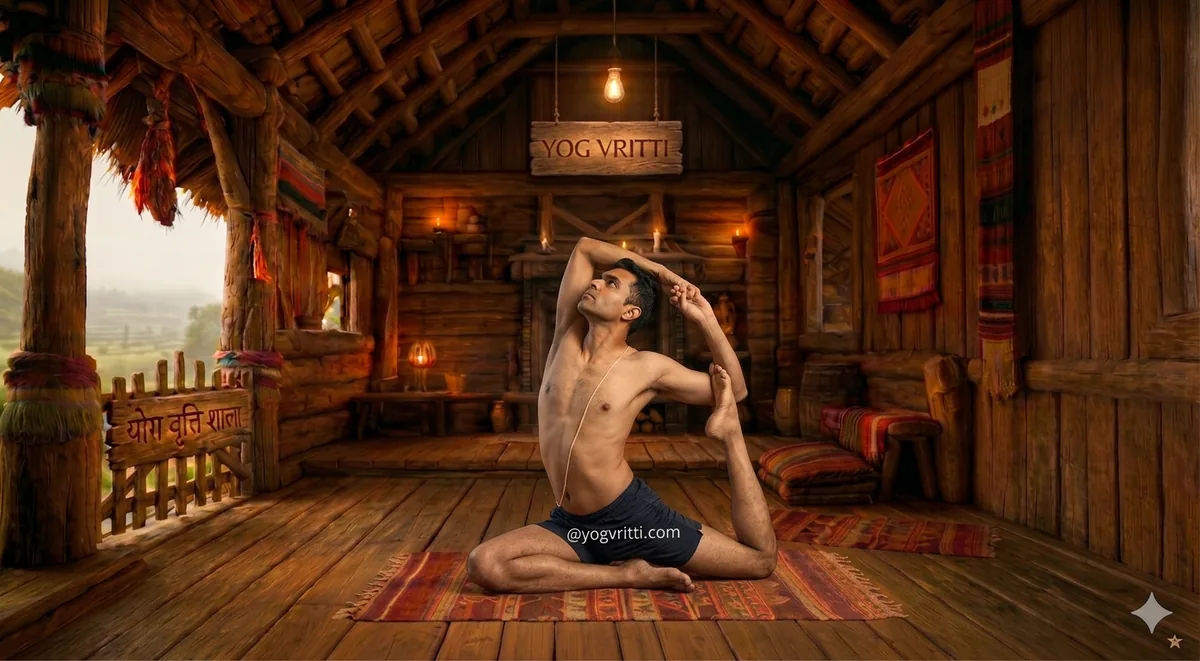
कपोतासन
King Pigeon Pose
कपोतासन, या कबूतर मुद्रा, एक उन्नत बैकबेंड है जिसके लिए महत्वपूर्ण लचीलापन और ताकत की आवश्यकता होती है। यह रीढ़ की हड्डी, हिप फ्लेक्सर्स और कंधों को गहराई से खींचता है, छाती और हृदय को खोलता है।
फायदे
5Quadriceps(lengthening)
The muscles along the front of your thighs (quadriceps) undergo a profound, sustained stretch in Kapotasana, particularly the rectus femoris which crosses both the hip and knee joints. This deep lengthening helps to release chronic tightness often accumulated from daily activities like sitting, directly impacting pelvic alignment and lumbar spine health. From a yogic perspective, this release in the front of the thighs can liberate pent-up energy, allowing for a feeling of lightness and freedom in the lower body.
Hip Flexors(lengthening)
The deep muscles connecting your spine to your inner thighs (psoas and iliacus) are intensely lengthened as the hips move into deep extension. This action creates crucial space in the lumbar spine, alleviating compression and fostering greater spinal mobility. Energetically, the psoas is often considered a reservoir of emotional tension, and its release can trigger a profound letting go of stored stress and fear, promoting a sense of grounded openness and emotional freedom.
Abdominals(lengthening | stabilizing)
While the superficial abdominal muscles (rectus abdominis) are significantly lengthened, the deeper core muscles (transversus abdominis and obliques) engage subtly to support and protect the lumbar spine. This intelligent interplay of lengthening and stabilizing creates an expansive yet secure foundation for the backbend, allowing the front body to open without strain. This active engagement of the core ensures the energetic lift is balanced with foundational support, allowing prana to flow freely through the abdominal region without causing vulnerability.
- पूर्ण शारीरिक विश्लेषण →
सावधानियाँ
5High Blood Pressure
Vigorous effort and inverted positions temporarily raise blood pressure in the head, increasing strain on blood vessels.
Limit the depth of the backbend, breathe smoothly, and avoid holding the pose for extended periods.
Neck Injury / Cervical Issues
Looking up, bearing head weight, or unsupported neck rotation can compress cervical vertebrae and irritate nerves.
Do not allow the head to drop back unsupported; keep the chin slightly tucked and look forward rather than up.
Back Injury / Back Pain
Spinal flexion, extension, or rotation under load can compress vertebral discs or strain the paraspinal muscles.
Limit the depth of the backbend, engage the core actively before moving, and avoid any movement that creates pinching in the lumbar spine.
Shoulder Injury
Overhead loading and extreme shoulder rotation can impinge the subacromial space and overload rotator cuff tendons.
Draw the shoulder blades together without externally rotating aggressively; place hands on blocks to reduce range.
विधि
चरण-दर-चरण निर्देश
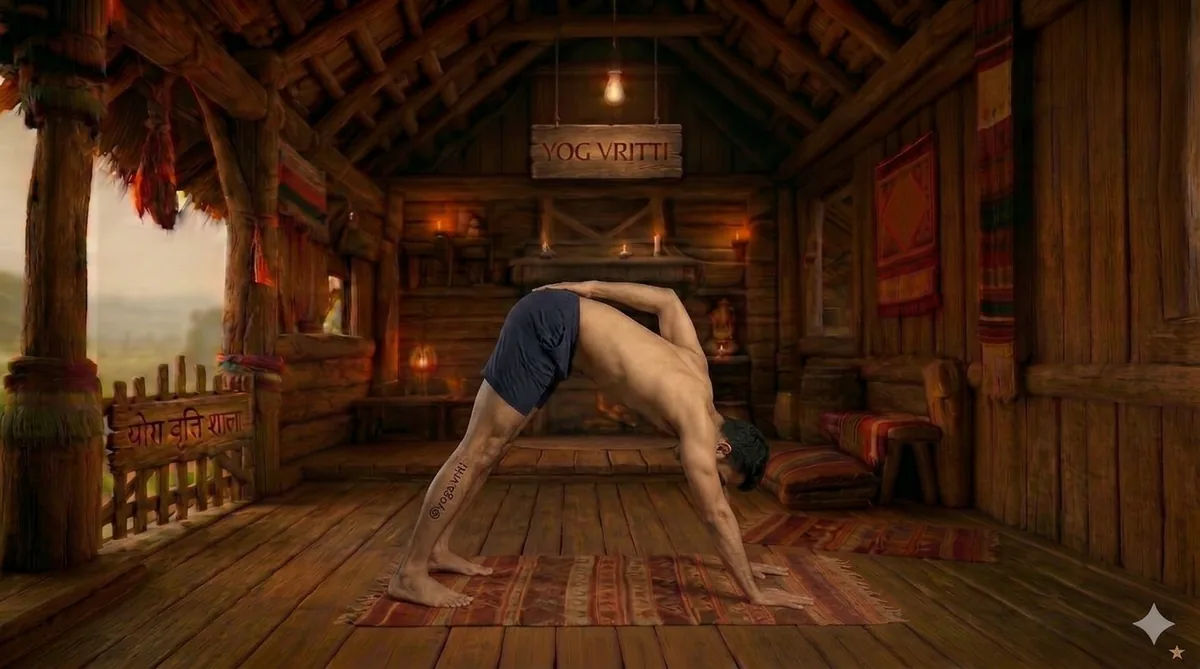
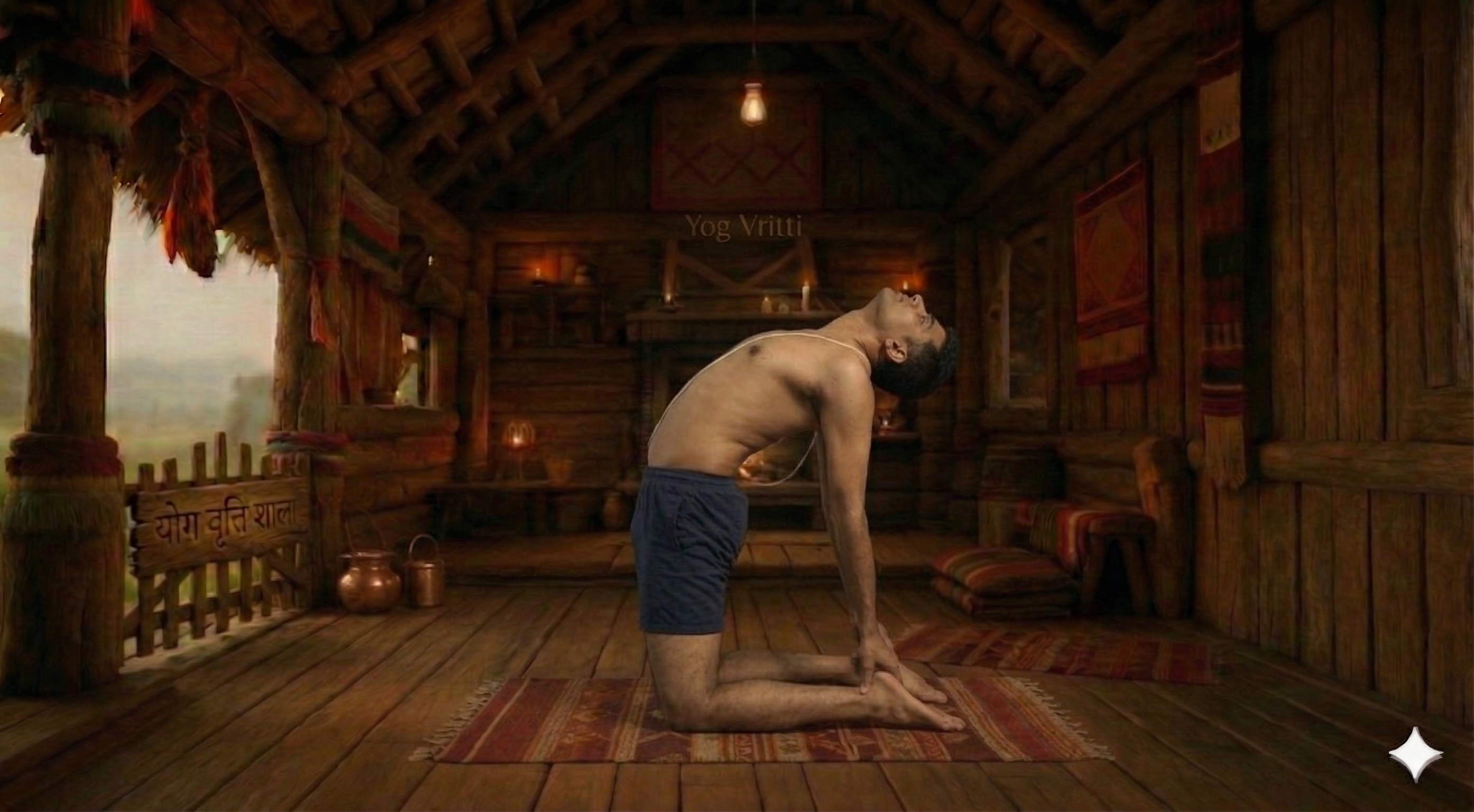
उष्ट्रासन या लघु वज्रासन से शुरुआत करें।
एक-एक करके हाथों को पीछे ले जाकर पैरों को पकड़ें।
धीरे-धीरे हाथों को पैरों पर नीचे की ओर खिसकाएं, जब तक कि हथेलियाँ पैरों पर न आ जाएं।
जांघों को सीधा रखें और रीढ़ की हड्डी को जितना हो सके पीछे की ओर मोड़ें।
सिर को पीछे की ओर गिरने दें, गर्दन को आराम दें।
गहरी सांसें लें और इस मुद्रा में 20-30 सेकंड तक बने रहें।
धीरे-धीरे हाथों को पैरों से छोड़ें और वापस उष्ट्रासन या लघु वज्रासन में आ जाएं।
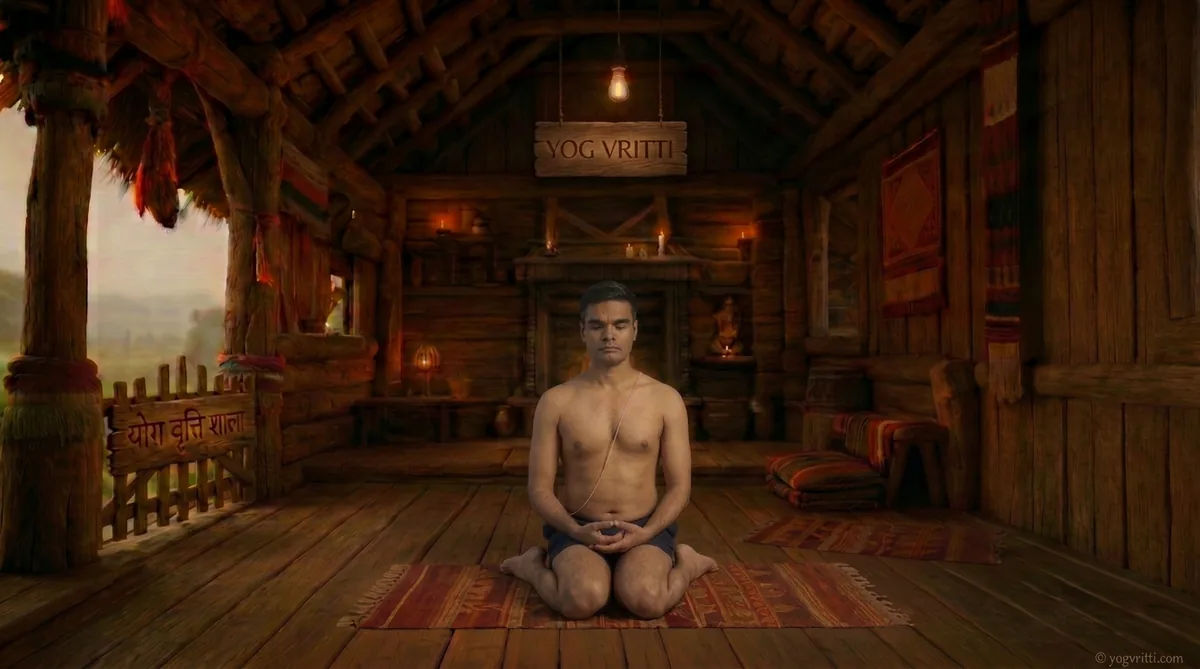
वज्रासन में बैठें और विश्राम करें।
आवश्यकतानुसार दोहराएं।
सहायक उपकरण
वैकल्पिक सहायता — आवश्यकतानुसार उपयोग करें
Yoga Block
Rest the hands on blocks to begin opening the chest and shoulders before progressing toward full hand-to-floor contact.
Wall
Use the wall to support the feet or back in deep backbends, allowing the chest and spine to open without the risk of falling.
Folded Blanket
A rolled blanket under the thoracic spine opens the chest gently and supports the backbend, making it accessible as a restorative variation.
Yoga Strap
Loop a strap around the ankles in prone backbends to close the gap between hands and feet, protecting the lower back from excessive compression.
सामान्य गलतियाँ
शिक्षण संकेत
अभ्यास क्रम
अक्सर पूछे जाने वाले प्रश्न
कपोतासन के बारे में सामान्य प्रश्न
कपोतासन क्या है?
कपोतासन, या कबूतर मुद्रा, एक उन्नत बैकबेंड है जिसके लिए महत्वपूर्ण लचीलापन और ताकत की आवश्यकता होती है। यह रीढ़ की हड्डी, हिप फ्लेक्सर्स और कंधों को गहराई से खींचता है, छाती और हृदय को खोलता है।
कपोतासन के क्या फायदे हैं?
Increases spinal flexibility। Stretches hip flexors and shoulders। Opens the chest and heart।
कपोतासन किस स्तर के लिए है?
कपोतासन एक उन्नत स्तर का आसन है। शुरुआती लोग किसी योग गुरु के मार्गदर्शन में अभ्यास करें।
कपोतासन कौन न करे?
High blood pressure, Neck injuries, Back injuries की स्थिति में यह आसन न करें।
कपोतासन के लिए कौन से उपकरण चाहिए?
block, wall, blanket, strap का उपयोग इस आसन को आसान बना सकता है।