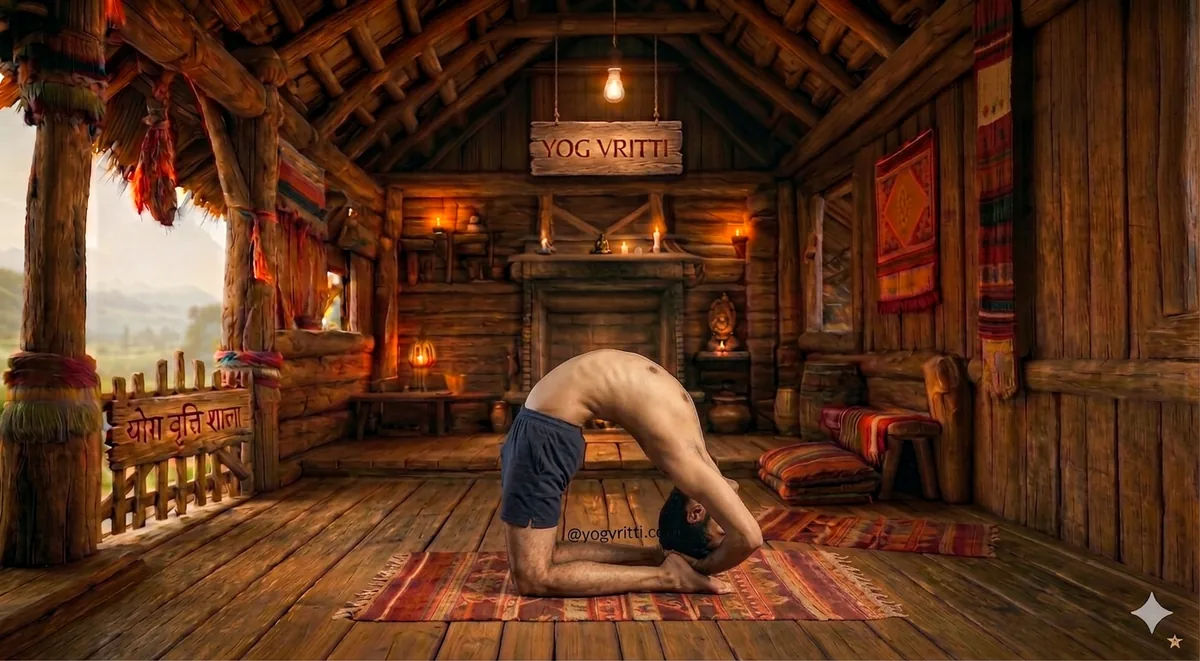
 मध्यमkneeling
विविधताएँ (1)
लघु वज्रासन
Little Thunderbolt Pose
लघु वज्रासन, या छोटा वज्र आसन, उष्ट्रासन की तुलना में एक गहरा बैकबेंड है, जिसके लिए अधिक लचीलापन और ताकत की आवश्यकता होती है। यह छाती को खोलता है और शरीर को ऊर्जावान बनाता है।
फायदे
5Thigh front muscles(lengthening)
The large muscles on the front of your thighs are experiencing a significant, sustained stretch as the knees deeply flex and the hips extend. Rectus Femoris, being biarticular, is particularly challenged, lengthening over both the hip and knee joints. This deep release in the quadriceps helps to unwind tension that can pull on the kneecap and restrict hip extension, allowing for greater freedom in the pelvis and lower back. Energetically, releasing these powerful muscles can free up stagnant energy in the lower limbs, promoting a feeling of lightness and openness.
Deep hip flexors(lengthening)
These deep muscles connect your lower spine and pelvis to your thigh bone, and they are lengthening profoundly in this backbend. A tight iliopsoas can compress the lumbar spine and restrict pelvic tilt, making deep backbends challenging and potentially uncomfortable. By gently but persistently lengthening these muscles, we create more space in the lumbar spine and anterior hip, allowing prana to flow more freely through the core. This release often corresponds with a softening of deeply held emotional tension, as the hips are considered a storage area for stress.
Abdominal muscles(eccentric-loading)
While the front body is opening, the abdominal muscles are actively lengthening and eccentrically contracting to support the spine and prevent excessive compression. These muscles help to create a protective dome over the internal organs and maintain integrity in the core as the spine extends. This intelligent engagement helps to lift and expand the front of the body rather than just collapsing into the lower back. In yogic terms, this activation of the core supports Manipura Chakra, strengthening willpower and inner fire without rigidity.
- पूर्ण शारीरिक विश्लेषण →
सावधानियाँ
5High Blood Pressure
Vigorous effort and inverted positions temporarily raise blood pressure in the head, increasing strain on blood vessels.
Limit the depth of the backbend, breathe smoothly, and avoid holding the pose for extended periods.
Neck Injury / Cervical Issues
Looking up, bearing head weight, or unsupported neck rotation can compress cervical vertebrae and irritate nerves.
Do not allow the head to drop back unsupported; keep the chin slightly tucked and look forward rather than up.
Headache / Migraine
Physical exertion, inversions, and strong breath work can intensify an existing headache or trigger a migraine.
Avoid inversions and strong pranayama; rest in a supported, restorative posture with a cool cloth on the forehead.
Knee Injury
Deep flexion or rotation at the knee can strain ligaments, meniscus, or cartilage, especially in a compromised joint.
Never push into pain; use a folded blanket under or between the knees and reduce the depth of the bend.
विधि
चरण-दर-चरण निर्देश
वज्रासन में बैठें।
घुटनों पर खड़े हो जाएं, घुटनों को कूल्हे-चौड़ाई जितना अलग रखें।
हाथों को अपनी पीठ के निचले हिस्से पर रखें, उंगलियां नीचे की ओर हों।
श्वास अंदर लें और धीरे-धीरे पीछे की ओर झुकें, अपनी छाती को ऊपर की ओर खोलें।
एक हाथ से एक एड़ी को और दूसरे हाथ से दूसरी एड़ी को पकड़ें।
अपनी जांघों को फर्श से ऊपर उठाएं, शरीर को एक चाप में बनाएं।
अपनी गर्दन को आराम दें, सिर को पीछे की ओर गिरने दें।
गहरी सांसें लें और इस मुद्रा में 20-30 सेकंड तक बने रहें।
धीरे से श्वास छोड़ते हुए वापस नीचे आएं।
वज्रासन में बैठें और विश्राम करें।
आवश्यकतानुसार दोहराएं।
सहायक उपकरण
वैकल्पिक सहायता — आवश्यकतानुसार उपयोग करें
Yoga Block
Rest the hands on blocks to begin opening the chest and shoulders before progressing toward full hand-to-floor contact.
Wall
Use the wall to support the feet or back in deep backbends, allowing the chest and spine to open without the risk of falling.
Folded Blanket
A rolled blanket under the thoracic spine opens the chest gently and supports the backbend, making it accessible as a restorative variation.
Yoga Strap
Loop a strap around the ankles in prone backbends to close the gap between hands and feet, protecting the lower back from excessive compression.
सामान्य गलतियाँ
शिक्षण संकेत
अभ्यास क्रम
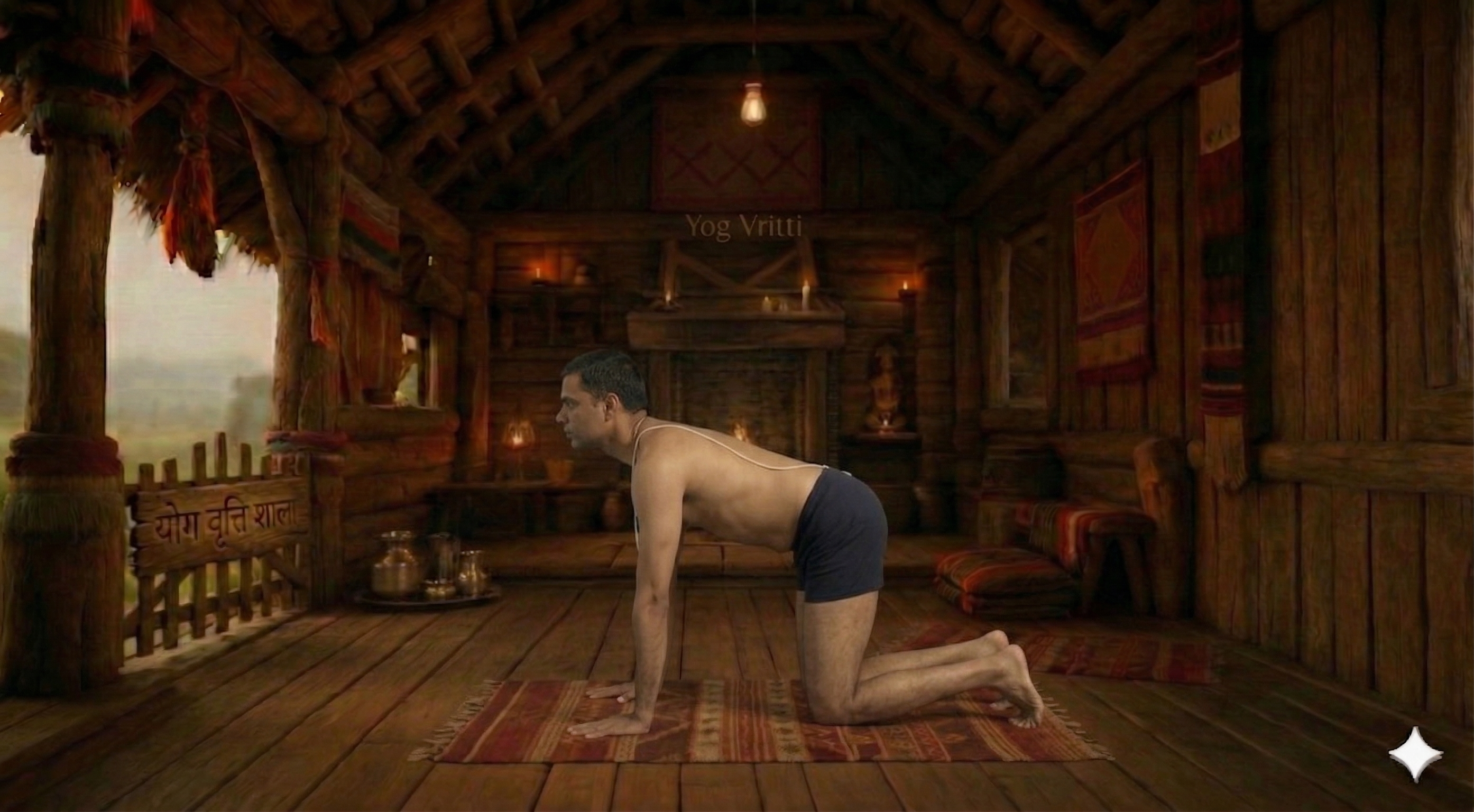
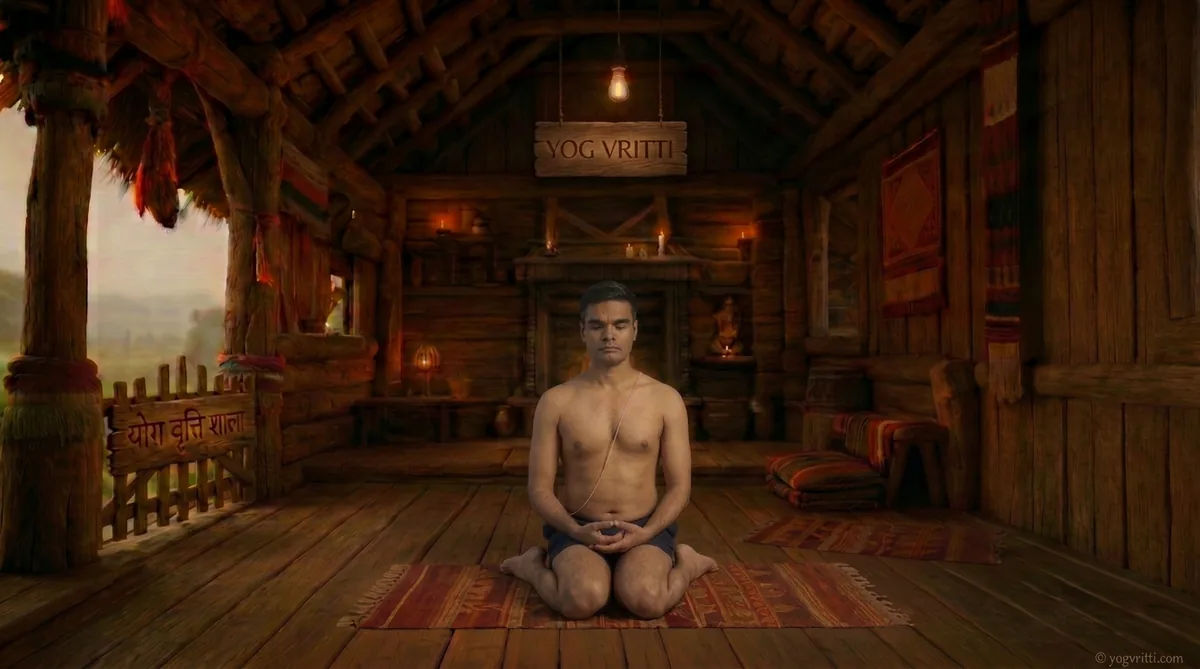
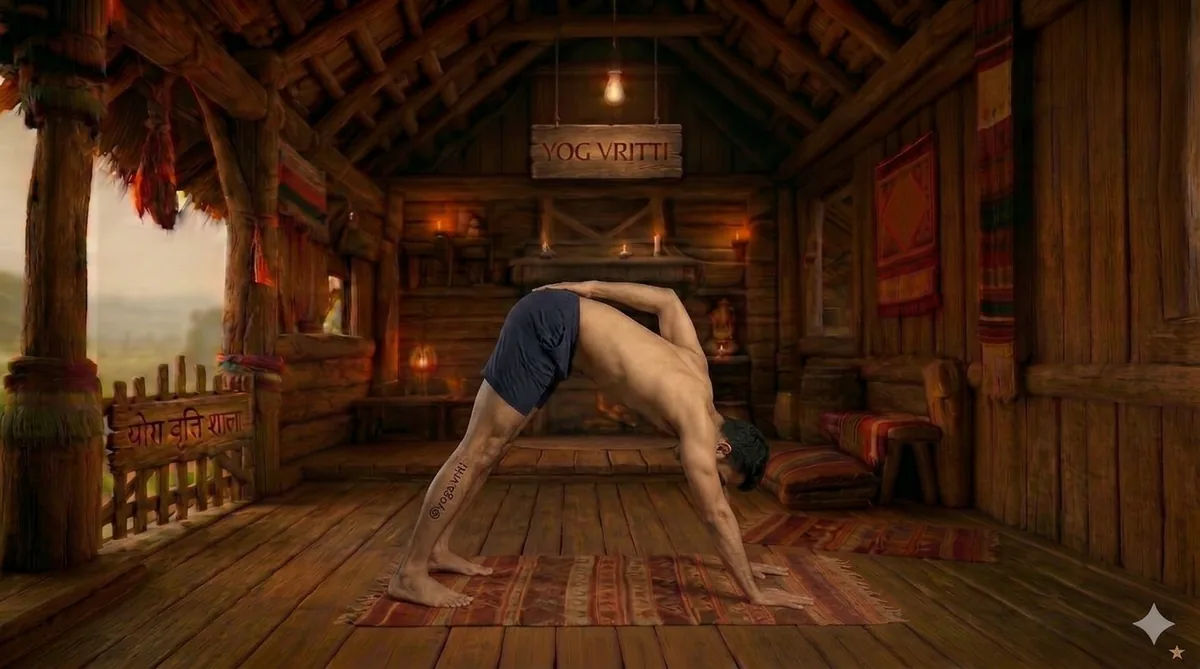
अक्सर पूछे जाने वाले प्रश्न
लघु वज्रासन के बारे में सामान्य प्रश्न
लघु वज्रासन क्या है?
लघु वज्रासन, या छोटा वज्र आसन, उष्ट्रासन की तुलना में एक गहरा बैकबेंड है, जिसके लिए अधिक लचीलापन और ताकत की आवश्यकता होती है। यह छाती को खोलता है और शरीर को ऊर्जावान बनाता है।
लघु वज्रासन के क्या फायदे हैं?
Increases flexibility। Strengthens back muscles। Opens the chest and shoulders।
लघु वज्रासन किस स्तर के लिए है?
लघु वज्रासन एक मध्यम स्तर का आसन है। शुरुआती लोग किसी योग गुरु के मार्गदर्शन में अभ्यास करें।
लघु वज्रासन कौन न करे?
High blood pressure, Neck injuries, Migraines की स्थिति में यह आसन न करें।
लघु वज्रासन के लिए कौन से उपकरण चाहिए?
block, wall, blanket, strap का उपयोग इस आसन को आसान बना सकता है।