 शुरुआतीखड़े होकर
सालम्ब वृक्षासन
Supported Tree Pose
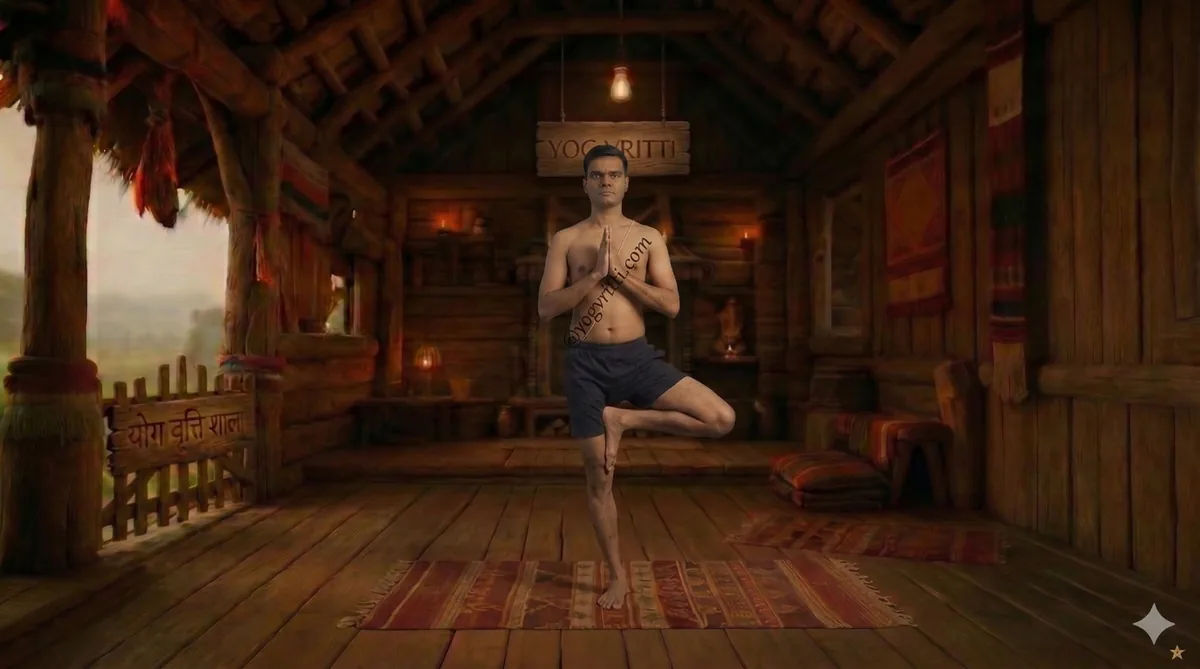
सालम्ब वृक्षासन, या समर्थित वृक्ष आसन, एक संतुलन आसन है जो संतुलन, स्थिरता और एकाग्रता में सुधार करता है। यह पैरों, कोर और टखनों को मजबूत करता है, और जमीनी और शांतता की भावना को बढ़ावा देता है।
फायदे
6Quadriceps (standing leg)(strengthening)
The large muscles at the front of your standing thigh (quadriceps femoris) engage powerfully to extend the knee and support the entire leg, preventing collapse. This isometric contraction builds endurance and strength in the lower limb, creating a stable pillar from the ground up. You feel this as a firm, rooted connection to the earth, which energetically grounds apana vayu and creates a sense of unwavering support. Regular strengthening here helps protect the knee joint and improves overall leg stability.
Glutes (standing leg)(stabilizing)
The muscles on the side of your standing hip (gluteus medius and minimus) are constantly working to stabilize the pelvis, preventing it from tilting or swaying. These deep stabilizers ensure that your trunk remains vertically aligned over your standing leg, crucial for maintaining balance. This continuous, subtle engagement cultivates a deep sense of centeredness and control, helping to align the subtle body and preventing the dispersion of energy. Strengthening these muscles provides a strong foundation, relieving undue pressure on the lower back and sacroiliac joint.
Core (abdominals, deep spinal stabilizers)(stabilizing)
Your deep abdominal muscles (transversus abdominis) and the small muscles along your spine (multifidus) are subtly active, drawing the navel gently towards the spine to create a supportive corset for your torso. This internal engagement prevents hyperextension or slumping of the lower back, ensuring a long, lifted spine. This deep core stability fosters a profound sense of inner strength and integration, allowing prana to ascend freely and promoting mental clarity and confidence. It’s the invisible anchor that supports your entire upper body.
- पूर्ण शारीरिक विश्लेषण →
सावधानियाँ
5Low Blood Pressure
Rising quickly from low positions can cause a sudden drop in blood pressure, leading to dizziness or fainting.
Rise slowly from seated or lying positions, pause in a mid-level shape before fully standing, and use a wall for support.
Insomnia
Stimulating pranayama and energising poses can activate the sympathetic nervous system, making sleep harder if practised late in the day.
Practise calming, exhalation-focused breath work; avoid stimulating postures or pranayama close to bedtime.
Headache / Migraine
Physical exertion, inversions, and strong breath work can intensify an existing headache or trigger a migraine.
Keep effort minimal, breathe slowly, and skip any vigorous transitions.
Knee Injury
Deep flexion or rotation at the knee can strain ligaments, meniscus, or cartilage, especially in a compromised joint.
Do not allow the knee to travel beyond the ankle; keep weight evenly distributed and use a block under the hand for support.
विधि
चरण-दर-चरण निर्देश
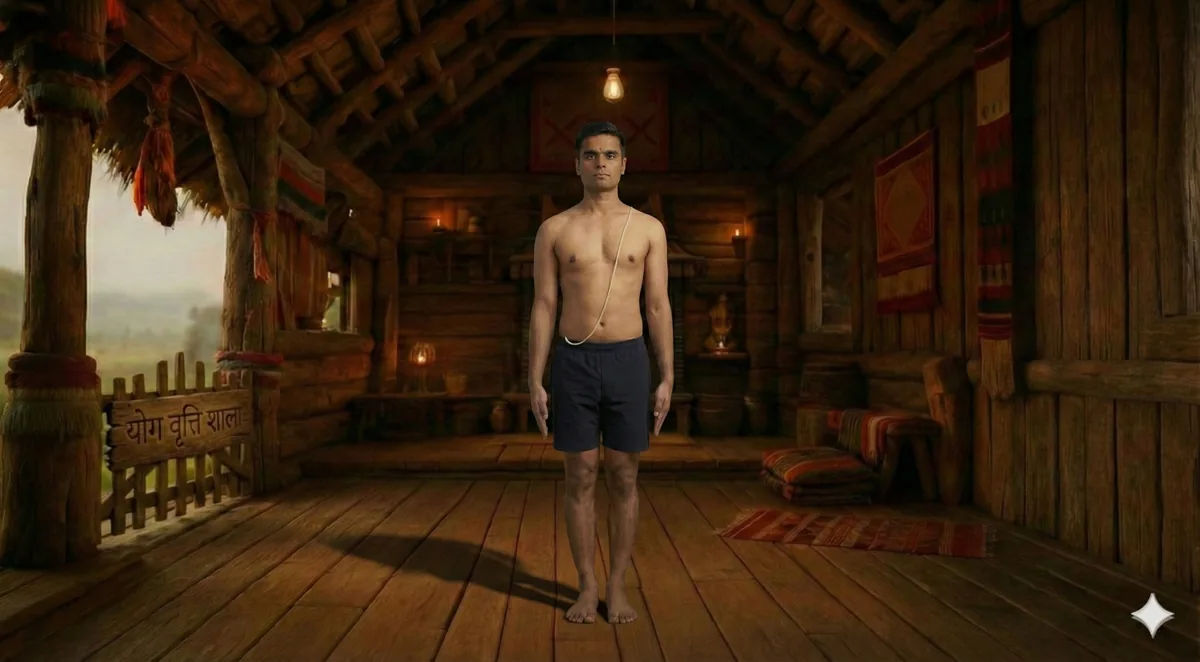
Tadasana में खड़े हो जाएं, दोनों पैर एक साथ रखें।
दाहिने पैर को मोड़ें और दाहिने पैर के तलवे को बाईं जांघ के अंदरूनी हिस्से पर रखें।
सुनिश्चित करें कि दाहिनी एड़ी बाईं जंघा के करीब हो।
बाएं पैर को मजबूत रखें और फर्श पर मजबूती से दबाएं।
श्वास लें और हाथों को छाती के सामने अंजलि मुद्रा में लाएं।
श्वास लेते हुए, हाथों को सिर के ऊपर उठाएं, उंगलियों को अलग रखें।
संतुलन बनाए रखें और 30-60 सेकंड तक रुकें, गहरी सांस लेते रहें।
श्वास छोड़ते हुए, हाथों को नीचे छाती के सामने लाएं।
दाहिने पैर को नीचे जमीन पर लाएं।
Tadasana में वापस आ जाएं।
दूसरे पैर से दोहराएं।
सहायक उपकरण
वैकल्पिक सहायता — आवश्यकतानुसार उपयोग करें
Wall
Practise near the wall so one fingertip can lightly touch it, giving the nervous system a safety anchor while building proprioceptive confidence.
Chair
A chair makes this pose fully accessible — use it for balance support, elevation, or to modify the range of motion.
सामान्य गलतियाँ
शिक्षण संकेत
अभ्यास क्रम
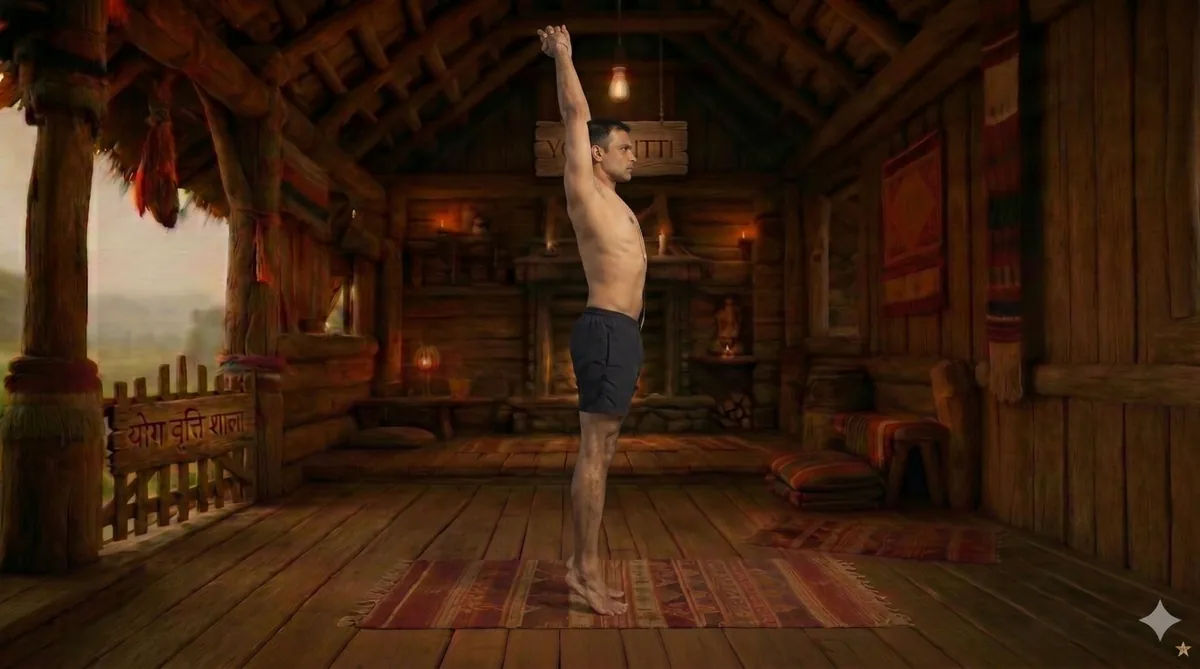
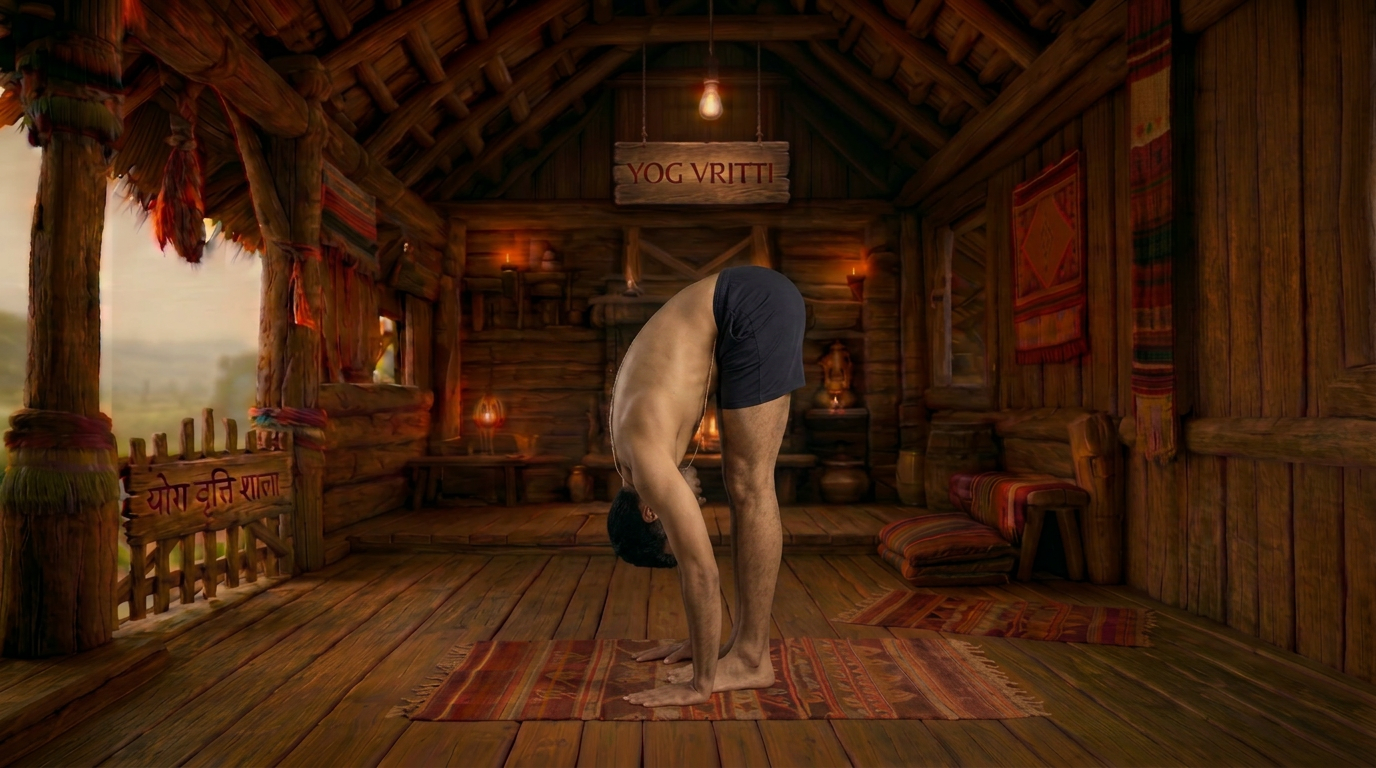
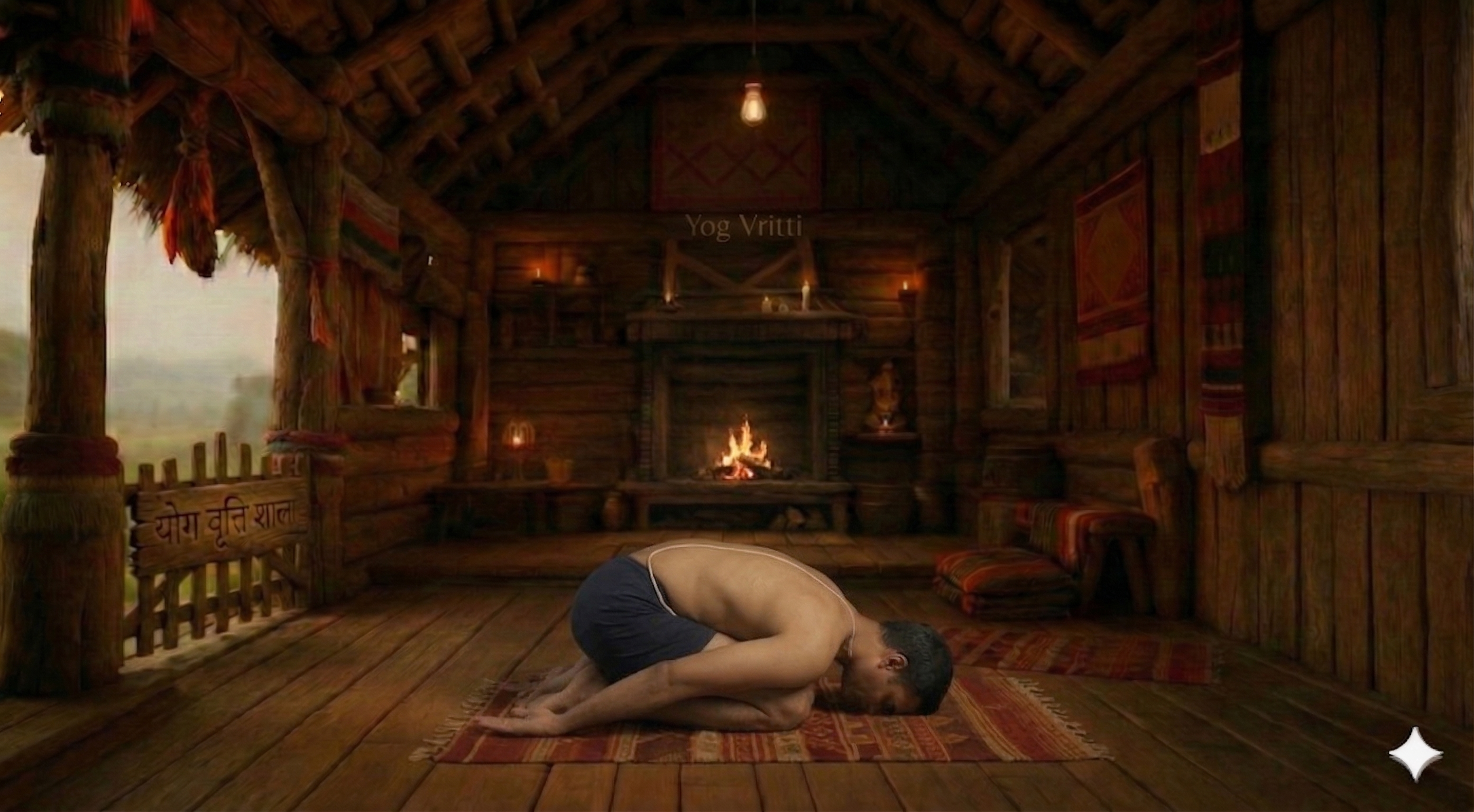
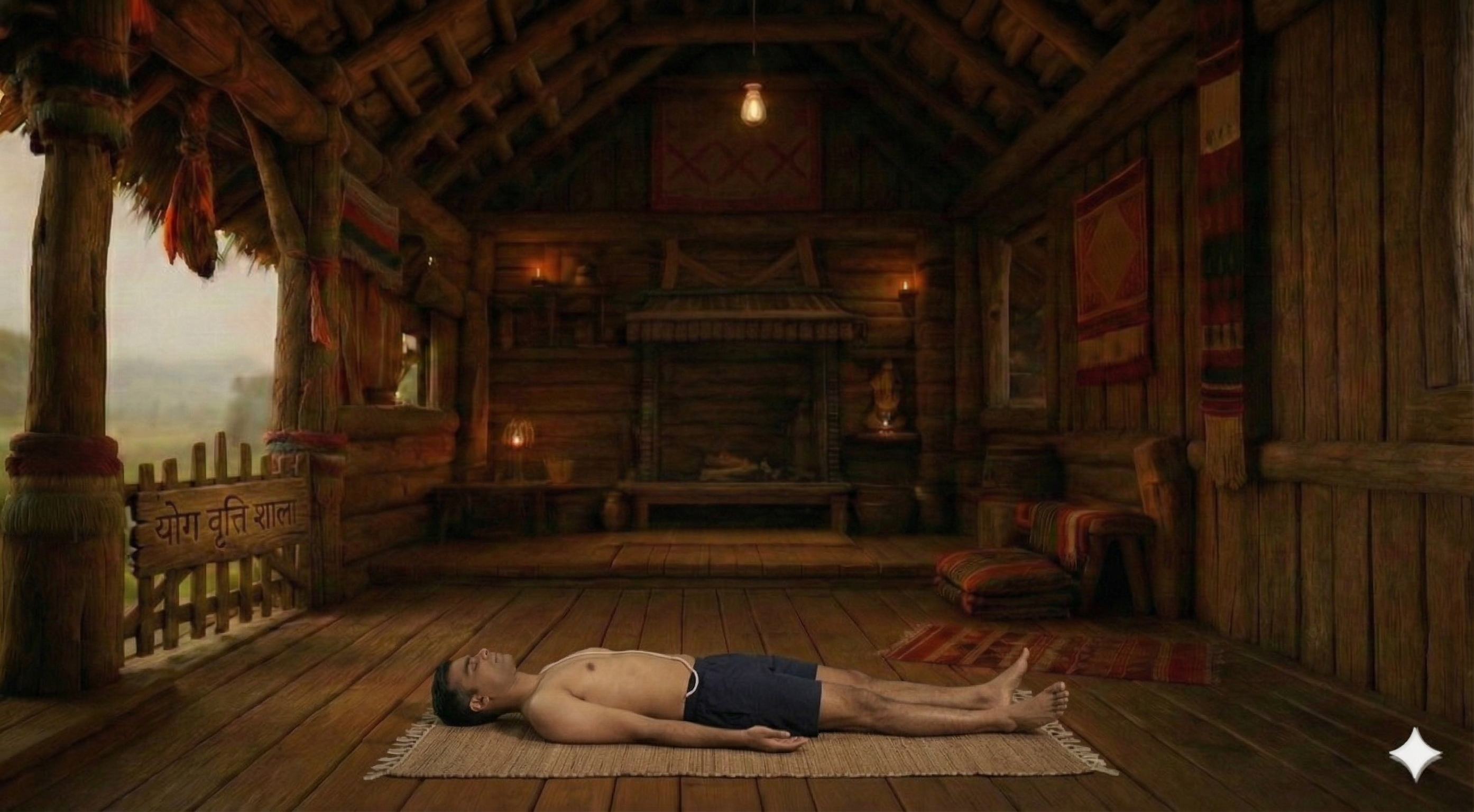
अक्सर पूछे जाने वाले प्रश्न
सालम्ब वृक्षासन के बारे में सामान्य प्रश्न
सालम्ब वृक्षासन क्या है?
सालम्ब वृक्षासन, या समर्थित वृक्ष आसन, एक संतुलन आसन है जो संतुलन, स्थिरता और एकाग्रता में सुधार करता है। यह पैरों, कोर और टखनों को मजबूत करता है, और जमीनी और शांतता की भावना को बढ़ावा देता है।
सालम्ब वृक्षासन के क्या फायदे हैं?
Improves balance and stability। Strengthens legs, core, and ankles। Increases focus and concentration।
सालम्ब वृक्षासन किस स्तर के लिए है?
सालम्ब वृक्षासन एक शुरुआती स्तर का आसन है। यह सभी के लिए उपयुक्त है।
सालम्ब वृक्षासन कौन न करे?
Low blood pressure, Insomnia, Headaches की स्थिति में यह आसन न करें।
सालम्ब वृक्षासन के लिए कौन से उपकरण चाहिए?
wall, chair का उपयोग इस आसन को आसान बना सकता है।