Unsupported Arm Balance
Niralambasana · निरालम्बासन
Also known as: Niralambasana · Free Plank
Unsupported Arm Balance, also called Niralambasana is a classical yoga posture. Its Sanskrit name Niralambasana translates word-for-word as: Niralambasana (Niralambasana) · Asana (Pose). In this posture, the body engages the posterior chain against the gentle resistance of gravity. The posture works to release the lower back, activate the glutes and open and strengthen the shoulders. Improves posture. Builds back endurance. It is particularly valued for alleviating back discomfort and improving overall posture. Suitable for intermediate practitioners with foundational yoga experience, it is an excellent warm-up, particularly beneficial for beginners. Practitioners with pregnancy and abdominal surgery should approach with care or consult a qualified teacher.
Anatomy Involved
Benefits
Spinal Erectors(strengthening)
The deep muscles running alongside your spine, from the sacrum all the way up to the skull (erector spinae group), are intensely engaged here. They work concentrically to extend the spine, lifting the chest and head against gravity, and isometrically to hold the lift. This sustained effort builds incredible endurance and strength in the primary postural muscles, directly counteracting slumping and supporting the natural curves of the spine. Energetically, this activation awakens the central axis, allowing Prana to flow freely along the sushumna nadi, fostering alertness and vitality.
Buttocks(strengthening)
Your largest buttock muscles (gluteus maximus) are key players in lifting the legs high off the floor. They powerfully extend the hip joint, working in concert with the hamstrings to create the lift and sustain it. This engagement builds strength in the posterior hips, which is vital for pelvic stability and preventing excessive strain on the lower back. Yogically, strong glutes ground our lower body, connecting us to the earth and supporting the upward flow of Apana Vayu, providing a sense of rooted power and stability.
Shoulder Blade Stabilizers and Deltoids(strengthening)
The muscles surrounding your shoulder blades (trapezius and rhomboids) work to draw the shoulder blades down and towards the spine, stabilizing them as the arm muscles (deltoids) lift the arms forward and up. This coordinated effort opens the chest and prevents the shoulders from shrugging towards the ears, creating length from the fingertips to the toes. This integrated strength in the upper back and shoulders cultivates an open heart space, fostering courage and the energetic quality of anahata chakra.
- Full anatomical benefits — muscles, joints, organs →
Avoid If
Back Injury / Back Pain
Spinal flexion, extension, or rotation under load can compress vertebral discs or strain the paraspinal muscles.
Limit the depth of the backbend, engage the core actively before moving, and avoid any movement that creates pinching in the lumbar spine.
Pregnancy
Deep twists, abdominal compression, and lying flat on the back can restrict blood flow or cause discomfort as pregnancy progresses.
Widen the stance, avoid deep abdominal compression and twists, and consult a qualified prenatal yoga teacher.
Recent Surgery
Surgical wounds and healing tissues need time before being subjected to the mechanical stress of yoga postures.
Wait for full medical clearance from your surgeon; begin with gentle breath work and progress only as healing allows.
Common Mistakes to Avoid
Teaching Cues
For yoga teachers — verbal cues to guide students
5 cues
Teaching Cues
For yoga teachers — verbal cues to guide students
- 1Press the pubic bone gently into the floor
- 2Engage the legs by pressing the tops of the feet down
- 3Lengthen the back of the neck — gaze slightly forward
- 4Draw the shoulder blades toward the spine
- 5Keep the gluteal muscles firm but not clenched
Pose Details
Helps With
Pose Type
Body Focus
Focus Areas
Best For
Yoga Styles
When to Practice
Position
Modify If You Have
back pain
Lift only arms OR only legs — not both simultaneously.
Target Areas
Practice Flow
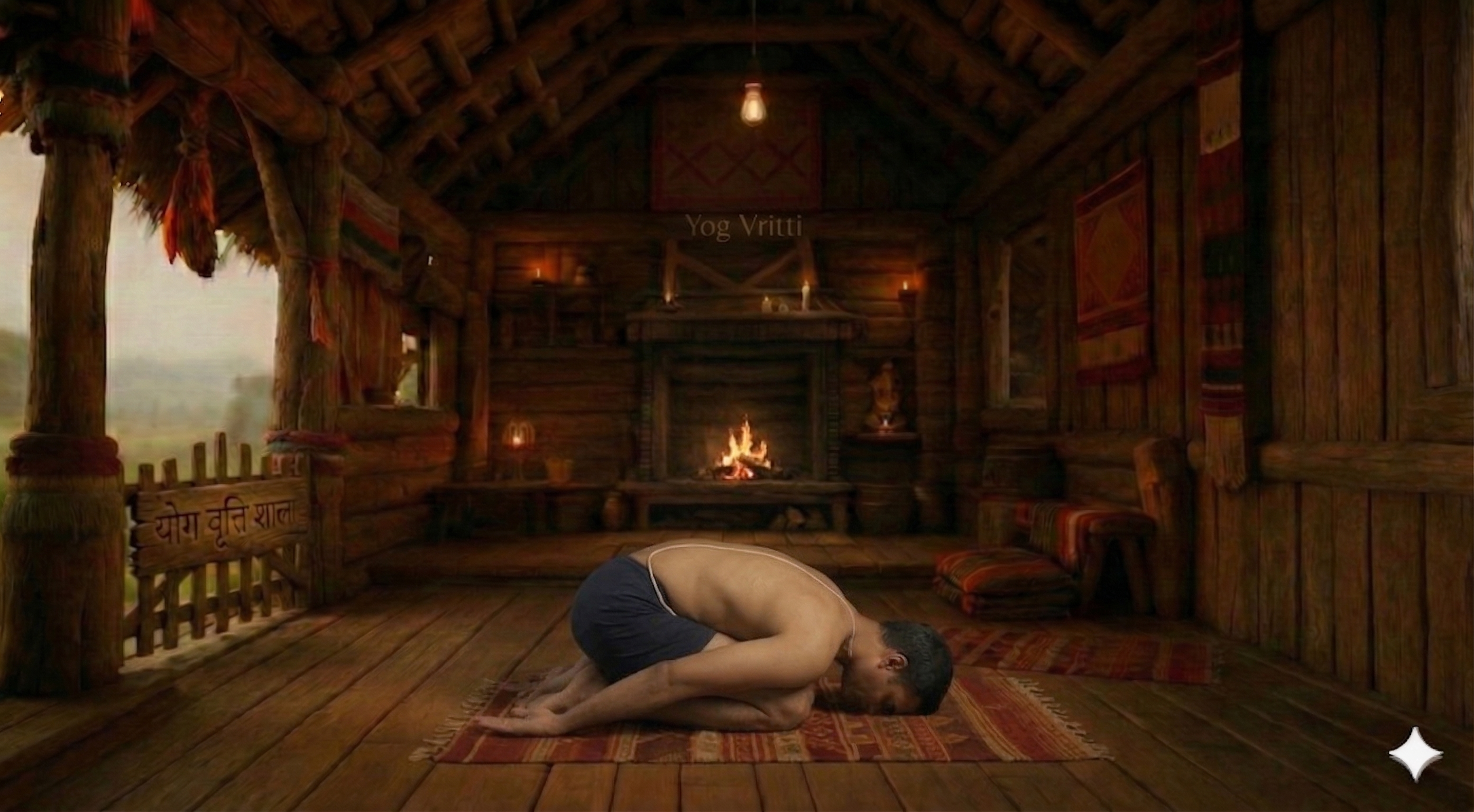
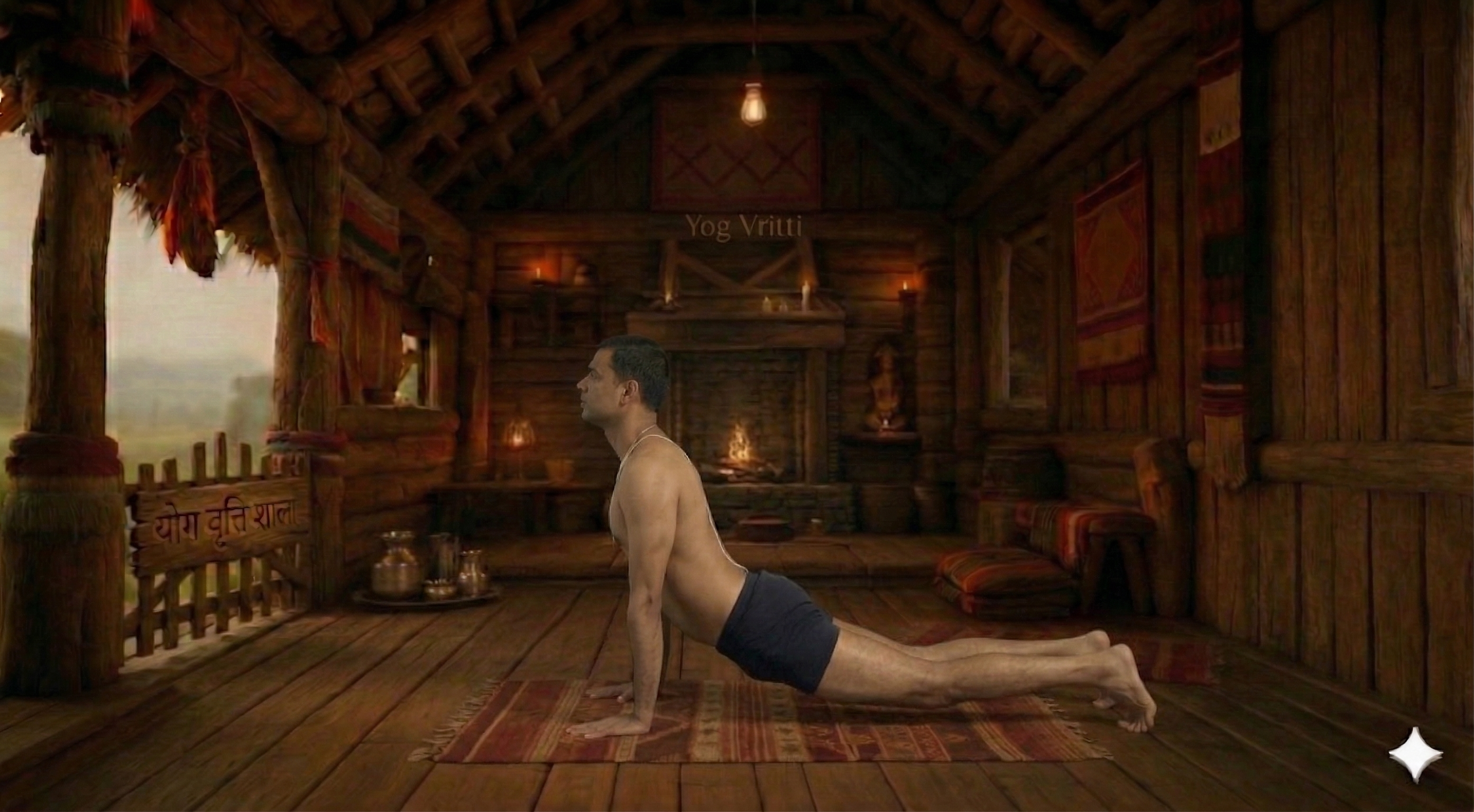
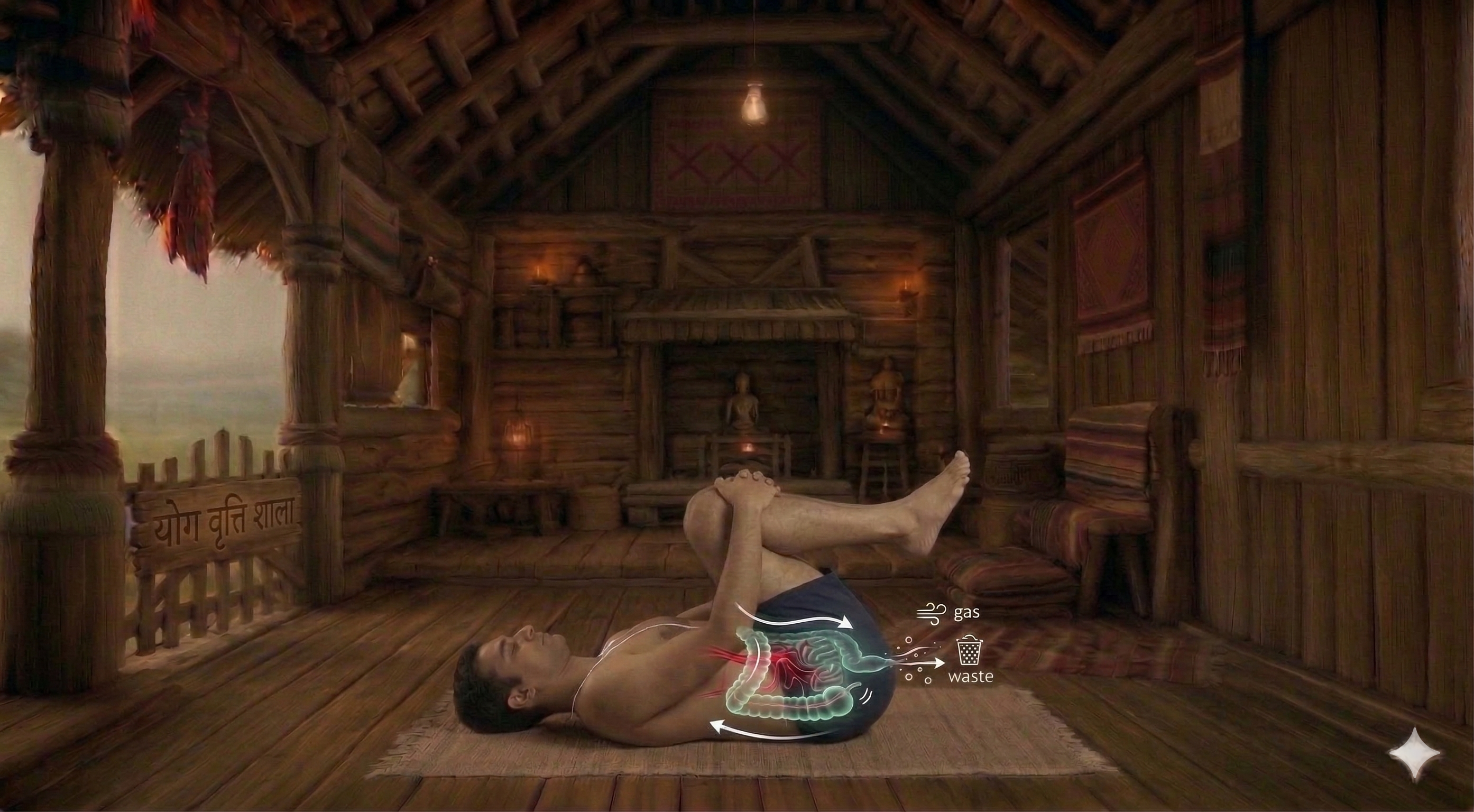
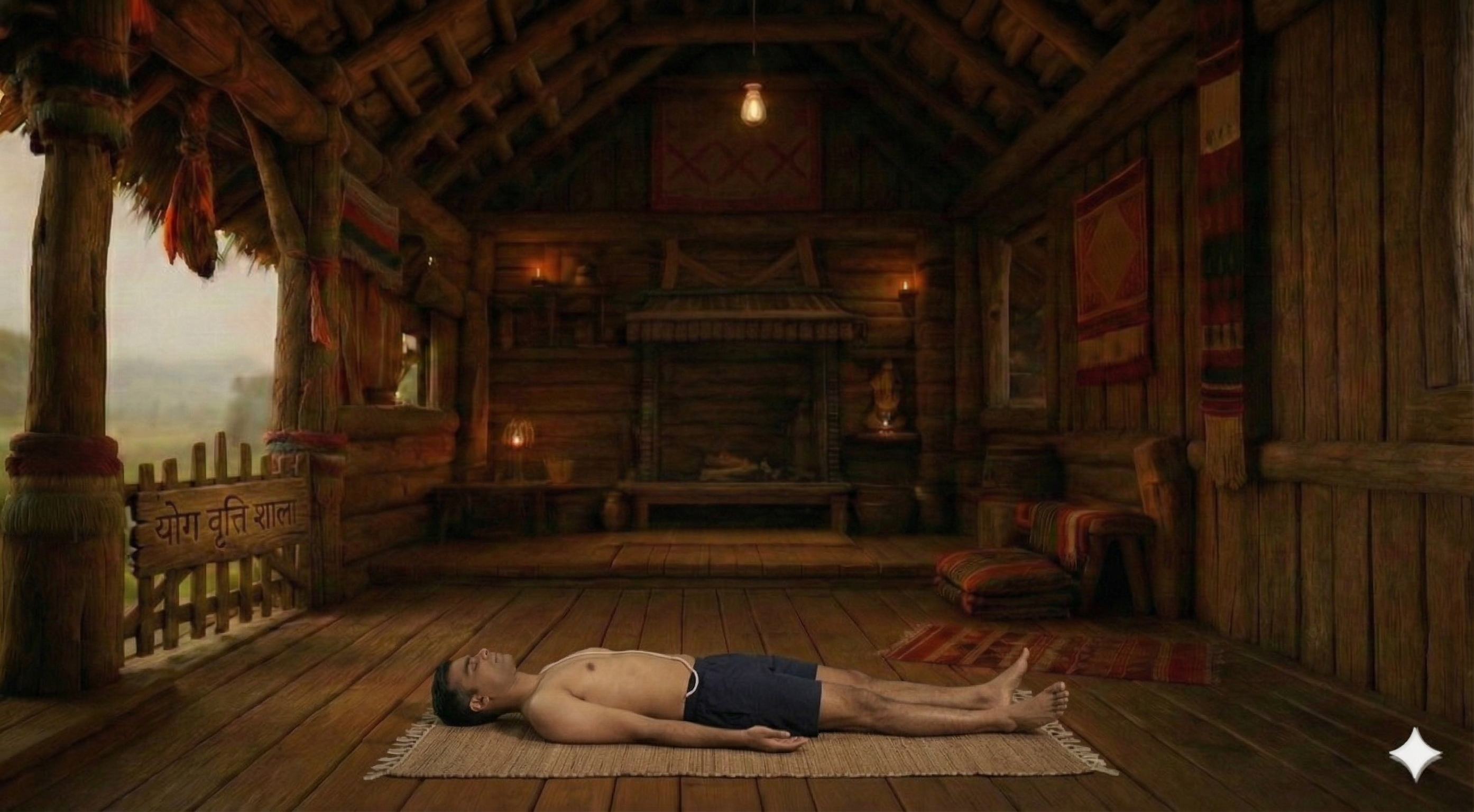
How to Practice
1. Lie face down, arms extended forward.
2. Legs straight, toes pointing back.
3. Forehead on the floor.
4. Inhale.
5. Simultaneously lift both arms, head, chest, and both legs off the floor.
5 more steps remaining
Register free to see the complete instructions
Register Free to ContinueAlready registered? Login
Frequently Asked Questions
Common questions about Niralambasana
What is Unsupported Arm Balance?
Unsupported Arm Balance, also called Niralambasana is a classical yoga posture. Its Sanskrit name Niralambasana translates word-for-word as: Niralambasana (Niralambasana) · Asana (Pose). In this posture, the body engages the posterior chain against the gentle resistance of gravity. The posture works to release the lower back, activate the glutes and open and strengthen the shoulders. Improves posture. Builds back endurance. It is particularly valued for alleviating back discomfort and improving overall posture. Suitable for intermediate practitioners with foundational yoga experience, it is an excellent warm-up, particularly beneficial for beginners. Practitioners with pregnancy and abdominal surgery should approach with care or consult a qualified teacher.
What are the benefits of Unsupported Arm Balance?
Strengthens entire posterior chain. Improves posture. Builds back endurance. Tones glutes and hamstrings.
Who should avoid Unsupported Arm Balance?
Avoid this pose if you have: Severe lower back pain, Pregnancy, Recent abdominal surgery.
How many steps are in Unsupported Arm Balance?
Unsupported Arm Balance is practiced in 10 steps. Lie face down, arms extended forward.
Is Unsupported Arm Balance suitable for beginners?
Unsupported Arm Balance is an intermediate-level pose. Beginners should practice with props or under guidance.
What conditions does Unsupported Arm Balance help with?
Unsupported Arm Balance is therapeutic for: back pain, posture correction, strength.
What poses should I do before Unsupported Arm Balance?
Prepare with: Adho Mukha Virasana (Child's Pose), Bhujangasana. These warm up the relevant muscles and joints.
Related Poses
Similar poses you might enjoy


Build Your Own Sequence
Combine Niralambasana with other poses