Locust Pose Ankle Flex Variation
Salabhasana (variation with ankle dorsiflexion) · शलभासन (टखने के पृष्ठीय विस्तार के साथ विविधता)
Also known as: Dorsiflexion Locust
Locust Pose Ankle Flex Variation, also called Dorsiflexion Locust is a classical yoga posture. Its Sanskrit name Salabhasana (variation with ankle dorsiflexion) translates word-for-word as: Salabha (Locust / Grasshopper) · Asana (Pose). Performed lying down, the body engages the posterior chain against the gentle resistance of gravity. The posture works to strengthen and extend the back. Engages the shin muscles for complete leg strengthening. Builds posterior chain endurance. It is particularly valued for building full-body strength and improving overall posture. Suitable for beginners and regular practitioners alike, it is an excellent warm-up, particularly beneficial for beginners. Practitioners with abdominal surgery and pregnancy should approach with care or consult a qualified teacher.
Anatomy Involved
Benefits
Spinal Erectors(strengthening)
These long muscles run vertically alongside your spine, from your pelvis all the way up to your skull. In Salabhasana, they actively contract to lift your chest and head away from the floor, working against gravity to extend the spinal column. This isometric and concentric work builds endurance and strength in the muscles responsible for maintaining upright posture, directly counteracting the slumping often seen in modern life. The sustained engagement awakens the 'agni' or inner fire in the core, translating into a feeling of invigorated stability and confidence in your upright stance.
Glutes(hip extension, external rotation)
The gluteal muscles, while primarily responsible for lifting the legs, find a heightened sense of purpose in this variation. The dorsiflexed foot provides a clear point of energetic extension, demanding that the glutes work more precisely to stabilize and elevate the entire lengthened limb. This fosters a deeper understanding of how the power generated from the buttocks can extend with control through the entire leg, connecting directly to the active foot.
Hamstrings(hip extension, knee flexion)
In this variation, the hamstrings are called to integrate more deeply with the lower leg. As the anterior tibialis actively dorsiflexes the foot, the hamstrings must work with a refined precision, drawing energy from the engaged heel upwards to lift the thigh. This creates a continuous, intelligent line of strength along the back of the leg, enhancing the overall power and stability of the lift from the hip joint.
- Full anatomical benefits — muscles, joints, organs →
Avoid If
Back Injury / Back Pain
Spinal flexion, extension, or rotation under load can compress vertebral discs or strain the paraspinal muscles.
Limit the depth of the backbend, engage the core actively before moving, and avoid any movement that creates pinching in the lumbar spine.
Pregnancy
Deep twists, abdominal compression, and lying flat on the back can restrict blood flow or cause discomfort as pregnancy progresses.
Widen the stance, avoid deep abdominal compression and twists, and consult a qualified prenatal yoga teacher.
Recent Surgery
Surgical wounds and healing tissues need time before being subjected to the mechanical stress of yoga postures.
Wait for full medical clearance from your surgeon; begin with gentle breath work and progress only as healing allows.
Common Mistakes to Avoid
Teaching Cues
For yoga teachers — verbal cues to guide students
5 cues
Teaching Cues
For yoga teachers — verbal cues to guide students
- 1Press the pubic bone gently into the floor
- 2Engage the legs by pressing the tops of the feet down
- 3Lengthen the back of the neck — gaze slightly forward
- 4Draw the shoulder blades toward the spine
- 5Keep the gluteal muscles firm but not clenched
Pose Details
Helps With
Pose Type
Body Focus
Focus Areas
Best For
Yoga Styles
When to Practice
Position
Modify If You Have
back pain
Lift only one leg at a time, keep hands under hips for support, or keep forehead on the floor.
neck pain
Keep the head down with the forehead on the floor or a blanket.
spinal injury
Consult a doctor; only very gentle lifts with minimal range of motion, or avoid.
pregnancy
Avoid prone positions; substitute with alternative back strengthening poses.
hypertension
Avoid strong lifts; keep movements gentle and controlled, or keep chest down.
Target Areas
Practice Flow
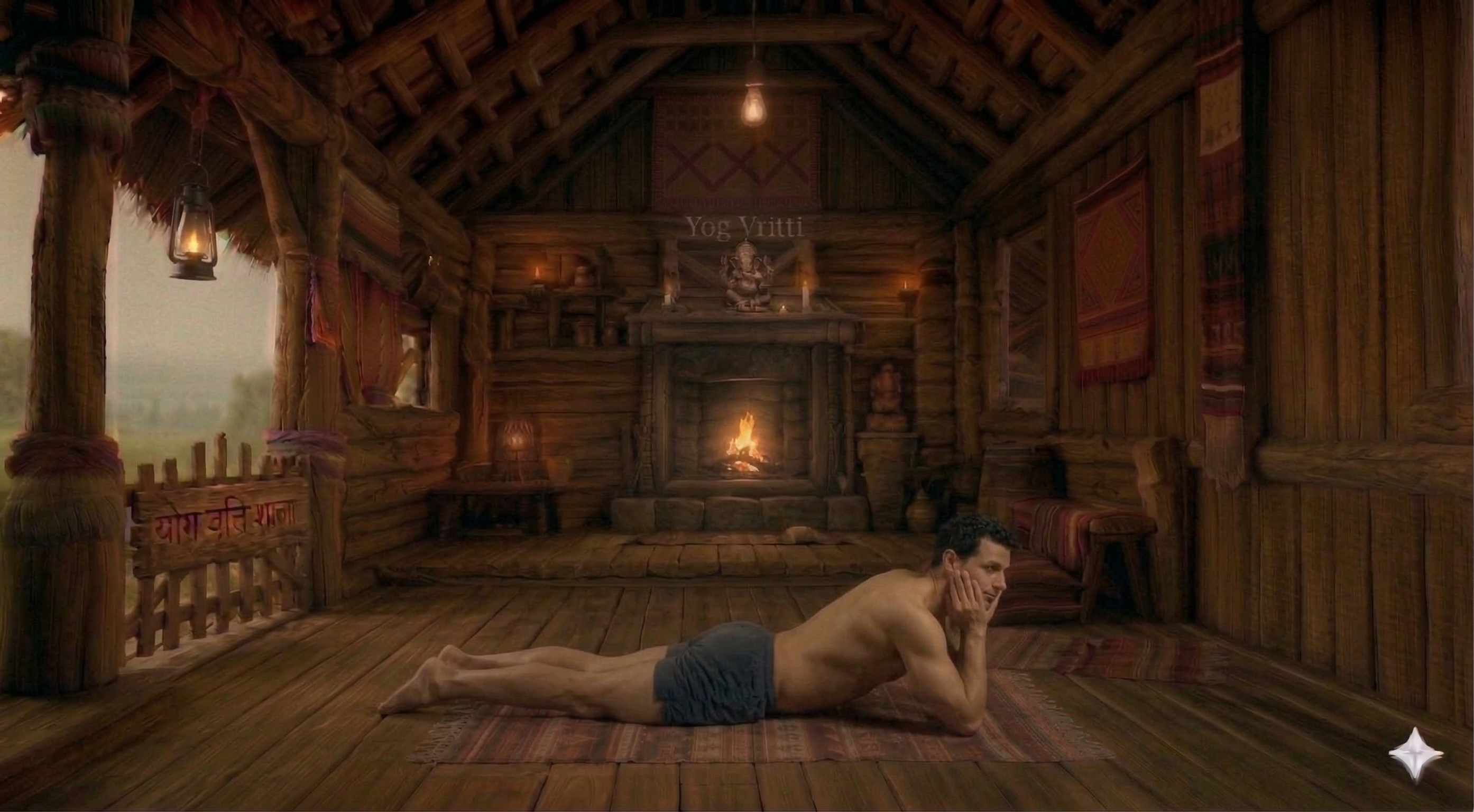
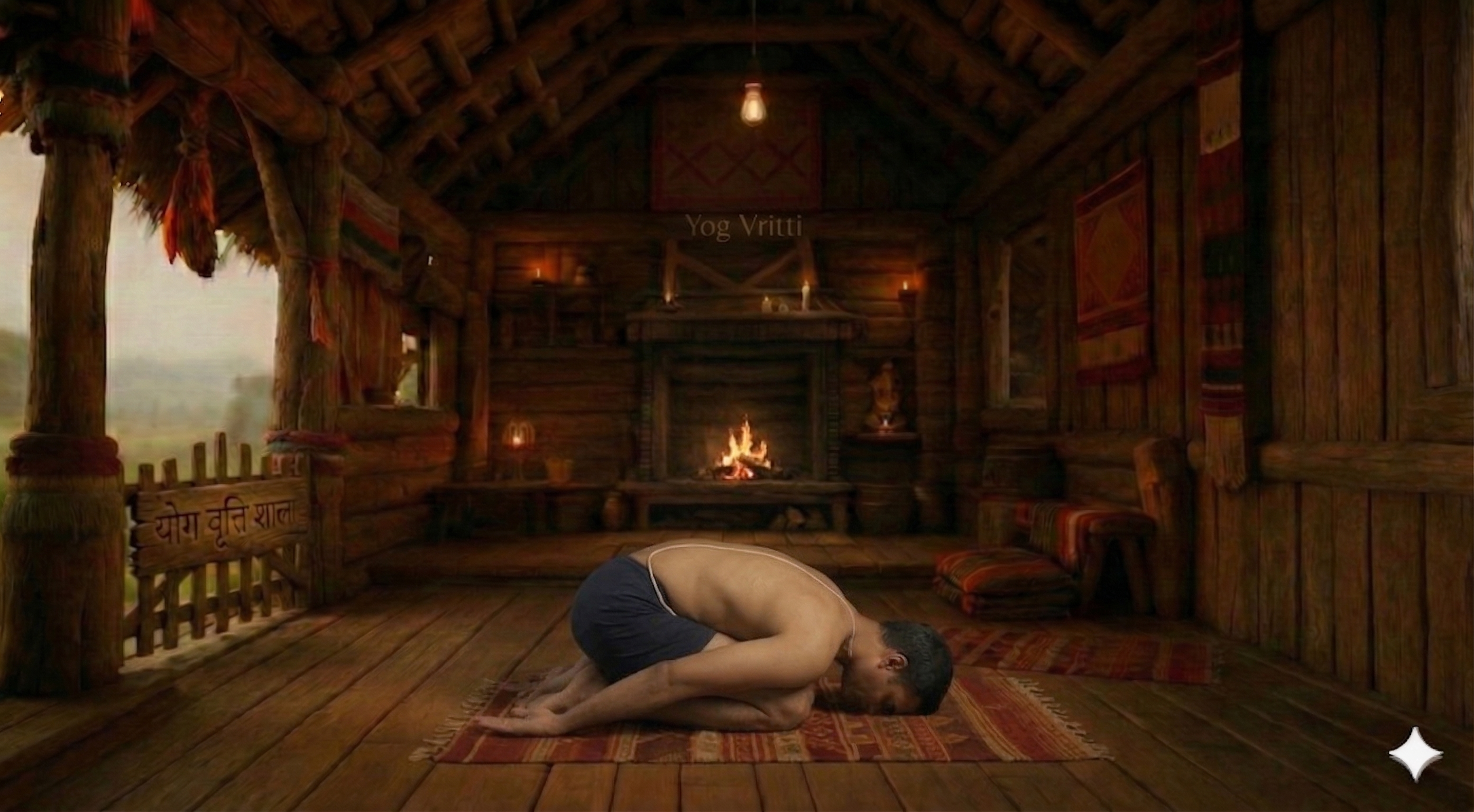
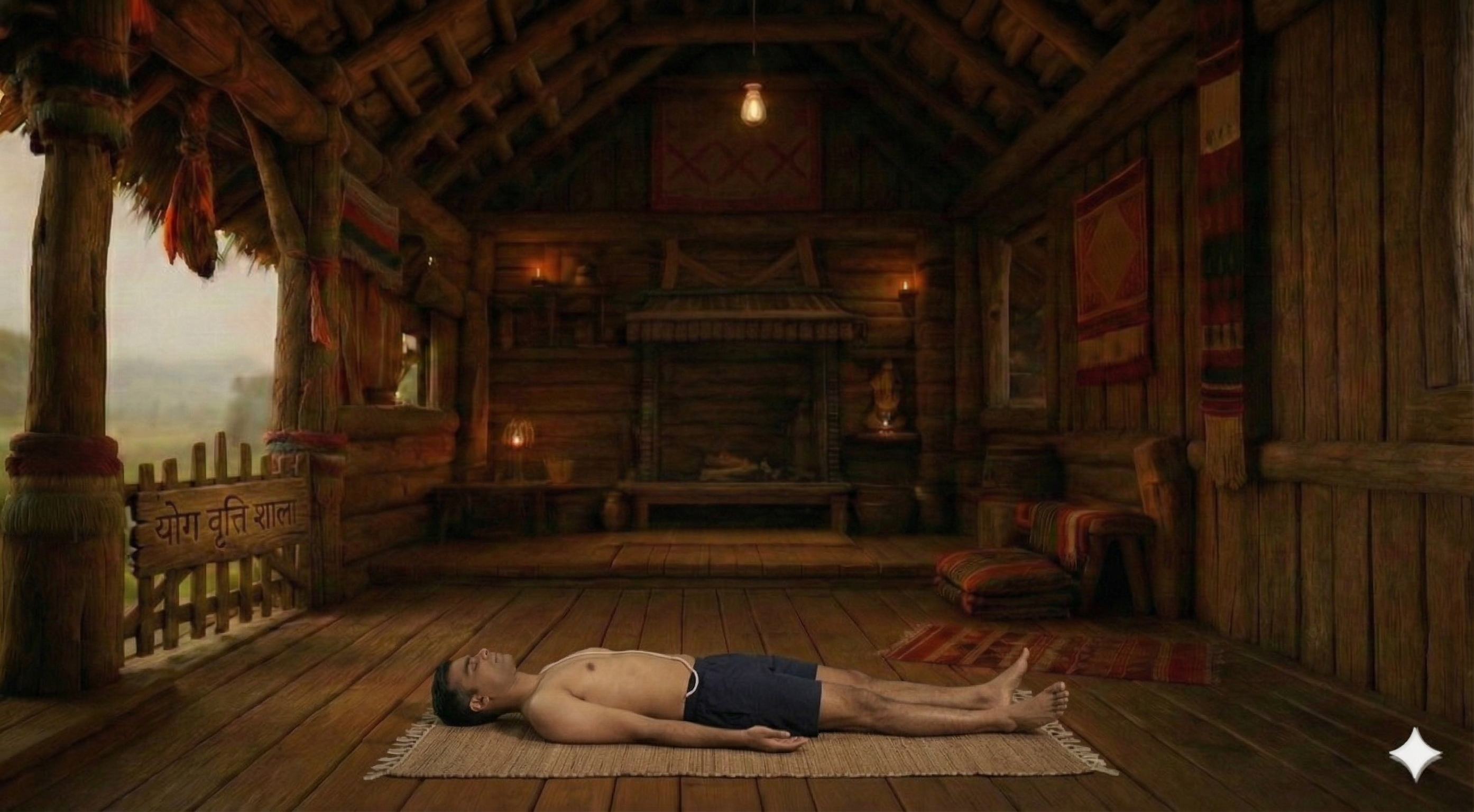
How to Practice
1. Lie face down on your mat with your arms alongside your body, palms facing down.
2. Extend your legs straight back, hip-width apart.
3. Actively dorsiflex your ankles, drawing your toes towards your shins.
4. Engage your gluteus maximus and hamstrings to lift your legs off the floor.
5. Simultaneously lift your chest off the floor, drawing your shoulder blades down your back.
5 more steps remaining
Register free to see the complete instructions
Register Free to ContinueAlready registered? Login
Modifications
Adaptive versions for different needs
Gentle Salabhasana with Dorsiflexion
For: beginner
A modified version of Salabhasana where only the legs are lifted, keeping the chest on the mat. This reduces the intensity of the backbend while still engaging the tibialis anterior through ankle dorsiflexion.
Featured in Sequences
Practice Salabhasana (variation with ankle dorsiflexion) as part of these guided sequences
Frequently Asked Questions
Common questions about Salabhasana (variation with ankle dorsiflexion)
What is Locust Pose Ankle Flex Variation?
Locust Pose Ankle Flex Variation, also called Dorsiflexion Locust is a classical yoga posture. Its Sanskrit name Salabhasana (variation with ankle dorsiflexion) translates word-for-word as: Salabha (Locust / Grasshopper) · Asana (Pose). Performed lying down, the body engages the posterior chain against the gentle resistance of gravity. The posture works to strengthen and extend the back. Engages the shin muscles for complete leg strengthening. Builds posterior chain endurance. It is particularly valued for building full-body strength and improving overall posture. Suitable for beginners and regular practitioners alike, it is an excellent warm-up, particularly beneficial for beginners. Practitioners with abdominal surgery and pregnancy should approach with care or consult a qualified teacher.
What are the benefits of Locust Pose Ankle Flex Variation?
Strengthens the back and glutes. Engages the shin muscles for complete leg strengthening. Builds posterior chain endurance. Improves ankle stability. Tones the legs comprehensively.
Who should avoid Locust Pose Ankle Flex Variation?
Avoid this pose if you have: Acute back injury, Pregnancy, Recent abdominal surgery.
How many steps are in Locust Pose Ankle Flex Variation?
Locust Pose Ankle Flex Variation is practiced in 10 steps. Lie face down on your mat with your arms alongside your body, palms facing down.
Is Locust Pose Ankle Flex Variation suitable for beginners?
Yes, Locust Pose Ankle Flex Variation is a beginner-friendly pose suitable for all levels.
What conditions does Locust Pose Ankle Flex Variation help with?
Locust Pose Ankle Flex Variation is therapeutic for: strength, posture correction, back pain, sciatica, flexibility.
What poses should I do before Locust Pose Ankle Flex Variation?
Prepare with: Salabhasana, Makarasana, Adho Mukha Virasana (Child's Pose). These warm up the relevant muscles and joints.
Build Your Own Sequence
Combine Salabhasana (variation with ankle dorsiflexion) with other poses