Supported Locust Pose
Salabhasana Variation (Blanket under Hips) · शलभासन (हिप्स के नीचे कंबल के साथ विविधता)
Also known as: Blanket Locust · Gentle Locust
Supported Locust Pose, also called Blanket Locust is a classical yoga posture. Its Sanskrit name Salabhasana Variation (Blanket under Hips) translates word-for-word as: Salabha (Locust / Grasshopper) · Asana (Pose). Performed lying down, the body engages the posterior chain against the gentle resistance of gravity. The posture works to strengthen and extend the back and release tension in the hips. Protects the lower back. Strengthens the back extensors progressively. It is particularly valued for alleviating back discomfort and improving overall posture. Suitable for beginners and regular practitioners alike, it is an excellent warm-up, particularly beneficial for beginners and seniors. A blanket can be used to make the posture more accessible and support correct alignment. Practitioners with spinal injury and abdominal surgery should approach with care or consult a qualified teacher.
Anatomy Involved
Benefits
Spinal Erectors(strengthening | lifting)
The blanket under the hips provides an initial lift to the pelvis, acting as a gentle fulcrum. This significantly reduces the primary demand on the lumbar spinal erectors to initiate the deepest part of the backbend, allowing for a more gradual and sustained engagement throughout the entire length of the spine. Practitioners can then focus on extending the thoracic spine with greater awareness, cultivating a more even and less compressed backbend.
Glutes(strengthening | extending hips)
With the hips slightly elevated, the gluteal muscles can engage more effectively to extend the thighs without having to overcome the full gravitational pull from a flat position. This support allows for a more refined activation, encouraging a balanced engagement of all gluteal fibers for hip extension and external rotation, rather than just brute force. It helps stabilize the pelvis, preventing excessive strain on the sacroiliac joint and promoting a more integrated lift.
Hamstrings(strengthening | extending hips and knees)
The blanket support under the hips lightens the load on the hamstrings, making it easier to lift the legs from the hip joint. This allows for a more conscious engagement of these muscles, encouraging a balance between strength and length as they work to extend the knees and lift the entire leg. The reduced strain can help prevent cramping and facilitate a smoother, more controlled leg lift, fostering greater awareness of the posterior chain.
- Full anatomical benefits — muscles, joints, organs →
Avoid If
Back Injury / Back Pain
Spinal flexion, extension, or rotation under load can compress vertebral discs or strain the paraspinal muscles.
Limit the depth of the backbend, engage the core actively before moving, and avoid any movement that creates pinching in the lumbar spine.
Pregnancy
Deep twists, abdominal compression, and lying flat on the back can restrict blood flow or cause discomfort as pregnancy progresses.
Widen the stance, avoid deep abdominal compression and twists, and consult a qualified prenatal yoga teacher.
Hernia
Strong abdominal compression and breath-holding under strain increase intra-abdominal pressure and can worsen a hernia.
Avoid any posture that causes pressure or bulging in the abdomen; work with a qualified teacher and your healthcare provider.
Props That Can Help
Optional supports — use when helpful, not required
Folded Blanket
A rolled blanket under the thoracic spine opens the chest gently and supports the backbend, making it accessible as a restorative variation.
Common Mistakes to Avoid
Teaching Cues
For yoga teachers — verbal cues to guide students
6 cues
Teaching Cues
For yoga teachers — verbal cues to guide students
- 1Press the pubic bone gently into the floor
- 2Engage the legs by pressing the tops of the feet down
- 3Lengthen the back of the neck — gaze slightly forward
- 4Draw the shoulder blades toward the spine
- 5Keep the gluteal muscles firm but not clenched
- 6Surrender the weight of the body to the props and the floor
Pose Details
Helps With
Pose Type
Body Focus
Focus Areas
Best For
Yoga Styles
When to Practice
Position
Modify If You Have
neck pain
Keep head in line with spine, gaze down.
shoulder injury
Keep arms by sides, palms down.
back pain
Lift only one leg at a time, or keep lift very subtle.
sciatica
Avoid if it aggravates the nerve; lift legs less.
hip injury
Place more padding under hips, lift legs less high.
Target Areas
Practice Flow
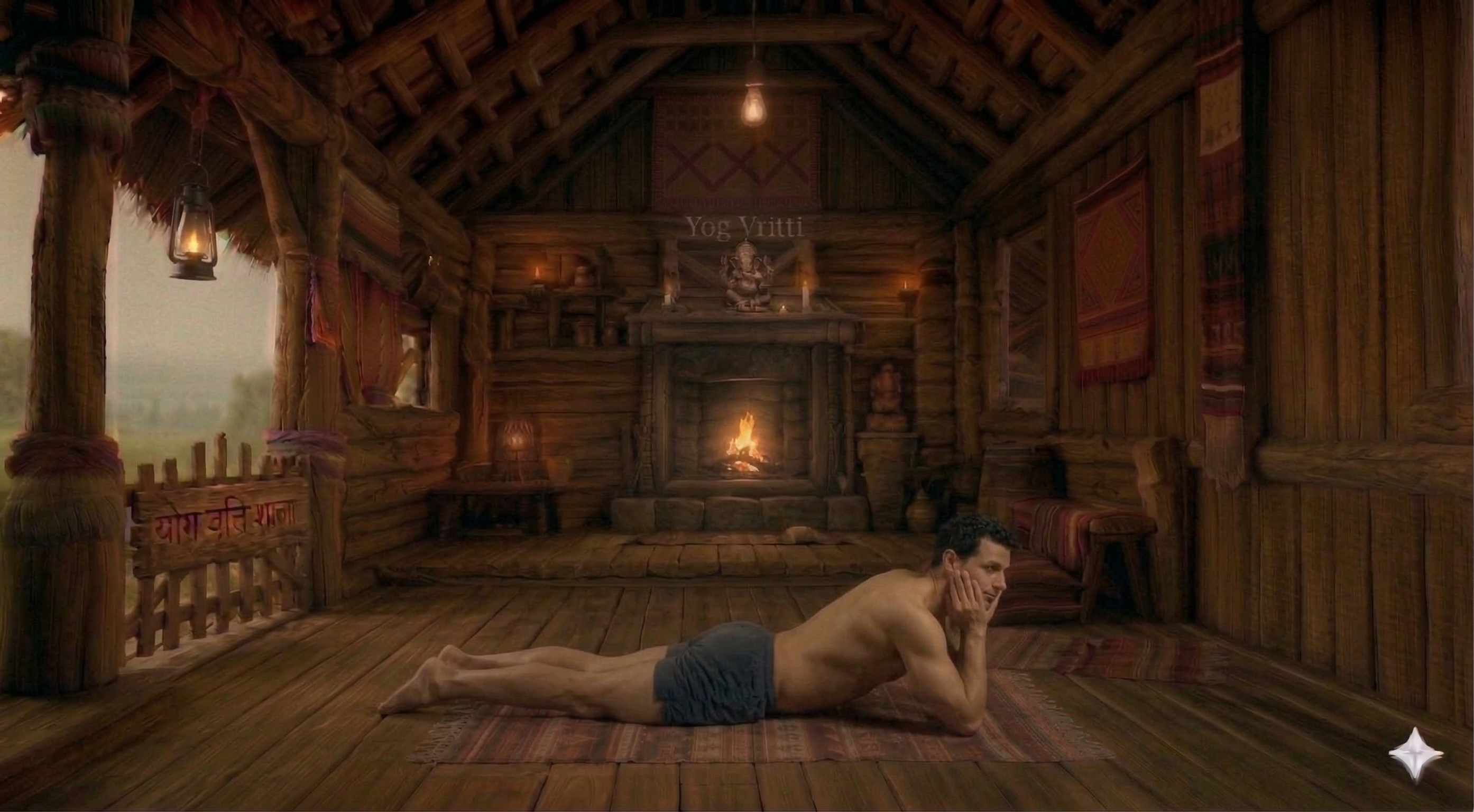
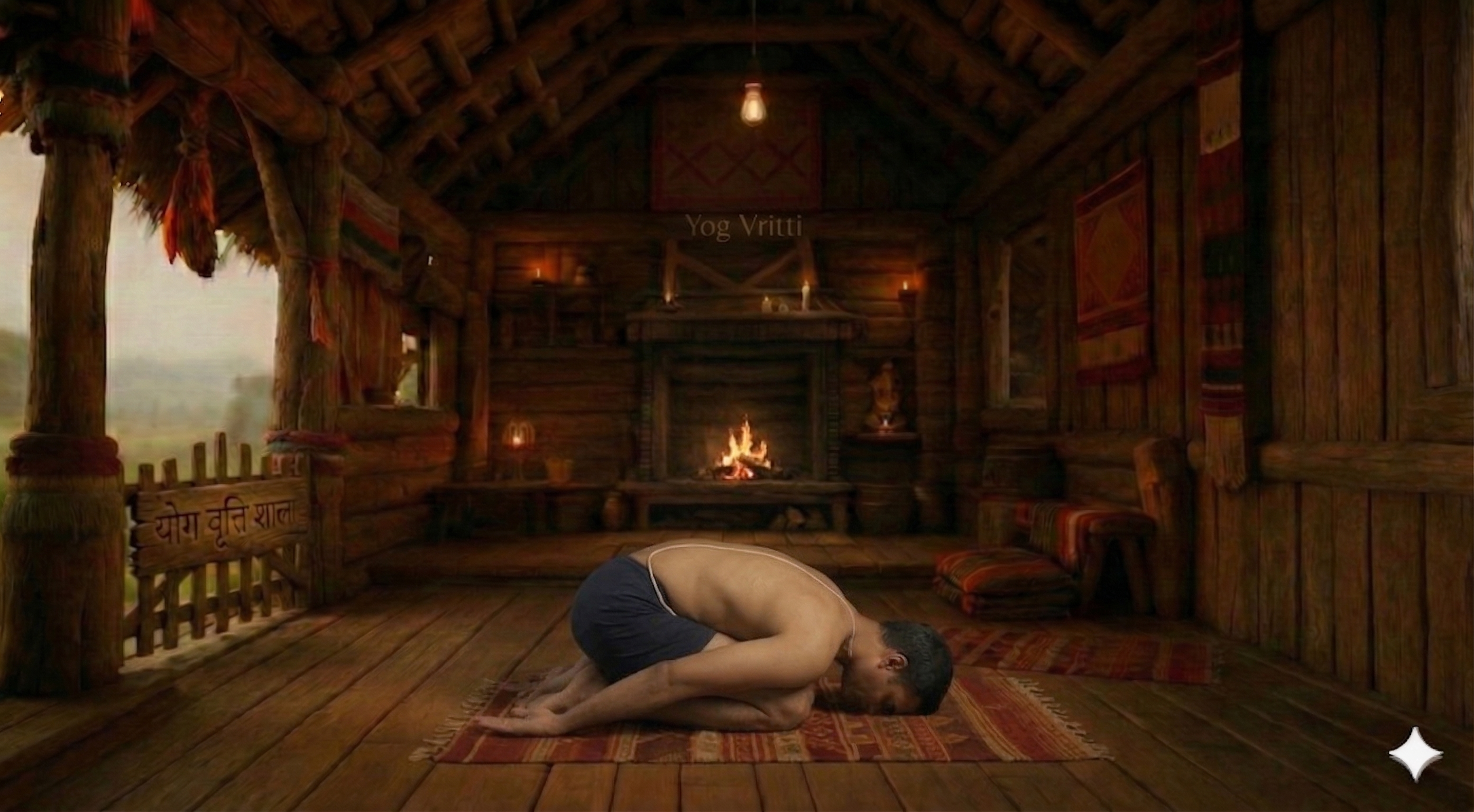
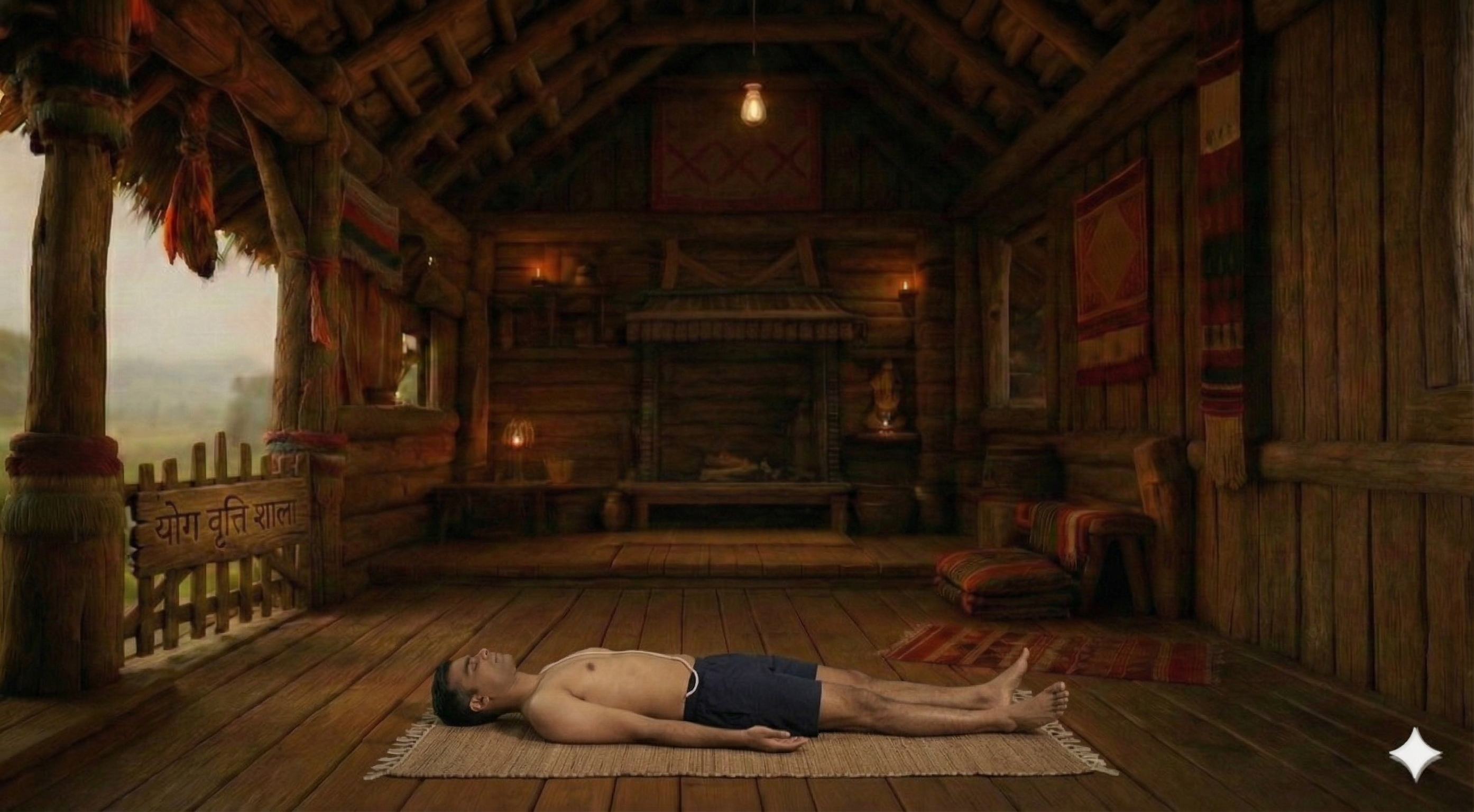
How to Practice
1. अपने hips के नीचे एक folded blanket रखें, यह सुनिश्चित करते हुए कि यह आपके anterior superior iliac spines (ASIS) को support करता है।
2. अपने forehead को floor पर टिकाकर और arms को अपने body के साथ, palms नीचे की ओर करके face down लेट जाएं।
3. अपने glutes और inner thighs को engage करें, उन्हें एक दूसरे की ओर खींचें।
4. सांस लेते हुए, अपने सिर, छाती और legs को एक साथ floor से ऊपर उठाएं, अपनी गर्दन को लम्बा रखें।
5. अपनी गर्दन पर straining से बचने के लिए अपनी gaze को floor की ओर नीचे रखें।
5 more steps remaining
Register free to see the complete instructions
Register Free to ContinueAlready registered? Login
Modifications
Adaptive versions for different needs
Gentle Salabhasana Variation: One Leg at a Time
For: beginner
This variation involves lifting one leg at a time, reducing the intensity of the backbend and making it more accessible for beginners. It isolates the hip extension movement and strengthens the glutes and hamstrings without overstressing the lower back.
Featured in Sequences
Practice Salabhasana Variation (Blanket under Hips) as part of these guided sequences
Frequently Asked Questions
Common questions about Salabhasana Variation (Blanket under Hips)
What is Supported Locust Pose?
Supported Locust Pose, also called Blanket Locust is a classical yoga posture. Its Sanskrit name Salabhasana Variation (Blanket under Hips) translates word-for-word as: Salabha (Locust / Grasshopper) · Asana (Pose). Performed lying down, the body engages the posterior chain against the gentle resistance of gravity. The posture works to strengthen and extend the back and release tension in the hips. Protects the lower back. Strengthens the back extensors progressively. It is particularly valued for alleviating back discomfort and improving overall posture. Suitable for beginners and regular practitioners alike, it is an excellent warm-up, particularly beneficial for beginners and seniors. A blanket can be used to make the posture more accessible and support correct alignment. Practitioners with spinal injury and abdominal surgery should approach with care or consult a qualified teacher.
What are the benefits of Supported Locust Pose?
Makes backbending accessible with reduced strain. Protects the lower back. Strengthens the back extensors progressively. Builds confidence in prone backbends. Suitable for beginners and those with back sensitivity.
Who should avoid Supported Locust Pose?
Avoid this pose if you have: Acute back injury, Pregnancy, Hernia.
How many steps are in Supported Locust Pose?
Supported Locust Pose is practiced in 10 steps. अपने hips के नीचे एक folded blanket रखें, यह सुनिश्चित करते हुए कि यह आपके anterior superior iliac spines (ASIS) को support करता है।
Is Supported Locust Pose suitable for beginners?
Yes, Supported Locust Pose is a beginner-friendly pose suitable for all levels.
What props are needed for Supported Locust Pose?
You may use: blanket. Props make the pose more accessible and comfortable.
What conditions does Supported Locust Pose help with?
Supported Locust Pose is therapeutic for: back pain, posture correction, spinal injury, strength, flexibility.
What poses should I do before Supported Locust Pose?
Prepare with: Salabhasana, Makarasana, Adho Mukha Virasana (Child's Pose). These warm up the relevant muscles and joints.
Build Your Own Sequence
Combine Salabhasana Variation (Blanket under Hips) with other poses