Half Locust Pose
Salabhasana Variation One Leg Lifted · शलभासन भिन्नता एक पाद उत्थापित
Also known as: One-Leg Locust · Ardha Salabhasana
Half Locust Pose, also called One-Leg Locust is a classical yoga posture. Its Sanskrit name Salabhasana Variation One Leg Lifted translates word-for-word as: Salabha (Locust / Grasshopper) · Asana (Pose). In this posture, the body engages the posterior chain against the gentle resistance of gravity. The posture works to activate the glutes, lengthen the hamstrings and engage the core. Tones glutes and hamstrings. Improves posture. Suitable for intermediate practitioners with foundational yoga experience, it is an excellent warm-up, particularly beneficial for intermediate and athletes. A blanket can be used to make the posture more accessible and support correct alignment. Practitioners with migraine and hypertension should approach with care or consult a qualified teacher.
Anatomy Involved
Benefits
Spinal Erectors(strengthening)
While still powerfully engaged to lift the torso, the spinal erectors in this variation are challenged to a greater degree to maintain a level and stable spine, resisting the tendency for the pelvis to tilt or rotate as one leg lifts. This unilateral load requires more precise, nuanced engagement to keep the torso centered and lifted without strain, enhancing spinal awareness and control against asymmetrical forces. They work to lengthen the spine from the sacrum to the crown, ensuring even lift and protection.
Glutes(strengthening)
While both glutes engage in the root Salabhasana, here the glute of the *lifted leg* works with heightened intensity to initiate and sustain hip extension, lifting the leg directly away from the floor. Simultaneously, the glute of the *grounded leg* becomes a critical stabilizer, anchoring the pelvis and preventing it from tilting or rotating excessively. This creates a deeper sense of unilateral power and pelvic integrity, fostering a more balanced and grounded foundation.
Hamstrings(strengthening)
The hamstrings of the *lifted leg* are called upon more acutely to assist the glutes in extending the hip and lifting the leg from the floor, contributing to the powerful upward thrust. This focused activation enhances the strength and awareness of the back of the thigh on the working side. On the *grounded side*, they subtly engage to maintain stability in the back of the thigh, ensuring the leg remains anchored and supportive without unnecessary tension.
- Full anatomical benefits — muscles, joints, organs →
Avoid If
Back Injury / Back Pain
Spinal flexion, extension, or rotation under load can compress vertebral discs or strain the paraspinal muscles.
Limit the depth of the backbend, engage the core actively before moving, and avoid any movement that creates pinching in the lumbar spine.
Pregnancy
Deep twists, abdominal compression, and lying flat on the back can restrict blood flow or cause discomfort as pregnancy progresses.
Widen the stance, avoid deep abdominal compression and twists, and consult a qualified prenatal yoga teacher.
Headache / Migraine
Physical exertion, inversions, and strong breath work can intensify an existing headache or trigger a migraine.
Avoid inversions and strong pranayama; rest in a supported, restorative posture with a cool cloth on the forehead.
High Blood Pressure
Vigorous effort and inverted positions temporarily raise blood pressure in the head, increasing strain on blood vessels.
Limit the depth of the backbend, breathe smoothly, and avoid holding the pose for extended periods.
Props That Can Help
Optional supports — use when helpful, not required
Folded Blanket
A rolled blanket under the thoracic spine opens the chest gently and supports the backbend, making it accessible as a restorative variation.
Common Mistakes to Avoid
Teaching Cues
For yoga teachers — verbal cues to guide students
5 cues
Teaching Cues
For yoga teachers — verbal cues to guide students
- 1Press the pubic bone gently into the floor
- 2Engage the legs by pressing the tops of the feet down
- 3Lengthen the back of the neck — gaze slightly forward
- 4Draw the shoulder blades toward the spine
- 5Keep the gluteal muscles firm but not clenched
Pose Details
Pose Type
Body Focus
Focus Areas
Best For
Yoga Styles
When to Practice
Position
Target Areas
Practice Flow
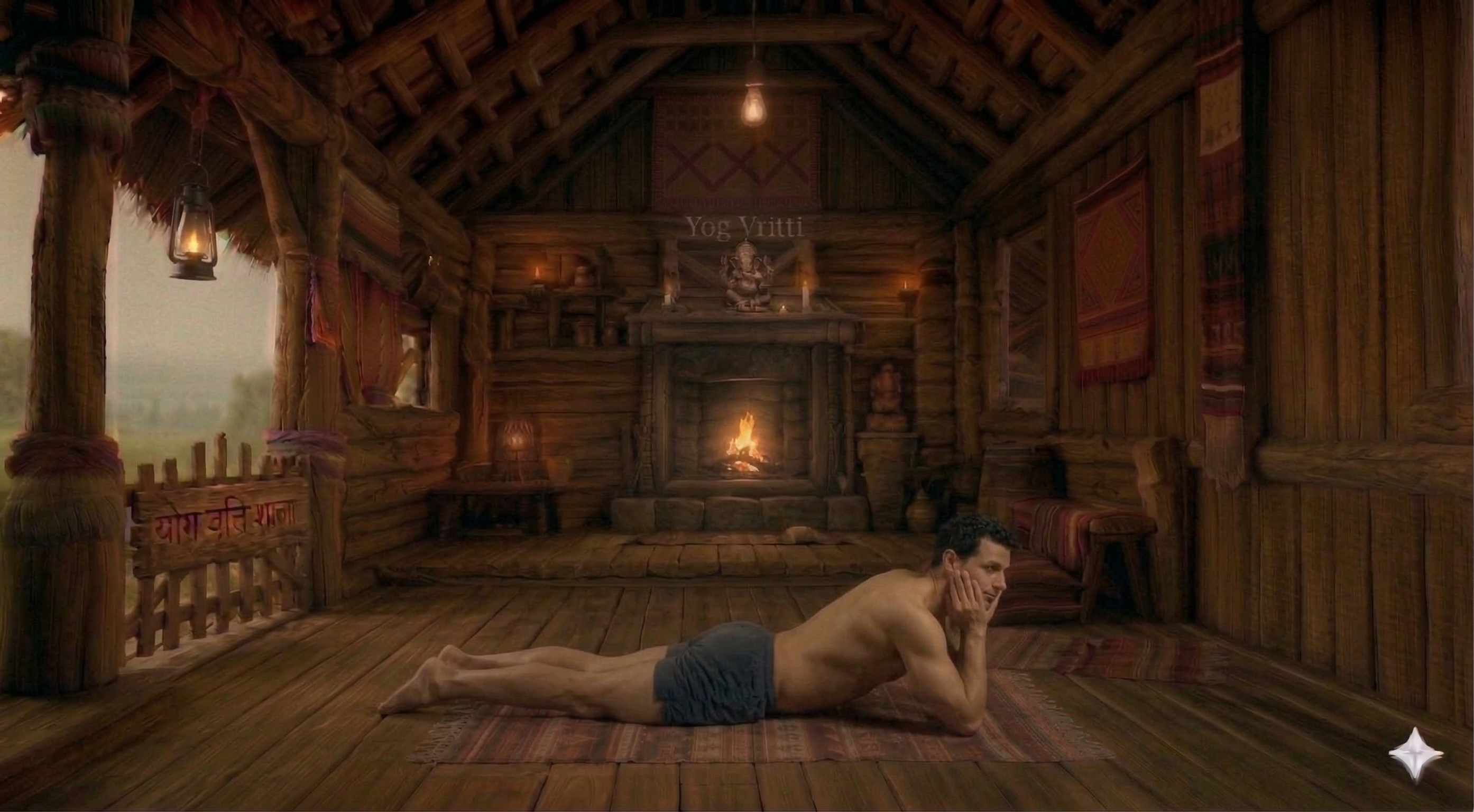
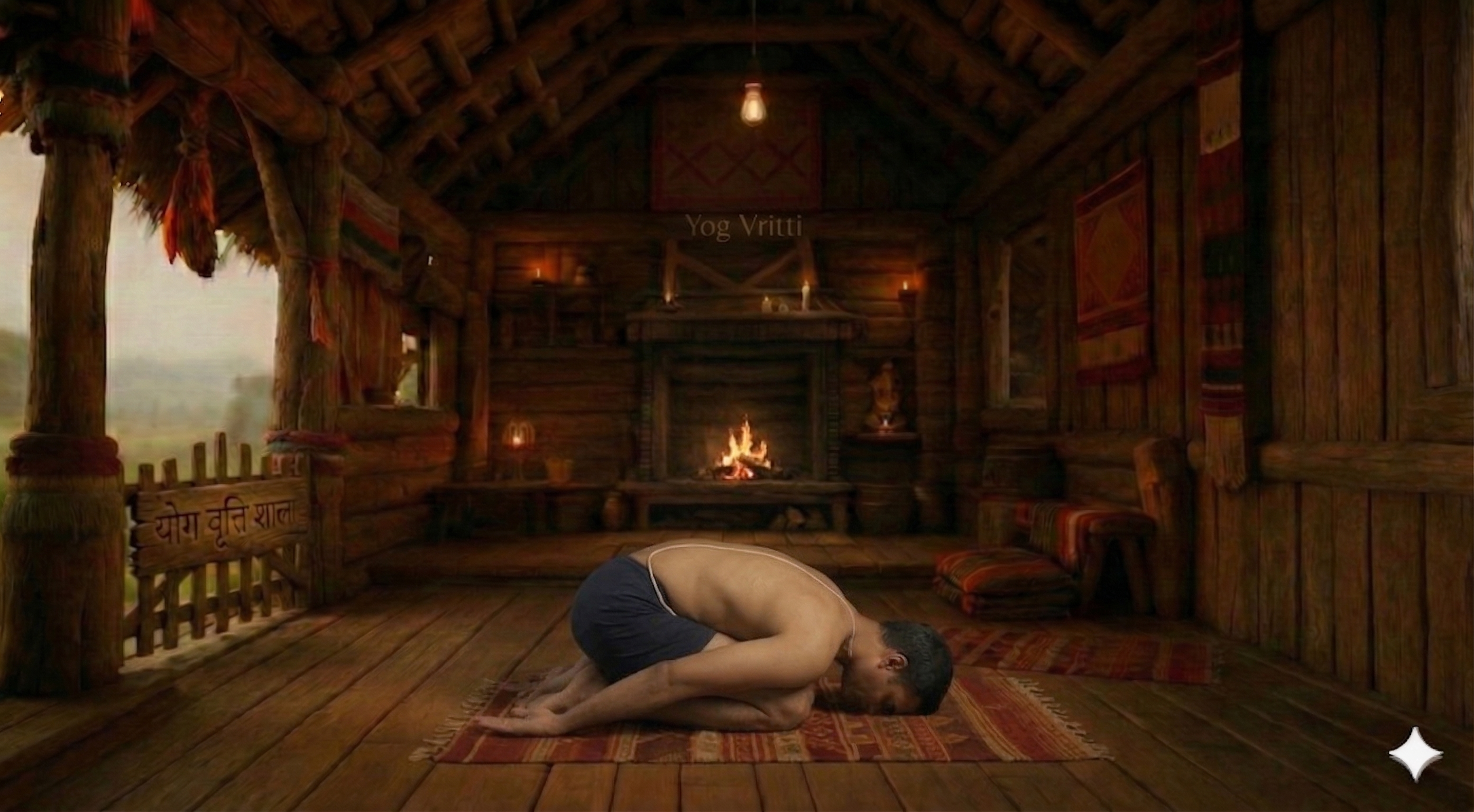
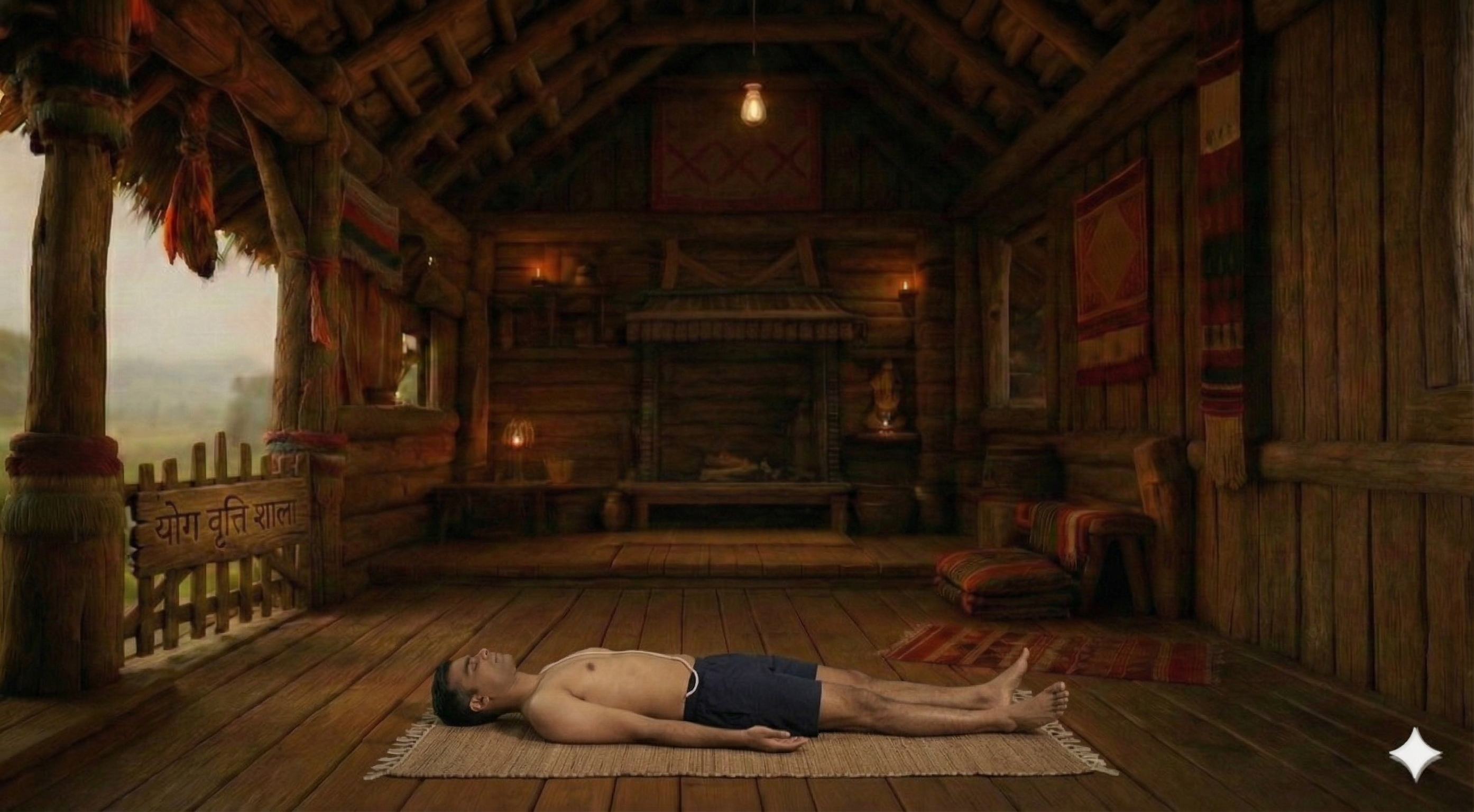
How to Practice
1. Lie prone with your arms alongside your body, palms facing down.
2. Keep your legs straight and feet pointed back.
3. Inhale, lift your chest, head, and one leg simultaneously off the floor.
4. Balance on your lower abdomen.
5. Keep your leg straight and actively engaged.
6 more steps remaining
Register free to see the complete instructions
Register Free to ContinueAlready registered? Login
Frequently Asked Questions
Common questions about Salabhasana Variation One Leg Lifted
What is Half Locust Pose?
Half Locust Pose, also called One-Leg Locust is a classical yoga posture. Its Sanskrit name Salabhasana Variation One Leg Lifted translates word-for-word as: Salabha (Locust / Grasshopper) · Asana (Pose). In this posture, the body engages the posterior chain against the gentle resistance of gravity. The posture works to activate the glutes, lengthen the hamstrings and engage the core. Tones glutes and hamstrings. Improves posture. Suitable for intermediate practitioners with foundational yoga experience, it is an excellent warm-up, particularly beneficial for intermediate and athletes. A blanket can be used to make the posture more accessible and support correct alignment. Practitioners with migraine and hypertension should approach with care or consult a qualified teacher.
What are the benefits of Half Locust Pose?
Strengthens back muscles. Tones glutes and hamstrings. Improves posture. Stimulates abdominal organs. Relieves stress.
Who should avoid Half Locust Pose?
Avoid this pose if you have: Severe back pain, Pregnancy, Headaches, High blood pressure, Recent abdominal surgery.
How many steps are in Half Locust Pose?
Half Locust Pose is practiced in 11 steps. Lie prone with your arms alongside your body, palms facing down.
Is Half Locust Pose suitable for beginners?
Half Locust Pose is an intermediate-level pose. Beginners should practice with props or under guidance.
What props are needed for Half Locust Pose?
You may use: blanket. Props make the pose more accessible and comfortable.
What poses should I do before Half Locust Pose?
Prepare with: Salabhasana, Makarasana, Adho Mukha Virasana (Child's Pose). These warm up the relevant muscles and joints.
Build Your Own Sequence
Combine Salabhasana Variation One Leg Lifted with other poses