Locust Pose Palms Down
Salabhasana Variation Palms Facing Down · शलभासन भिन्नता हस्त अधोमुख
Also known as: Classic Locust Variation
Locust Pose Palms Down, also called Classic Locust Variation is a classical yoga posture. Its Sanskrit name Salabhasana Variation Palms Facing Down translates word-for-word as: Salabha (Locust / Grasshopper) · Asana (Pose). In this posture, the body opens the chest and stretches the entire front body. The posture works to release the lower back, activate the glutes and lengthen the hamstrings. Improves posture. Stimulates abdominal organs. Suitable for beginners and regular practitioners alike, it is an excellent warm-up, particularly beneficial for beginners and desk workers. A blanket can be used to make the posture more accessible and support correct alignment. Practitioners with pregnancy and neck pain should approach with care or consult a qualified teacher.
Anatomy Involved
Benefits
Spinal Erectors(strengthening)
While still powerfully engaged in lifting and extending the spine, the grounding of the palms in this variation allows the Spinal Erectors to work with a more refined and sustained isometric contraction. Rather than striving for maximal height through sheer force, the support from the hands encourages a more articulate and even lengthening along the entire vertebral column. This external leverage helps to prevent overarching in one segment and promotes a balanced, upward lift from the sacrum through the thoracic spine.
Glutes(strengthening)
The Glutes continue their essential role in hip extension to lift the legs, but the grounded palms provide a stable anchor for the torso, allowing for a more focused and intentional engagement of these powerful muscles. With the upper body less prone to compensatory movements, practitioners can concentrate on the subtle actions of firming the glutes and rotating the inner thighs towards each other. This targeted engagement enhances pelvic stability and ensures the lift originates from the hip joints, protecting the lower back.
Hamstrings(strengthening)
The Hamstrings remain key in extending the legs and assisting in the overall lift of the lower body. However, the stability offered by the grounded hands liberates the hamstrings to engage with greater precision and sustained effort, extending the legs backward and upward without the need to compensate for an unstable torso. This support allows for a more integrated activation of the entire posterior chain, ensuring the hamstrings contribute effectively to the lengthening and elevation of the legs, rather than overworking or straining.
- Full anatomical benefits — muscles, joints, organs →
Avoid If
Back Injury / Back Pain
Spinal flexion, extension, or rotation under load can compress vertebral discs or strain the paraspinal muscles.
Limit the depth of the backbend, engage the core actively before moving, and avoid any movement that creates pinching in the lumbar spine.
Neck Injury / Cervical Issues
Looking up, bearing head weight, or unsupported neck rotation can compress cervical vertebrae and irritate nerves.
Do not allow the head to drop back unsupported; keep the chin slightly tucked and look forward rather than up.
Pregnancy
Deep twists, abdominal compression, and lying flat on the back can restrict blood flow or cause discomfort as pregnancy progresses.
Widen the stance, avoid deep abdominal compression and twists, and consult a qualified prenatal yoga teacher.
Headache / Migraine
Physical exertion, inversions, and strong breath work can intensify an existing headache or trigger a migraine.
Avoid inversions and strong pranayama; rest in a supported, restorative posture with a cool cloth on the forehead.
Props That Can Help
Optional supports — use when helpful, not required
Folded Blanket
A rolled blanket under the thoracic spine opens the chest gently and supports the backbend, making it accessible as a restorative variation.
Common Mistakes to Avoid
Teaching Cues
For yoga teachers — verbal cues to guide students
5 cues
Teaching Cues
For yoga teachers — verbal cues to guide students
- 1Initiate the backbend from the thoracic spine, not the lumbar
- 2Lift the sternum toward the ceiling
- 3Keep the gluteal muscles engaged to protect the lower back
- 4Broaden across the collarbones
- 5Maintain length in the back of the neck — do not drop the head back
Pose Details
Pose Type
Body Focus
Focus Areas
Best For
Yoga Styles
When to Practice
Position
Target Areas
Practice Flow
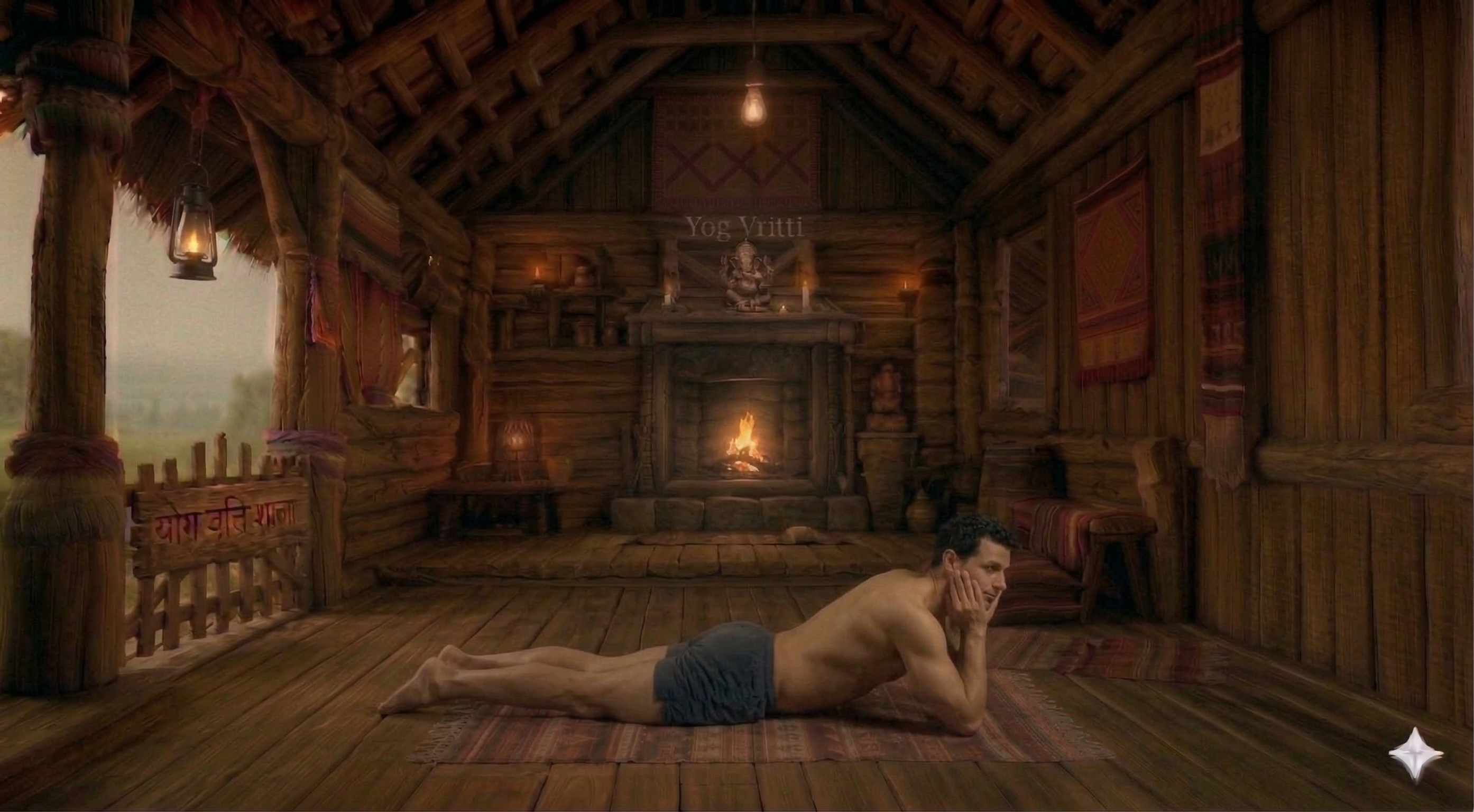
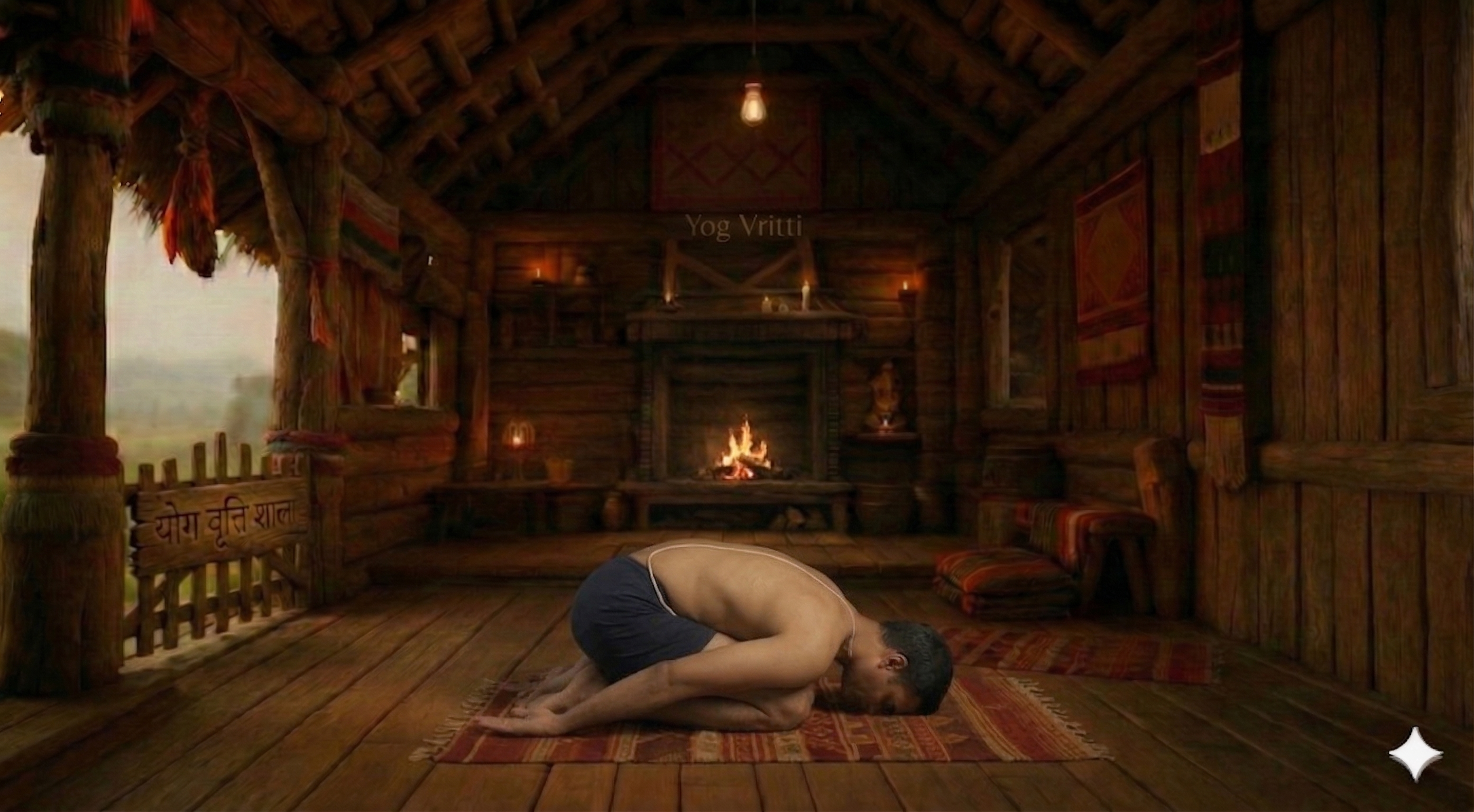
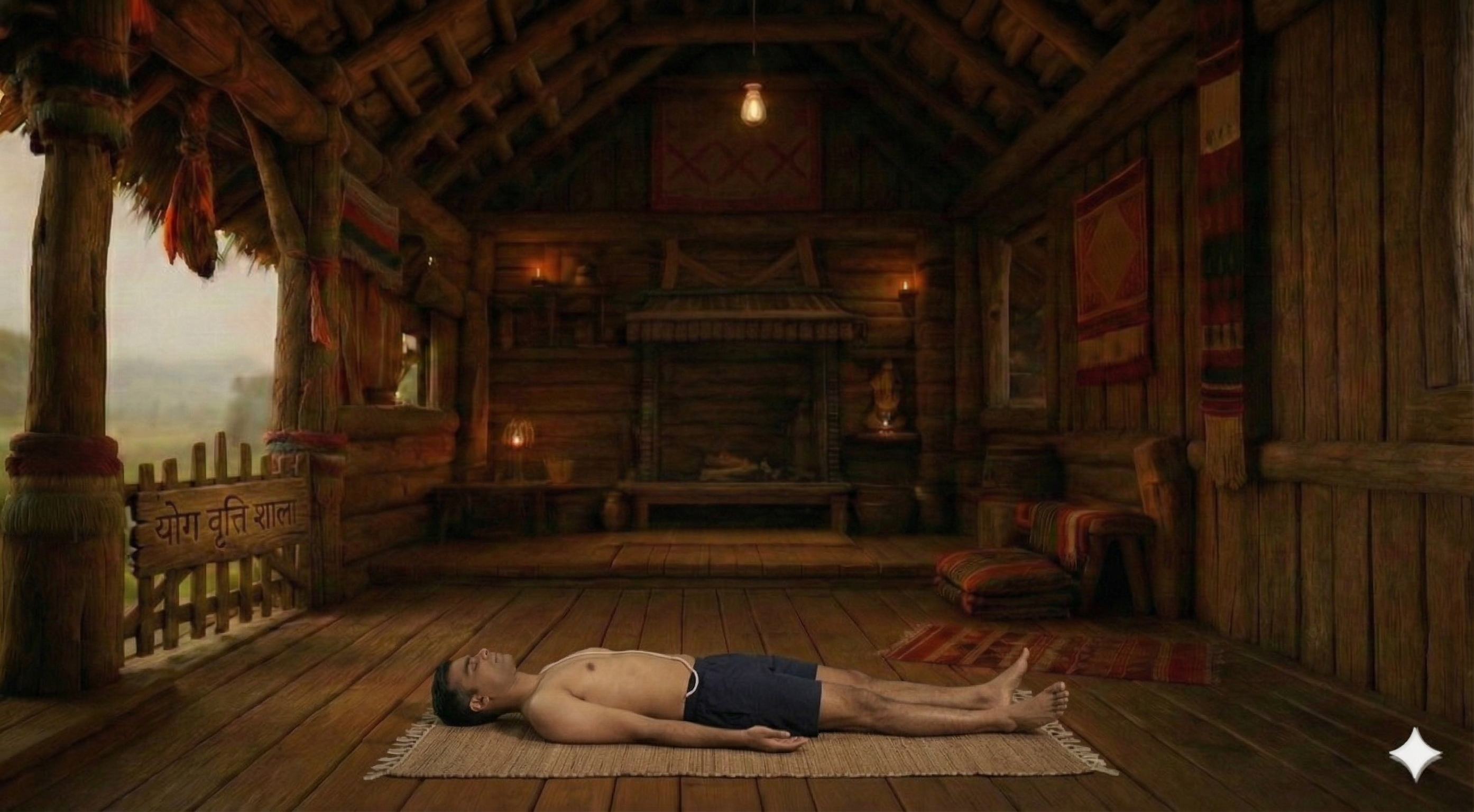
How to Practice
1. Lie prone on your stomach with legs straight and together, forehead resting on the floor.
2. Place your arms alongside your body, palms facing down.
3. Inhale, and as you exhale, simultaneously lift your chest, head, legs, and arms off the floor.
4. Keep your gaze forward, maintaining a long neck.
5. Engage your lower back and glutes.
3 more steps remaining
Register free to see the complete instructions
Register Free to ContinueAlready registered? Login
Frequently Asked Questions
Common questions about Salabhasana Variation Palms Facing Down
What is Locust Pose Palms Down?
Locust Pose Palms Down, also called Classic Locust Variation is a classical yoga posture. Its Sanskrit name Salabhasana Variation Palms Facing Down translates word-for-word as: Salabha (Locust / Grasshopper) · Asana (Pose). In this posture, the body opens the chest and stretches the entire front body. The posture works to release the lower back, activate the glutes and lengthen the hamstrings. Improves posture. Stimulates abdominal organs. Suitable for beginners and regular practitioners alike, it is an excellent warm-up, particularly beneficial for beginners and desk workers. A blanket can be used to make the posture more accessible and support correct alignment. Practitioners with pregnancy and neck pain should approach with care or consult a qualified teacher.
What are the benefits of Locust Pose Palms Down?
Strengthens the back muscles. Improves posture. Stimulates abdominal organs. Tones the legs and glutes. Relieves stress.
Who should avoid Locust Pose Palms Down?
Avoid this pose if you have: Back injury, Neck injury, Pregnancy, Headache.
How many steps are in Locust Pose Palms Down?
Locust Pose Palms Down is practiced in 8 steps. Lie prone on your stomach with legs straight and together, forehead resting on the floor.
Is Locust Pose Palms Down suitable for beginners?
Yes, Locust Pose Palms Down is a beginner-friendly pose suitable for all levels.
What props are needed for Locust Pose Palms Down?
You may use: blanket. Props make the pose more accessible and comfortable.
What poses should I do before Locust Pose Palms Down?
Prepare with: Salabhasana, Makarasana, Adho Mukha Virasana (Child's Pose). These warm up the relevant muscles and joints.
Build Your Own Sequence
Combine Salabhasana Variation Palms Facing Down with other poses