 Intermediatestanding
With Props (1)
Revolved Half Moon Pose
Parivrtta Ardha Chandrasana · परिवृत्त अर्ध चंद्रासन
Also known as: Twisted Half Moon · Parivrtta Ardha Chandrasana
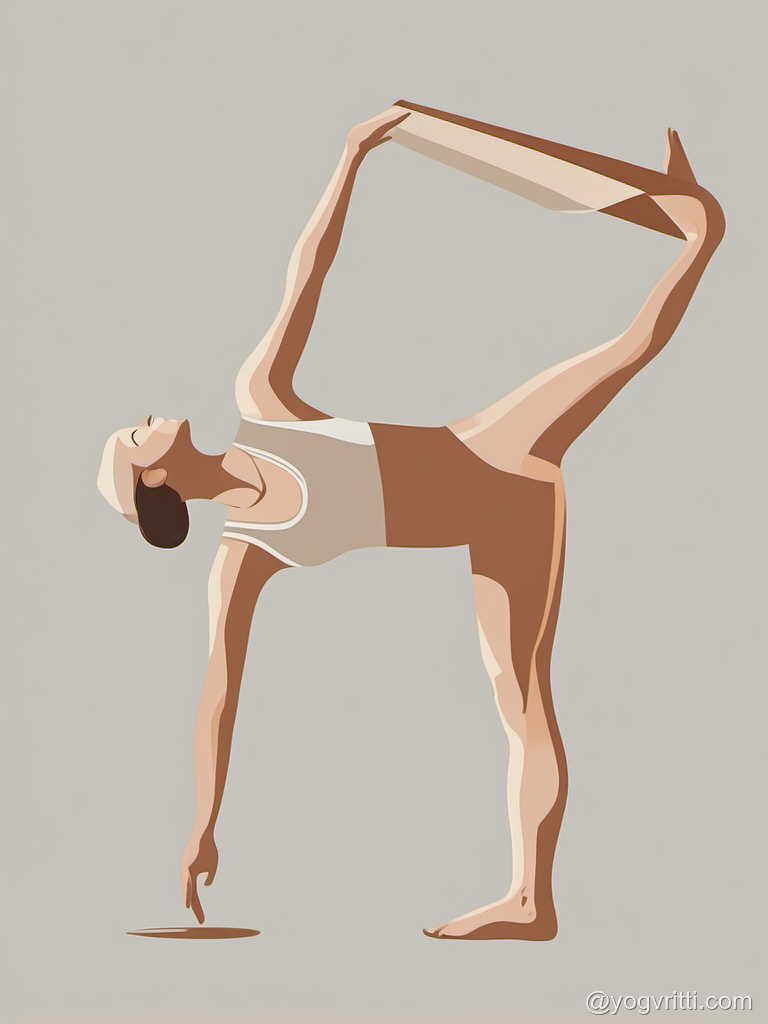
Revolved Half Moon Pose, also called Twisted Half Moon is a classical yoga posture. Its Sanskrit name Parivrtta Ardha Chandrasana translates word-for-word as: Parivrtta (Revolved) · Ardha (Half) · Chandra (Moon) · Asana (Pose). From a standing position, the body roots firmly through the feet while the spine extends upward. The posture works to lengthen the hamstrings, activate the glutes and strengthen the quadriceps. Strengthens the legs and core. Increases spinal flexibility. It is particularly valued for building full-body strength and developing greater flexibility. Suitable for intermediate practitioners with foundational yoga experience, it is a meaningful addition to any practice. A block and wall can be used to make the posture more accessible and support correct alignment. Practitioners with low blood pressure and migraine should approach with care or consult a qualified teacher.
Anatomy Involved
Benefits
Hamstrings (standing leg)(lengthening)
The muscles running along the back of your standing thigh (hamstrings) are eccentrically lengthened with control as the hip flexes and the pelvis tilts, creating a stable yet responsive foundation. This intelligent engagement prevents hyperextension of the knee while cultivating a deep, sustained opening along the posterior chain. In yogic terms, this helps release 'apana vayu' – the downward-moving energy – fostering a profound sense of groundedness and ease in the lower body, directly influencing pelvic stability.
Gluteus Medius and Minimus (standing leg)(stabilizing)
These smaller, deeper muscles on the outer side of the standing hip (gluteus medius and minimus) are crucial for stabilizing the pelvis and preventing it from collapsing inwards or outwards. Their isometric contraction works tirelessly to maintain a level hip line, providing a steady anchor for the entire pose. This deep hip stability cultivates a sense of unwavering inner support, allowing the practitioner to find their center of gravity and root deeply into the earth.
Quadriceps (standing leg)(strengthening)
The powerful muscles on the front of the standing thigh (quadriceps) are strongly engaged to extend and straighten the knee without locking it, lifting the kneecap with intelligent action. This isometric strength brings heat and vitality to the leg, channeling 'prana' downwards and creating a feeling of unwavering strength and resolve from the ground up. This active engagement protects the knee joint and provides the necessary power for balance.
- Full anatomical benefits — muscles, joints, organs →
Avoid If
Low Blood Pressure
Rising quickly from low positions can cause a sudden drop in blood pressure, leading to dizziness or fainting.
Move slowly between positions, keep eyes open, and rest against a wall if dizziness arises.
Headache / Migraine
Physical exertion, inversions, and strong breath work can intensify an existing headache or trigger a migraine.
Avoid inversions and strong pranayama; rest in a supported, restorative posture with a cool cloth on the forehead.
Back Injury / Back Pain
Spinal flexion, extension, or rotation under load can compress vertebral discs or strain the paraspinal muscles.
Initiate the twist from the upper spine and ribs rather than forcing from the waist; keep both sitting bones grounded.
Pregnancy
Deep twists, abdominal compression, and lying flat on the back can restrict blood flow or cause discomfort as pregnancy progresses.
Twist from the upper thoracic spine only, opening the chest rather than compressing the abdomen; use a chair for support.
Props That Can Help
Optional supports — use when helpful, not required
Yoga Block
Use a block to reduce the reach distance, support alignment, and make the posture accessible at your current level of flexibility.
See variation →Wall
The wall provides support, proprioceptive feedback, and confidence — use it to learn the correct alignment before practising independently.
Common Mistakes to Avoid
Teaching Cues
For yoga teachers — verbal cues to guide students
6 cues
Teaching Cues
For yoga teachers — verbal cues to guide students
- 1Ground firmly through all four corners of both feet
- 2Engage the quadriceps by lifting the kneecaps
- 3Lengthen the spine from the tailbone to the crown of the head
- 4Draw the shoulder blades down and back
- 5Maintain steady, even breathing throughout
- 6Fix the gaze on a steady point (drishti) for balance
Pose Details
Helps With
Pose Type
Body Focus
Focus Areas
Yoga Styles
When to Practice
Position
Modify If You Have
low blood pressure
Use a wall for support, come up slowly.
migraine
Keep head in neutral position, looking down.
back pain
Use a wall for support, keep twist gentle, don't lift leg too high.
neck pain
Keep head in neutral position, looking down.
Target Areas
Practice Flow

How to Practice
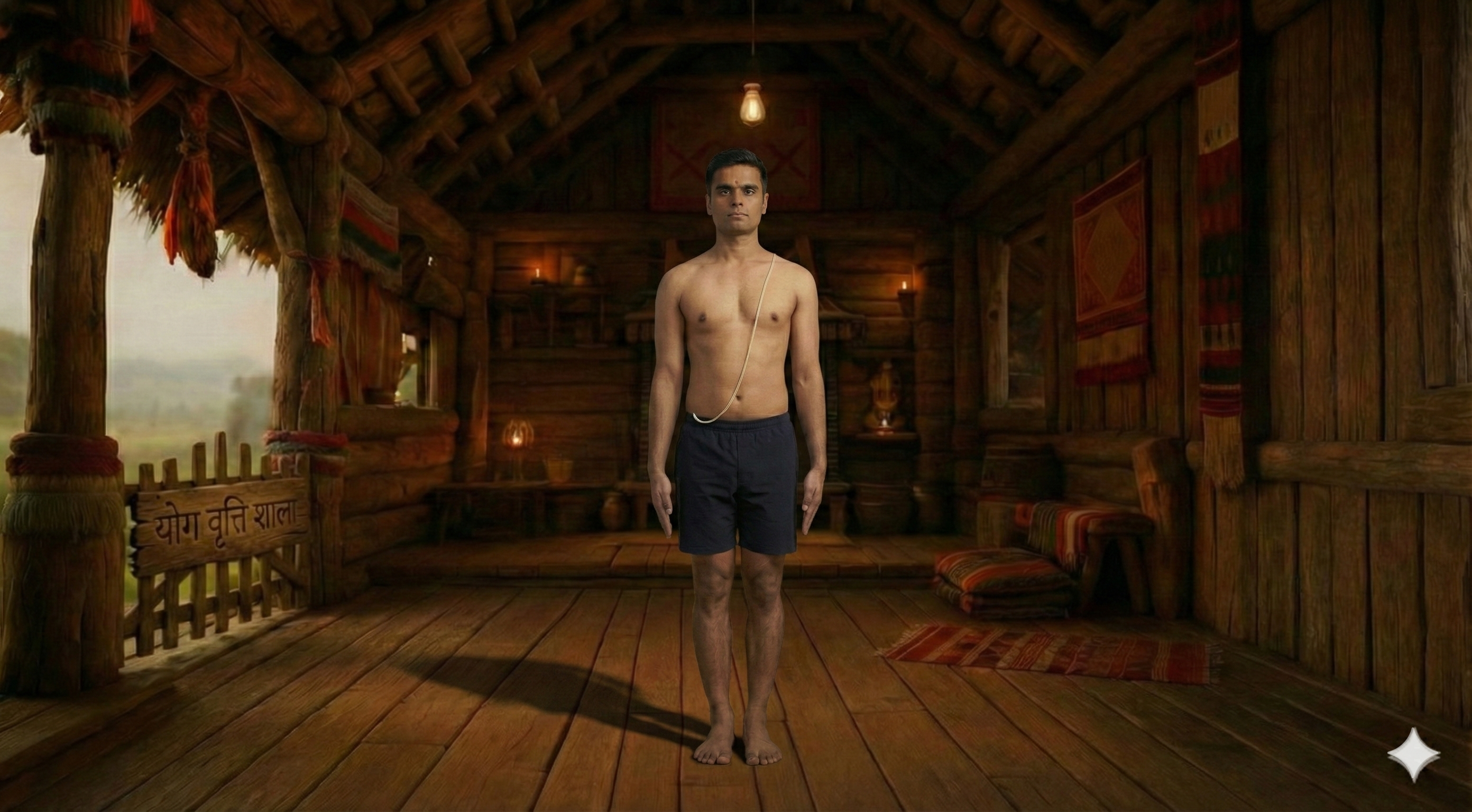
1. Stand in Tadasana, feet together, arms at your sides.
2. Inhale and step your feet approximately 3.5-4 feet apart.
3. Turn your right foot out 90 degrees and your left foot slightly inward.
4. Exhale and hinge from your right hip, placing your left hand on the floor outside your right foot.
5. Extend your right arm upwards towards the ceiling, fingers pointing upwards.
7 more steps remaining
Register free to see the complete instructions
Register Free to ContinueAlready registered? Login
Frequently Asked Questions
Common questions about Parivrtta Ardha Chandrasana
What is Revolved Half Moon Pose?
Revolved Half Moon Pose, also called Twisted Half Moon is a classical yoga posture. Its Sanskrit name Parivrtta Ardha Chandrasana translates word-for-word as: Parivrtta (Revolved) · Ardha (Half) · Chandra (Moon) · Asana (Pose). From a standing position, the body roots firmly through the feet while the spine extends upward. The posture works to lengthen the hamstrings, activate the glutes and strengthen the quadriceps. Strengthens the legs and core. Increases spinal flexibility. It is particularly valued for building full-body strength and developing greater flexibility. Suitable for intermediate practitioners with foundational yoga experience, it is a meaningful addition to any practice. A block and wall can be used to make the posture more accessible and support correct alignment. Practitioners with low blood pressure and migraine should approach with care or consult a qualified teacher.
What are the benefits of Revolved Half Moon Pose?
Improves balance and coordination. Strengthens the legs and core. Increases spinal flexibility. Stimulates the digestive organs. Relieves stress and anxiety.
Who should avoid Revolved Half Moon Pose?
Avoid this pose if you have: Low blood pressure, Headaches, Back pain, Neck problems, Pregnancy.
How many steps are in Revolved Half Moon Pose?
Revolved Half Moon Pose is practiced in 12 steps. Stand in Tadasana, feet together, arms at your sides.
Is Revolved Half Moon Pose suitable for beginners?
Revolved Half Moon Pose is an intermediate-level pose. Beginners should practice with props or under guidance.
What props are needed for Revolved Half Moon Pose?
You may use: block, wall. Props make the pose more accessible and comfortable.
What conditions does Revolved Half Moon Pose help with?
Revolved Half Moon Pose is therapeutic for: strength, flexibility, posture correction, digestive problems, anxiety.
What poses should I do before Revolved Half Moon Pose?
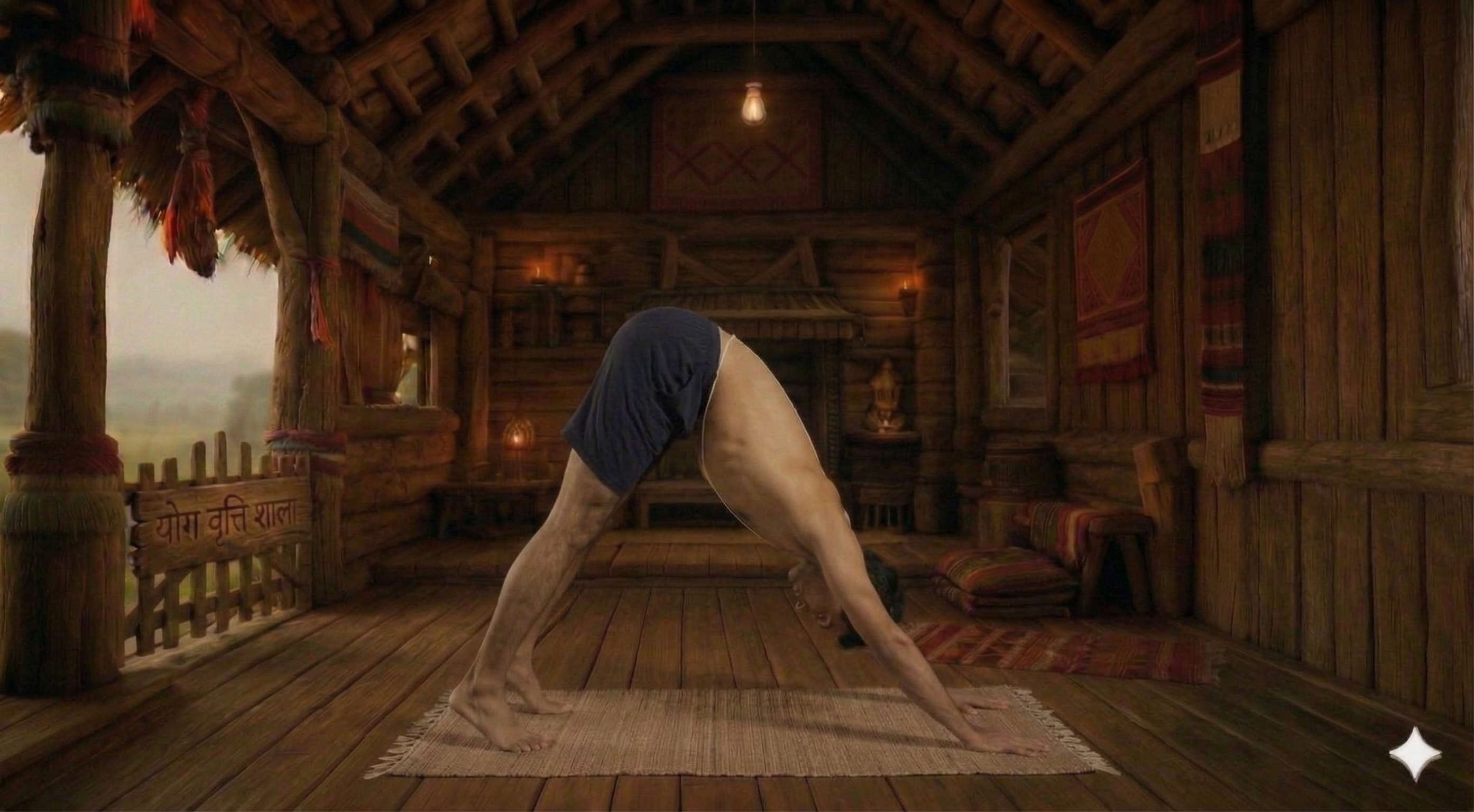
Prepare with: Tadasana, Adho Mukha Svanasana, Standing Forward Bend. These warm up the relevant muscles and joints.
Build Your Own Sequence
Combine Parivrtta Ardha Chandrasana with other poses