Variations (1)
Seated Spinal Twist
Parivrtta Sukhasana · परिवृत्त सुखासन
Also known as: Easy Seated Twist · Cross-Legged Twist
Seated Spinal Twist, also called Easy Seated Twist is a classical yoga posture. Its Sanskrit name Parivrtta Sukhasana translates word-for-word as: Parivrtta (Revolved) · Sukhasana (Sukhasana) · Asana (Pose). In this posture, the body rotates the spine, creating space between each vertebra. The posture works to engage the obliques. Aids digestion. Very accessible. It is particularly valued for alleviating back discomfort. Suitable for beginners and regular practitioners alike, it is a calming cool-down, particularly beneficial for beginners and seniors. Practitioners with spinal injury should approach with care or consult a qualified teacher.
Anatomy Involved
Benefits
- Gentle spinal twist
- Aids digestion
- Very accessible
- Full anatomical benefits — muscles, joints, organs →
Avoid If
Back Injury / Back Pain
Spinal flexion, extension, or rotation under load can compress vertebral discs or strain the paraspinal muscles.
Initiate the twist from the upper spine and ribs rather than forcing from the waist; keep both sitting bones grounded.
Common Mistakes to Avoid
Teaching Cues
For yoga teachers — verbal cues to guide students
5 cues
Teaching Cues
For yoga teachers — verbal cues to guide students
- 1Lengthen the spine on the inhalation, deepen the twist on the exhalation
- 2Initiate the rotation from the navel, then the chest, finally the head
- 3Keep both sitting bones grounded equally
- 4Maintain the length of the spine — do not collapse into the twist
- 5Use the breath to create space for the rotation
Pose Details
Helps With
Pose Type
Body Focus
Focus Areas
Best For
Yoga Styles
When to Practice
Position
Target Areas
Practice Flow
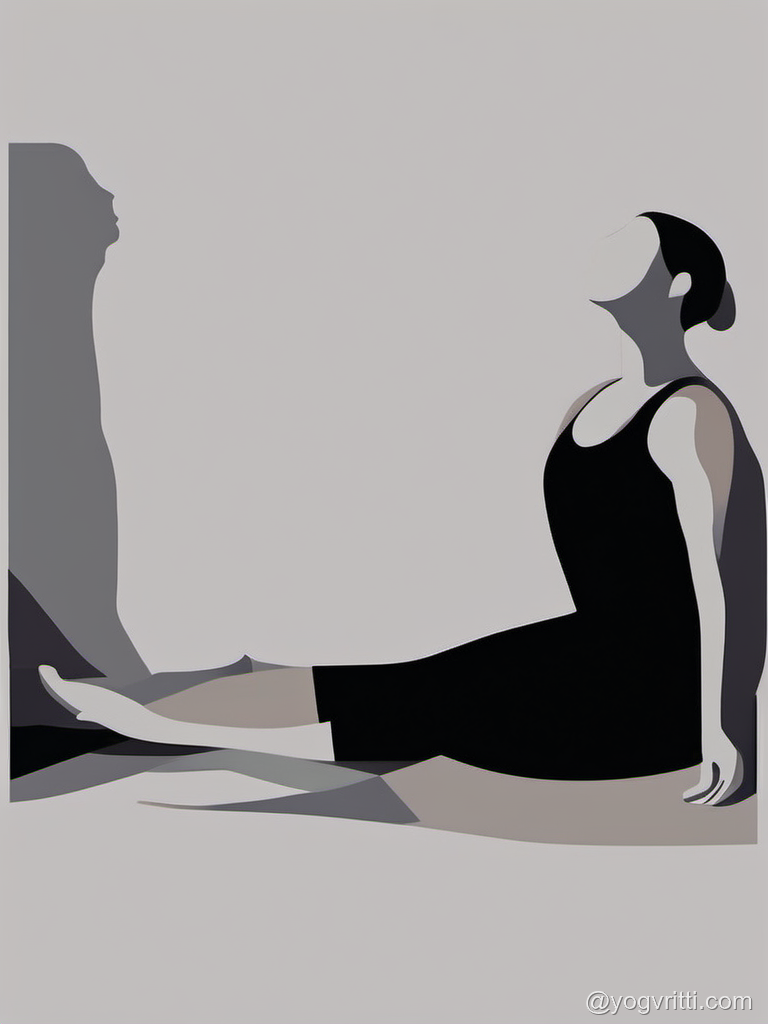
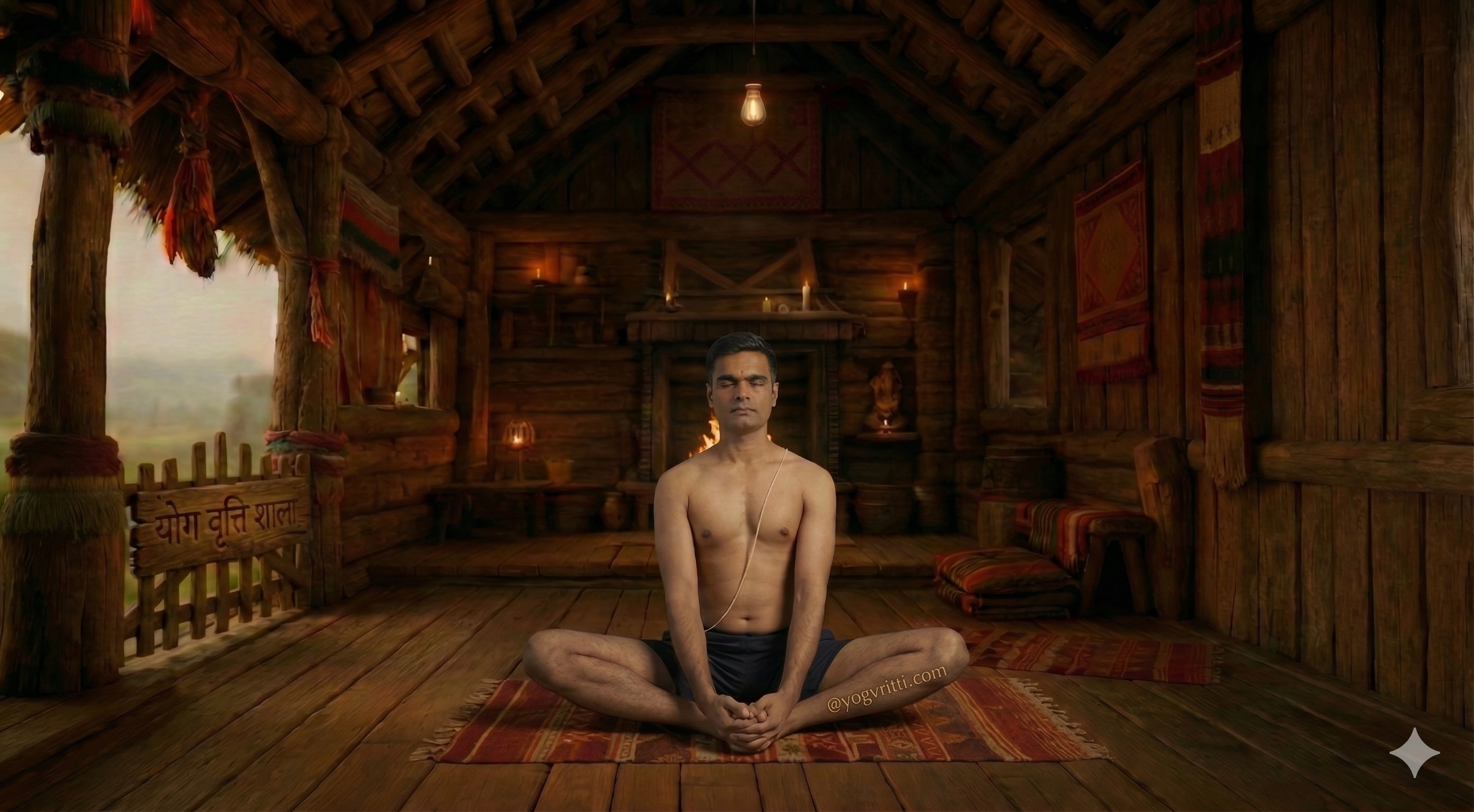
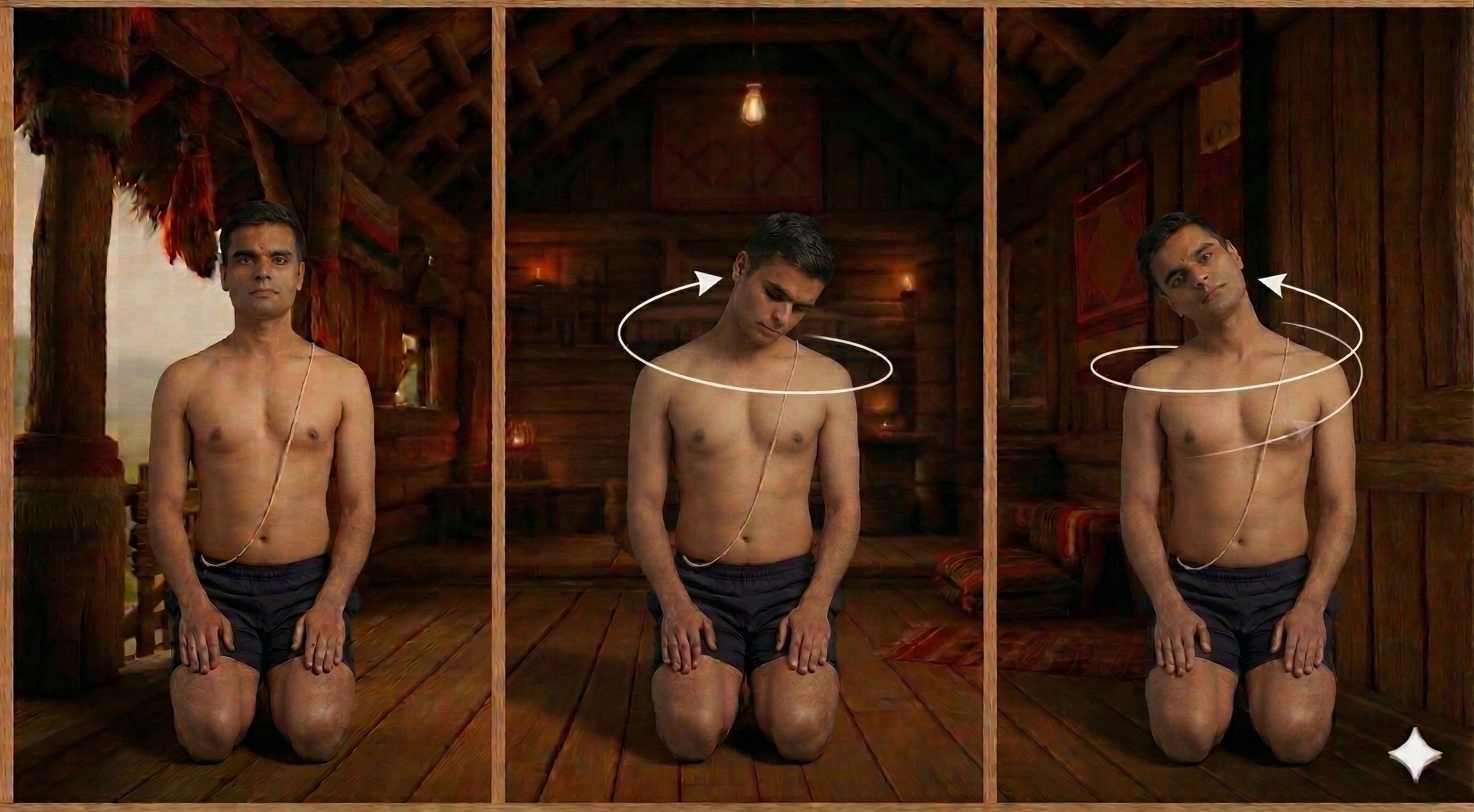
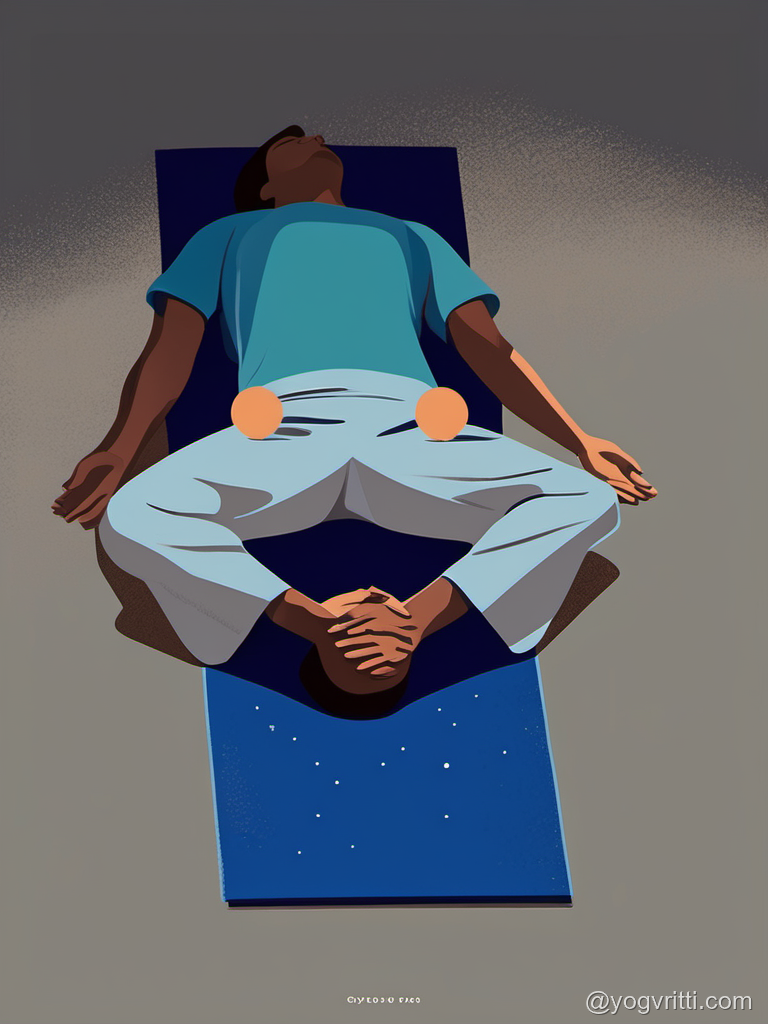
How to Practice
1. Sit in Sukhasana.
2. Inhale, lengthen spine.
3. Exhale, twist to the right.
4. Left hand on right knee.
5. Right hand behind.
5 more steps remaining
Register free to see the complete instructions
Register Free to ContinueAlready registered? Login
Frequently Asked Questions
Common questions about Parivrtta Sukhasana
What is Seated Spinal Twist?
Seated Spinal Twist, also called Easy Seated Twist is a classical yoga posture. Its Sanskrit name Parivrtta Sukhasana translates word-for-word as: Parivrtta (Revolved) · Sukhasana (Sukhasana) · Asana (Pose). In this posture, the body rotates the spine, creating space between each vertebra. The posture works to engage the obliques. Aids digestion. Very accessible. It is particularly valued for alleviating back discomfort. Suitable for beginners and regular practitioners alike, it is a calming cool-down, particularly beneficial for beginners and seniors. Practitioners with spinal injury should approach with care or consult a qualified teacher.
What are the benefits of Seated Spinal Twist?
Gentle spinal twist. Aids digestion. Very accessible.
Who should avoid Seated Spinal Twist?
Avoid this pose if you have: Severe spinal injuries.
How many steps are in Seated Spinal Twist?
Seated Spinal Twist is practiced in 10 steps. Sit in Sukhasana.
Is Seated Spinal Twist suitable for beginners?
Yes, Seated Spinal Twist is a beginner-friendly pose suitable for all levels.
What conditions does Seated Spinal Twist help with?
Seated Spinal Twist is therapeutic for: digestive problems, back pain.
What poses should I do before Seated Spinal Twist?
Prepare with: Sukhasana, Seated Tadasana, Baddha Konasana, Neck Rolls. These warm up the relevant muscles and joints.
Build Your Own Sequence
Combine Parivrtta Sukhasana with other poses