Lion's Breath
Simha Pranayama · सिंह प्राणायाम
Also known as: Lion Pranayama · Simha Pranayama
Lion's Breath, also called Lion Pranayama is a classical yoga posture. Its Sanskrit name Simha Pranayama translates word-for-word as: Simha (Lion) · Prana (Breath) · Ayama (Extension). Beginning from a kneeling position, the practitioner aligns the body with precision and intentional breath. Releases jaw and face tension. Clears throat. Reduces stress instantly. It is particularly valued for quieting an anxious mind. Suitable for beginners and regular practitioners alike, it is an excellent warm-up, particularly beneficial for beginners and seniors.
Anatomy Involved
Benefits
Facial Muscles (Muscles of Facial Expression)(releasing)
These muscles, spread across your face from the forehead to the chin, are often held in unconscious patterns of tension from stress, worry, or suppressed emotions. In Simha Pranayama, the exaggerated opening of the mouth, extension of the tongue, and wide-eyed gaze create a deliberate, intense engagement followed by a profound release. This action helps to unwind chronic tightness in the facial musculature, allowing a sense of lightness and freedom to pervade the face. From a yogic perspective, this practice helps to release the mask we present to the world, allowing for a more authentic expression of self.
Jaw Muscles (Muscles of Mastication)(releasing)
These powerful muscles, responsible for chewing and clenching, are frequently overused and hold significant tension, often manifesting as headaches or teeth grinding. By intentionally opening the jaw wide and extending the tongue, Simha Pranayama creates a deep stretch and subsequent release in these muscles. Anatomically, this action encourages the lengthening of these often-shortened fibers, reducing their resting tension. Energetically, releasing the jaw can unlock stored anger, frustration, and control, allowing for a softening of the entire cranial region.
Throat Muscles (Pharyngeal and Laryngeal Muscles)(activating)
The muscles lining your throat and larynx are crucial for swallowing, speaking, and breathing, and can become tight from suppressed communication or fear. During the forceful 'HAA' sound of Simha Pranayama, these muscles are actively engaged and then allowed to relax deeply, promoting increased circulation and awareness in the throat area. This activation and release helps to clear physical and energetic blockages, improving vocal resonance and the ease of expression. Yogically, this practice stimulates the Vishuddha chakra, fostering clear communication and authentic self-expression.
- Full anatomical benefits — muscles, joints, organs →
Avoid If
- TMJ disorder (gentle only)
Common Mistakes to Avoid
Teaching Cues
For yoga teachers — verbal cues to guide students
6 cues
Teaching Cues
For yoga teachers — verbal cues to guide students
- 1Place padding under the knees if needed for comfort
- 2Align the hips directly above or behind the knees
- 3Keep the spine long and the chest lifted
- 4Press the tops of the feet or toes firmly into the floor
- 5Engage the core to support the lower back
- 6Surrender the weight of the body to the props and the floor
Pose Details
Helps With
Pose Type
Body Focus
Focus Areas
Best For
Yoga Styles
When to Practice
Position
Target Areas
Practice Flow
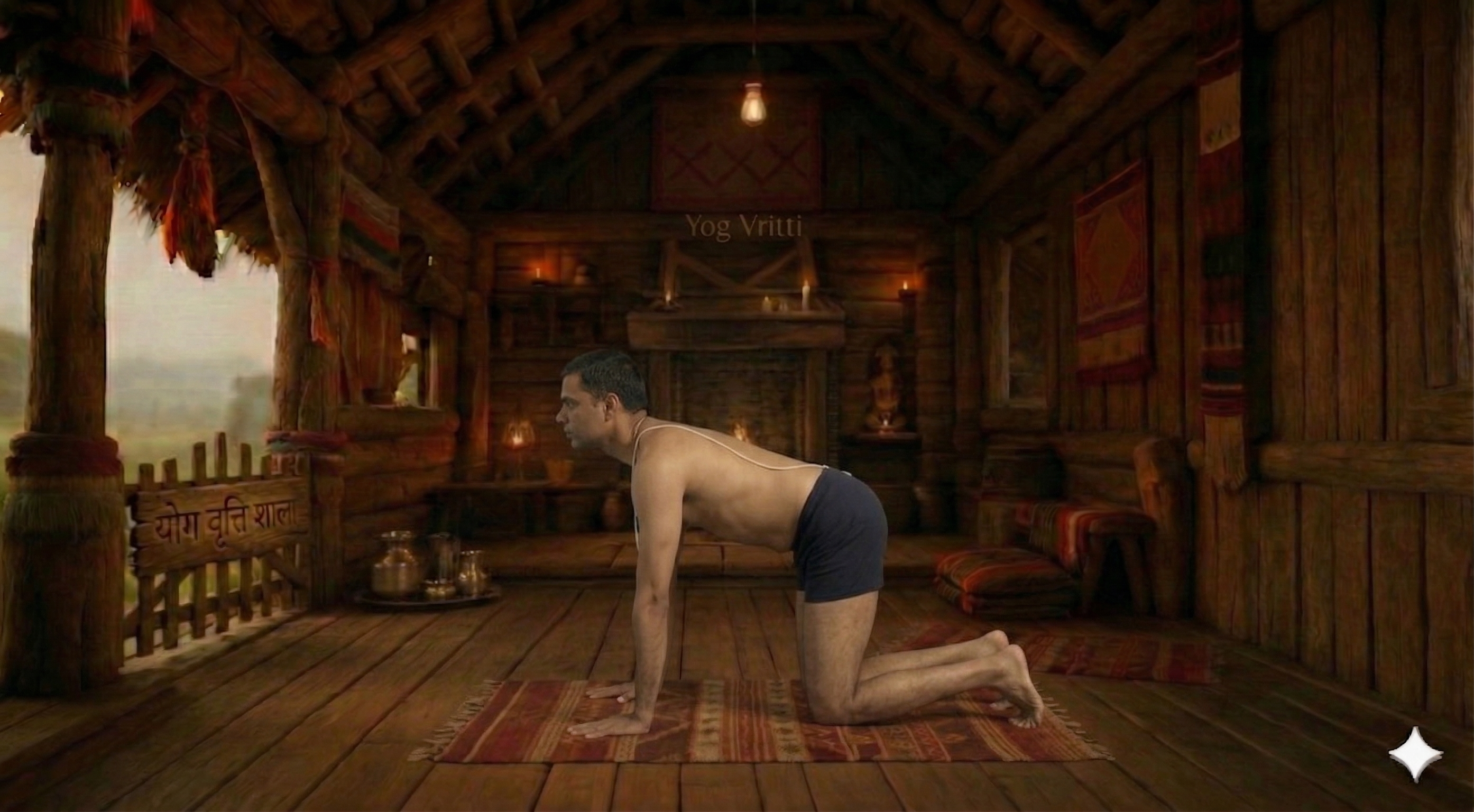
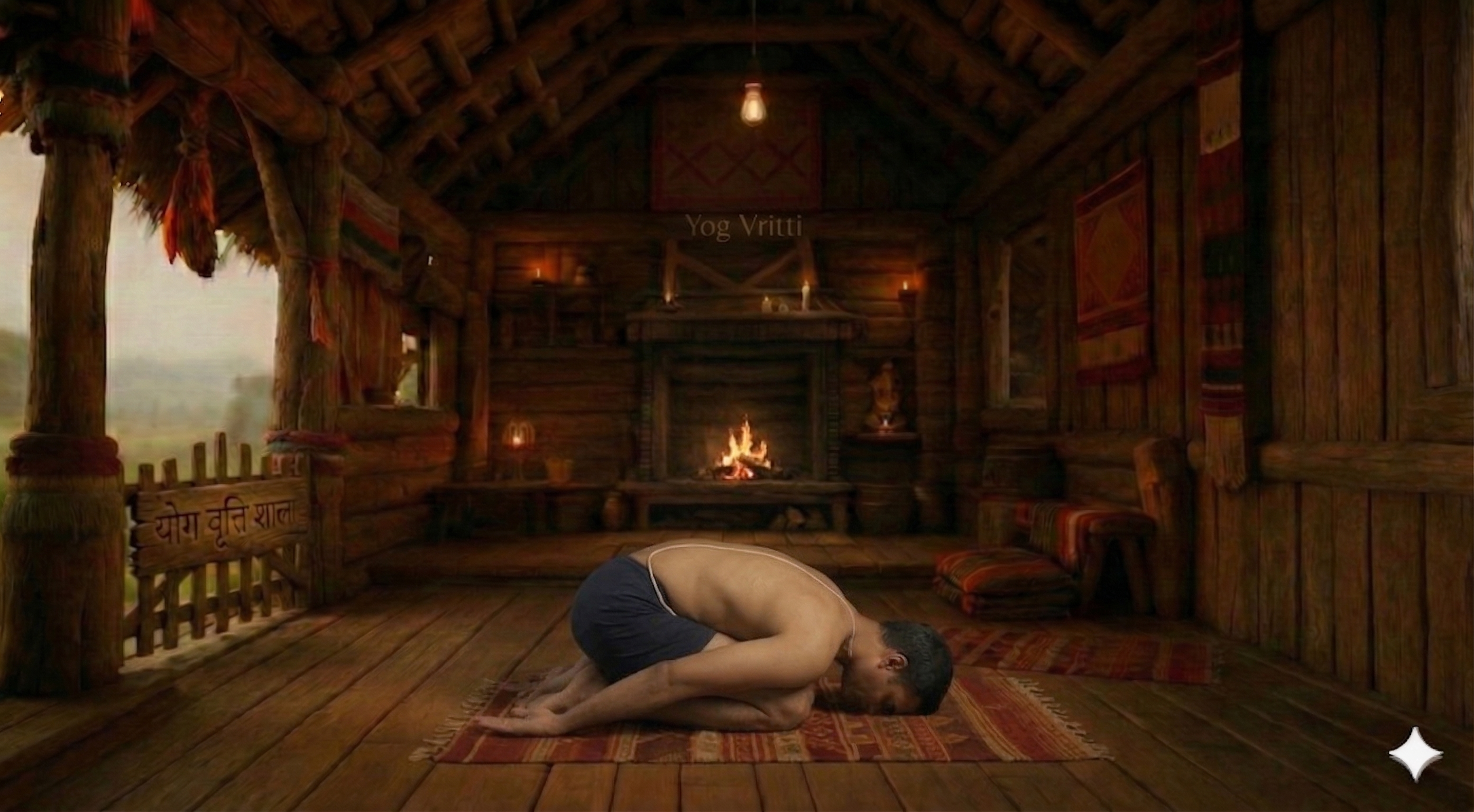
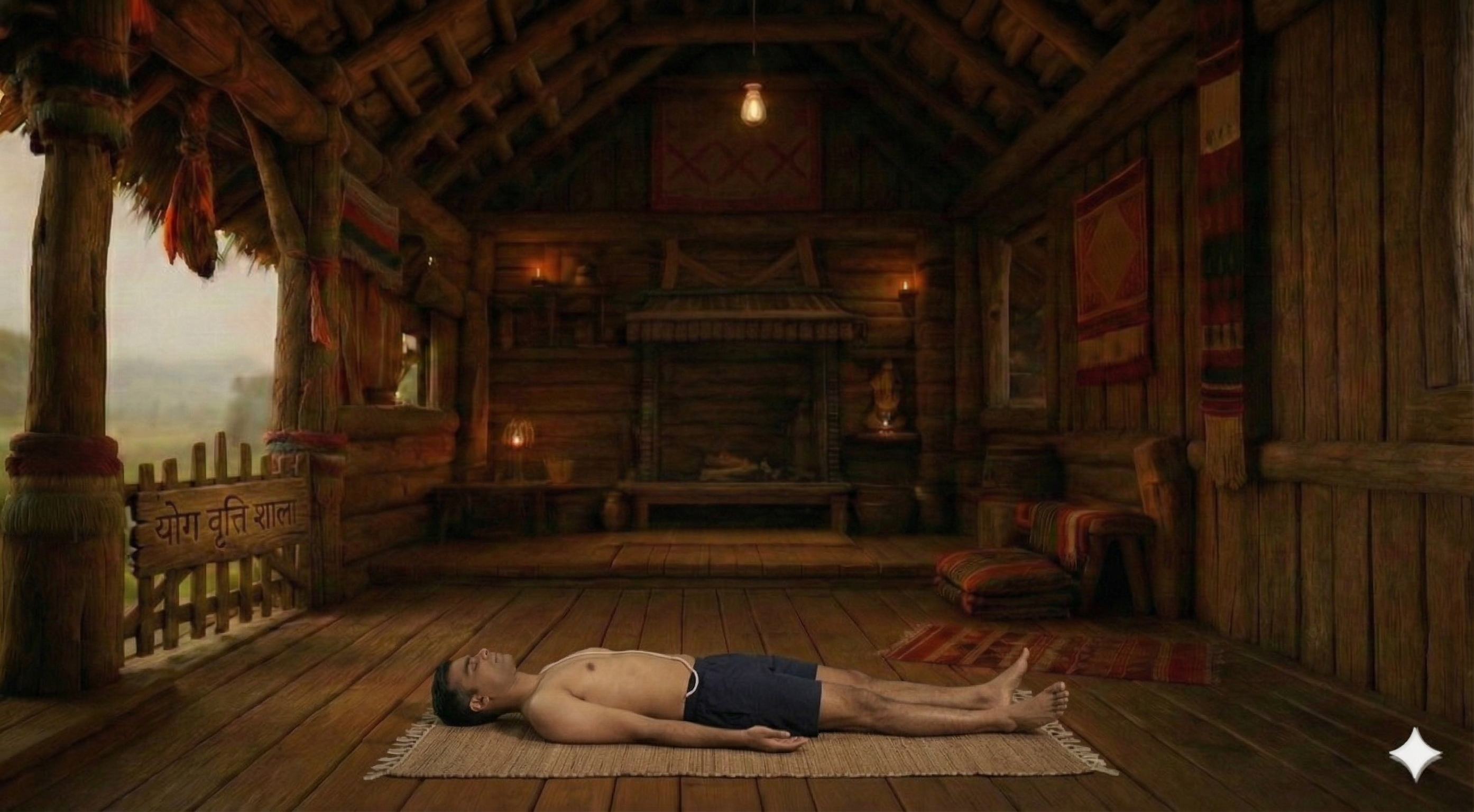
How to Practice
1. Sit in Vajrasana.
2. Palms on knees, fingers spread.
3. Deep inhale.
4. Open mouth wide.
5. Stick tongue out — toward chin.
5 more steps remaining
Register free to see the complete instructions
Register Free to ContinueAlready registered? Login
Frequently Asked Questions
Common questions about Simha Pranayama
What is Lion's Breath?
Lion's Breath, also called Lion Pranayama is a classical yoga posture. Its Sanskrit name Simha Pranayama translates word-for-word as: Simha (Lion) · Prana (Breath) · Ayama (Extension). Beginning from a kneeling position, the practitioner aligns the body with precision and intentional breath. Releases jaw and face tension. Clears throat. Reduces stress instantly. It is particularly valued for quieting an anxious mind. Suitable for beginners and regular practitioners alike, it is an excellent warm-up, particularly beneficial for beginners and seniors.
What are the benefits of Lion's Breath?
Releases jaw and face tension. Clears throat. Reduces stress instantly. Fun and energizing. Good for public speakers.
Who should avoid Lion's Breath?
Avoid this pose if you have: TMJ disorder (gentle only).
How many steps are in Lion's Breath?
Lion's Breath is practiced in 10 steps. Sit in Vajrasana.
Is Lion's Breath suitable for beginners?
Yes, Lion's Breath is a beginner-friendly pose suitable for all levels.
What conditions does Lion's Breath help with?
Lion's Breath is therapeutic for: anxiety, neck pain.
What poses should I do before Lion's Breath?
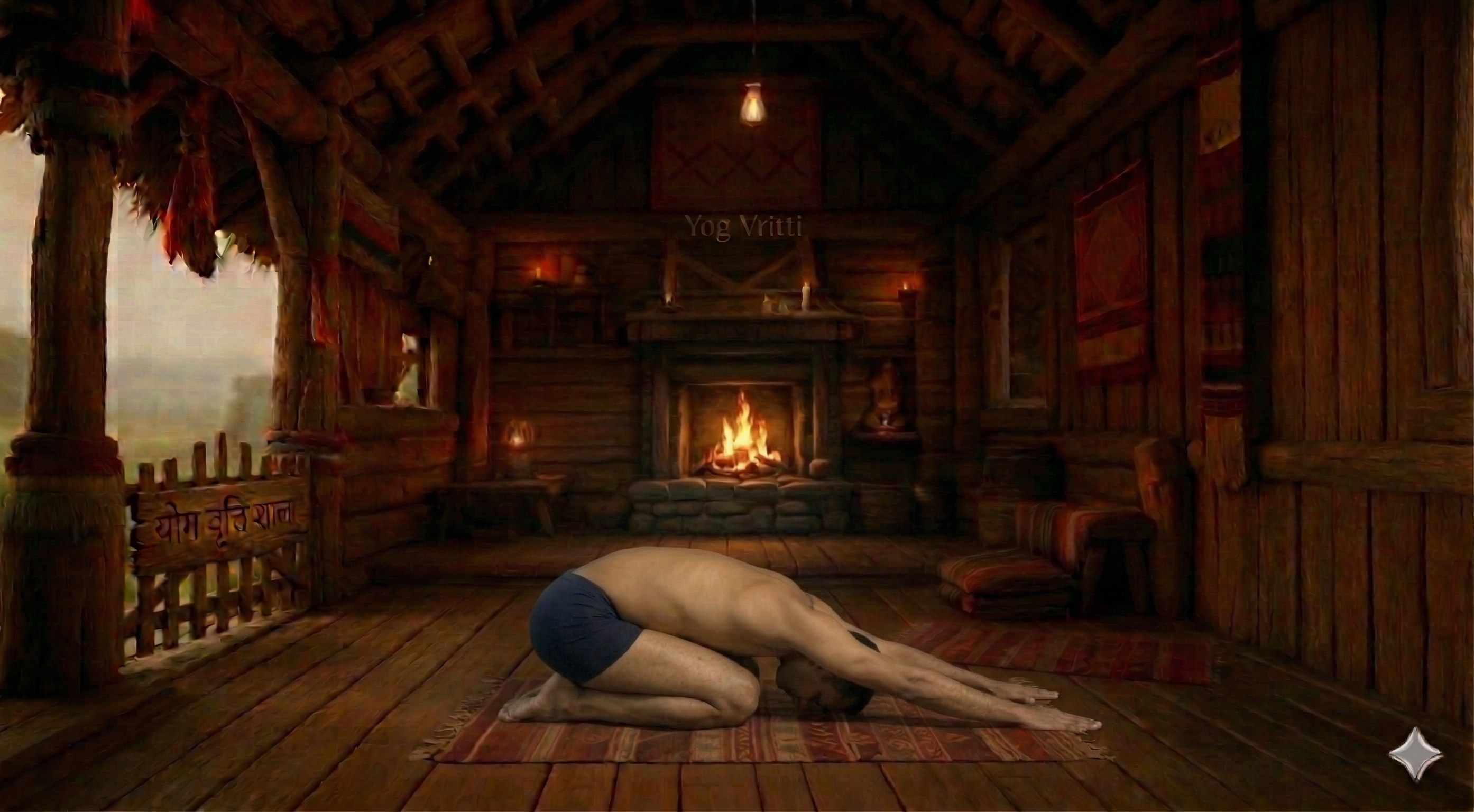
Prepare with: Bharmanasana (Table top pose), Adho Mukha Virasana (Child's Pose). These warm up the relevant muscles and joints.
Related Poses
Similar poses you might enjoy
Build Your Own Sequence
Combine Simha Pranayama with other poses