Variations (1)
Lion Pose II
Simhasana II · सिंहासन II
Also known as: Advanced Lion Pose · Simhasana II
Lion Pose II, also called Advanced Lion Pose is a classical yoga posture. Its Sanskrit name Simhasana II translates word-for-word as: Simha (Lion) · Asana (Pose). In this posture, the body grounds through the sit bones while the spine rises tall. The posture works to stretch the hip flexors. Stimulates platysma muscle (neck and chin). Improves vocal clarity and projection. It is particularly valued for quieting an anxious mind and lifting low mood. Suitable for beginners and regular practitioners alike, it is an excellent warm-up, particularly beneficial for beginners and seniors. A blanket can be used to make the posture more accessible and support correct alignment. Practitioners with knee injury and jaw injury should approach with care or consult a qualified teacher.
Anatomy Involved
Benefits
- Relieves tension in face, jaw, and throat
- Stimulates platysma muscle (neck and chin)
- Improves vocal clarity and projection
- Reduces stress, frustration, and anxiety
- Stimulates thyroid and parathyroid glands
- Full anatomical benefits — muscles, joints, organs →
Avoid If
Knee Injury
Deep flexion or rotation at the knee can strain ligaments, meniscus, or cartilage, especially in a compromised joint.
Sit on a folded blanket to reduce the angle of knee flexion; never force the knee into Lotus without full range of motion.
Recent Surgery
Surgical wounds and healing tissues need time before being subjected to the mechanical stress of yoga postures.
Wait for full medical clearance from your surgeon; begin with gentle breath work and progress only as healing allows.
Headache / Migraine
Physical exertion, inversions, and strong breath work can intensify an existing headache or trigger a migraine.
Avoid inversions and strong pranayama; rest in a supported, restorative posture with a cool cloth on the forehead.
High Blood Pressure
Vigorous effort and inverted positions temporarily raise blood pressure in the head, increasing strain on blood vessels.
Keep effort moderate, breathe continuously, and avoid any position that causes pressure or throbbing in the head.
Props That Can Help
Optional supports — use when helpful, not required
Folded Blanket
Sit on a folded blanket to elevate the hips slightly above the knees, encouraging a natural lumbar curve and easing the forward tilt of the pelvis.
Common Mistakes to Avoid
Teaching Cues
For yoga teachers — verbal cues to guide students
7 cues
Teaching Cues
For yoga teachers — verbal cues to guide students
- 1Sit on the front edge of your sitting bones
- 2Lengthen the spine upward on each inhalation
- 3Keep the chest lifted and shoulders relaxed
- 4Ground down through the sitting bones
- 5Maintain an elongated spine — avoid rounding the back
- 6Allow the hip joints to open gradually — never force
- 7Surrender the weight of the body to the props and the floor
Pose Details
Helps With
Pose Type
Body Focus
Focus Areas
Best For
Yoga Styles
When to Practice
Position
Modify If You Have
knee injury
Sit on a bolster or block between the feet to reduce knee flexion, or sit cross-legged (Sukhasana).
jaw injury
Avoid sticking the tongue out forcefully; focus on the breath and eye gaze.
neck pain
Keep the head in a neutral position, avoid straining the neck while roaring.
Target Areas
Practice Flow
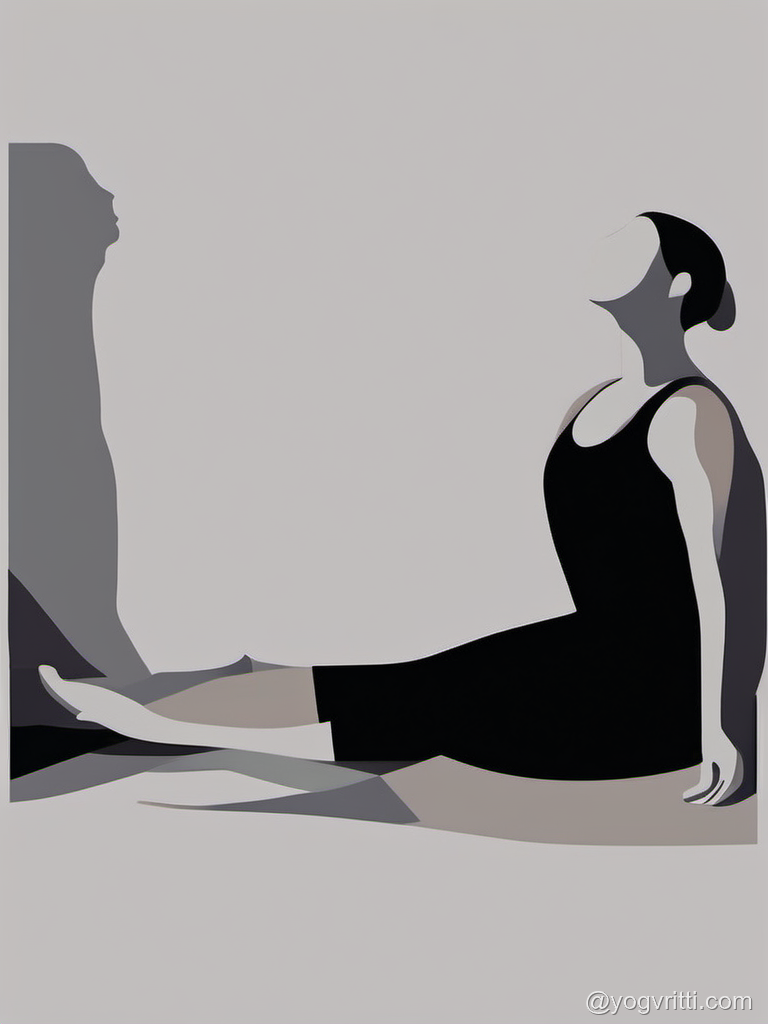
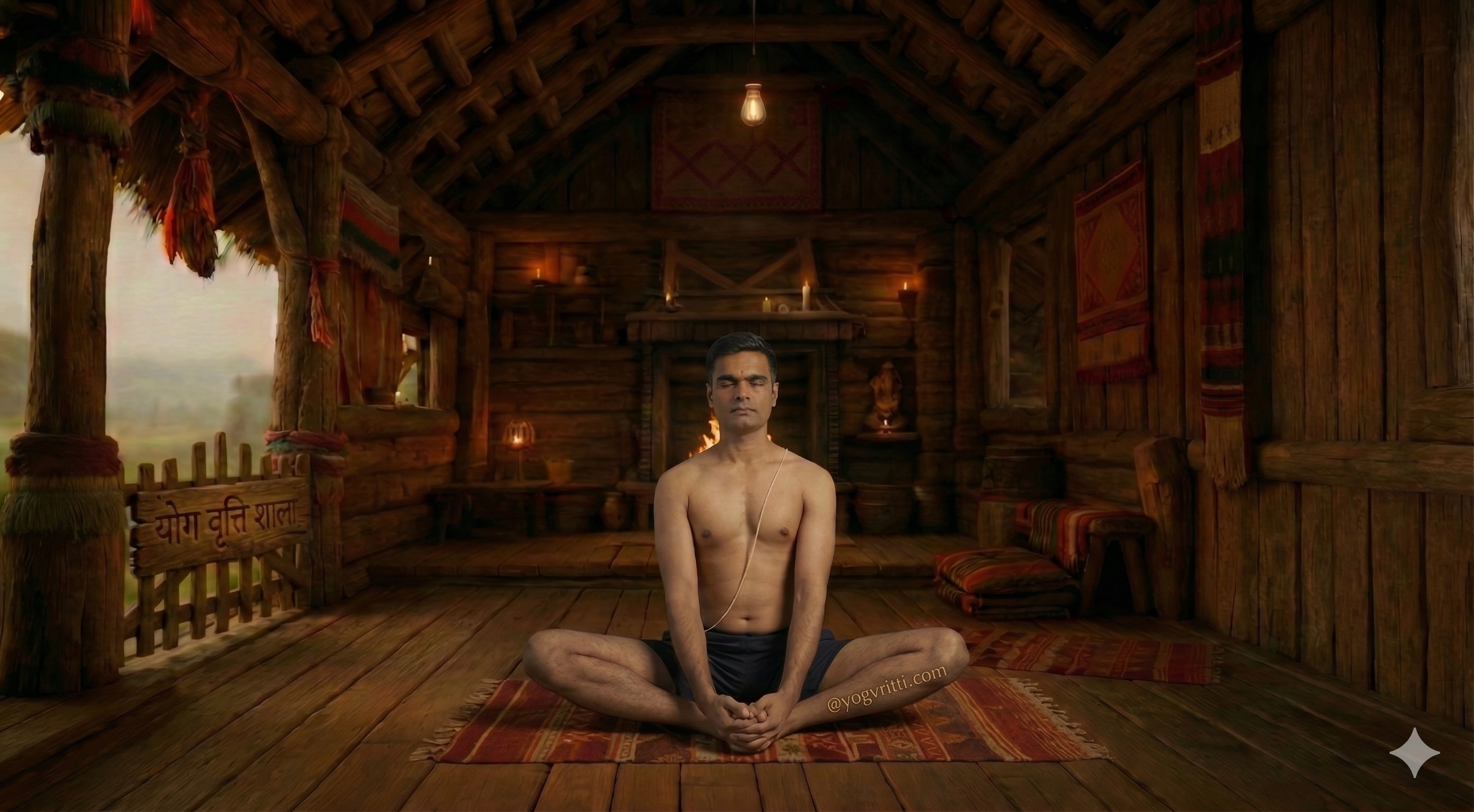
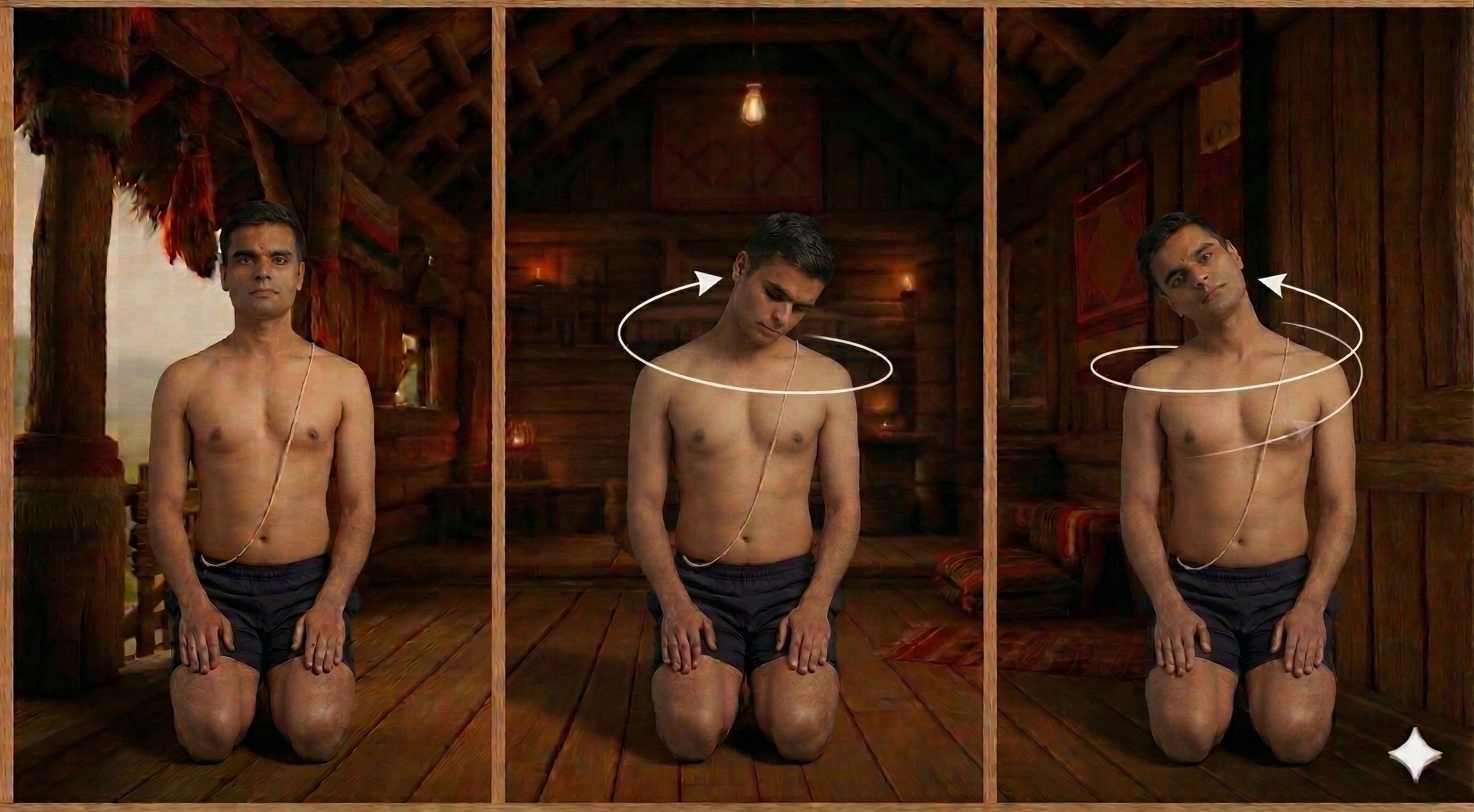
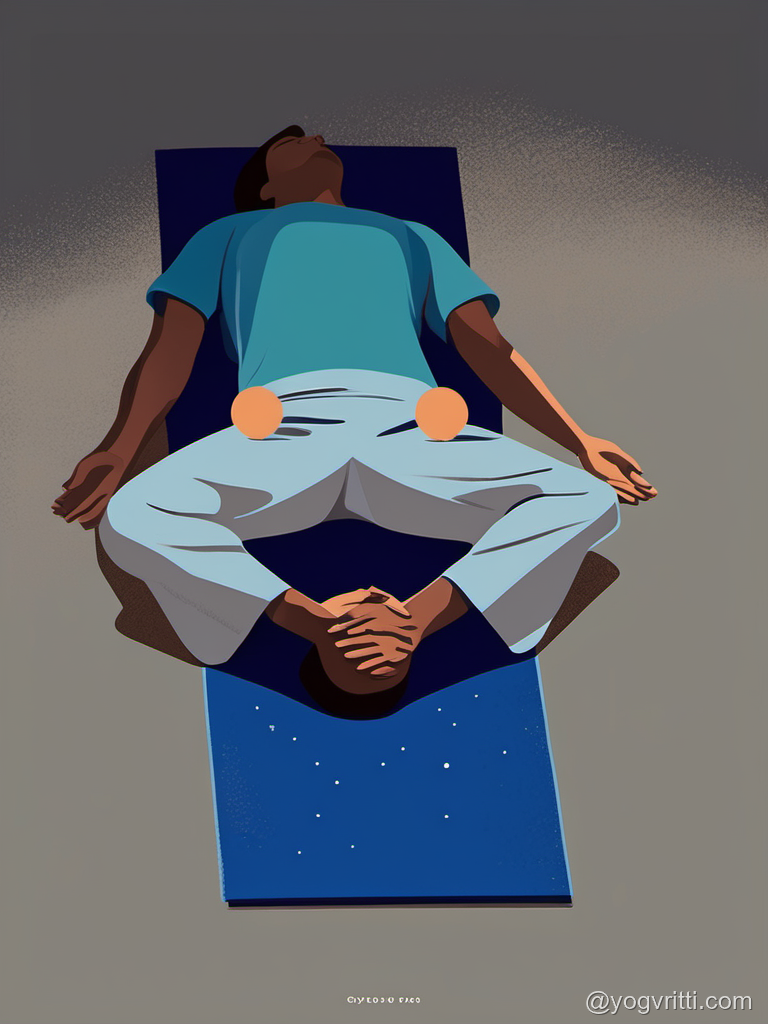
How to Practice
1. Sit in Vajrasana (Thunderbolt Pose), with knees together and feet splayed behind, toes together and heels slightly apart. Place a blanket under your hips if needed.
2. Place your hands on your knees, with fingers pointing towards your body (specific to Simhasana II).
3. Inhaling, lengthen the spine and lift the chest.
4. Exhaling, open your eyes wide and gaze between your eyebrows. Stick your tongue out as far as possible, curling it towards your chin.
5. Exhale forcefully through the mouth with a 'Haaa' sound, mimicking a lion's roar from the throat. This roar should come from the belly, not just the throat.
4 more steps remaining
Register free to see the complete instructions
Register Free to ContinueAlready registered? Login
Frequently Asked Questions
Common questions about Simhasana II
What is Lion Pose II?
Lion Pose II, also called Advanced Lion Pose is a classical yoga posture. Its Sanskrit name Simhasana II translates word-for-word as: Simha (Lion) · Asana (Pose). In this posture, the body grounds through the sit bones while the spine rises tall. The posture works to stretch the hip flexors. Stimulates platysma muscle (neck and chin). Improves vocal clarity and projection. It is particularly valued for quieting an anxious mind and lifting low mood. Suitable for beginners and regular practitioners alike, it is an excellent warm-up, particularly beneficial for beginners and seniors. A blanket can be used to make the posture more accessible and support correct alignment. Practitioners with knee injury and jaw injury should approach with care or consult a qualified teacher.
What are the benefits of Lion Pose II?
Relieves tension in face, jaw, and throat. Stimulates platysma muscle (neck and chin). Improves vocal clarity and projection. Reduces stress, frustration, and anxiety. Stimulates thyroid and parathyroid glands. Enhances confidence and self-expression.
Who should avoid Lion Pose II?
Avoid this pose if you have: Acute knee pain (from sitting in Vajrasana), Jaw injury or severe TMJ issues, Recent throat or facial surgery, Migraine (for some, the exertion might trigger it), High blood pressure (practice gently, avoid over-exertion).
How many steps are in Lion Pose II?
Lion Pose II is practiced in 9 steps. Sit in Vajrasana (Thunderbolt Pose), with knees together and feet splayed behind, toes together and heels slightly apart. Place a blanket under your hips if needed.
Is Lion Pose II suitable for beginners?
Yes, Lion Pose II is a beginner-friendly pose suitable for all levels.
What props are needed for Lion Pose II?
You may use: blanket. Props make the pose more accessible and comfortable.
What conditions does Lion Pose II help with?
Lion Pose II is therapeutic for: anxiety, depression, neck pain, digestive problems, stress relief.
What poses should I do before Lion Pose II?
Prepare with: Seated Tadasana, Baddha Konasana, Neck Rolls. These warm up the relevant muscles and joints.
Build Your Own Sequence
Combine Simhasana II with other poses