Variations (2)
Raised Legs Pose II
Uttana Padasana II · उत्तान पादासन II
Also known as: Uttana Padasana Variation
Raised Legs Pose II, also called Uttana Padasana Variation is a classical yoga posture. Its Sanskrit name Uttana Padasana II translates word-for-word as: Uttana (Raised / Stretched) · Pada (Legs) · Asana (Pose). In this posture, the body releases into the support of the floor, allowing gravity to assist. The posture works to engage the core, stretch the hip flexors and strengthen the quadriceps. Tones lower abdomen. Builds endurance. It is particularly valued for building full-body strength. Suitable for intermediate practitioners with foundational yoga experience, it is an excellent warm-up, particularly beneficial for beginners. Practitioners with pregnancy should approach with care or consult a qualified teacher.
Anatomy Involved
Benefits
Rectus Abdominis(strengthening)
While in Uttana Padasana this muscle primarily stabilizes the lumbar spine and pelvis against the weight of the legs, in Uttana Padasana II, its concentric action becomes paramount. Here, the Rectus Abdominis powerfully contracts to lift the head, neck, and shoulders off the mat, initiating and sustaining spinal flexion in the upper torso. This intensified engagement cultivates a deeper abdominal strength, requiring a more profound drawing of the navel to the spine to protect the lower back and truly integrate the core's power.
Transversus Abdominis(strengthening)
This is your deepest core muscle, acting like an internal corset that wraps horizontally around your waist. It's crucial in Uttana Padasana for stabilizing the lumbar spine and flattening the abdomen, preventing any bulging or strain in the lower back. This deep, subtle engagement cultivates a profound sense of inner support and containment, channeling prana inwards and upwards to build core vitality and integrity.
Obliques (Internal and External)(strengthening)
These muscles are located along the sides of your torso, forming the 'love handles' area and contributing to twisting actions. In this pose, they work synergistically with the rectus and transversus abdominis to stabilize the trunk and prevent any side-to-side rocking or instability when the legs are lifted. Their balanced engagement ensures even support for the spine, cultivating symmetrical strength that translates to improved posture and harmonious energetic flow.
- Full anatomical benefits — muscles, joints, organs →
Avoid If
Back Injury / Back Pain
Spinal flexion, extension, or rotation under load can compress vertebral discs or strain the paraspinal muscles.
Bend the knees and place feet flat on the floor to protect the lumbar spine; slide a folded blanket under the lower back if needed.
Pregnancy
Deep twists, abdominal compression, and lying flat on the back can restrict blood flow or cause discomfort as pregnancy progresses.
After the first trimester, avoid lying flat on the back; elevate the torso on a bolster or lie on the left side instead.
Common Mistakes to Avoid
Teaching Cues
For yoga teachers — verbal cues to guide students
5 cues
Teaching Cues
For yoga teachers — verbal cues to guide students
- 1Press the back of the head gently into the floor
- 2Keep the lower back in its natural curve
- 3Relax the shoulders away from the ears
- 4Soften the facial muscles and jaw
- 5Breathe deeply into the belly
Pose Details
Helps With
Pose Type
Body Focus
Focus Areas
Best For
Yoga Styles
When to Practice
Position
Modify If You Have
back pain
Keep legs at 60° or higher — never lower than 30°.
Target Areas
Practice Flow
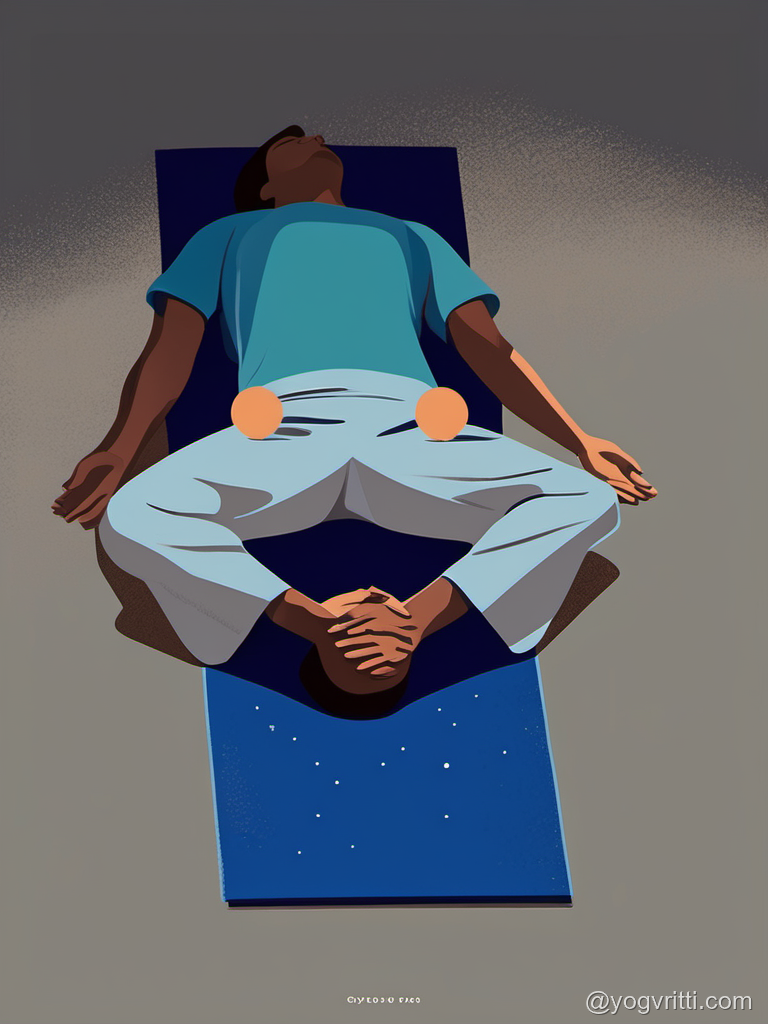
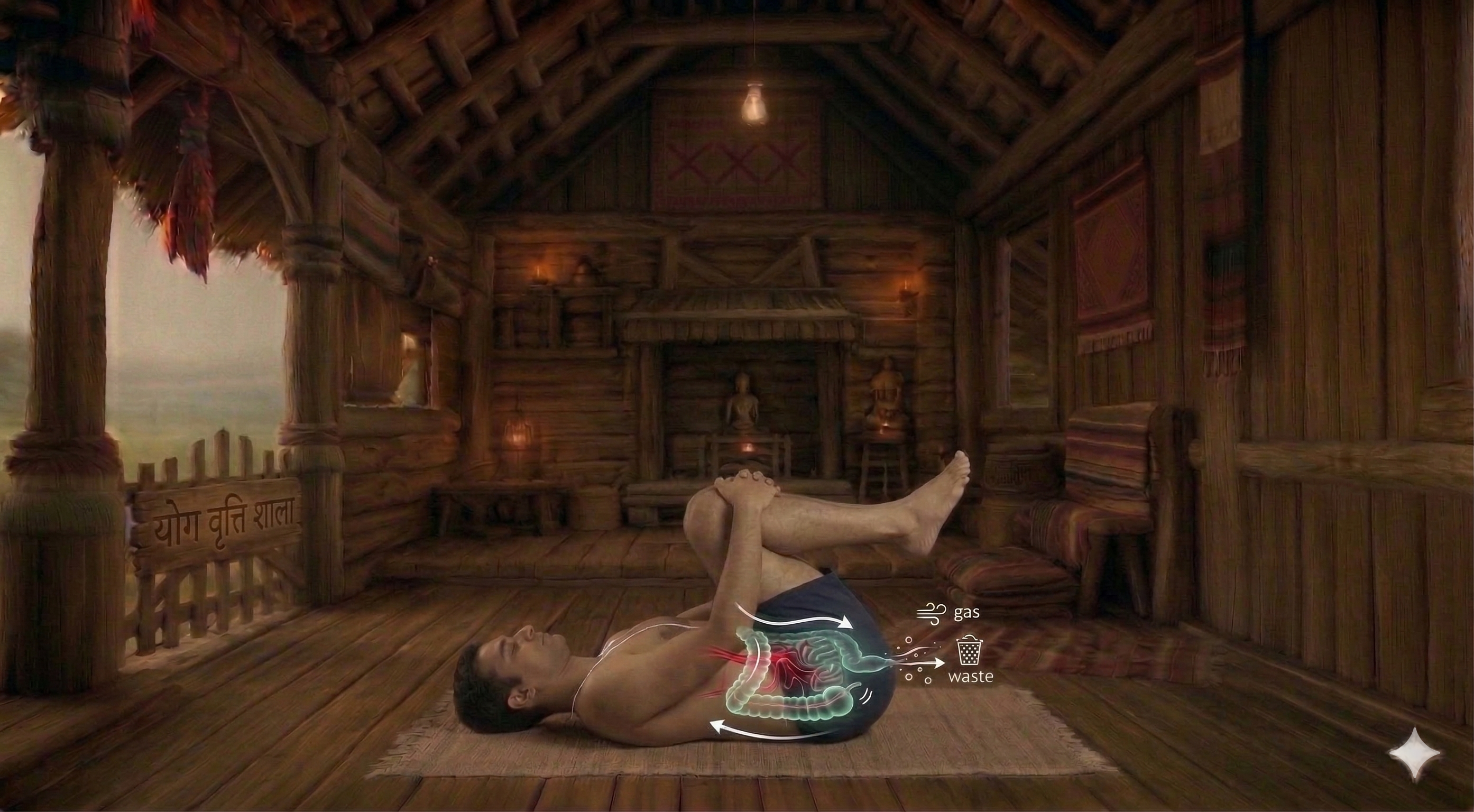
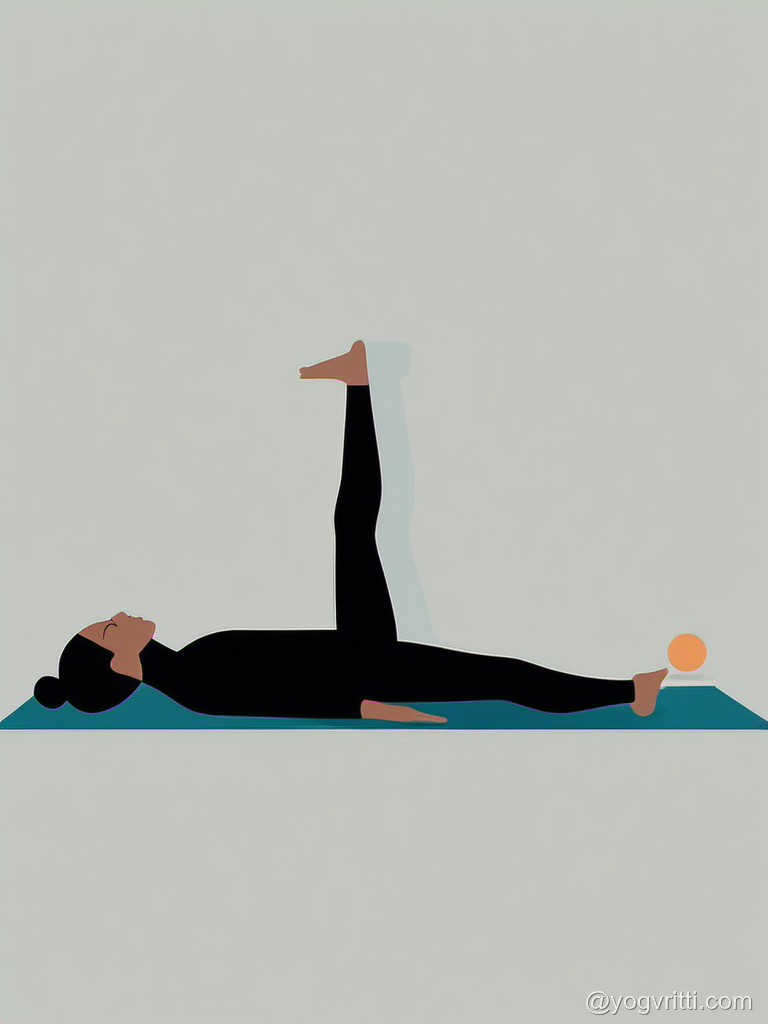

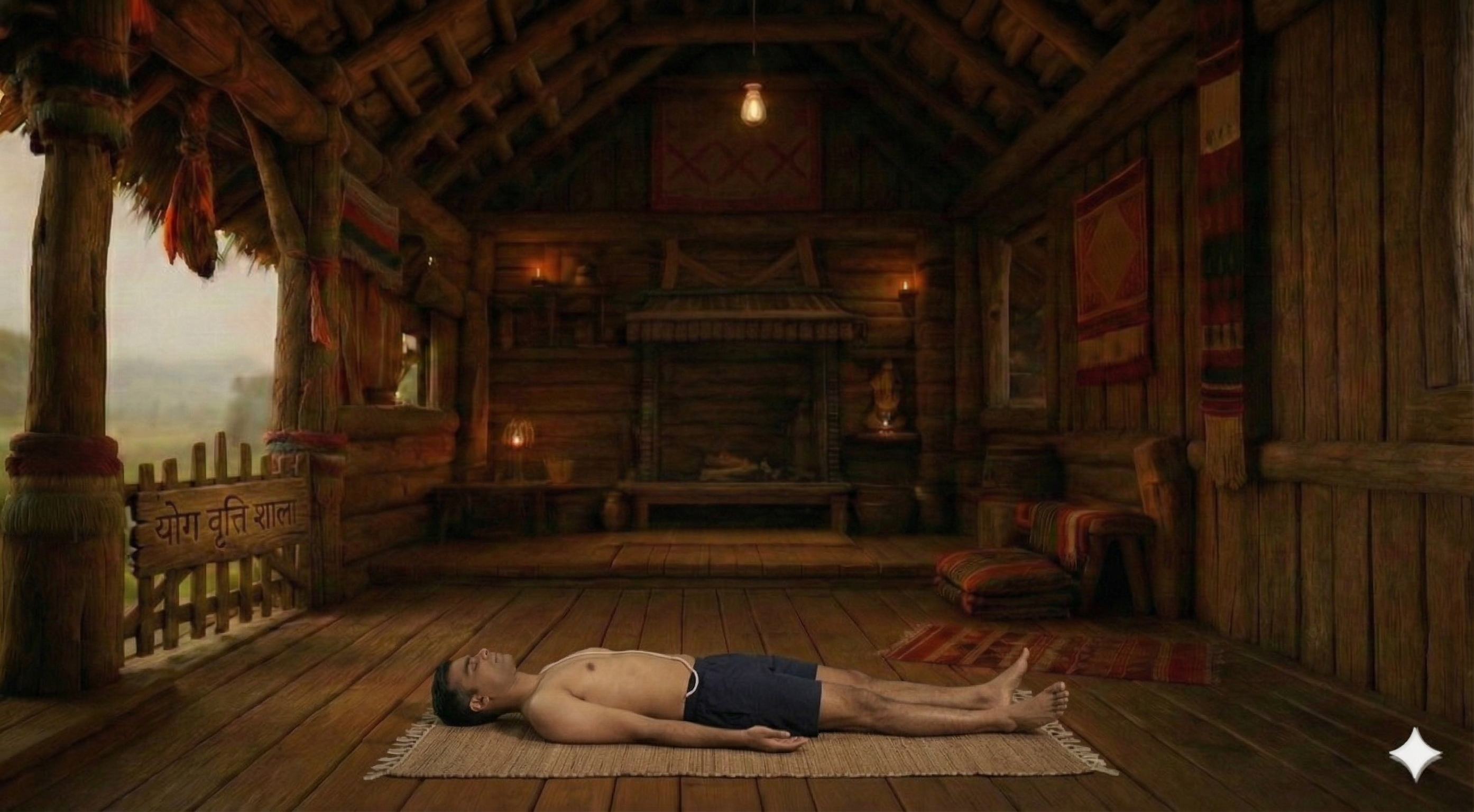
How to Practice
1. Lie on the back.
2. Arms alongside the body.
3. Inhale.
4. Lift both legs straight up (30-60 degrees).
5. Raise arms toward the feet.
5 more steps remaining
Register free to see the complete instructions
Register Free to ContinueAlready registered? Login
Frequently Asked Questions
Common questions about Uttana Padasana II
What is Raised Legs Pose II?
Raised Legs Pose II, also called Uttana Padasana Variation is a classical yoga posture. Its Sanskrit name Uttana Padasana II translates word-for-word as: Uttana (Raised / Stretched) · Pada (Legs) · Asana (Pose). In this posture, the body releases into the support of the floor, allowing gravity to assist. The posture works to engage the core, stretch the hip flexors and strengthen the quadriceps. Tones lower abdomen. Builds endurance. It is particularly valued for building full-body strength. Suitable for intermediate practitioners with foundational yoga experience, it is an excellent warm-up, particularly beneficial for beginners. Practitioners with pregnancy should approach with care or consult a qualified teacher.
What are the benefits of Raised Legs Pose II?
Core strengthening. Tones lower abdomen. Builds endurance.
Who should avoid Raised Legs Pose II?
Avoid this pose if you have: Lower back pain — keep legs higher, Pregnancy.
How many steps are in Raised Legs Pose II?
Raised Legs Pose II is practiced in 10 steps. Lie on the back.
Is Raised Legs Pose II suitable for beginners?
Raised Legs Pose II is an intermediate-level pose. Beginners should practice with props or under guidance.
What conditions does Raised Legs Pose II help with?
Raised Legs Pose II is therapeutic for: strength, weight loss.
What poses should I do before Raised Legs Pose II?
Prepare with: Supta Tadasana, Apanasana, Supta Padangusthasana I. These warm up the relevant muscles and joints.
Build Your Own Sequence
Combine Uttana Padasana II with other poses