 उन्नतखड़े होकर
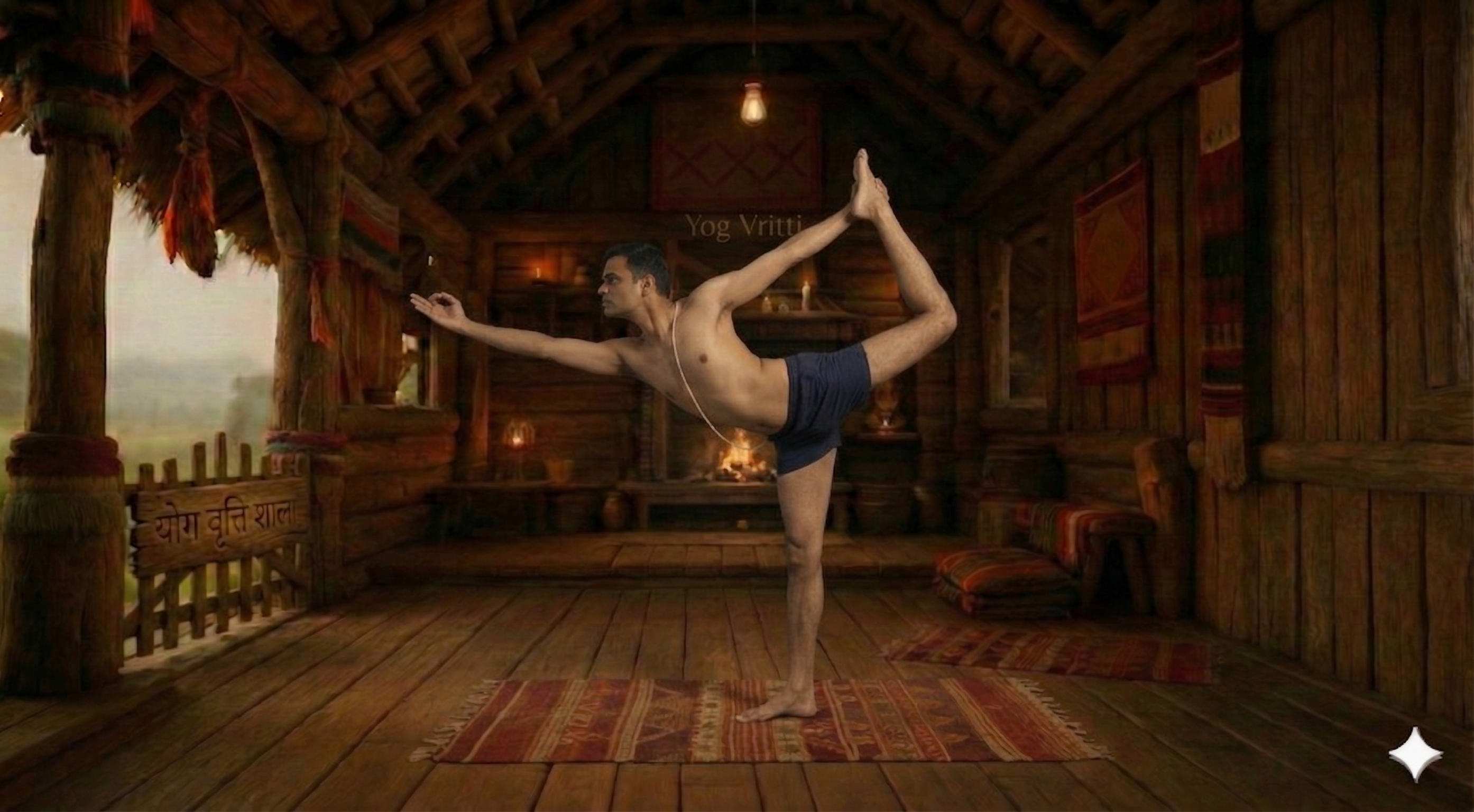
नटराजासन
Lord of the Dance Pose
नटराजासन एक चुनौतीपूर्ण बैकबेंड है जो संतुलन, शक्ति और लचीलापन में सुधार करता है। यह छाती और कंधों को खोलता है, हिप फ्लेक्सर्स और क्वाड्रिसेप्स को फैलाता है, और अनुग्रह और संतुलन को बढ़ावा देता है।
फायदे
5Quadriceps(lengthening)
The large muscles at the front of your lifted thigh (quadriceps femoris, especially rectus femoris) are undergoing a profound stretch as the knee flexes deeply and the hip extends. This lengthening helps to release chronic tightness often held from activities like sitting, directly improving hip extension and pelvic alignment. Energetically, this unwinds blockages in the front of the body, allowing a freer flow of prana, cultivating openness and lightness.
Hip Flexors(lengthening)
The deep muscles connecting your spine and pelvis to the front of your thigh (iliopsoas) are significantly lengthened in the lifted leg as the hip moves into extension. This release is crucial for decompressing the lower back and improving overall pelvic mobility, often tight in modern lifestyles. From a yogic perspective, releasing the psoas can free up a major energetic channel, allowing a sense of emotional release and greater ease in movement.
Erector Spinae(strengthening)
The long muscles running along either side of your spine (erector spinae group) are actively engaged to create and sustain the backbend, extending the vertebral column with controlled strength. This action builds resilience in the spinal muscles, improving posture and counteracting the effects of slouching. By strengthening these muscles, we empower the central energetic channel (sushumna nadi), promoting vitality and uprightness both physically and mentally.
- पूर्ण शारीरिक विश्लेषण →
सावधानियाँ
5Back Injury / Back Pain
Spinal flexion, extension, or rotation under load can compress vertebral discs or strain the paraspinal muscles.
Limit the depth of the backbend, engage the core actively before moving, and avoid any movement that creates pinching in the lumbar spine.
Shoulder Injury
Overhead loading and extreme shoulder rotation can impinge the subacromial space and overload rotator cuff tendons.
Draw the shoulder blades together without externally rotating aggressively; place hands on blocks to reduce range.
Knee Injury
Deep flexion or rotation at the knee can strain ligaments, meniscus, or cartilage, especially in a compromised joint.
Never push into pain; use a folded blanket under or between the knees and reduce the depth of the bend.
Low Blood Pressure
Rising quickly from low positions can cause a sudden drop in blood pressure, leading to dizziness or fainting.
Move slowly between positions, keep eyes open, and rest against a wall if dizziness arises.
विधि
चरण-दर-चरण निर्देश
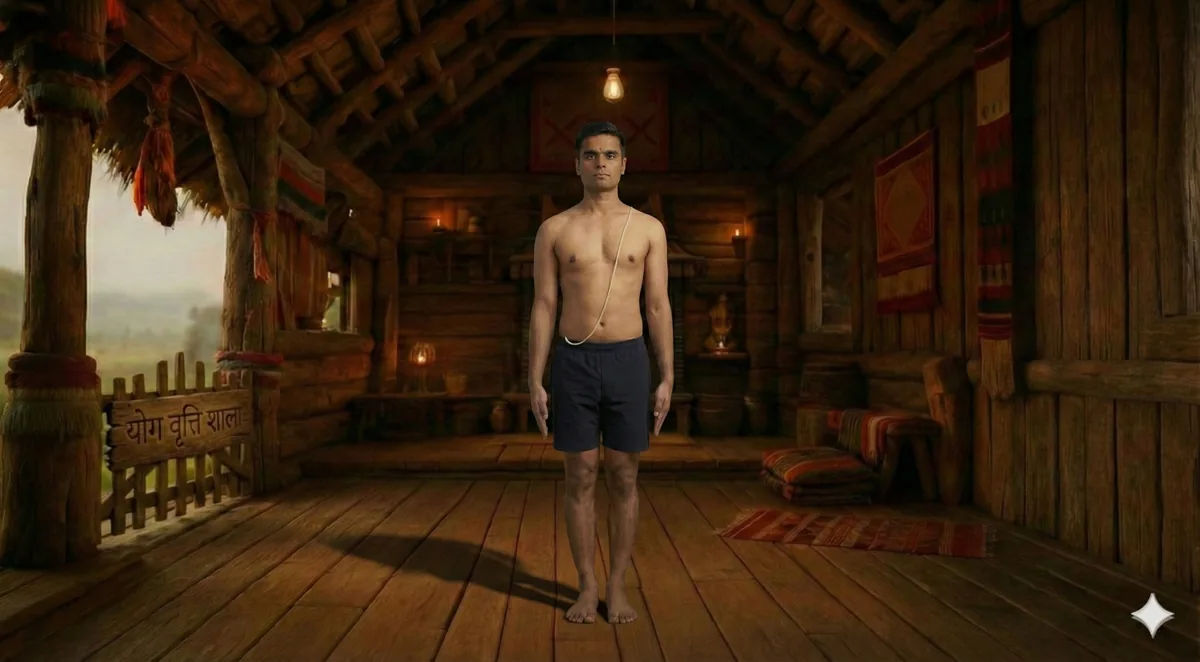
Tadasana में खड़े हो जाएँ।
दाहिने पैर को पीछे की ओर मोड़ें, दाहिने हाथ से दाहिने पैर के अंदरूनी हिस्से को पकड़ें।
बाएँ हाथ को सीधा आगे की ओर उठाएँ।
श्वास लें और दाहिने पैर को ऊपर और पीछे की ओर उठाएँ, छाती को खोलें और पीछे की ओर झुकें।
दाहिने हाथ से पैर को पकड़कर पैर को और ऊपर खींचें।
बाएँ पैर को ज़मीन पर मज़बूती से जमाएँ।
संतुलन बनाए रखते हुए, 3-5 श्वासों तक इस स्थिति में रहें।
धीरे-धीरे पैर को नीचे लाएँ और Tadasana में वापस आ जाएँ।
अब यही क्रिया दूसरी तरफ से दोहराएँ।
सहायक उपकरण
वैकल्पिक सहायता — आवश्यकतानुसार उपयोग करें
Wall
Use the wall to support the feet or back in deep backbends, allowing the chest and spine to open without the risk of falling.
Yoga Strap
Loop a strap around the ankles in prone backbends to close the gap between hands and feet, protecting the lower back from excessive compression.
सामान्य गलतियाँ
शिक्षण संकेत
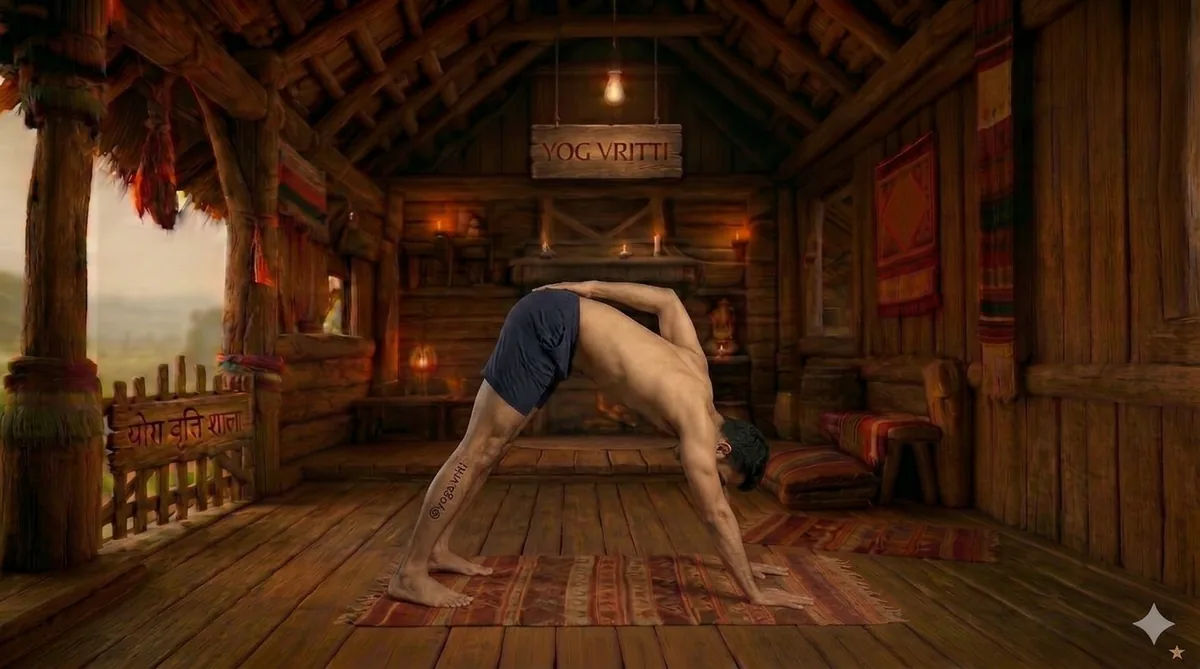
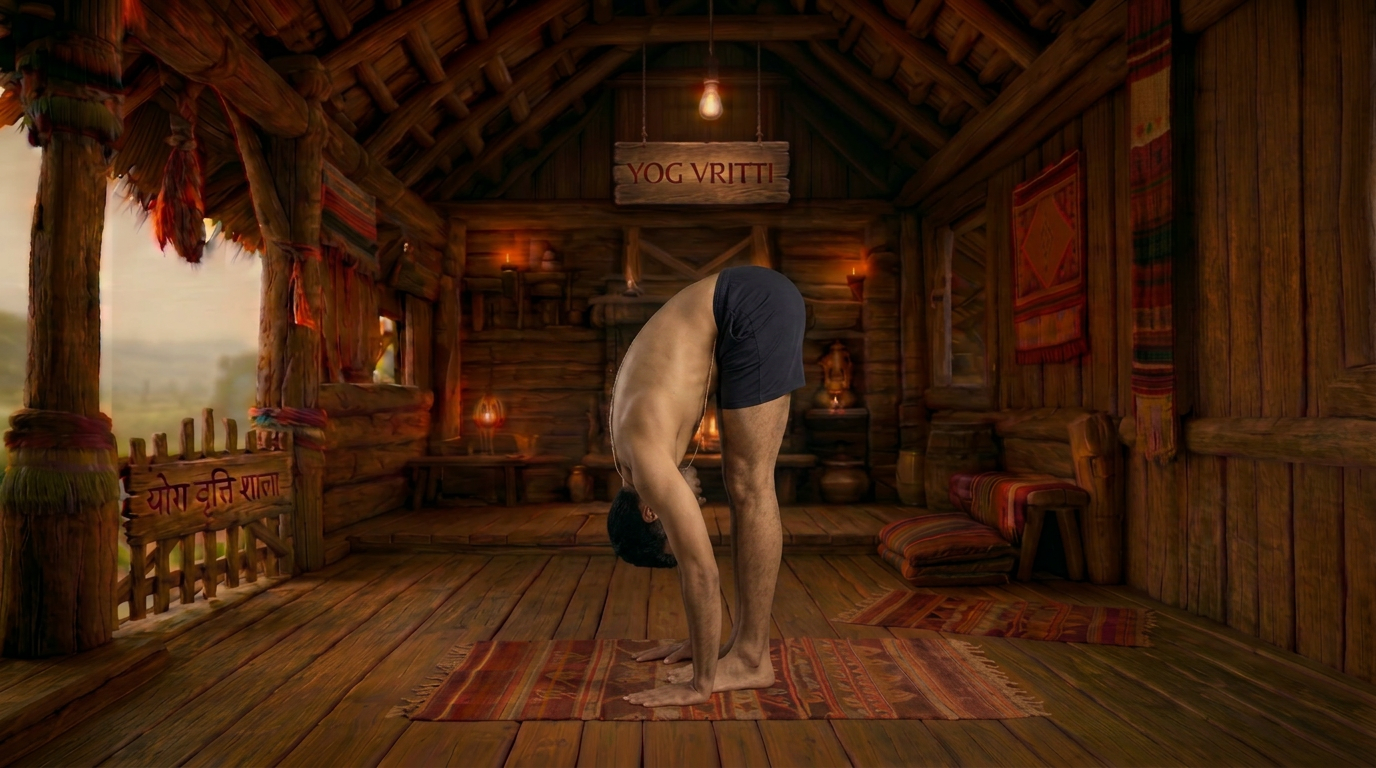
अभ्यास क्रम
अक्सर पूछे जाने वाले प्रश्न
नटराजासन के बारे में सामान्य प्रश्न
नटराजासन क्या है?
नटराजासन एक चुनौतीपूर्ण बैकबेंड है जो संतुलन, शक्ति और लचीलापन में सुधार करता है। यह छाती और कंधों को खोलता है, हिप फ्लेक्सर्स और क्वाड्रिसेप्स को फैलाता है, और अनुग्रह और संतुलन को बढ़ावा देता है।
नटराजासन के क्या फायदे हैं?
Improves balance and coordination। Strengthens legs and back muscles। Stretches hip flexors, quadriceps, and shoulders।
नटराजासन किस स्तर के लिए है?
नटराजासन एक उन्नत स्तर का आसन है। शुरुआती लोग किसी योग गुरु के मार्गदर्शन में अभ्यास करें।
नटराजासन कौन न करे?
Back injuries, Shoulder injuries, Knee injuries की स्थिति में यह आसन न करें।
नटराजासन के लिए कौन से उपकरण चाहिए?
wall, strap का उपयोग इस आसन को आसान बना सकता है।