
खड़े होकर · उन्नत
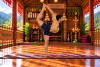
नटराजासन III
Lord of the Dance Pose III · Natarajasana III
NataDancerRajaKing (Shiva)AsanaPose
नटराजासन III, या नटराज का आसन, एक उन्नत खड़े होकर किया जाने वाला संतुलन और बैकबेंड आसन है जो स्थिरता, लचीलेपन और शक्ति को चुनौती देता है। यह छाती और कंधों को खोलता है जबकि पैरों और कोर को मजबूत करता है, गहरी एकाग्रता की मांग करता है।
स्तर उन्नतप्रकार खड़े होकरपक्ष एक ओर
अभ्यास की विधि
- 1
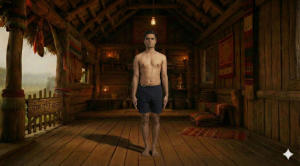
ताड़ासन में खड़े हो जाएँ। अपने दाहिने पैर पर वजन डालें और बाएं घुटने को मोड़ते हुए बाएं पैर को ऊपर उठाएं।
- 2
बाएं हाथ से बाएं टखने के अंदरूनी हिस्से को पकड़ें, उंगलियां पैर की उंगलियों की ओर इशारा करती हों। यदि आवश्यक हो तो एक पट्टा का उपयोग करें।
- 3
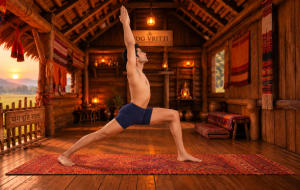
साँस लेते हुए, दाहिने हाथ को सीधा ऊपर छत की ओर उठाएं, हथेली अंदर की ओर।
- 4
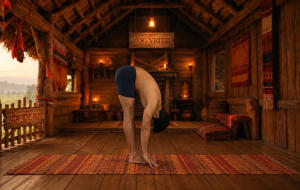
साँस छोड़ते हुए, खड़े हुए पैर को मजबूत रखते हुए, बाएं पैर को पीछे और ऊपर की ओर किक करना शुरू करें, जबकि धड़ को आगे की ओर झुकाएं।
- 5
बाएं जांघ को फर्श के समानांतर लाने का प्रयास करें, और बाएं हाथ को ऊपर की ओर खींचें, जिससे छाती खुले।
शिक्षण संकेत
यह कहें
- Ground firmly through all four corners of both feet
- Engage the quadriceps by lifting the kneecaps
- Lengthen the spine from the tailbone to the crown of the head
- Draw the shoulder blades down and back
- Maintain steady, even breathing throughout
- Allow the hip joints to open gradually — never force
- Fix the gaze on a steady point (drishti) for balance
इन पर ध्यान दें
- Locking the knees — keep a micro-bend or engage the quadriceps
- Collapsing the arches of the feet — distribute weight evenly
- Holding the breath or breathing shallowly
- Hunching the shoulders toward the ears
- Leaning weight to one side — keep both feet equally grounded
- Forcing the hips open beyond their current range
- Looking around the room — keep the gaze fixed
शरीर पर प्रभाव
मांसपेशियाँ देखने के लिए किसी भाग पर टैप करें3D anatomy adapted from Z-Anatomy, CC BY-SA 4.0
Quadriceps
BothLord of the Dance Pose III both stretches and strengthens the front of your thighs.
Muscles at work
- QuadricepsContractsStretches⚑ Limits the pose
Crucial for extending the knees, lifting the kneecap, and stabilizing standing and balancing poses.
Main action: extends the knee; rectus femoris also flexes the hip
⚑ Where you’ll feel it
Tightness in the quadriceps is what usually stops you going deeper here. Ease off at the first strong stretch and keep breathing — don’t force the end range. Props that help: wall, strap.
- Strengthens ankles, legs, and abdomen
- Stretches shoulders, chest, and hip flexors
- Improves balance and focus
- Boosts confidence and determination
- Energizes the body and mind
- Opens the heart and chest
सावधानियाँ
Ankle Injury
Unstable or injured ankle joints can be overstressed by weight-bearing, extreme dorsiflexion, or plantar flexion.
बदलाव · Avoid full weight-bearing on the injured ankle; use a blanket for cushioning or switch to a seated alternative.
Knee Injury
Deep flexion or rotation at the knee can strain ligaments, meniscus, or cartilage, especially in a compromised joint.
बदलाव · Never push into pain; use a folded blanket under or between the knees and reduce the depth of the bend.
Low Blood Pressure
Rising quickly from low positions can cause a sudden drop in blood pressure, leading to dizziness or fainting.
बदलाव · Move slowly between positions, keep eyes open, and rest against a wall if dizziness arises.
Recent Surgery
Surgical wounds and healing tissues need time before being subjected to the mechanical stress of yoga postures.
बदलाव · Wait for full medical clearance from your surgeon; begin with gentle breath work and progress only as healing allows.
Shoulder Injury
Overhead loading and extreme shoulder rotation can impinge the subacromial space and overload rotator cuff tendons.
बदलाव · Draw the shoulder blades together without externally rotating aggressively; place hands on blocks to reduce range.
Balance
बदलाव · Practice near a wall for support, or use a chair to hold onto.
कक्षा में

त्वरित उत्तर
नटराजासन III क्या है?
नटराजासन III, या नटराज का आसन, एक उन्नत खड़े होकर किया जाने वाला संतुलन और बैकबेंड आसन है जो स्थिरता, लचीलेपन और शक्ति को चुनौती देता है। यह छाती और कंधों को खोलता है जबकि पैरों और कोर को मजबूत करता है, गहरी एकाग्रता की मांग करता है।
नटराजासन III कैसे करें?
ताड़ासन में खड़े हो जाएँ। अपने दाहिने पैर पर वजन डालें और बाएं घुटने को मोड़ते हुए बाएं पैर को ऊपर उठाएं। बाएं हाथ से बाएं टखने के अंदरूनी हिस्से को पकड़ें, उंगलियां पैर की उंगलियों की ओर इशारा करती हों। यदि आवश्यक हो तो एक पट्टा का उपयोग करें। साँस लेते हुए, दाहिने हाथ को सीधा ऊपर छत की ओर उठाएं, हथेली अंदर की ओर।
क्या शुरुआती लोग नटराजासन III कर सकते हैं?
यह उन्नत स्तर का आसन है। शुरुआती लोग पहले आसान आसनों से तैयारी करें।
- आसन प्रकार
- Balance, Backbend, Hip Opener
- मुख्य भाग
- Full Body, Hips, Shoulders
- किसके लिए
- Athletes, Teens
- योग शैली
- Iyengar, Hatha, Vinyasa
- कब करें
- Peak Pose, Morning, Quick Practice