 शुरुआतीखड़े होकर
विविधताएँ (1)
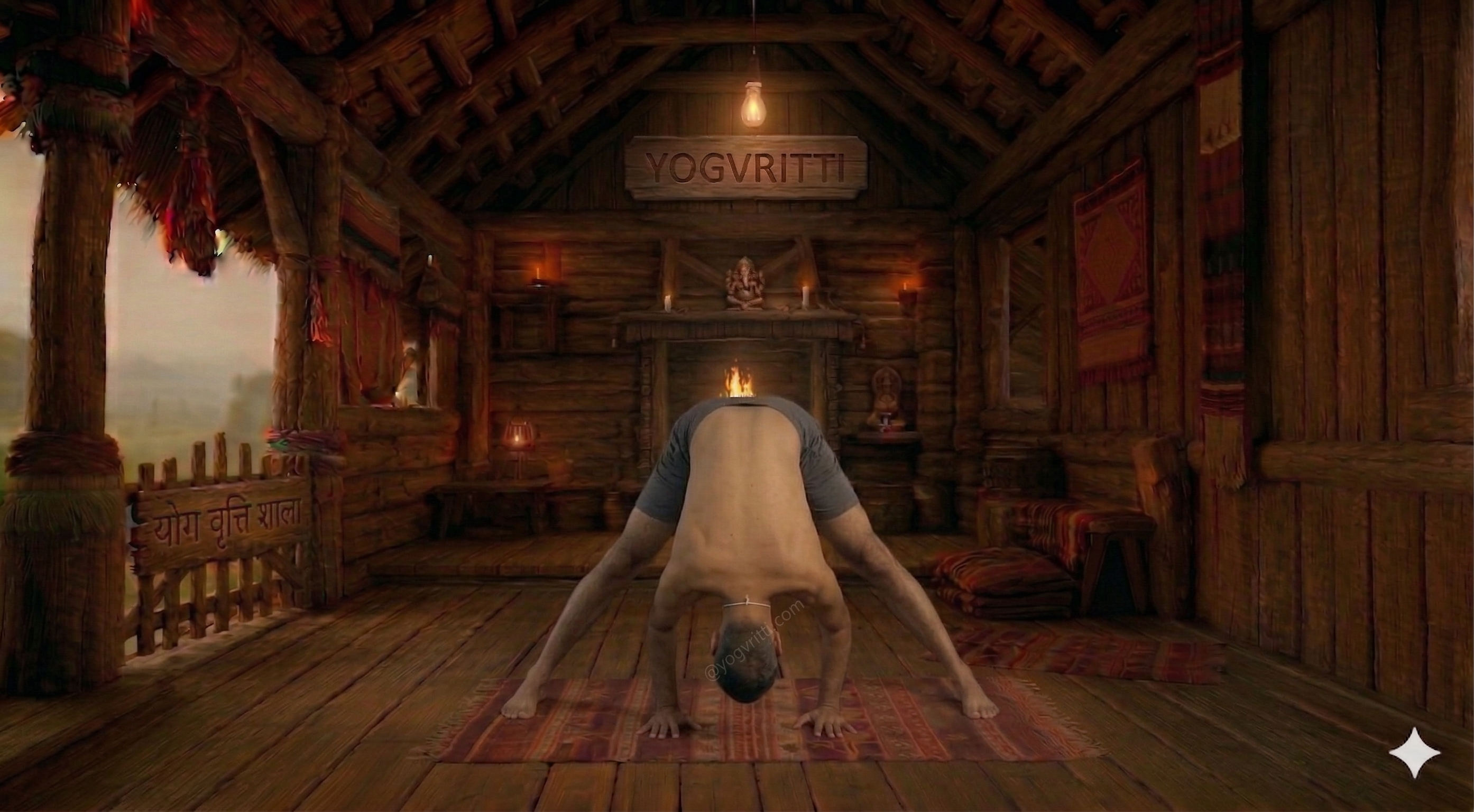
प्रसारित पादोत्तानासन १
Wide-Legged Forward Bend I
प्रसारित पादोत्तानासन १ एक चौड़ी-टांगों वाली आगे की ओर झुकने वाली मुद्रा है जो हैमस्ट्रिंग, काफ और रीढ़ को खींचती है। यह मस्तिष्क को शांत करता है और हल्के अवसाद को दूर करने में मदद करता है।
फायदे
5Hamstrings(lengthening)
The powerful muscles running along the back of your thighs (hamstrings) receive a deep, sustained stretch in this posture, gently unwinding years of accumulated tension. As the pelvis tilts forward from the hip joints, gravity assists in elongating these muscles, which are eccentrically loaded to control the descent of the torso. This release in the posterior chain not only improves flexibility but also frees up the apana vayu, the downward-moving energy, fostering a profound sense of grounding and ease in the lower body.
Adductors(lengthening)
The inner thigh muscles (adductors) are meticulously lengthened as the legs are spread wide and the pelvis folds forward. This action gently stretches the connective tissue and muscle fibers that often hold tightness from prolonged sitting or athletic activity. Anatomically, the origins on the pelvis are drawn away from their insertions on the femur, creating space in the inner groin and hips. Yogically, this opening in the pelvic region can release emotional blockages, promoting a sense of liberation and energetic flow in the root and sacral chakras.
Spinal Erectors(lengthening)
The deep muscles that run parallel to your spine (spinal erectors) are elongated and released as the torso folds forward with a long, straight back. Instead of collapsing, the intention is to maintain length through the spine, requiring these muscles to work eccentrically to prevent rounding. This gentle traction creates vital space between the vertebrae, allowing for decompression of the intervertebral discs. From a yogic perspective, this fosters an unobstructed flow of prana along the sushumna nadi, promoting mental clarity and reducing stiffness throughout the entire spinal column.
- पूर्ण शारीरिक विश्लेषण →
सावधानियाँ
4Back Injury / Back Pain
Spinal flexion, extension, or rotation under load can compress vertebral discs or strain the paraspinal muscles.
Bend both knees generously, hinge from the hips rather than rounding the spine, and rest hands on blocks or thighs.
Glaucoma / Eye Pressure
Inverted and head-below-heart positions increase intraocular pressure, which can be harmful for those with elevated eye pressure.
Practise with hands on blocks and knees bent so the head remains above heart level.
High Blood Pressure
Vigorous effort and inverted positions temporarily raise blood pressure in the head, increasing strain on blood vessels.
Keep the head above the heart by bending the knees deeply and resting forearms on thighs rather than reaching to the floor.
Headache / Migraine
Physical exertion, inversions, and strong breath work can intensify an existing headache or trigger a migraine.
Support the forehead on a block or bolster so the head is not hanging freely.
विधि
चरण-दर-चरण निर्देश
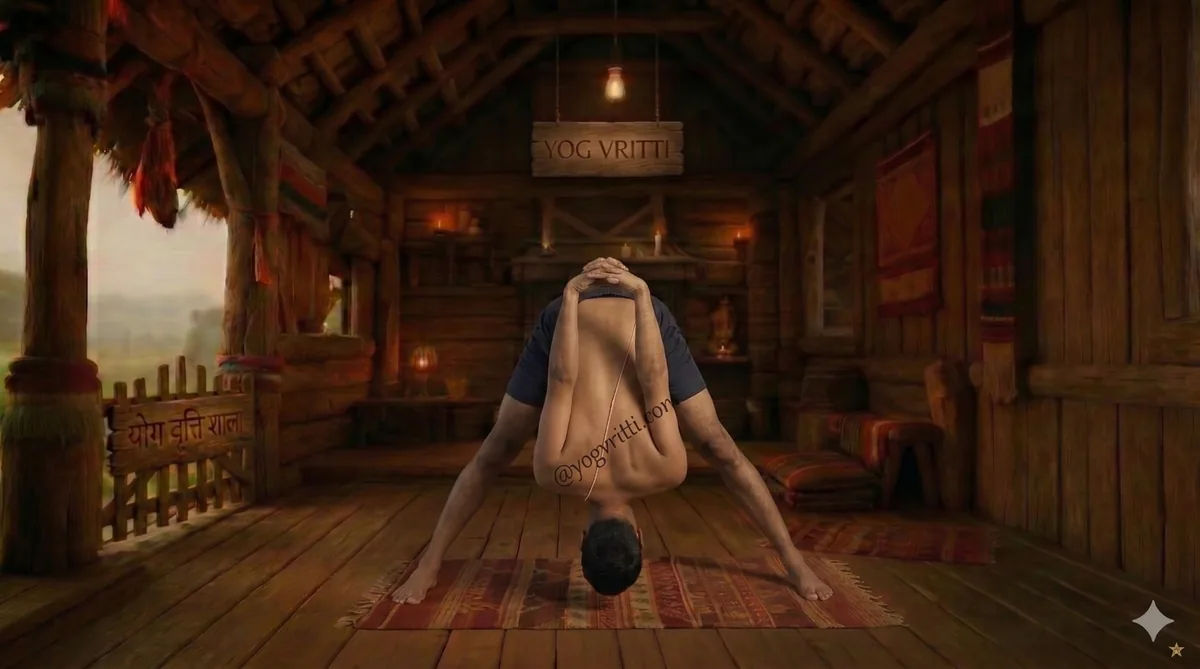
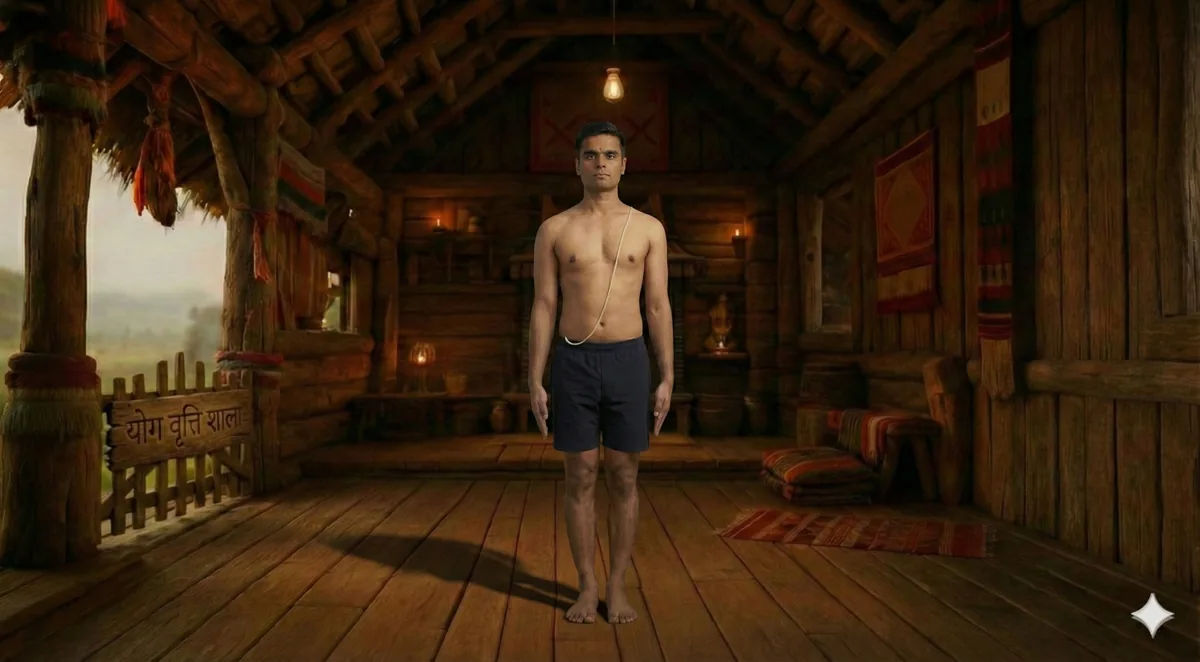
Tadasana में खड़े हों।
Exhale करते हुए, पैरों को 4-5 फीट अलग फैलाएँ।
हाथों को कूल्हों पर रखें।
Inhale करते हुए, रीढ़ को सीधा करें।
Exhale करते हुए, कूल्हों से आगे झुकें, पीठ को सीधा रखें।
हाथों को ज़मीन पर कंधों के नीचे रखें, उंगलियाँ आगे की ओर। यदि ज़रूरी हो, तो घुटनों को थोड़ा मोड़ें।
सिर को ज़मीन की ओर झुकाएँ, लेकिन गर्दन पर ज़ोर न डालें।
30-60 सेकंड के लिए इस स्थिति में रहें, सामान्य रूप से साँस लेते रहें।
Inhale करते हुए, हाथों को कूल्हों पर रखें और धीरे-धीरे सीधे खड़े हों।
Exhale करते हुए, पैरों को वापस Tadasana में लाएँ।
सहायक उपकरण
वैकल्पिक सहायता — आवश्यकतानुसार उपयोग करें
Yoga Block
Place blocks under the hands at any height to allow the spine to lengthen fully before attempting to reach the floor — prioritising posture over depth.
सामान्य गलतियाँ
शिक्षण संकेत
अभ्यास क्रम
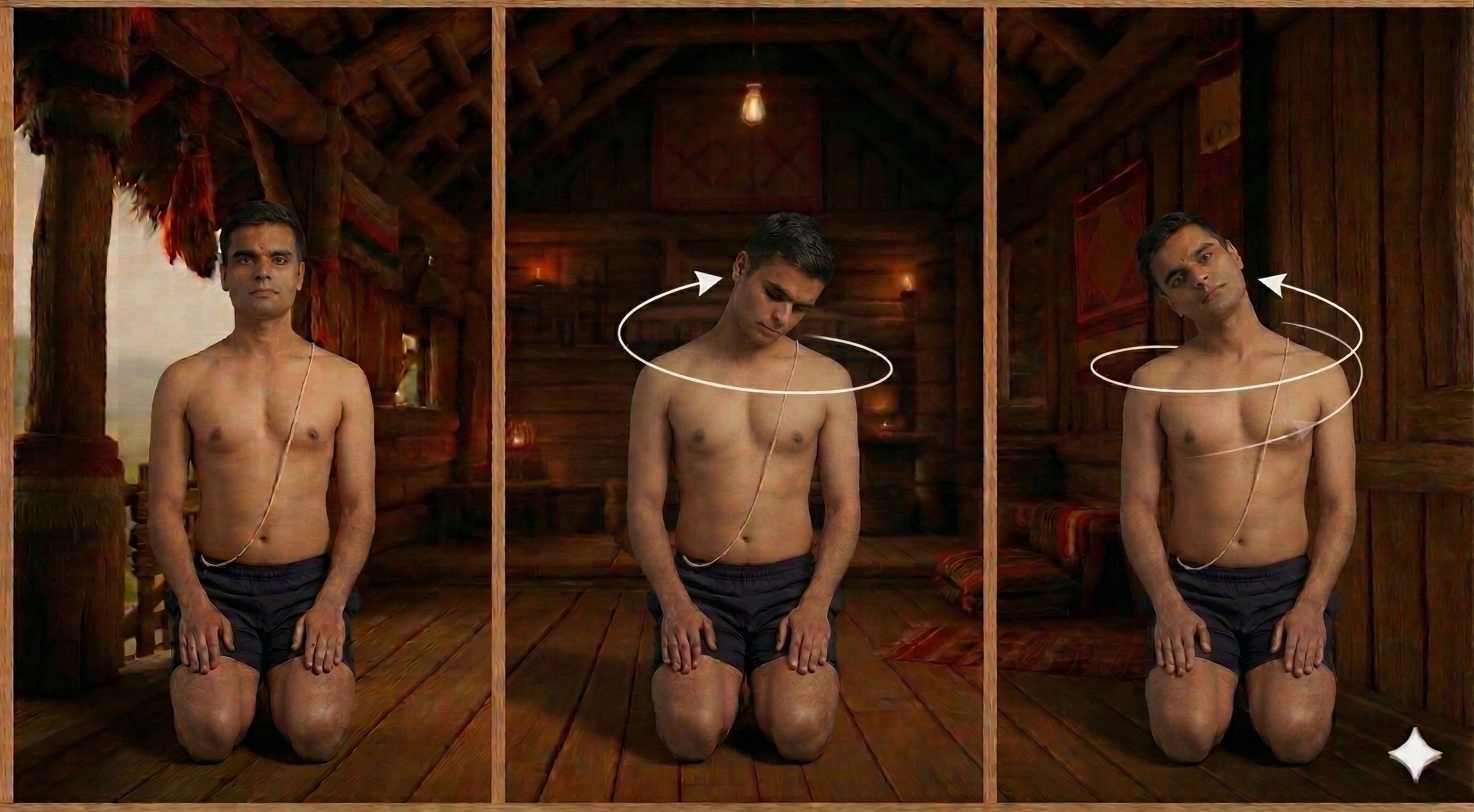
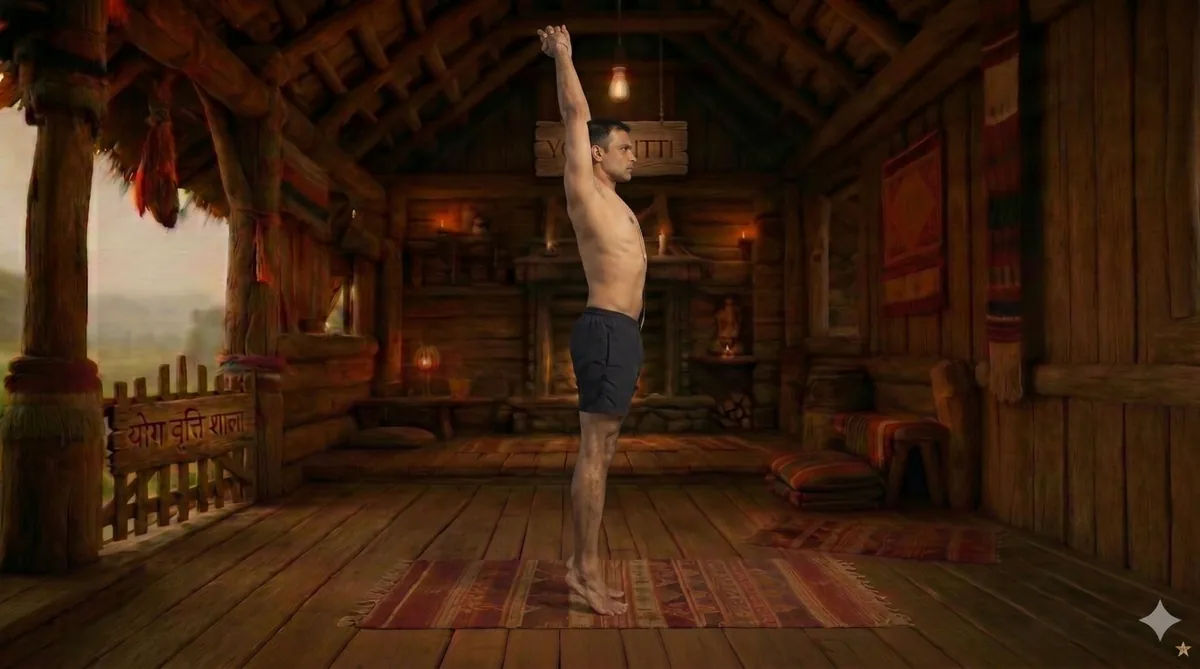
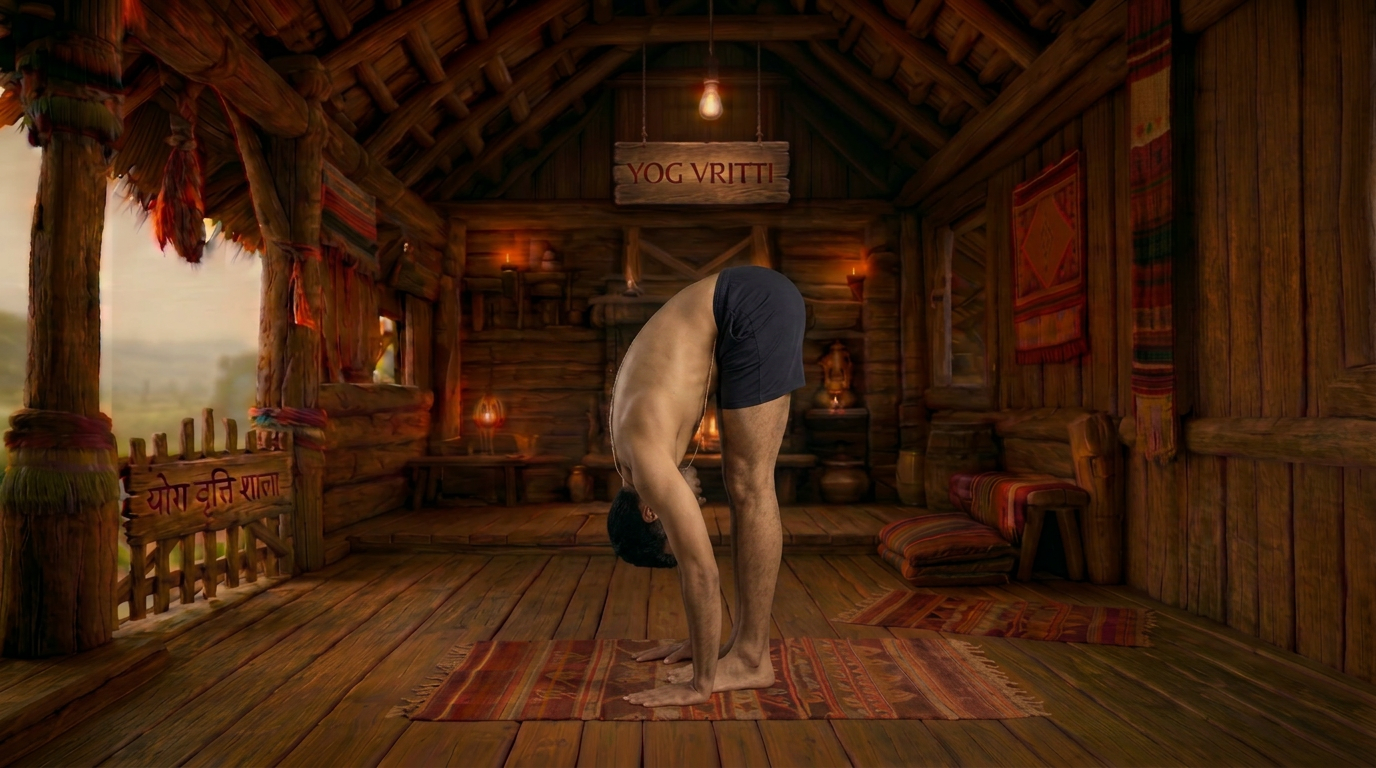
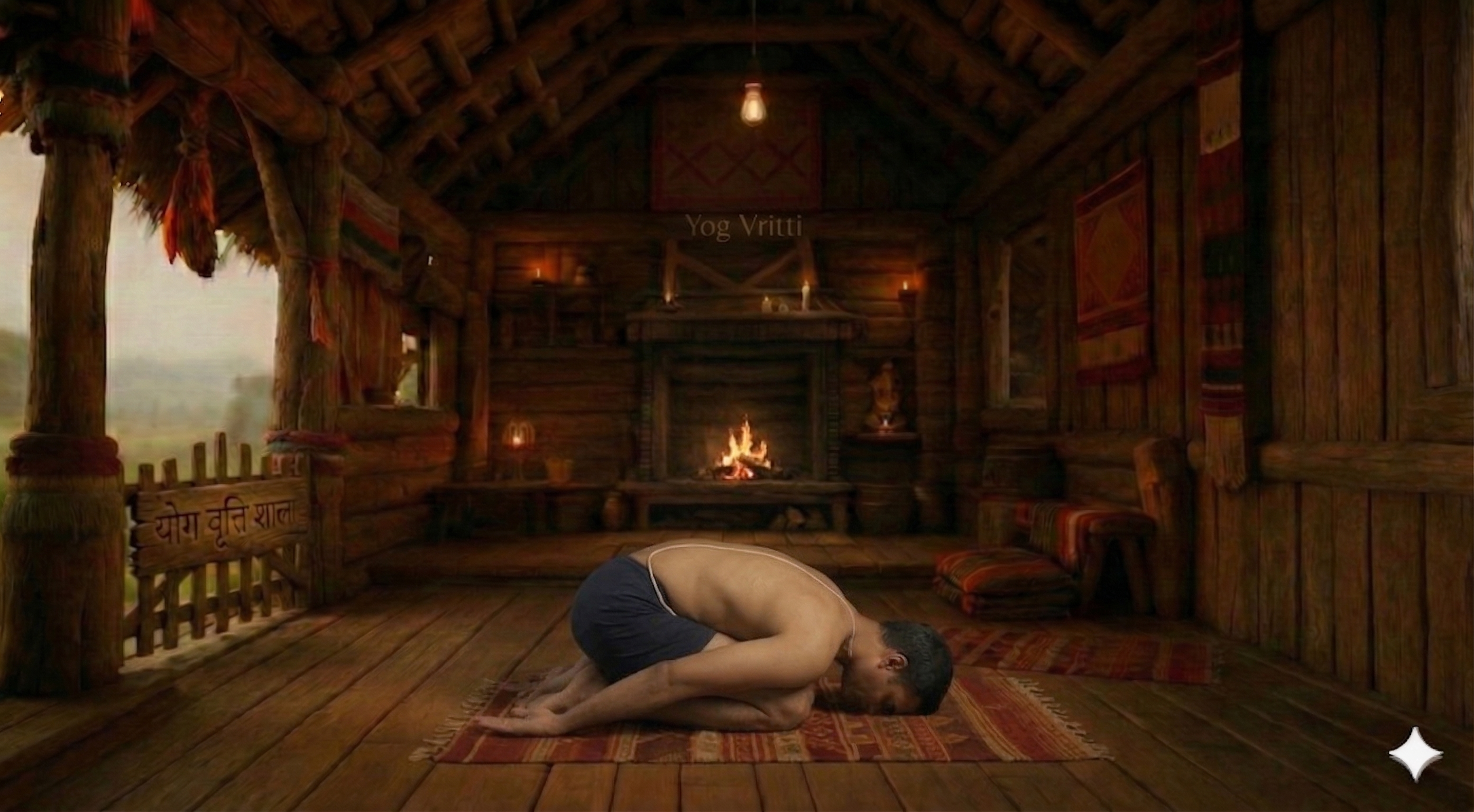
अक्सर पूछे जाने वाले प्रश्न
प्रसारित पादोत्तानासन १ के बारे में सामान्य प्रश्न
प्रसारित पादोत्तानासन १ क्या है?
प्रसारित पादोत्तानासन १ एक चौड़ी-टांगों वाली आगे की ओर झुकने वाली मुद्रा है जो हैमस्ट्रिंग, काफ और रीढ़ को खींचती है। यह मस्तिष्क को शांत करता है और हल्के अवसाद को दूर करने में मदद करता है।
प्रसारित पादोत्तानासन १ के क्या फायदे हैं?
Stretches hamstrings, calves, and spine। Calms the brain। Relieves mild depression।
प्रसारित पादोत्तानासन १ किस स्तर के लिए है?
प्रसारित पादोत्तानासन १ एक शुरुआती स्तर का आसन है। यह सभी के लिए उपयुक्त है।
प्रसारित पादोत्तानासन १ कौन न करे?
Back injury, Glaucoma, High blood pressure की स्थिति में यह आसन न करें।
प्रसारित पादोत्तानासन १ के लिए कौन से उपकरण चाहिए?
block का उपयोग इस आसन को आसान बना सकता है।