
उल्टा · उन्नत
सालम्ब शीर्षासन
Supported Headstand
SaWithAlambaSupportSirsaHeadAsanaPose
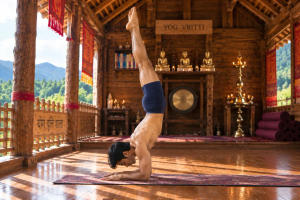
सालम्ब शीर्षासन एक शक्तिशाली उलटा आसन है जो परिसंचरण में सुधार करता है, तंत्रिका तंत्र को शांत करता है, और कोर को मजबूत करता है। चोट से बचने के लिए इसके लिए शक्ति, संतुलन और उचित संरेखण की आवश्यकता होती है।
स्तर उन्नतप्रकार उल्टापक्ष दोनों ओर
अभ्यास की विधि
वज्रासन में बैठें, forearms को जमीन पर कंधे-चौड़ाई पर रखें।
हाथों को आपस में पकड़ें, सिर को हाथों के बीच जमीन पर रखें।
धीरे-धीरे घुटनों को ऊपर उठाएं, पैरों को सिर की ओर ले जाएं।
कोर को Engage करें, पैरों को ऊपर की ओर सीधा करें।
शरीर को सीधा रखें, कंधों को कानों से दूर रखें।
शिक्षण संकेत
यह कहें
- Engage the core to maintain stability
- Press firmly through the foundation — hands, forearms, or head
- Keep the body in one straight line from base to feet
- Breathe steadily — do not hold the breath
- Come down slowly and with control
इन पर ध्यान दें
- Kicking up with momentum instead of controlled engagement
- Collapsing into the shoulders — push the floor away
- Holding the breath — maintain steady breathing
- Looking around the room — keep the gaze steady
- Coming down too quickly — lower with control
शरीर पर प्रभाव
मांसपेशियाँ देखने के लिए किसी भाग पर टैप करें3D anatomy adapted from Z-Anatomy, CC BY-SA 4.0
Shoulders
BothSupported Headstand both stretches and strengthens your shoulders.
Muscles at work
- Posterior DeltoidsContracts
The posterior deltoids stabilize and externally rotate the shoulders during backbends and arm-balancing postures like Chaturanga Dandasana.
Main action: Shoulder extension, shoulder external rotation, and shoulder horizontal abduction
- Rotator CuffContracts
Centrates and stabilizes the humeral head in the glenoid fossa during weight-bearing arm balances and inversions.
Main action: stabilizes glenohumeral joint; rotates and abducts the arm
- Teres MajorContracts
Engages to stabilize the shoulder joint and draw the upper arm toward the torso during poses like Chaturanga Dandasana and Downward-Facing Dog.
Main action: Extension, adduction, and medial rotation of the arm at the glenohumeral joint
- DeltoidsStretches
Drives arm elevation, abduction, and stabilization in warrior poses, arm balances, and backbends.
Main action: anterior raises arm forward, lateral abducts arm, posterior extends arm backward
- Improves circulation to the brain and pituitary gland
- Calms the nervous system and reduces stress
- Strengthens the core, back, and shoulders
- Improves digestion
- Relieves symptoms of menopause
- Stimulates the lymphatic system
सावधानियाँ
High Blood Pressure
Vigorous effort and inverted positions temporarily raise blood pressure in the head, increasing strain on blood vessels.
बदलाव · Avoid this inversion entirely or keep the head above heart level at all times; never hold the breath.
Glaucoma / Eye Pressure
Inverted and head-below-heart positions increase intraocular pressure, which can be harmful for those with elevated eye pressure.
बदलाव · Avoid this inversion entirely; practise Viparita Karani (legs-up-the-wall) with a bolster under the hips as an alternative.
Neck Injury / Cervical Issues
Looking up, bearing head weight, or unsupported neck rotation can compress cervical vertebrae and irritate nerves.
बदलाव · Avoid all weight-bearing on the head and neck; practise supported Setu Bandha or legs-up-the-wall instead.
Heart Conditions
Vigorous effort and inverted positions increase cardiac demand and blood pressure; extra caution is essential with heart disease.
बदलाव · Avoid full inversions entirely; use Viparita Karani (legs-up-the-wall) as a gentle alternative.
Pregnancy
Deep twists, abdominal compression, and lying flat on the back can restrict blood flow or cause discomfort as pregnancy progresses.
बदलाव · Avoid all inversions unless already well-established in the practice and with teacher supervision; use a wall-supported legs-up-the-wall instead.
Menstruation
बदलाव · Avoid completely or practice with caution, depending on individual comfort and flow.
Low Blood Pressure
बदलाव · Approach slowly, ensure stable setup, come down slowly.
Vertigo
बदलाव · Avoid completely.
कक्षा में
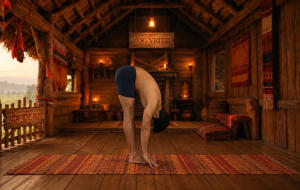
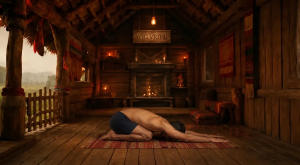
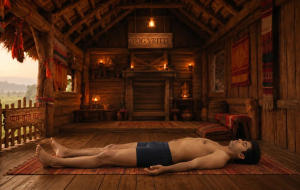
 सालम्ब शीर्षासनयह आसन

त्वरित उत्तर
सालम्ब शीर्षासन क्या है?
सालम्ब शीर्षासन एक शक्तिशाली उलटा आसन है जो परिसंचरण में सुधार करता है, तंत्रिका तंत्र को शांत करता है, और कोर को मजबूत करता है। चोट से बचने के लिए इसके लिए शक्ति, संतुलन और उचित संरेखण की आवश्यकता होती है।
सालम्ब शीर्षासन कैसे करें?
वज्रासन में बैठें, forearms को जमीन पर कंधे-चौड़ाई पर रखें। हाथों को आपस में पकड़ें, सिर को हाथों के बीच जमीन पर रखें। धीरे-धीरे घुटनों को ऊपर उठाएं, पैरों को सिर की ओर ले जाएं। कोर को Engage करें, पैरों को ऊपर की ओर सीधा करें। पूरी विधि 10 चरणों में ऊपर दी गई है।
क्या शुरुआती लोग सालम्ब शीर्षासन कर सकते हैं?
यह उन्नत स्तर का आसन है। शुरुआती लोग पहले आसान आसनों से तैयारी करें।
- आसन प्रकार
- Inversion, Core Strengthener
- मुख्य भाग
- Shoulders, Neck, Core, Full Body
- किसके लिए
- Athletes, Teens
- योग शैली
- Iyengar, Hatha, Ashtanga
- कब करें
- Peak Pose, Morning