
उल्टा · उन्नत
सालम्ब शीर्षासन III
Supported Headstand III · Salamba Sirsasana III
SaWithAlambaSupportSirsaHeadAsanaPose — III
सालम्ब शीर्षासन III शीर्षासन का एक उन्नत रूप है जहाँ हथेलियों को फर्श पर सपाट रखा जाता है, जिसके लिए अत्यधिक कंधे और बांह की ताकत के साथ-साथ कोर स्थिरता की आवश्यकता होती है। यह आत्मविश्वास और एकाग्रता का निर्माण करता है।
स्तर उन्नतप्रकार उल्टापक्ष दोनों ओर
अभ्यास की विधि
- 1
एक ब्लैंकेट को मोड़कर सिर के नीचे रखें। दीवार के पास घुटनों के बल बैठें।
- 2
सिर के शीर्ष को ब्लैंकेट पर रखें और हथेलियों को सिर के दोनों ओर ज़मीन पर रखें, उंगलियां आगे की ओर इशारा करती हुई।
- 3
श्वास लेते हुए, कूल्हों को ऊपर उठाएं और पैरों को सीधा करें, धीरे-धीरे अपने पैरों को सिर की ओर चलाएं।
- 4
श्वास छोड़ते हुए, अपने कोर को संलग्न करें और धीरे-धीरे अपने पैरों को ज़मीन से ऊपर उठाएं, शरीर को सीधा करें।
- 5
सिर के बल खड़े होने की स्थिति में, शरीर को एक सीधी रेखा में रखें, एड़ी को ऊपर की ओर धकेलें।
शिक्षण संकेत
यह कहें
- Engage the core to maintain stability
- Press firmly through the foundation — hands, forearms, or head
- Keep the body in one straight line from base to feet
- Breathe steadily — do not hold the breath
- Come down slowly and with control
- Fix the gaze on a steady point (drishti) for balance
इन पर ध्यान दें
- Kicking up with momentum instead of controlled engagement
- Collapsing into the shoulders — push the floor away
- Holding the breath — maintain steady breathing
- Looking around the room — keep the gaze steady
- Coming down too quickly — lower with control
- Looking around the room — keep the gaze fixed
शरीर पर प्रभाव
मांसपेशियाँ देखने के लिए किसी भाग पर टैप करें3D anatomy adapted from Z-Anatomy, CC BY-SA 4.0
Upper back
BothSupported Headstand III both stretches and strengthens your upper back.
Muscles at work
- Latissimus DorsiStretches⚑ Limits the pose
Draws the chest forward and opens the heart center in backbends and upward-facing dog.
Main action: extends the arm from a flexed position, internally rotates, and adducts the arm
- TrapeziusContracts
Supports shoulder girdle stability, neck alignment, and arm balances like tolasana.
Main action: elevates, depresses, retracts, and rotates the scapula
⚑ Where you’ll feel it
Tightness in the latissimus dorsi is what usually stops you going deeper here. Ease off at the first strong stretch and keep breathing — don’t force the end range. Props that help: blanket, wall.
- Strengthens arms, shoulders, and core
- Improves balance
- Calms the brain
- Stimulates pituitary and pineal glands
- Increases blood flow to the brain
सावधानियाँ
Neck Injury / Cervical Issues
Looking up, bearing head weight, or unsupported neck rotation can compress cervical vertebrae and irritate nerves.
बदलाव · Avoid all weight-bearing on the head and neck; practise supported Setu Bandha or legs-up-the-wall instead.
Back Injury / Back Pain
Spinal flexion, extension, or rotation under load can compress vertebral discs or strain the paraspinal muscles.
बदलाव · Support the lower back with a block under the sacrum in bridge variations; avoid unsupported inversions.
High Blood Pressure
Vigorous effort and inverted positions temporarily raise blood pressure in the head, increasing strain on blood vessels.
बदलाव · Avoid this inversion entirely or keep the head above heart level at all times; never hold the breath.
Heart Conditions
Vigorous effort and inverted positions increase cardiac demand and blood pressure; extra caution is essential with heart disease.
बदलाव · Avoid full inversions entirely; use Viparita Karani (legs-up-the-wall) as a gentle alternative.
Glaucoma / Eye Pressure
Inverted and head-below-heart positions increase intraocular pressure, which can be harmful for those with elevated eye pressure.
बदलाव · Avoid this inversion entirely; practise Viparita Karani (legs-up-the-wall) with a bolster under the hips as an alternative.
Headache / Migraine
Physical exertion, inversions, and strong breath work can intensify an existing headache or trigger a migraine.
बदलाव · Avoid all inversions during an active headache; rest in supported Child's Pose or Savasana instead.
Vertigo / Dizziness
Rapid head movements and changes in head position can trigger dizziness and increase the risk of losing balance.
बदलाव · Avoid this inversion entirely; lie in Savasana or Viparita Karani with head elevated if relaxation is the goal.
Menstruation
Some traditions advise against strong inversions and intense abdominal work during menstruation, as it may disrupt the natural downward energy flow.
बदलाव · Skip this inversion and practise Viparita Karani or Supta Baddha Konasana as a restorative alternative.
Pregnancy
Deep twists, abdominal compression, and lying flat on the back can restrict blood flow or cause discomfort as pregnancy progresses.
बदलाव · Avoid all inversions unless already well-established in the practice and with teacher supervision; use a wall-supported legs-up-the-wall instead.
Wrist Injury / Carpal Tunnel
Weight-bearing or extended wrist positions can compress the median nerve and aggravate inflamed tendons, worsening pain and causing numbness.
बदलाव · Practise a forearm inversion (Pincha Mayurasana) instead, or use a wall-supported headstand to remove wrist load entirely.
कक्षा में
- Salamba Sirsasana IIIसालम्ब शीर्षासन IIIयह आसन

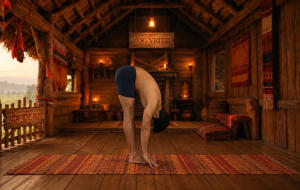
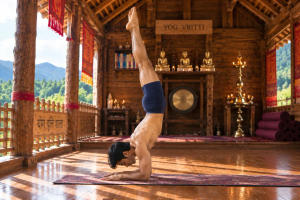
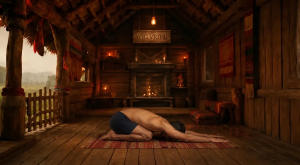
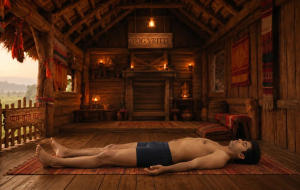
त्वरित उत्तर
सालम्ब शीर्षासन III क्या है?
सालम्ब शीर्षासन III शीर्षासन का एक उन्नत रूप है जहाँ हथेलियों को फर्श पर सपाट रखा जाता है, जिसके लिए अत्यधिक कंधे और बांह की ताकत के साथ-साथ कोर स्थिरता की आवश्यकता होती है। यह आत्मविश्वास और एकाग्रता का निर्माण करता है।
सालम्ब शीर्षासन III कैसे करें?
एक ब्लैंकेट को मोड़कर सिर के नीचे रखें। दीवार के पास घुटनों के बल बैठें। सिर के शीर्ष को ब्लैंकेट पर रखें और हथेलियों को सिर के दोनों ओर ज़मीन पर रखें, उंगलियां आगे की ओर इशारा करती हुई। श्वास लेते हुए, कूल्हों को ऊपर उठाएं और पैरों को सीधा करें, धीरे-धीरे अपने पैरों को सिर की ओर चलाएं।
क्या शुरुआती लोग सालम्ब शीर्षासन III कर सकते हैं?
यह उन्नत स्तर का आसन है। शुरुआती लोग पहले आसान आसनों से तैयारी करें।
- आसन प्रकार
- Inversion, Balance, Core Strengthener
- मुख्य भाग
- Full Body, Shoulders, Core, Neck
- किसके लिए
- Athletes
- योग शैली
- Iyengar, Hatha
- कब करें
- Peak Pose