Flapping Fish Pose
Matsya Kridasana · मत्स्य क्रीडासन
Also known as: Matsya Kridasana · Prone Relaxation Side
Flapping Fish Pose, also called Matsya Kridasana is a classical yoga posture. Its Sanskrit name Matsya Kridasana translates word-for-word as: Matsya (Fish) · Krida (Play / Sport) · Asana (Pose). In this posture, the body releases into the support of the floor, allowing gravity to assist. The posture works to release the lower back and stretch the hip flexors. Relieves lower back tension. Improves digestion (prone pressure). It is particularly valued for supporting restful sleep and quieting an anxious mind. Suitable for beginners and regular practitioners alike, it is deeply restorative when held with support, particularly beneficial for beginners and seniors. A pillow can be used to make the posture more accessible and support correct alignment.
Anatomy Involved
Benefits
Lower Back Muscles(releasing)
Lying fully supported on the belly allows the deep muscles running along either side of your spine to gently release their habitual grip. Gravity assists in this passive unwinding, reducing the compressive forces on the vertebral discs and alleviating chronic tension in the spinal column. This release facilitates a downward flow of energy (apana vayu), promoting a profound sense of ease and groundedness throughout the core and lower back.
Hip Flexors(releasing)
The powerful muscles at the front of your hips, which often become tight from prolonged sitting and stress, are given a rare opportunity to soften here. Especially with one leg bent out to the side, these deep hip flexors are gently shortened and encouraged to let go of stored tension. This subtle release in the groin area helps to unwind both physical and emotional tightness, fostering a sense of surrender and spaciousness in the pelvic bowl.
Abdominal Muscles(releasing)
When lying prone, the abdominal muscles that form your core are gently compressed against the floor, encouraging a passive relaxation rather than active engagement. This light, sustained pressure on the belly can help to soothe the digestive organs and stimulate peristalsis, promoting healthy gut function. Energetically, this encourages a softening of the solar plexus region (Manipura Chakra), releasing tension often held there due to stress and anxiety.
- Full anatomical benefits — muscles, joints, organs →
Props That Can Help
Optional supports — use when helpful, not required
Pillow / Cushion
A pillow or cushion under the head or knees provides gentle cushioning and support, making restorative and supine postures more comfortable.
Common Mistakes to Avoid
Teaching Cues
For yoga teachers — verbal cues to guide students
6 cues
Teaching Cues
For yoga teachers — verbal cues to guide students
- 1Press the back of the head gently into the floor
- 2Keep the lower back in its natural curve
- 3Relax the shoulders away from the ears
- 4Soften the facial muscles and jaw
- 5Breathe deeply into the belly
- 6Surrender the weight of the body to the props and the floor
Pose Details
Helps With
Pose Type
Body Focus
Focus Areas
Best For
Yoga Styles
When to Practice
Position
Target Areas
Practice Flow
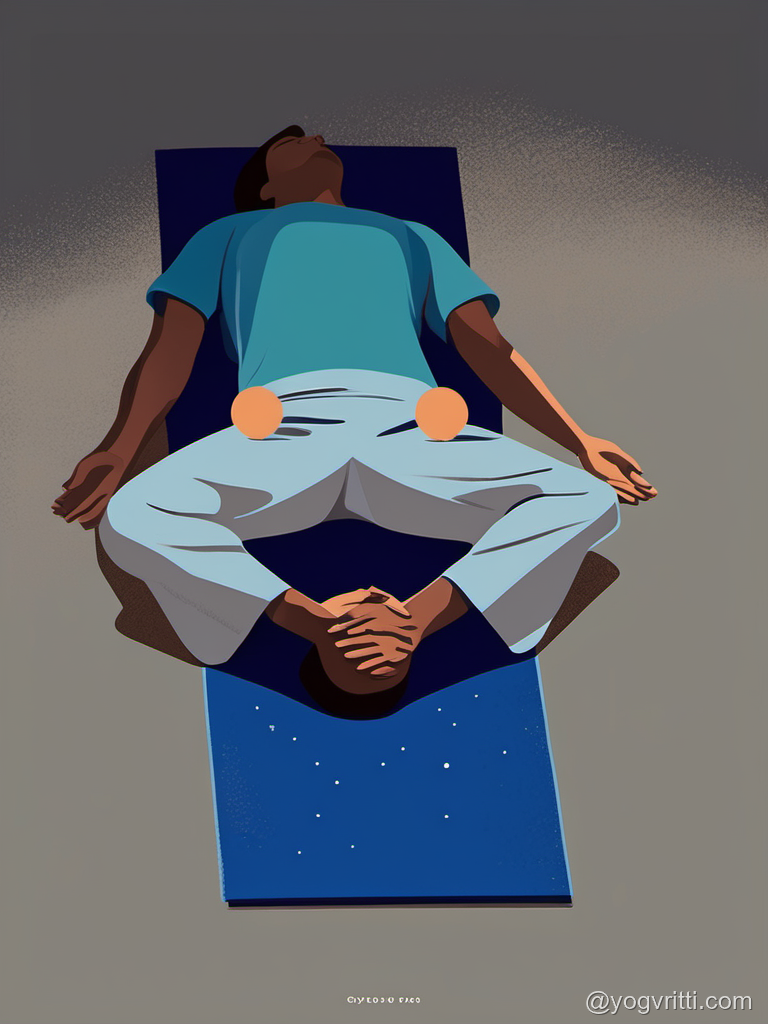
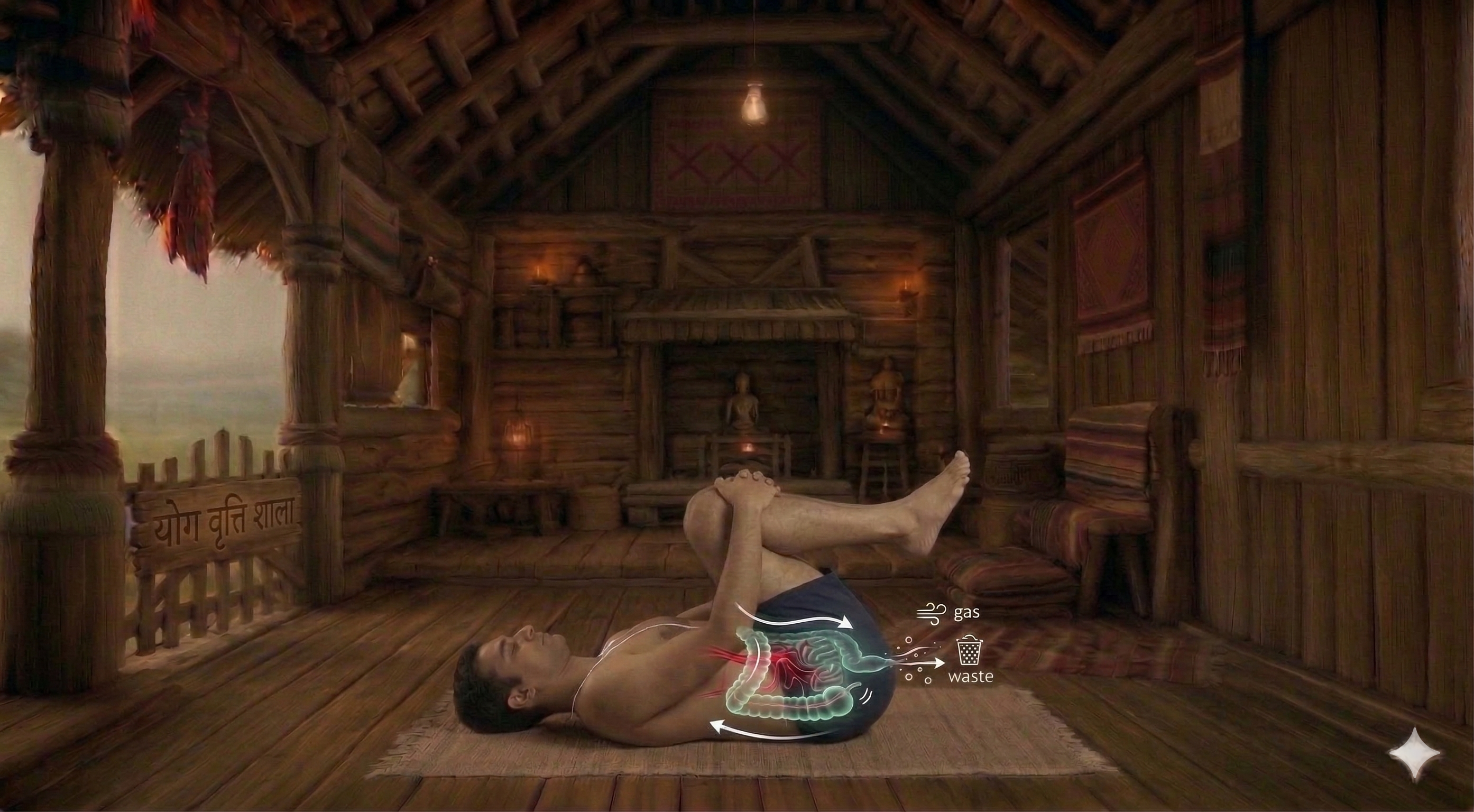

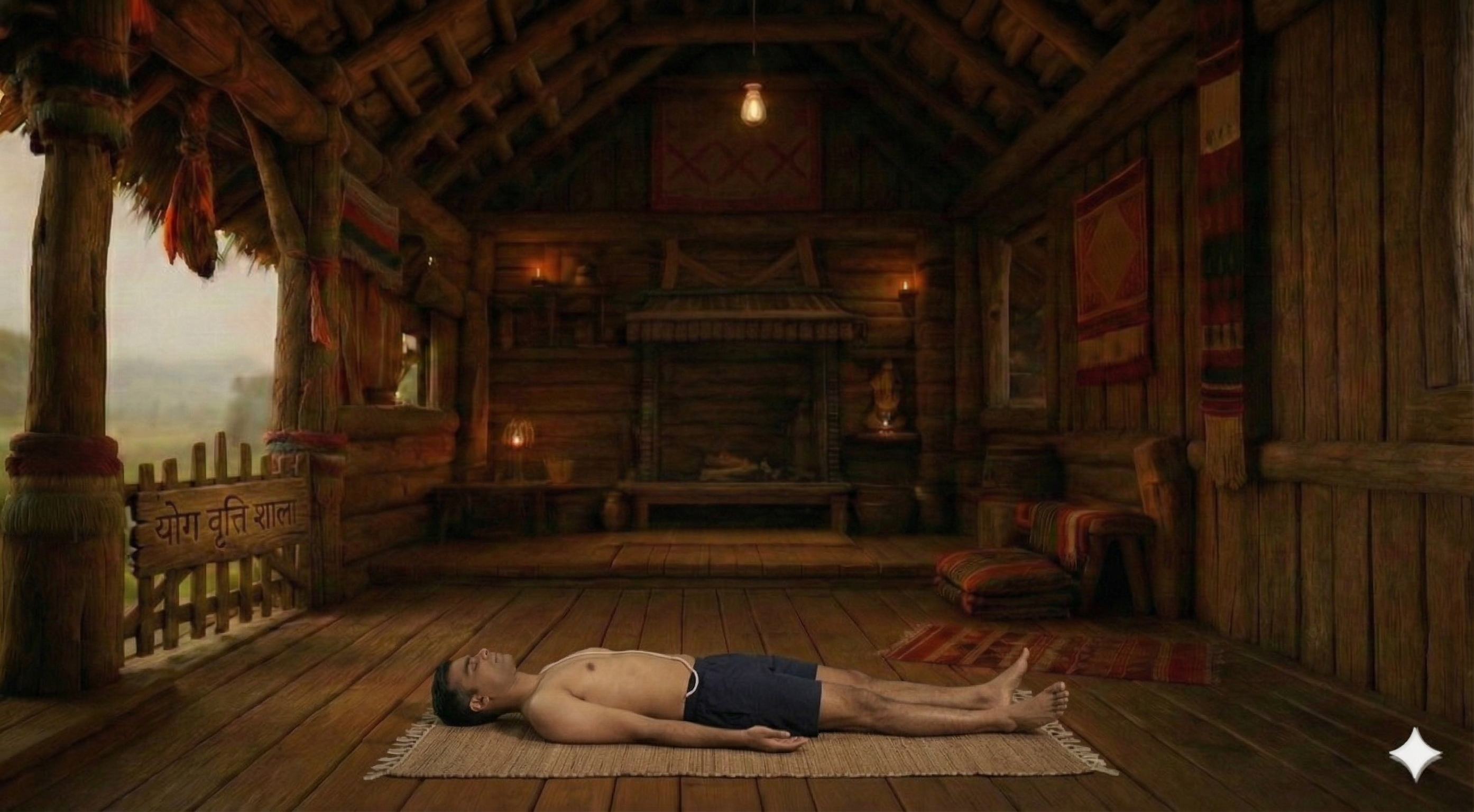
How to Practice
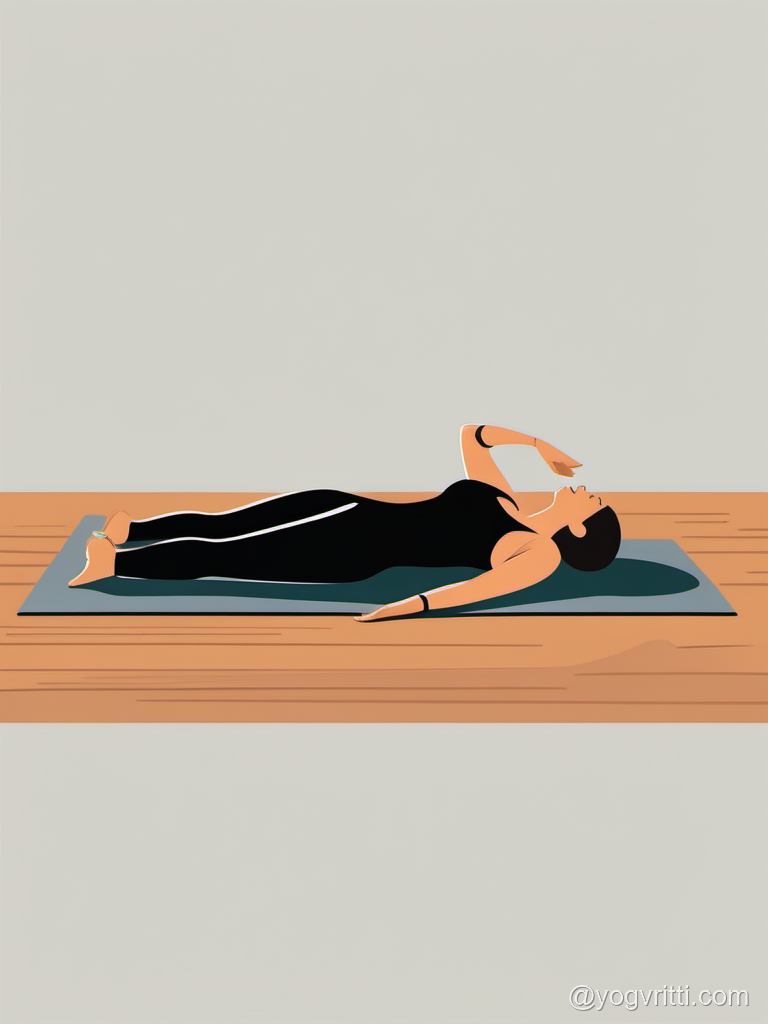
1. Lie on the stomach (prone).
2. Turn the head to the right, right cheek on the floor.
3. Bend the right knee and bring it up — beside the hip.
4. Left leg stays straight.
5. Bend the right arm, elbow up — hand near or under the head.
5 more steps remaining
Register free to see the complete instructions
Register Free to ContinueAlready registered? Login
Frequently Asked Questions
Common questions about Matsya Kridasana
What is Flapping Fish Pose?
Flapping Fish Pose, also called Matsya Kridasana is a classical yoga posture. Its Sanskrit name Matsya Kridasana translates word-for-word as: Matsya (Fish) · Krida (Play / Sport) · Asana (Pose). In this posture, the body releases into the support of the floor, allowing gravity to assist. The posture works to release the lower back and stretch the hip flexors. Relieves lower back tension. Improves digestion (prone pressure). It is particularly valued for supporting restful sleep and quieting an anxious mind. Suitable for beginners and regular practitioners alike, it is deeply restorative when held with support, particularly beneficial for beginners and seniors. A pillow can be used to make the posture more accessible and support correct alignment.
What are the benefits of Flapping Fish Pose?
Deep relaxation. Relieves lower back tension. Improves digestion (prone pressure). Excellent for insomnia. Safe sleeping position during pregnancy.
How many steps are in Flapping Fish Pose?
Flapping Fish Pose is practiced in 10 steps. Lie on the stomach (prone).
Is Flapping Fish Pose suitable for beginners?
Yes, Flapping Fish Pose is a beginner-friendly pose suitable for all levels.
What props are needed for Flapping Fish Pose?
You may use: pillow. Props make the pose more accessible and comfortable.
What conditions does Flapping Fish Pose help with?
Flapping Fish Pose is therapeutic for: insomnia, anxiety, digestive problems, back pain.
What poses should I do before Flapping Fish Pose?
Prepare with: Supta Tadasana, Apanasana. These warm up the relevant muscles and joints.
Related Poses
Similar poses you might enjoy

Build Your Own Sequence
Combine Matsya Kridasana with other poses