Free Hands Headstand
Mukta Hasta Sirsasana · मुक्त हस्त शीर्षासन
Also known as: Mukta Hasta Sirsasana · Open Hands Headstand
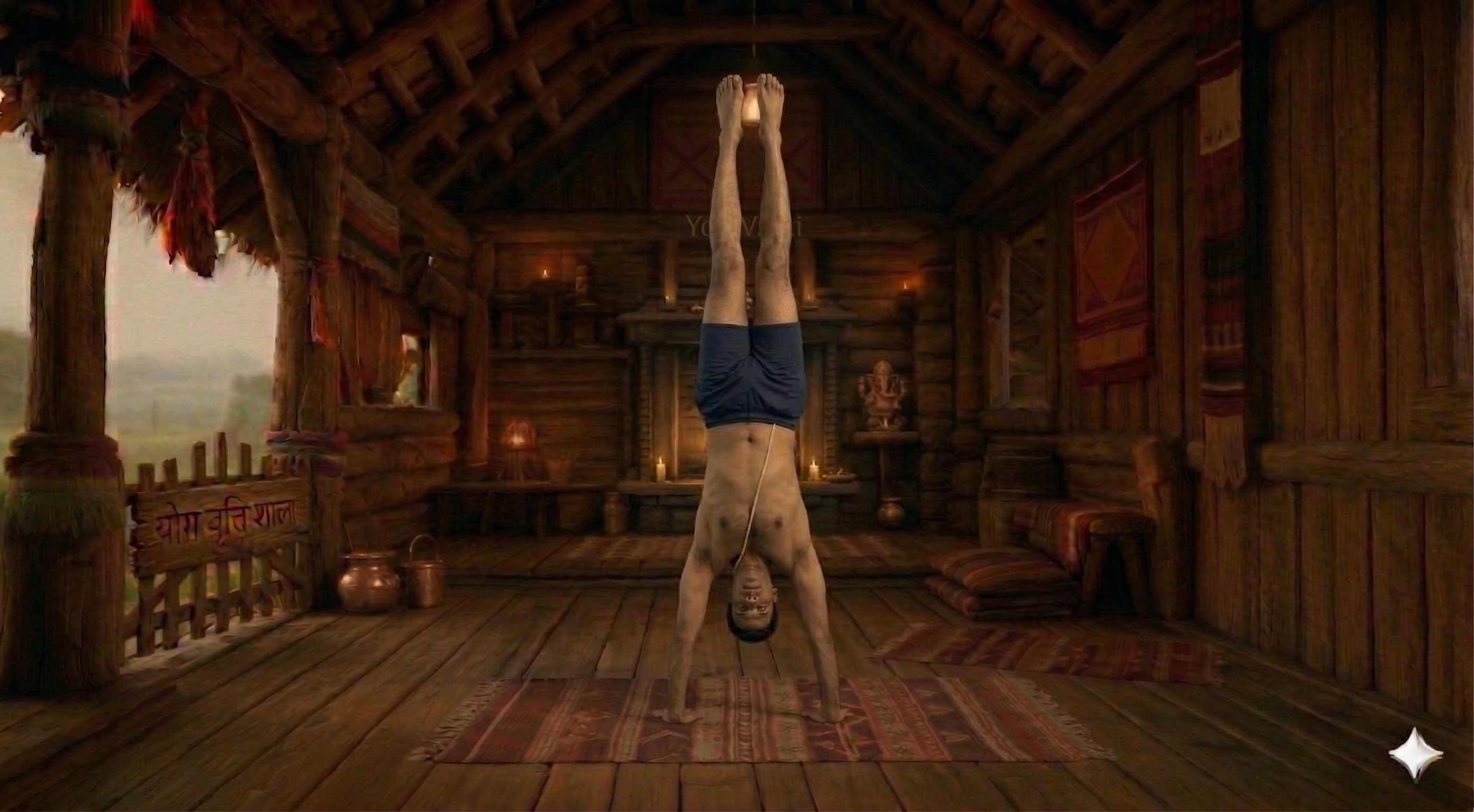
Free Hands Headstand, also called Mukta Hasta Sirsasana is a classical yoga posture. Its Sanskrit name Mukta Hasta Sirsasana translates word-for-word as: Mukta (Free) · Hasta (Hands) · Sirsa (Head) · Asana (Pose). In this posture, the body reverses the pull of gravity, bringing the hips or legs above the heart. The posture works to open and strengthen the shoulders, engage the core and release the neck. Core stabilization. Improves balance and focus. It is particularly valued for building full-body strength. Suitable for advanced practitioners with developed body awareness, it is a meaningful addition to any practice. A wall can be used to make the posture more accessible and support correct alignment. Practitioners with neck pain and wrist injury should approach with care or consult a qualified teacher.
Anatomy Involved
Benefits
Deep Abdominal Muscles(strengthening)
These muscles, wrapping like a corset around your midsection, are the unsung heroes of Mukta Hasta Sirsasana. They engage deeply to create a stable base, preventing the lower back from arching excessively and providing a solid platform from which the legs can extend upwards. This deep engagement cultivates Mula Bandha and Uddiyana Bandha, drawing energy inward and upward, fostering a sense of rooted strength even in inversion.
Shoulder Stabilizers(strengthening)
The muscles surrounding your shoulder blades and shoulder joint work intensely to stabilize the upper body as you bear weight through the forearms and head. The Serratus Anterior, in particular, protracts and upwardly rotates the scapulae, preventing winging and creating a broad, stable platform. This strength translates into a feeling of lightness and lift, as if the arms are actively pushing the earth away, allowing the 'prana' to flow freely through the chest and arms rather than collapsing.
Arm and Forearm Muscles(strengthening)
Your triceps, on the back of your upper arms, are continuously active to extend and stabilize the elbows, while the biceps engage to support the integrity of the arm. The muscles of the forearms and wrists, including the flexors and extensors, work to maintain a flat, grounded palm, distributing the weight evenly. This constant, subtle engagement builds incredible isometric strength, creating a feeling of unwavering support and a channel for energetic flow from the earth through the arms.
- Full anatomical benefits — muscles, joints, organs →
Avoid If
Neck Injury / Cervical Issues
Looking up, bearing head weight, or unsupported neck rotation can compress cervical vertebrae and irritate nerves.
Avoid all weight-bearing on the head and neck; practise supported Setu Bandha or legs-up-the-wall instead.
Wrist Injury / Carpal Tunnel
Weight-bearing or extended wrist positions can compress the median nerve and aggravate inflamed tendons, worsening pain and causing numbness.
Practise a forearm inversion (Pincha Mayurasana) instead, or use a wall-supported headstand to remove wrist load entirely.
High Blood Pressure
Vigorous effort and inverted positions temporarily raise blood pressure in the head, increasing strain on blood vessels.
Avoid this inversion entirely or keep the head above heart level at all times; never hold the breath.
Glaucoma / Eye Pressure
Inverted and head-below-heart positions increase intraocular pressure, which can be harmful for those with elevated eye pressure.
Avoid this inversion entirely; practise Viparita Karani (legs-up-the-wall) with a bolster under the hips as an alternative.
Props That Can Help
Optional supports — use when helpful, not required
Wall
Use the wall for support as you build the strength and confidence needed for the full unsupported inversion — kick up gently and walk the feet down slowly.
Common Mistakes to Avoid
Teaching Cues
For yoga teachers — verbal cues to guide students
5 cues
Teaching Cues
For yoga teachers — verbal cues to guide students
- 1Engage the core to maintain stability
- 2Press firmly through the foundation — hands, forearms, or head
- 3Keep the body in one straight line from base to feet
- 4Breathe steadily — do not hold the breath
- 5Come down slowly and with control
Pose Details
Helps With
Pose Type
Body Focus
Focus Areas
Yoga Styles
When to Practice
Position
Modify If You Have
wrist injury
Do Salamba Sirsasana I (forearm headstand) instead.
Target Areas
Practice Flow
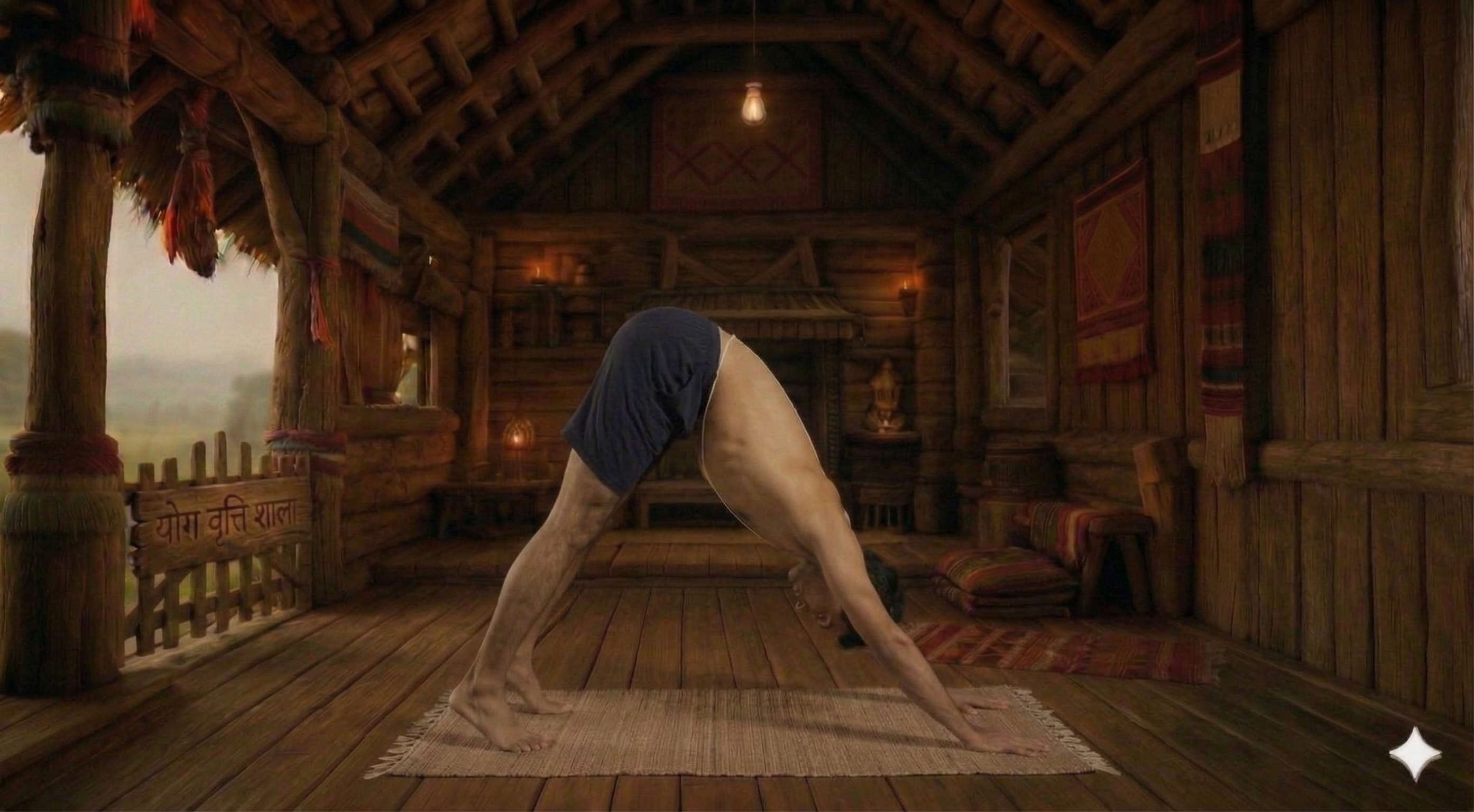


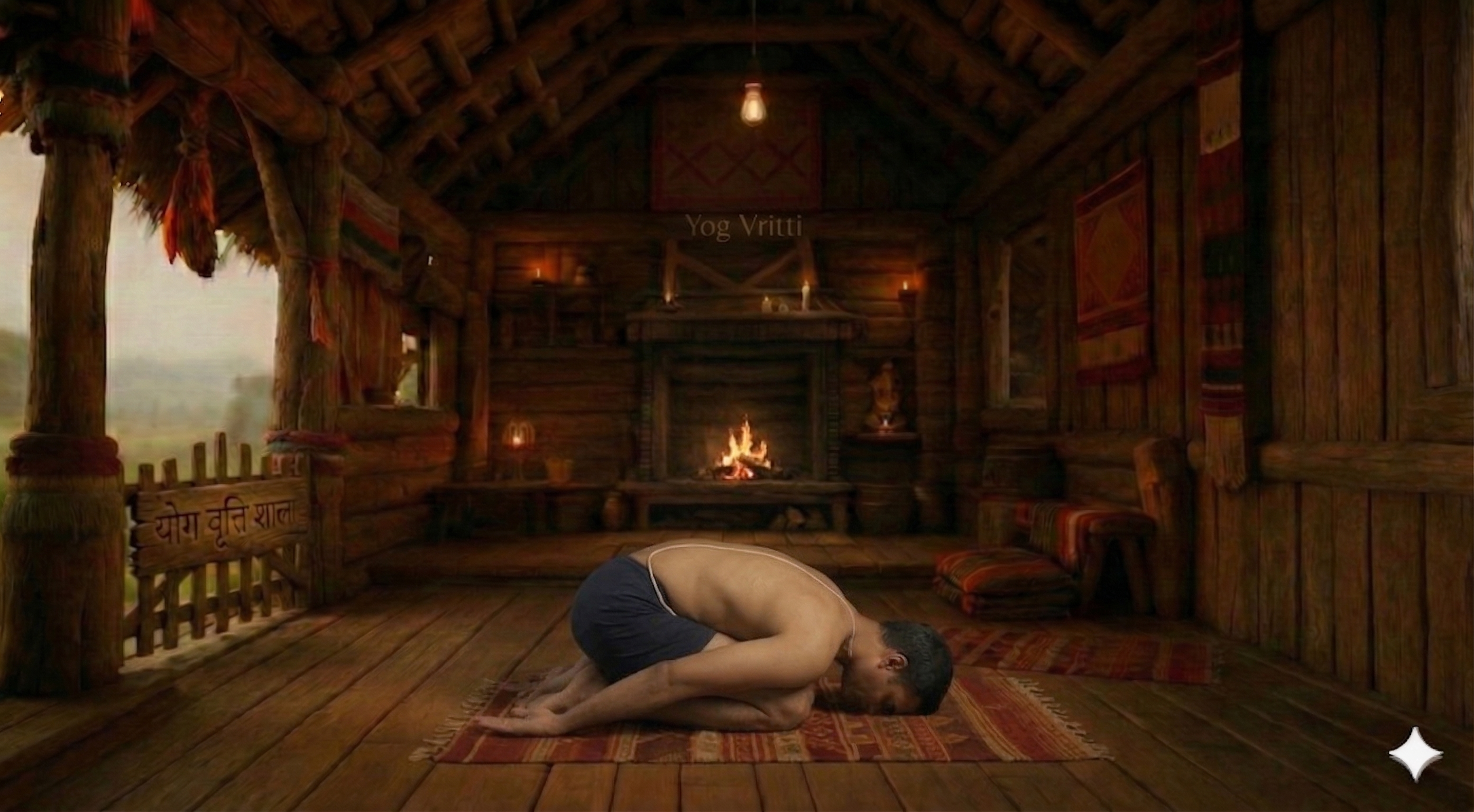
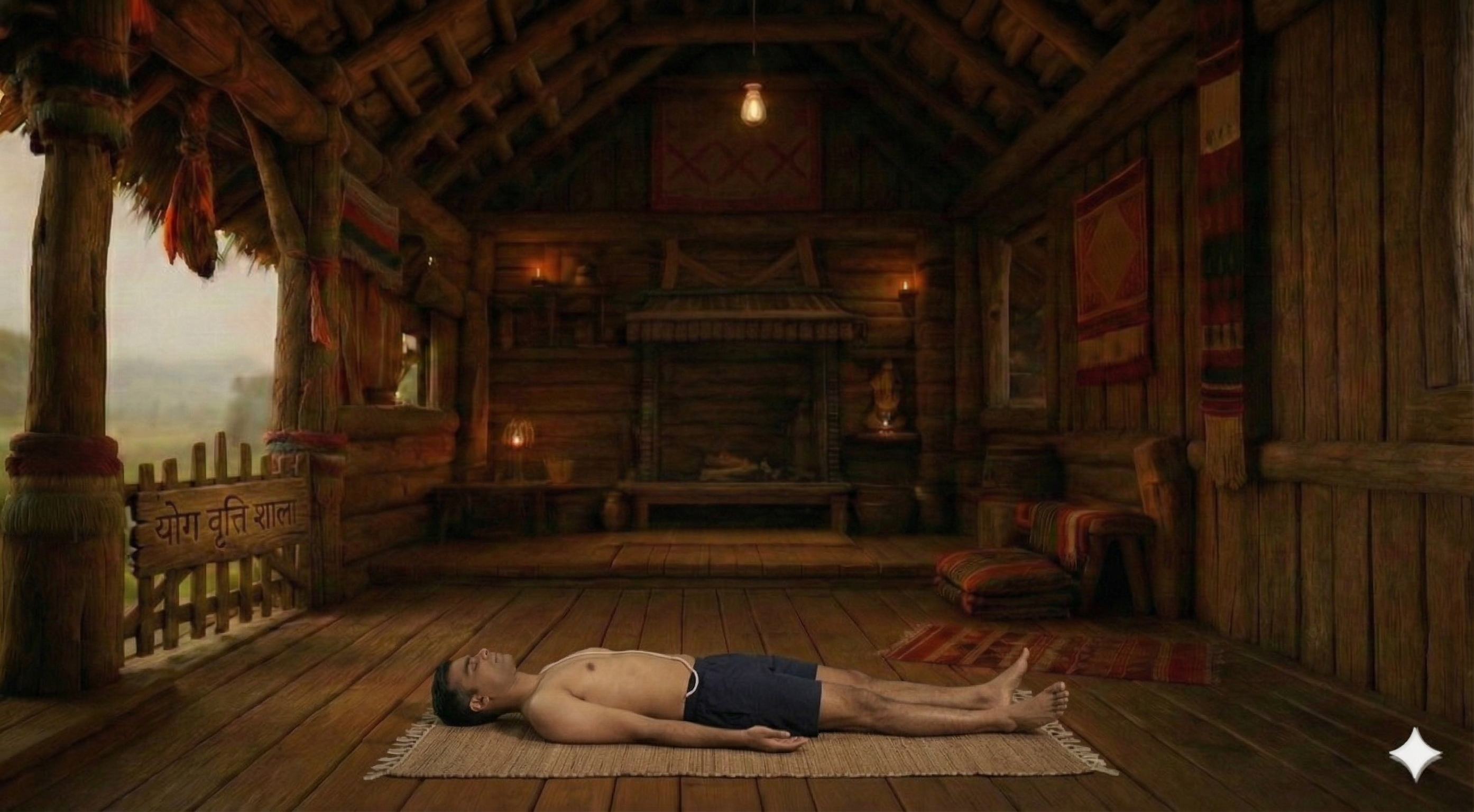
How to Practice
1. Come onto knees.
2. Place hands on the floor, shoulder-width apart — fingers spread.
3. Crown of the head on the floor — form a triangle with the hands (tripod).
4. Tuck toes, lift hips.
5. Walk feet closer to the head.
5 more steps remaining
Register free to see the complete instructions
Register Free to ContinueAlready registered? Login
Frequently Asked Questions
Common questions about Mukta Hasta Sirsasana
What is Free Hands Headstand?
Free Hands Headstand, also called Mukta Hasta Sirsasana is a classical yoga posture. Its Sanskrit name Mukta Hasta Sirsasana translates word-for-word as: Mukta (Free) · Hasta (Hands) · Sirsa (Head) · Asana (Pose). In this posture, the body reverses the pull of gravity, bringing the hips or legs above the heart. The posture works to open and strengthen the shoulders, engage the core and release the neck. Core stabilization. Improves balance and focus. It is particularly valued for building full-body strength. Suitable for advanced practitioners with developed body awareness, it is a meaningful addition to any practice. A wall can be used to make the posture more accessible and support correct alignment. Practitioners with neck pain and wrist injury should approach with care or consult a qualified teacher.
What are the benefits of Free Hands Headstand?
Builds shoulder and arm strength. Core stabilization. Improves balance and focus. Different base than Sirsasana I/II.
Who should avoid Free Hands Headstand?
Avoid this pose if you have: Neck injuries, Wrist injuries, High blood pressure, Glaucoma, Pregnancy.
How many steps are in Free Hands Headstand?
Free Hands Headstand is practiced in 10 steps. Come onto knees.
Is Free Hands Headstand suitable for beginners?
Free Hands Headstand is an advanced-level pose. Beginners should practice with props or under guidance.
What props are needed for Free Hands Headstand?
You may use: wall. Props make the pose more accessible and comfortable.
What conditions does Free Hands Headstand help with?
Free Hands Headstand is therapeutic for: strength, balance.
What poses should I do before Free Hands Headstand?
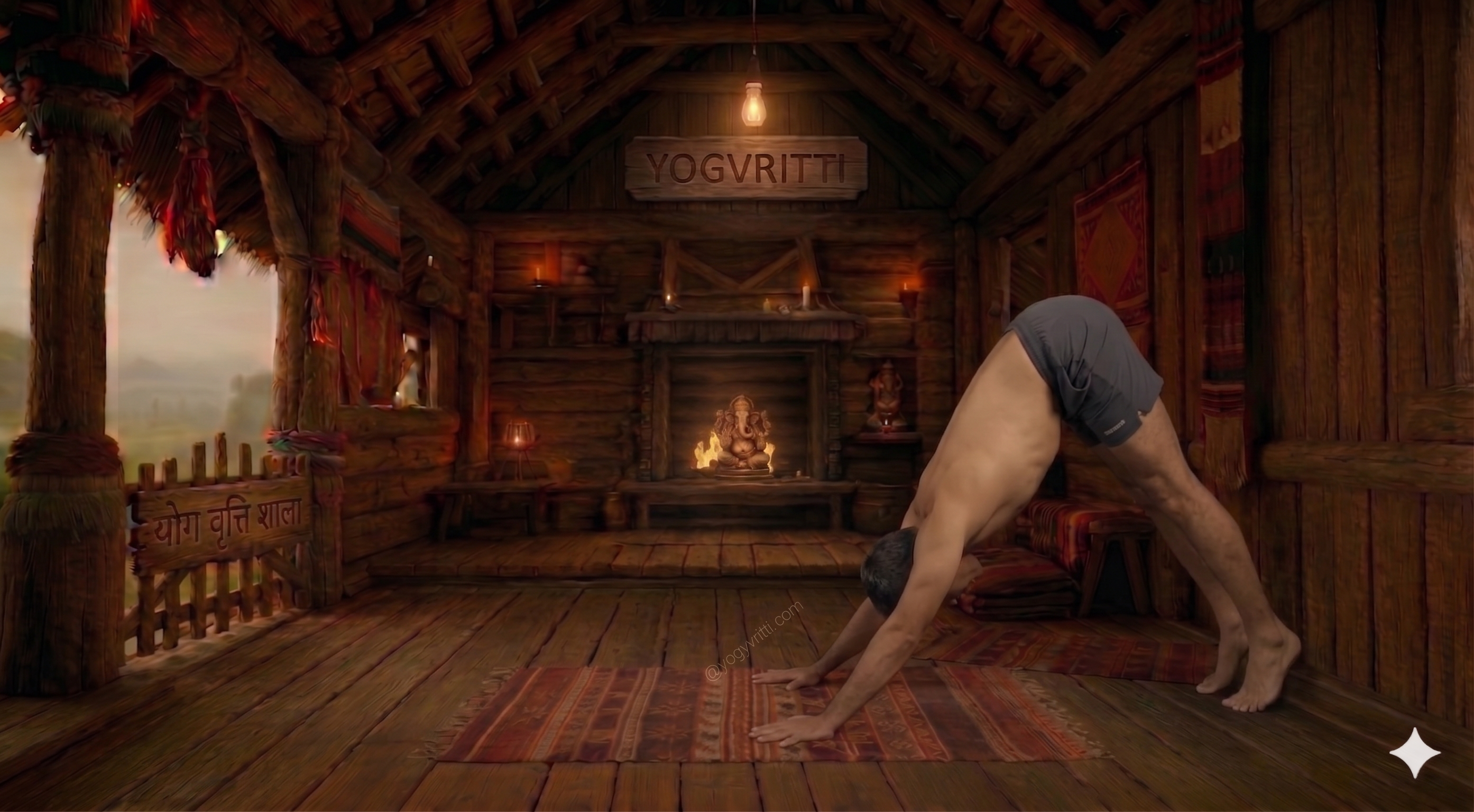
Prepare with: Adho Mukha Svanasana, Standing Forward Bend, Forearm Stand. These warm up the relevant muscles and joints.
Related Poses
Similar poses you might enjoy
Build Your Own Sequence
Combine Mukta Hasta Sirsasana with other poses