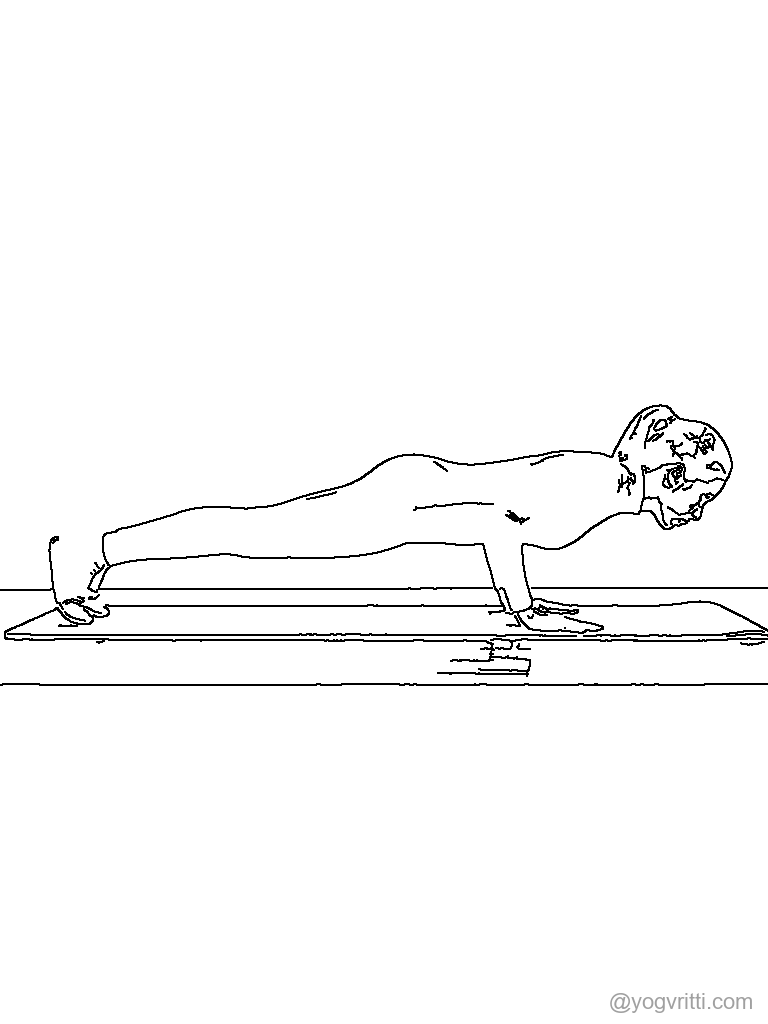
 Intermediateprone
Crocodile Hopping Pose
Nakrasana · नक्रासन
Also known as: Nakrasana · Jumping Plank
Crocodile Hopping Pose, also called Nakrasana is a classical yoga posture. Its Sanskrit name Nakrasana translates word-for-word as: Nakra (Crocodile) · Asana (Pose). In this posture, the body engages the posterior chain against the gentle resistance of gravity. The posture works to open the chest, engage the core and open and strengthen the shoulders. Core endurance. Builds explosive power. It is particularly valued for building full-body strength. Suitable for intermediate practitioners with foundational yoga experience, it is a meaningful addition to any practice. Practitioners with wrist injury and shoulder injury should approach with care or consult a qualified teacher.
Anatomy Involved
Benefits
Chest muscles(strengthening)
These broad muscles across your chest and under your collarbone are intensely engaged as you push off the floor and control the descent. They work to adduct and internally rotate the arm bone (humerus) while stabilizing the shoulder blade (scapula) against the rib cage. This powerful action builds remarkable upper body strength and endurance, creating a solid, stable foundation for all arm balances and inversions. The practitioner feels a deep activation, translating into robust power and a sense of physical capability.
Muscles on the back of your upper arm(strengthening)
The triceps are the primary movers for straightening your elbows, and in Nakrasana, they are constantly contracting to support your body weight and propel you forward and back. This intense engagement builds remarkable arm strength and muscular endurance, translating directly to stability in all weight-bearing arm poses. The feeling is one of unwavering support and powerful extension flowing through the arms, cultivating a sense of unshakeable foundation.
Deep core muscles(strengthening)
Your entire abdominal wall and deep core stabilizers are profoundly active, knitting together your rib cage and pelvis to create a rigid, stable torso. They prevent your hips from sagging or arching, ensuring a straight line from head to heels, protecting the lower back. This deep activation cultivates a powerful internal energetic lock (Uddiyana Bandha), centralizing your strength and bringing a sense of unwavering stability and grounded power to your center.
- Full anatomical benefits — muscles, joints, organs →
Avoid If
Wrist Injury / Carpal Tunnel
Weight-bearing or extended wrist positions can compress the median nerve and aggravate inflamed tendons, worsening pain and causing numbness.
Use fists on the floor, switch to a forearm variation, or place a wedge/folded blanket under the wrists to reduce extension angle.
Shoulder Injury
Overhead loading and extreme shoulder rotation can impinge the subacromial space and overload rotator cuff tendons.
Lower the height of the pose (Knees-Chest-Chin instead of Chaturanga, or forearm plank instead of full plank) to reduce shoulder load.
Back Injury / Back Pain
Spinal flexion, extension, or rotation under load can compress vertebral discs or strain the paraspinal muscles.
Bend the knees to protect the lumbar spine, engage the core throughout, and stop if pain sharpens.
Heart Conditions
Vigorous effort and inverted positions increase cardiac demand and blood pressure; extra caution is essential with heart disease.
Keep the effort brief and low, breathe continuously, and avoid any vigorous jumping or strong holds.
Common Mistakes to Avoid
Teaching Cues
For yoga teachers — verbal cues to guide students
5 cues
Teaching Cues
For yoga teachers — verbal cues to guide students
- 1Press the pubic bone gently into the floor
- 2Engage the legs by pressing the tops of the feet down
- 3Lengthen the back of the neck — gaze slightly forward
- 4Draw the shoulder blades toward the spine
- 5Keep the gluteal muscles firm but not clenched
Pose Details
Helps With
Pose Type
Body Focus
Focus Areas
Yoga Styles
When to Practice
Position
Target Areas
Practice Flow
How to Practice
1. Come into Chaturanga Dandasana (Low Plank).
2. Elbows bent, body hovering a few inches above the floor.
3. Core extremely active. Entire body rigid like a plank.
4. Inhale.
5. Exhale, hop forward with hands and feet simultaneously.
5 more steps remaining
Register free to see the complete instructions
Register Free to ContinueAlready registered? Login
Frequently Asked Questions
Common questions about Nakrasana
What is Crocodile Hopping Pose?
Crocodile Hopping Pose, also called Nakrasana is a classical yoga posture. Its Sanskrit name Nakrasana translates word-for-word as: Nakra (Crocodile) · Asana (Pose). In this posture, the body engages the posterior chain against the gentle resistance of gravity. The posture works to open the chest, engage the core and open and strengthen the shoulders. Core endurance. Builds explosive power. It is particularly valued for building full-body strength. Suitable for intermediate practitioners with foundational yoga experience, it is a meaningful addition to any practice. Practitioners with wrist injury and shoulder injury should approach with care or consult a qualified teacher.
What are the benefits of Crocodile Hopping Pose?
Extreme upper body strength. Core endurance. Builds explosive power. Mental determination.
Who should avoid Crocodile Hopping Pose?
Avoid this pose if you have: Wrist injuries, Shoulder injuries, Lower back pain, Heart conditions.
How many steps are in Crocodile Hopping Pose?
Crocodile Hopping Pose is practiced in 10 steps. Come into Chaturanga Dandasana (Low Plank).
Is Crocodile Hopping Pose suitable for beginners?
Crocodile Hopping Pose is an intermediate-level pose. Beginners should practice with props or under guidance.
What conditions does Crocodile Hopping Pose help with?
Crocodile Hopping Pose is therapeutic for: strength.
What poses should I do before Crocodile Hopping Pose?
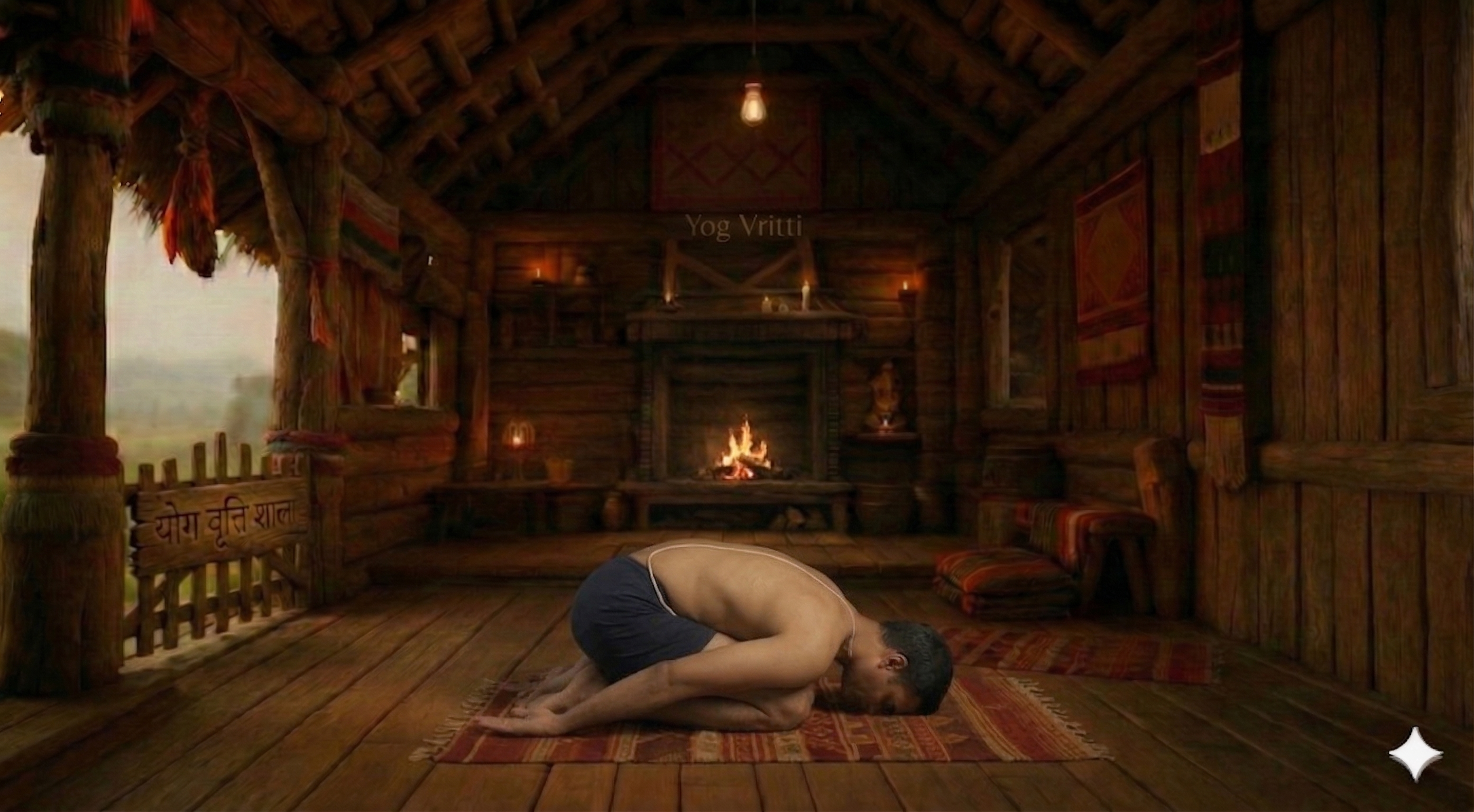
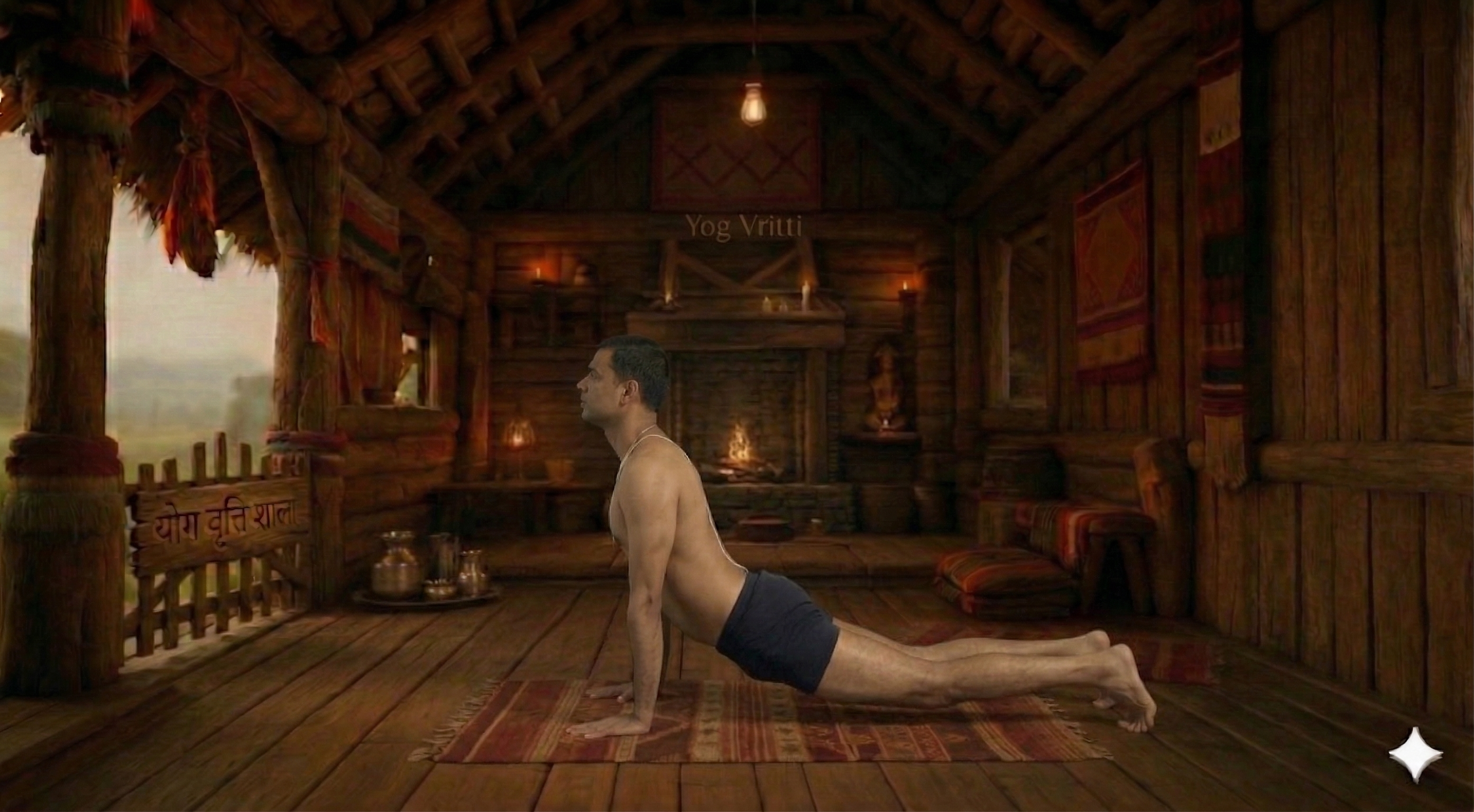
Prepare with: Adho Mukha Virasana (Child's Pose), Bhujangasana. These warm up the relevant muscles and joints.
Related Poses
Similar poses you might enjoy


Build Your Own Sequence
Combine Nakrasana with other poses