King Pigeon Pose
Rajakapotasana · राजकपोतासन
Also known as: Full Pigeon · Rajakapotasana
King Pigeon Pose, also called Full Pigeon is a classical yoga posture. Its Sanskrit name Rajakapotasana translates word-for-word as: Raja (King) · Kapota (Pigeon) · Asana (Pose). In this posture, the body engages the posterior chain against the gentle resistance of gravity. The posture works to stretch the hip flexors, strengthen the quadriceps and open the chest. Opens entire front body. Develops grace and flexibility. It is particularly valued for developing greater flexibility. Suitable for advanced practitioners with developed body awareness, it is a meaningful addition to any practice. A strap can be used to make the posture more accessible and support correct alignment. Practitioners with hip injury and knee injury should approach with care or consult a qualified teacher.
Anatomy Involved
Benefits
Hip Flexors(lengthening)
These deep muscles, running from the front of your spine and pelvis to the top of your thigh bone, are intensely lengthened in the back leg of Rajakapotasana. This sustained stretch releases chronic tightness, often held from prolonged sitting, allowing the pelvis to settle more deeply towards the floor. In yogic terms, this release helps free up the flow of apana vayu in the lower abdomen, promoting a sense of grounding and ease.
Quadriceps(lengthening)
The large muscles on the front of your thigh, especially the rectus femoris on the back leg, experience a significant lengthening as the knee bends deeply and the heel approaches the head. This action requires both hip extension and knee flexion, often challenging the limits of these powerful muscles. Releasing tension here not only improves knee health but also alleviates strain on the lower back, allowing for a more harmonious spinal curve.
Spine Extensors(strengthening)
These muscles, running along the length of your spine, are actively engaged and strengthened as they support and deepen the backbend, creating an even arch from the sacrum to the cervical spine. This engagement prevents 'dumping' into vulnerable areas like the lumbar spine, fostering intelligent support and vitality. The awakening of these muscles brings a sense of inner lift and expansion, allowing prana to flow freely upwards through the central channel.
- Full anatomical benefits — muscles, joints, organs →
Avoid If
Hip Injury
Deep hip flexion, external rotation, or weight-bearing can aggravate labral tears, impingement, or bursitis.
Limit the range of hip movement, avoid positions that cause clicking or sharp pain, and use props to support the hip.
Knee Injury
Deep flexion or rotation at the knee can strain ligaments, meniscus, or cartilage, especially in a compromised joint.
Never push into pain; use a folded blanket under or between the knees and reduce the depth of the bend.
Back Injury / Back Pain
Spinal flexion, extension, or rotation under load can compress vertebral discs or strain the paraspinal muscles.
Limit the depth of the backbend, engage the core actively before moving, and avoid any movement that creates pinching in the lumbar spine.
Shoulder Injury
Overhead loading and extreme shoulder rotation can impinge the subacromial space and overload rotator cuff tendons.
Draw the shoulder blades together without externally rotating aggressively; place hands on blocks to reduce range.
Props That Can Help
Optional supports — use when helpful, not required
Yoga Strap
Loop a strap around the ankles in prone backbends to close the gap between hands and feet, protecting the lower back from excessive compression.
Common Mistakes to Avoid
Teaching Cues
For yoga teachers — verbal cues to guide students
6 cues
Teaching Cues
For yoga teachers — verbal cues to guide students
- 1Press the pubic bone gently into the floor
- 2Engage the legs by pressing the tops of the feet down
- 3Lengthen the back of the neck — gaze slightly forward
- 4Draw the shoulder blades toward the spine
- 5Keep the gluteal muscles firm but not clenched
- 6Allow the hip joints to open gradually — never force
Pose Details
Helps With
Pose Type
Body Focus
Focus Areas
Yoga Styles
When to Practice
Position
Modify If You Have
hip injury
Stay in basic Pigeon without the backbend.
Target Areas
Practice Flow
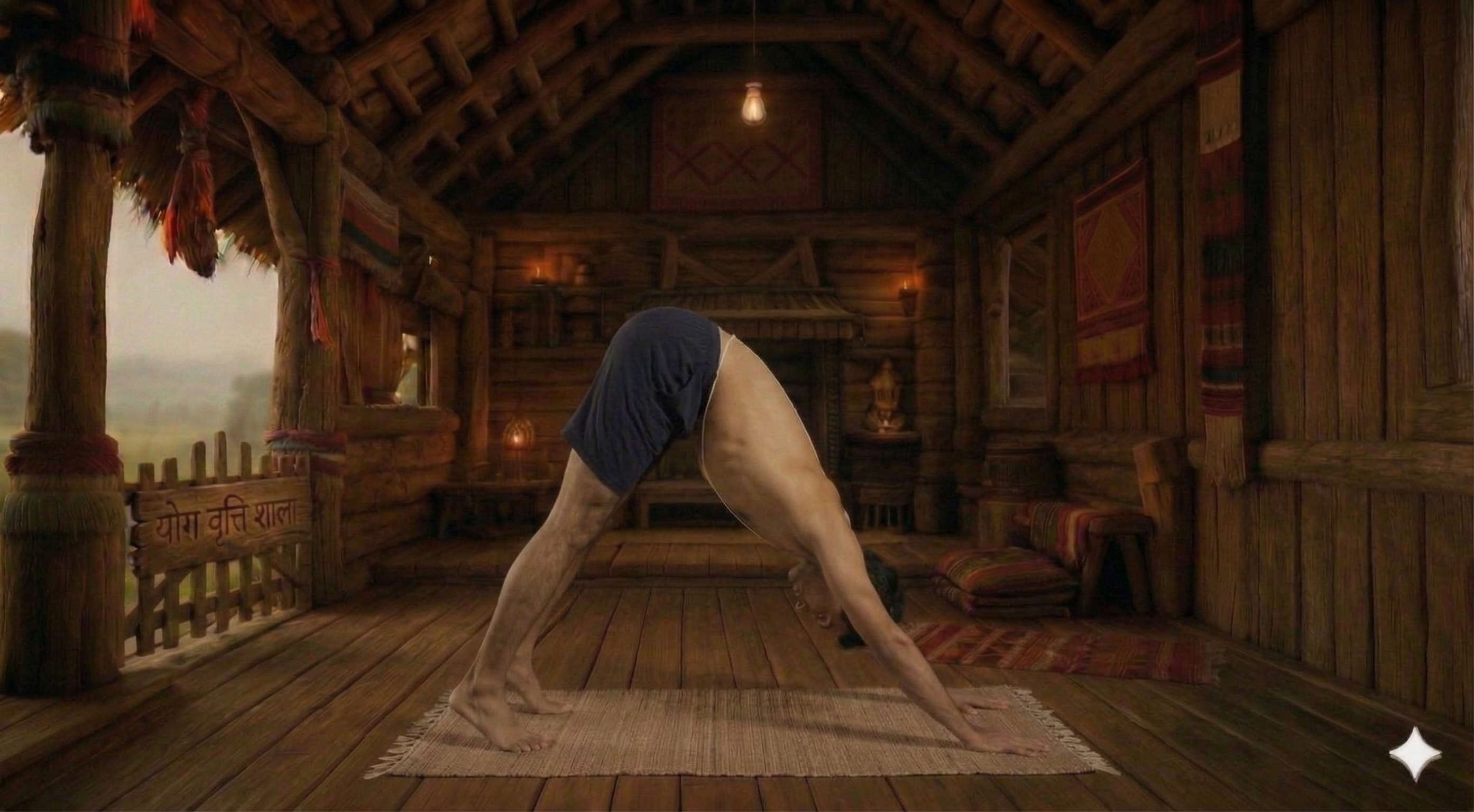
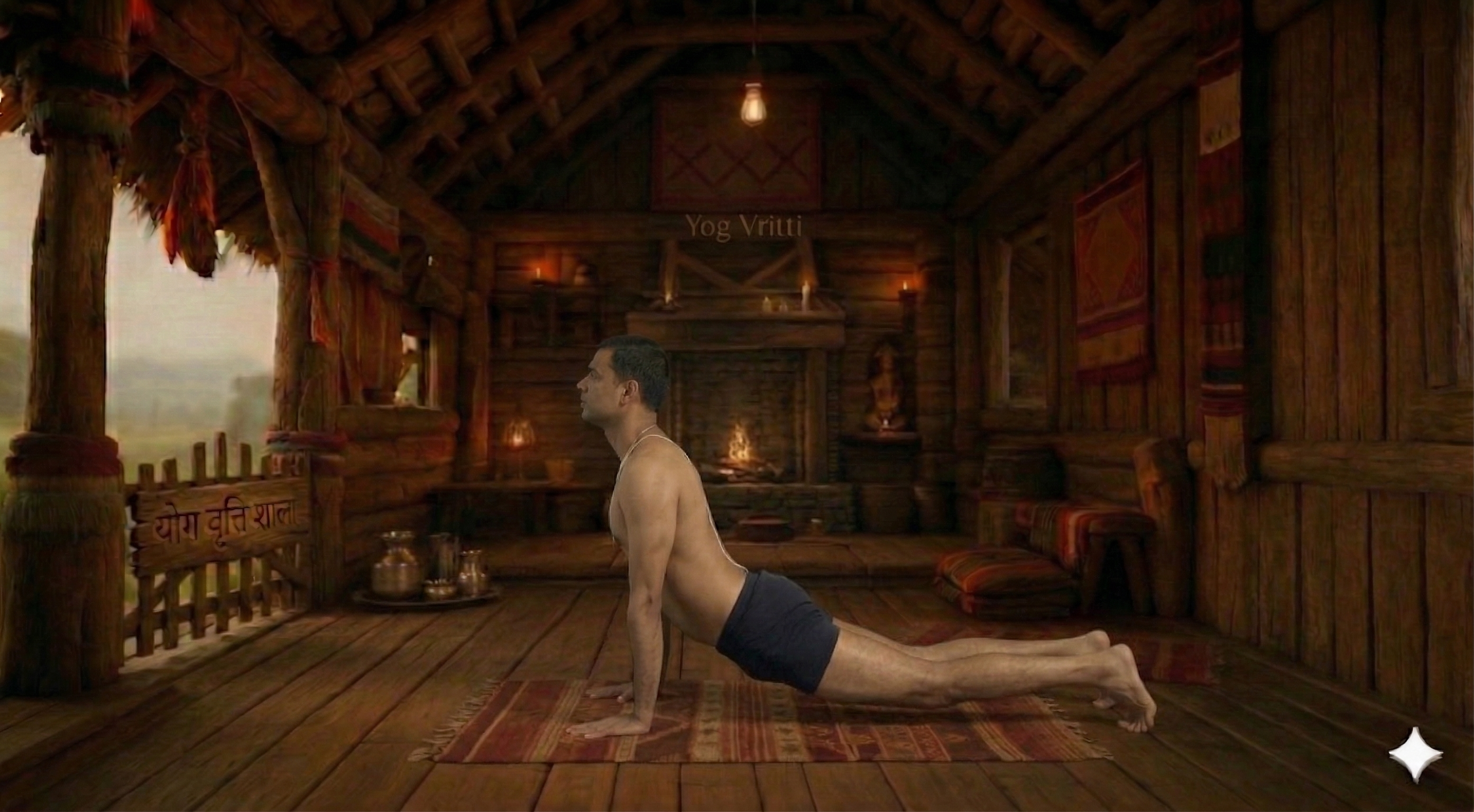
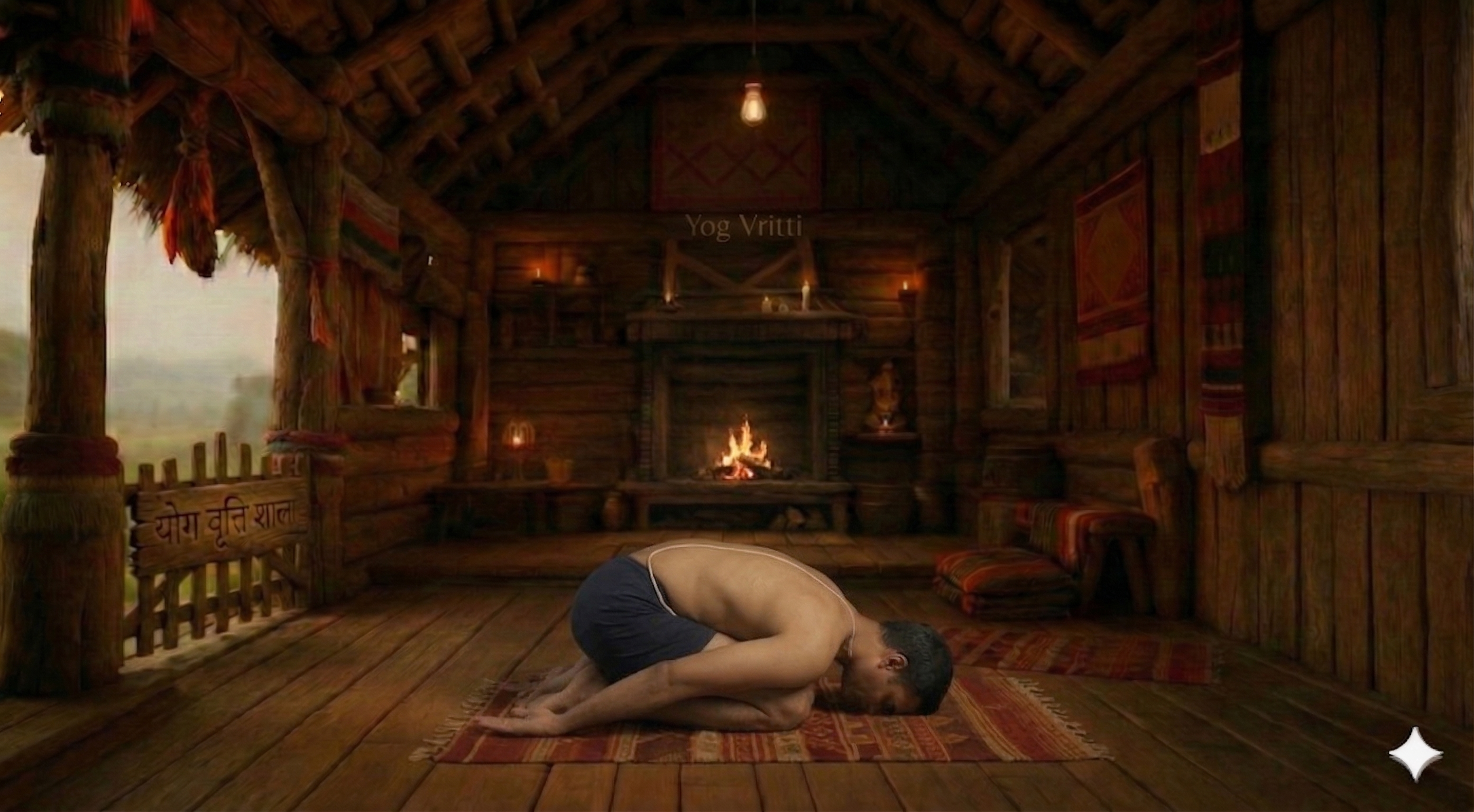
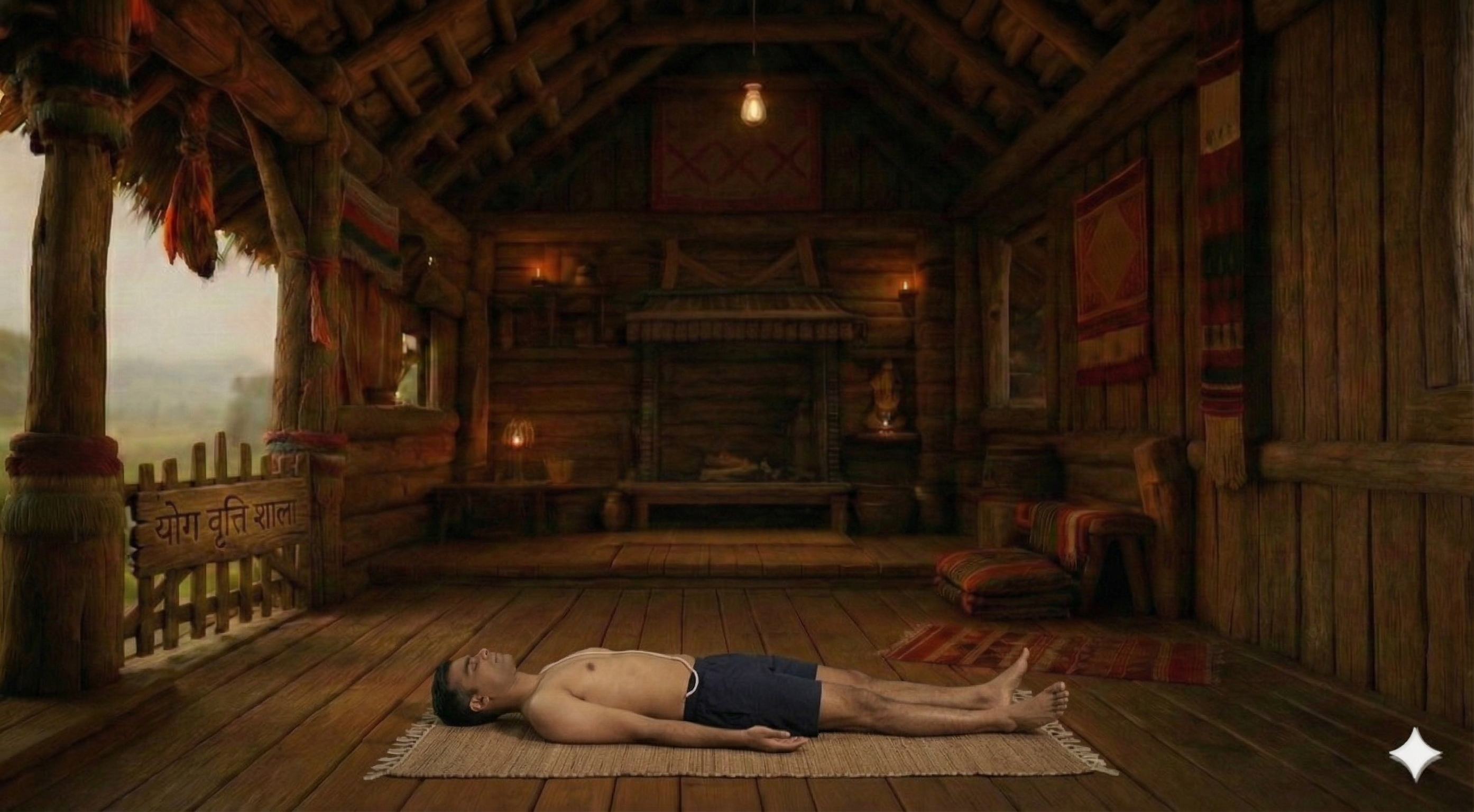
How to Practice
1. Start from Adho Mukha Svanasana.
2. Bring the right knee forward — behind the right hand.
3. Right shin diagonal (or parallel to the front of the mat).
4. Extend the left leg straight back.
5. Hips sink toward the floor — level on both sides.
5 more steps remaining
Register free to see the complete instructions
Register Free to ContinueAlready registered? Login
Frequently Asked Questions
Common questions about Rajakapotasana
What is King Pigeon Pose?
King Pigeon Pose, also called Full Pigeon is a classical yoga posture. Its Sanskrit name Rajakapotasana translates word-for-word as: Raja (King) · Kapota (Pigeon) · Asana (Pose). In this posture, the body engages the posterior chain against the gentle resistance of gravity. The posture works to stretch the hip flexors, strengthen the quadriceps and open the chest. Opens entire front body. Develops grace and flexibility. It is particularly valued for developing greater flexibility. Suitable for advanced practitioners with developed body awareness, it is a meaningful addition to any practice. A strap can be used to make the posture more accessible and support correct alignment. Practitioners with hip injury and knee injury should approach with care or consult a qualified teacher.
What are the benefits of King Pigeon Pose?
Deep hip and back opening. Opens entire front body. Develops grace and flexibility. Stimulates abdominal organs.
Who should avoid King Pigeon Pose?
Avoid this pose if you have: Hip injuries, Knee injuries, Spinal injuries, Shoulder injuries, Pregnancy.
How many steps are in King Pigeon Pose?
King Pigeon Pose is practiced in 10 steps. Start from Adho Mukha Svanasana.
Is King Pigeon Pose suitable for beginners?
King Pigeon Pose is an advanced-level pose. Beginners should practice with props or under guidance.
What props are needed for King Pigeon Pose?
You may use: strap. Props make the pose more accessible and comfortable.
What conditions does King Pigeon Pose help with?
King Pigeon Pose is therapeutic for: flexibility, hip injury.
What poses should I do before King Pigeon Pose?
Prepare with: Adho Mukha Svanasana, Bhujangasana, Upward-Facing Dog Pose. These warm up the relevant muscles and joints.
Related Poses
Similar poses you might enjoy


Build Your Own Sequence
Combine Rajakapotasana with other poses