Reclined Cow Face Pose
Reclined Cow Face Pose · सुप्त गोमुखासन
Also known as: Supine Cow Face · Figure-4 Stretch
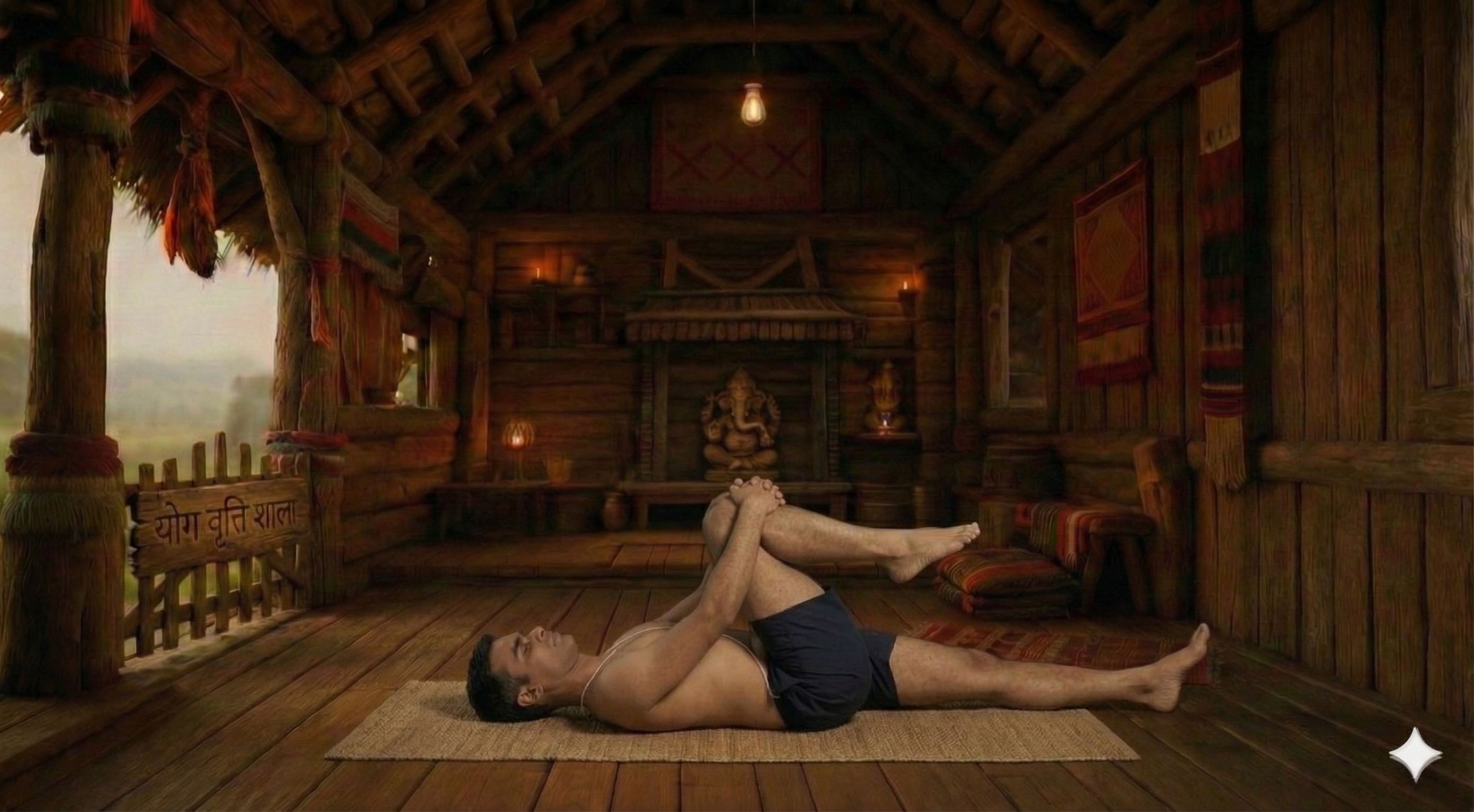
Reclined Cow Face Pose, also called Supine Cow Face is a classical yoga posture whose Sanskrit roots break down as: Supta (Reclining / Sleeping) · Gomukhasana (Gomukhasana) · Asana (Pose). In this posture, the body releases into the support of the floor, allowing gravity to assist. Stretches the outer hips, glutes, and thighs deeply. Relieves tension in the lower back and sacrum. Improves flexibility in the hip joints. It is particularly valued for developing greater flexibility and easing sciatic discomfort. Suitable for intermediate practitioners with foundational yoga experience, it is a calming cool-down, particularly beneficial for beginners and desk workers. A strap and blanket can be used to make the posture more accessible and support correct alignment. Practitioners with knee injury and hip injury should approach with care or consult a qualified teacher.
Anatomy Involved
Benefits
- Stretches the outer hips, glutes, and thighs deeply.
- Relieves tension in the lower back and sacrum.
- Improves flexibility in the hip joints.
- Calms the nervous system and promotes relaxation.
- May help alleviate mild sciatica pain.
- Full anatomical benefits — muscles, joints, organs →
Avoid If
Hip Injury
Deep hip flexion, external rotation, or weight-bearing can aggravate labral tears, impingement, or bursitis.
Support the knee with a folded blanket; do not force the leg into a position that creates clicking or sharp hip pain.
Back Injury / Back Pain
Spinal flexion, extension, or rotation under load can compress vertebral discs or strain the paraspinal muscles.
Bend the knees and place feet flat on the floor to protect the lumbar spine; slide a folded blanket under the lower back if needed.
Recent Surgery
Surgical wounds and healing tissues need time before being subjected to the mechanical stress of yoga postures.
Wait for full medical clearance from your surgeon; begin with gentle breath work and progress only as healing allows.
Groin / Hip Flexor Strain
Excessive hip abduction or deep hip flexor lengthening can tear already-strained muscle fibres in the groin.
Place a block or bolster under each outer thigh to limit the depth of hip opening.
Props That Can Help
Optional supports — use when helpful, not required
Yoga Strap
Use a strap around the raised foot to control the leg extension without gripping or over-pulling, keeping the hip and sacrum stable.
Folded Blanket
A blanket under the head and neck maintains the natural cervical curve; under the knees, it relieves lower back tension in Savasana.
Common Mistakes to Avoid
Teaching Cues
For yoga teachers — verbal cues to guide students
7 cues
Teaching Cues
For yoga teachers — verbal cues to guide students
- 1Press the back of the head gently into the floor
- 2Keep the lower back in its natural curve
- 3Relax the shoulders away from the ears
- 4Soften the facial muscles and jaw
- 5Breathe deeply into the belly
- 6Allow the hip joints to open gradually — never force
- 7Surrender the weight of the body to the props and the floor
Pose Details
Helps With
Pose Type
Body Focus
Focus Areas
Best For
Yoga Styles
When to Practice
Position
Modify If You Have
knee injury
Place a blanket or support between the knees or reduce the depth of the cross.
hip injury
Hold shins or use a strap around the feet instead of gripping the outer edges.
flexibility
If reaching feet is difficult, hold ankles or shins, or use a yoga strap around the feet.
Target Areas
Practice Flow
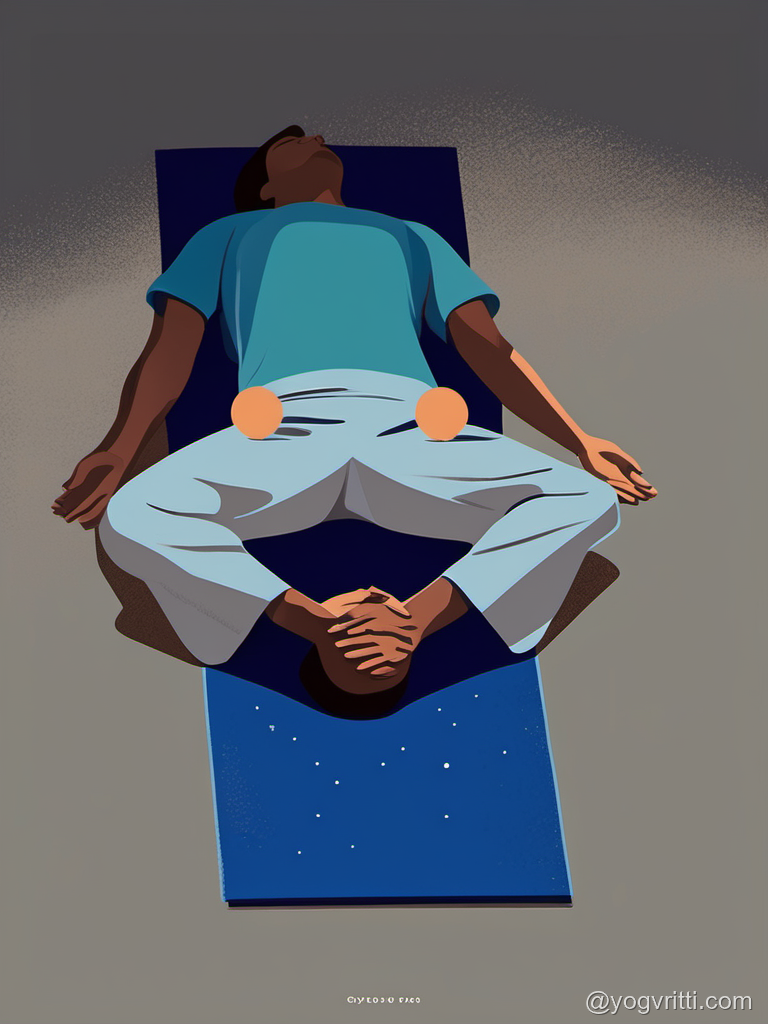
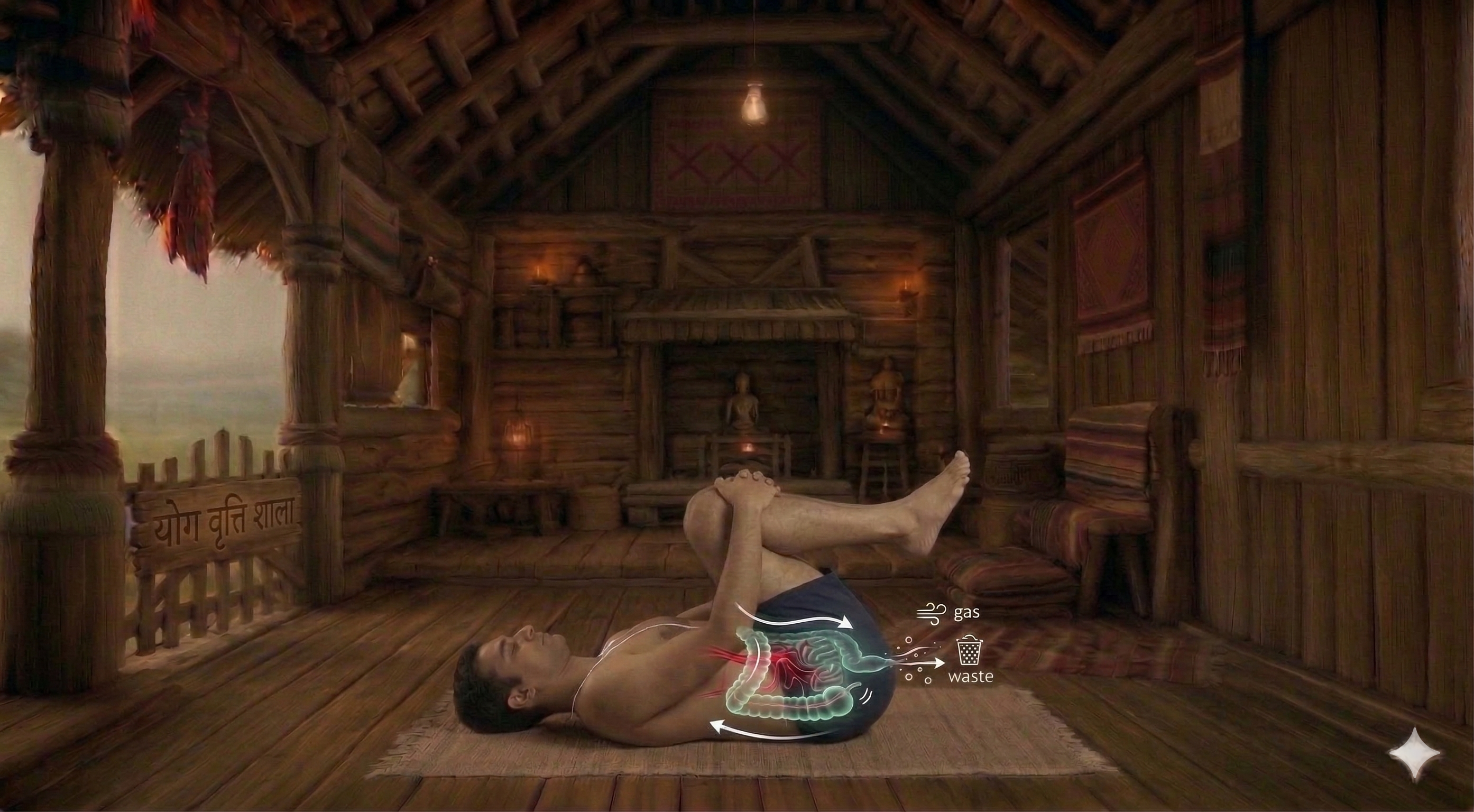
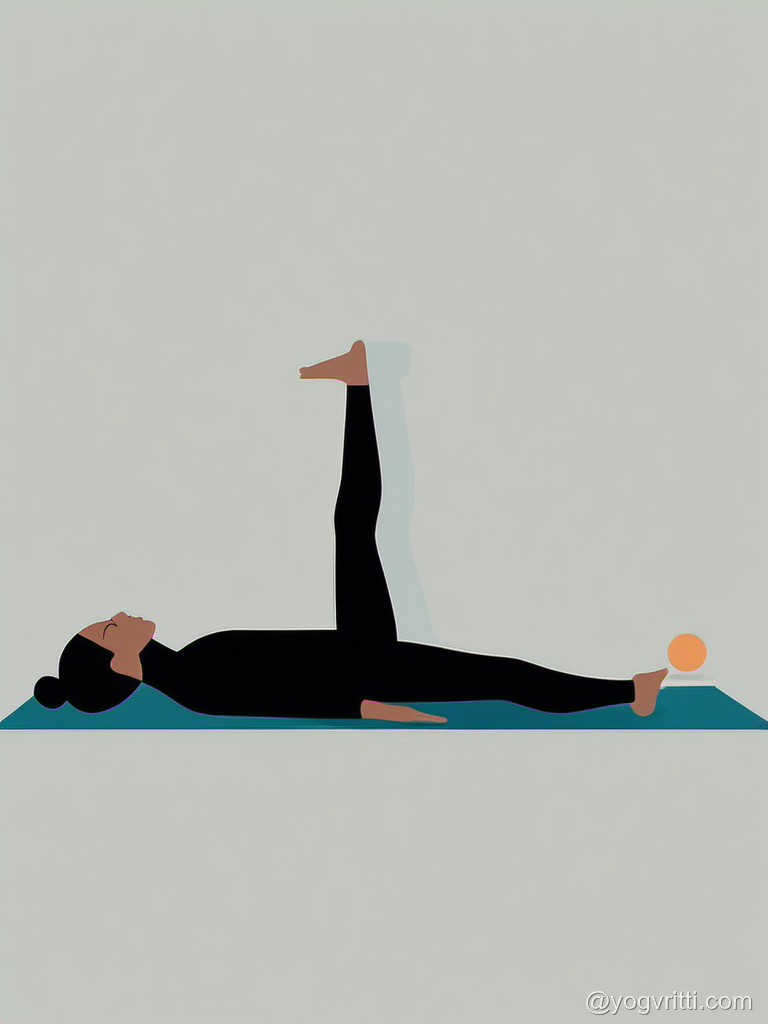

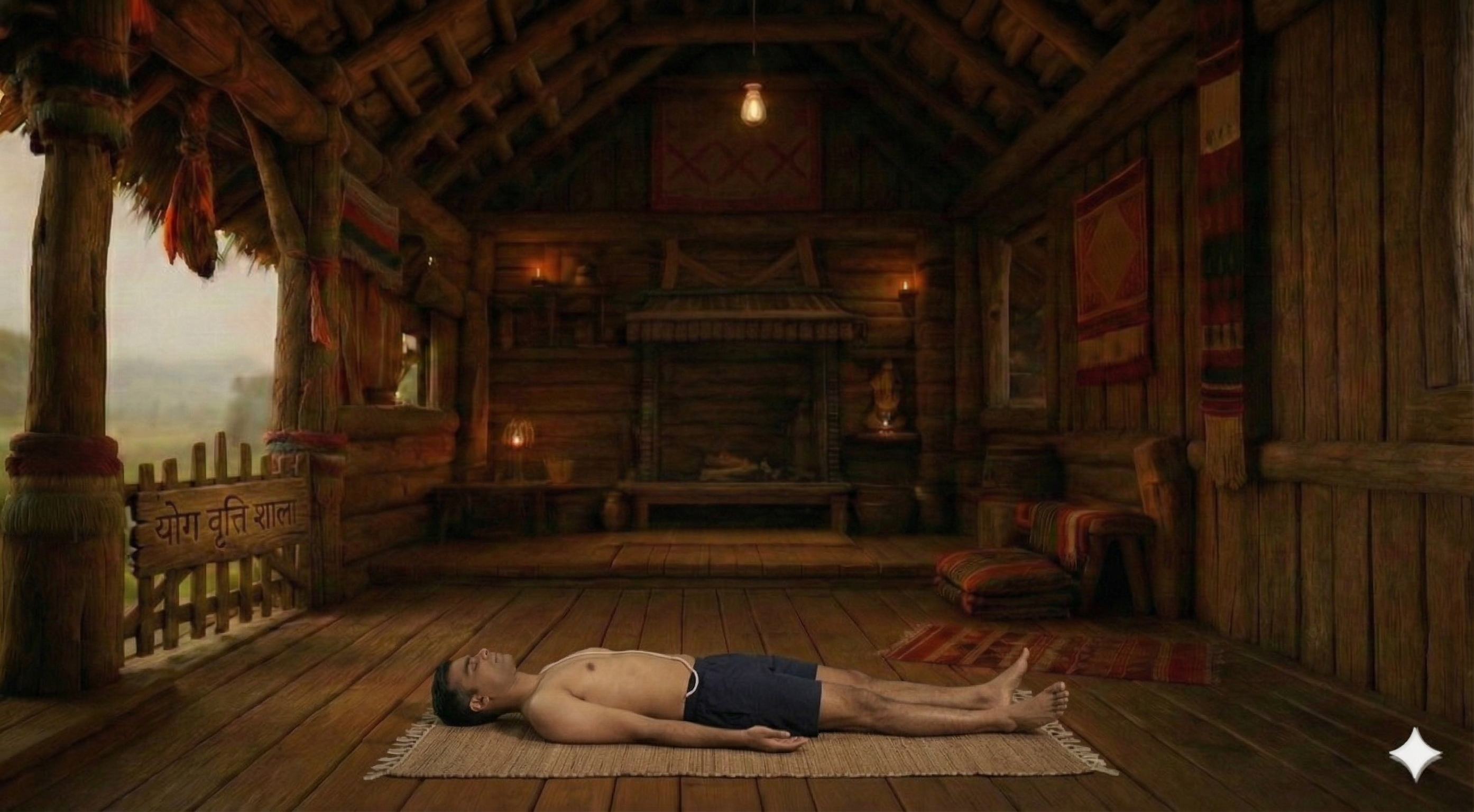
How to Practice
1. Lie supine on your back, bend your knees, and place your feet flat on the floor, heels close to the buttocks.
2. Inhale and cross your right knee over your left thigh, as if preparing for Garudasana (Eagle Pose) legs.
3. Gently draw both knees towards your chest.
4. Exhale and reach for the outer edges of your right foot and left foot with your hands. If this is not possible, hold your ankles or shins.
5. Gently draw your feet sideways, towards your armpits, as if tucking your feet into your armpits. Maintain the crossing of the thighs.
7 more steps remaining
Register free to see the complete instructions
Register Free to ContinueAlready registered? Login
Frequently Asked Questions
Common questions about Reclined Cow Face Pose
What is Reclined Cow Face Pose?
Reclined Cow Face Pose, also called Supine Cow Face is a classical yoga posture whose Sanskrit roots break down as: Supta (Reclining / Sleeping) · Gomukhasana (Gomukhasana) · Asana (Pose). In this posture, the body releases into the support of the floor, allowing gravity to assist. Stretches the outer hips, glutes, and thighs deeply. Relieves tension in the lower back and sacrum. Improves flexibility in the hip joints. It is particularly valued for developing greater flexibility and easing sciatic discomfort. Suitable for intermediate practitioners with foundational yoga experience, it is a calming cool-down, particularly beneficial for beginners and desk workers. A strap and blanket can be used to make the posture more accessible and support correct alignment. Practitioners with knee injury and hip injury should approach with care or consult a qualified teacher.
What are the benefits of Reclined Cow Face Pose?
Stretches the outer hips, glutes, and thighs deeply.. Relieves tension in the lower back and sacrum.. Improves flexibility in the hip joints.. Calms the nervous system and promotes relaxation.. May help alleviate mild sciatica pain.. Opens the chest and shoulders when performed correctly..
Who should avoid Reclined Cow Face Pose?
Avoid this pose if you have: Severe knee or hip injury (especially meniscus tears or hip impingement)., Acute lower back pain or disc issues., Recent abdominal surgery., Significant groin strain., Sciatica flare-up (exercise caution)..
How many steps are in Reclined Cow Face Pose?
Reclined Cow Face Pose is practiced in 12 steps. Lie supine on your back, bend your knees, and place your feet flat on the floor, heels close to the buttocks.
Is Reclined Cow Face Pose suitable for beginners?
Reclined Cow Face Pose is an intermediate-level pose. Beginners should practice with props or under guidance.
What props are needed for Reclined Cow Face Pose?
You may use: strap, blanket. Props make the pose more accessible and comfortable.
What conditions does Reclined Cow Face Pose help with?
Reclined Cow Face Pose is therapeutic for: flexibility, sciatica, hip injury, anxiety.
What poses should I do before Reclined Cow Face Pose?
Prepare with: Supta Tadasana, Apanasana, Supta Padangusthasana I. These warm up the relevant muscles and joints.
Related Poses
Similar poses you might enjoy
Build Your Own Sequence
Combine Reclined Cow Face Pose with other poses