Reclined Pigeon Pose
Supta Kapotasana · सुप्त कपोतासन
Also known as: Supine Pigeon · Figure-4 Pose · Thread the Needle Supine
Reclined Pigeon Pose, also called Supine Pigeon is a classical yoga posture. Its Sanskrit name Supta Kapotasana translates word-for-word as: Supta (Reclining) · Kapota (Pigeon) · Asana (Pose). In this posture, the body releases into the support of the floor, allowing gravity to assist. The posture works to activate the glutes. No knee pressure. Excellent for sciatica. It is particularly valued for easing sciatic discomfort. Suitable for beginners and regular practitioners alike, it is a calming cool-down, particularly beneficial for beginners and seniors.
Anatomy Involved
Benefits
Piriformis(lengthening)
The piriformis, a small but mighty muscle deep in your outer hip, is the primary target here, running from your sacrum to the top of your thigh bone (femur). When tight, it can press on the sciatic nerve, causing pain, but in Supta Kapotasana, it gets a gentle, sustained lengthening. This patient release allows the muscle to soften, freeing up the nerve and restoring fluidity to the hip's rotation. From a yogic perspective, this unwinds deep-seated tension, often held unknowingly, creating space and lightness in the pelvis.
Gluteal Muscles (Glutes)(lengthening)
Your large buttock muscles, the glutes, work in concert with the piriformis, and while the gluteus maximus is a powerful extensor, the medius and minimus are key hip abductors and rotators. In this pose, they experience a broad, gentle lengthening, especially the gluteus medius and minimus, as the hip moves into external rotation. This release improves overall hip mobility and stability, allowing for a deeper sense of grounding. Yogically, softening these powerful muscles helps to release the 'armoring' often held in the posterior chain, inviting a feeling of surrender and ease.
Adductor Muscles (Inner Thigh)(lengthening)
While the focus is on the outer hip, the adductor muscles of the inner thigh on the bent leg also receive a subtle lengthening as the hip externally rotates and abducts. These muscles, responsible for drawing the legs together, often become short and stiff from prolonged sitting. This gentle stretch helps to rebalance the tension around the hip joint, fostering a more harmonious relationship between the inner and outer thigh. In terms of energy, releasing the adductors can open up the root chakra (Muladhara), promoting a sense of security and stability.
- Full anatomical benefits — muscles, joints, organs →
Avoid If
Hip Injury
Deep hip flexion, external rotation, or weight-bearing can aggravate labral tears, impingement, or bursitis.
Support the knee with a folded blanket; do not force the leg into a position that creates clicking or sharp hip pain.
Common Mistakes to Avoid
Teaching Cues
For yoga teachers — verbal cues to guide students
7 cues
Teaching Cues
For yoga teachers — verbal cues to guide students
- 1Press the back of the head gently into the floor
- 2Keep the lower back in its natural curve
- 3Relax the shoulders away from the ears
- 4Soften the facial muscles and jaw
- 5Breathe deeply into the belly
- 6Allow the hip joints to open gradually — never force
- 7Surrender the weight of the body to the props and the floor
Pose Details
Helps With
Pose Type
Body Focus
Focus Areas
Best For
Yoga Styles
When to Practice
Position
Modify If You Have
back pain
Keep bottom foot on floor instead of pulling thigh.
Target Areas
Practice Flow

How to Practice
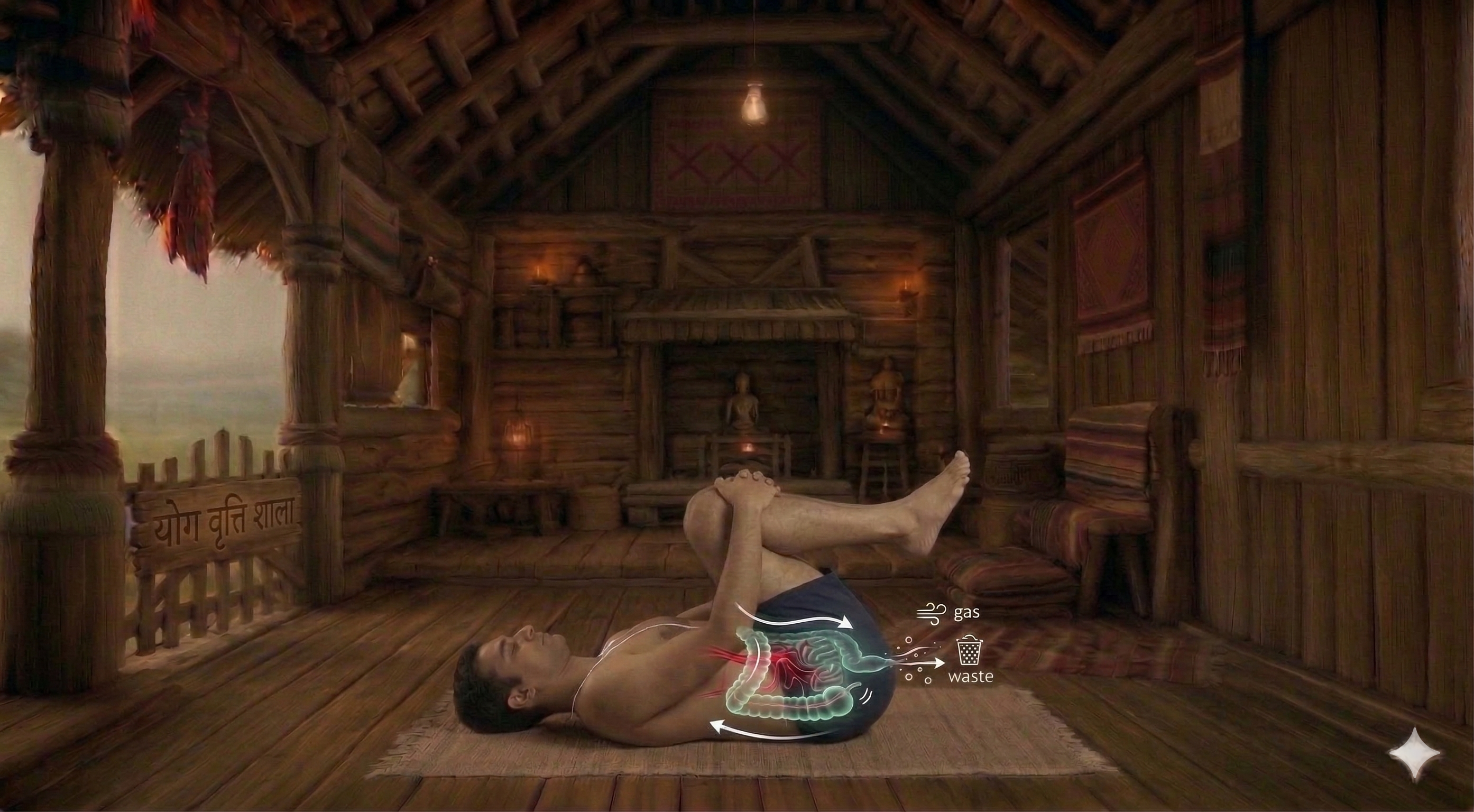
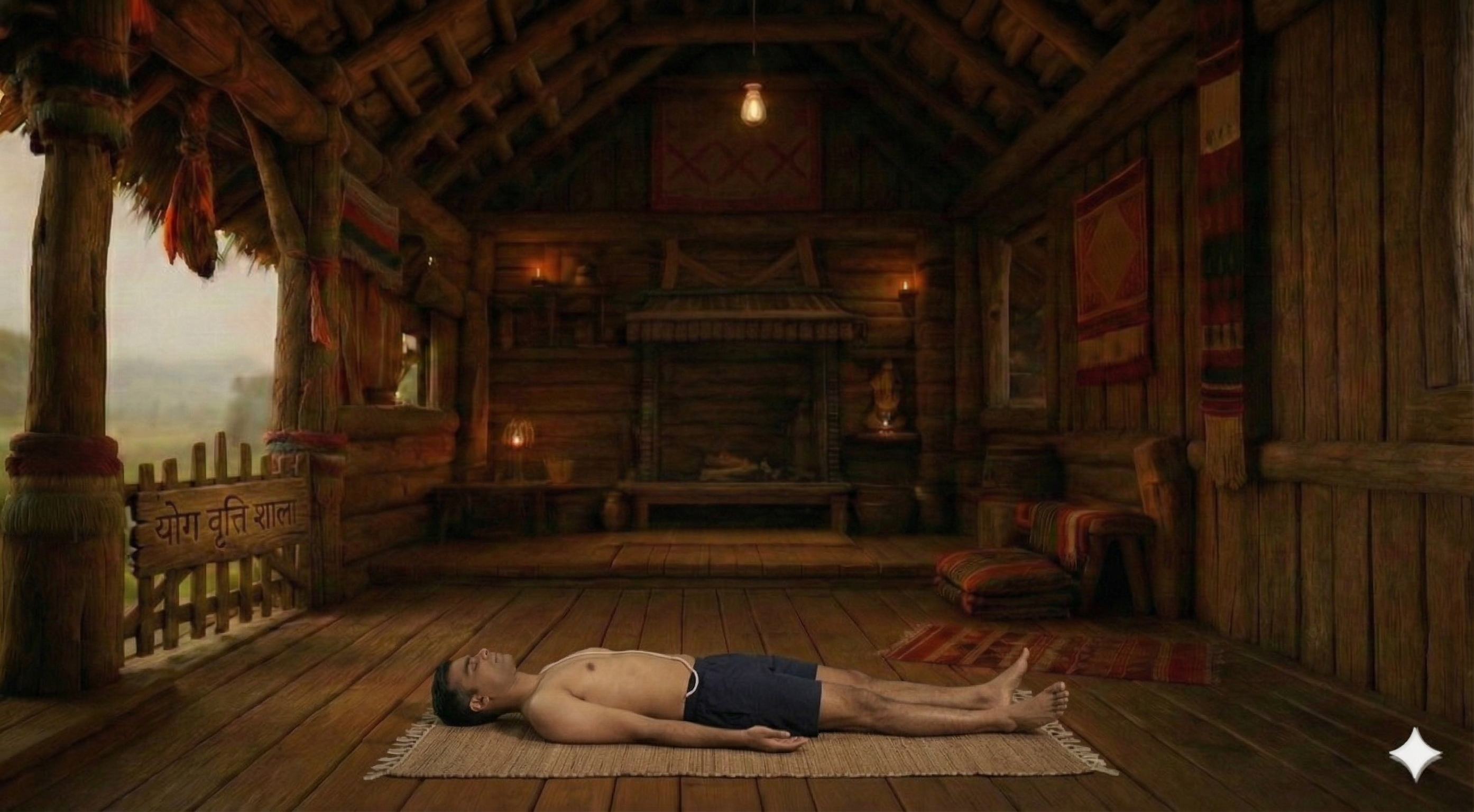
1. Lie on back, knees bent, feet on floor.
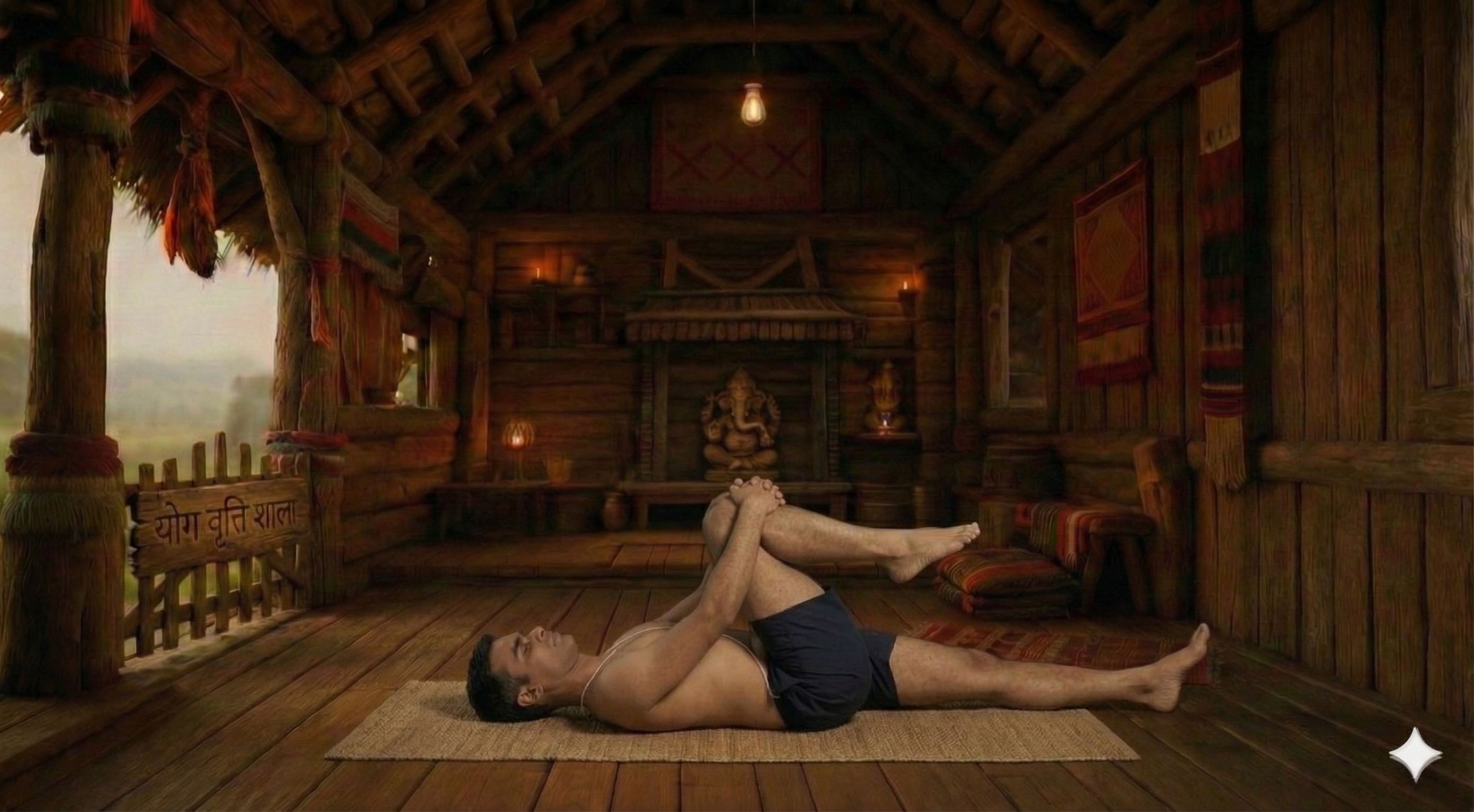
2. Place right ankle on left knee (Figure-4).
3. Lift left foot — thread hands behind left thigh.
4. Pull left thigh toward chest.
5. Right knee pushes out — stretch in right hip.
5 more steps remaining
Register free to see the complete instructions
Register Free to ContinueAlready registered? Login
Frequently Asked Questions
Common questions about Supta Kapotasana
What is Reclined Pigeon Pose?
Reclined Pigeon Pose, also called Supine Pigeon is a classical yoga posture. Its Sanskrit name Supta Kapotasana translates word-for-word as: Supta (Reclining) · Kapota (Pigeon) · Asana (Pose). In this posture, the body releases into the support of the floor, allowing gravity to assist. The posture works to activate the glutes. No knee pressure. Excellent for sciatica. It is particularly valued for easing sciatic discomfort. Suitable for beginners and regular practitioners alike, it is a calming cool-down, particularly beneficial for beginners and seniors.
What are the benefits of Reclined Pigeon Pose?
Most accessible pigeon variation. No knee pressure. Excellent for sciatica. Safe during pregnancy. Releases piriformis. Perfect for runners.
Who should avoid Reclined Pigeon Pose?
Avoid this pose if you have: Acute hip injury.
How many steps are in Reclined Pigeon Pose?
Reclined Pigeon Pose is practiced in 10 steps. Lie on back, knees bent, feet on floor.
Is Reclined Pigeon Pose suitable for beginners?
Yes, Reclined Pigeon Pose is a beginner-friendly pose suitable for all levels.
What conditions does Reclined Pigeon Pose help with?
Reclined Pigeon Pose is therapeutic for: sciatica, hip injury, back pain, flexibility.
What poses should I do before Reclined Pigeon Pose?
Prepare with: Supta Tadasana, Apanasana. These warm up the relevant muscles and joints.
Related Poses
Similar poses you might enjoy
Build Your Own Sequence
Combine Supta Kapotasana with other poses