Reclining Lotus Pose
Reclining Lotus Pose · सुप्त पद्मासन
Also known as: Supine Lotus · Lotus in Savasana
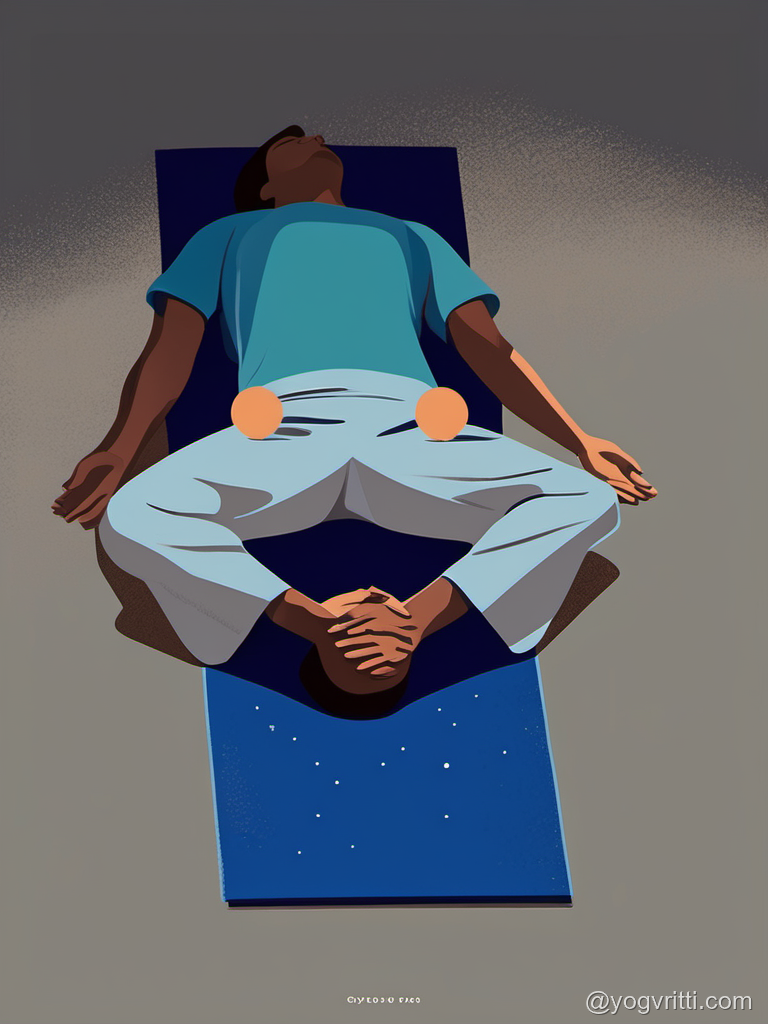
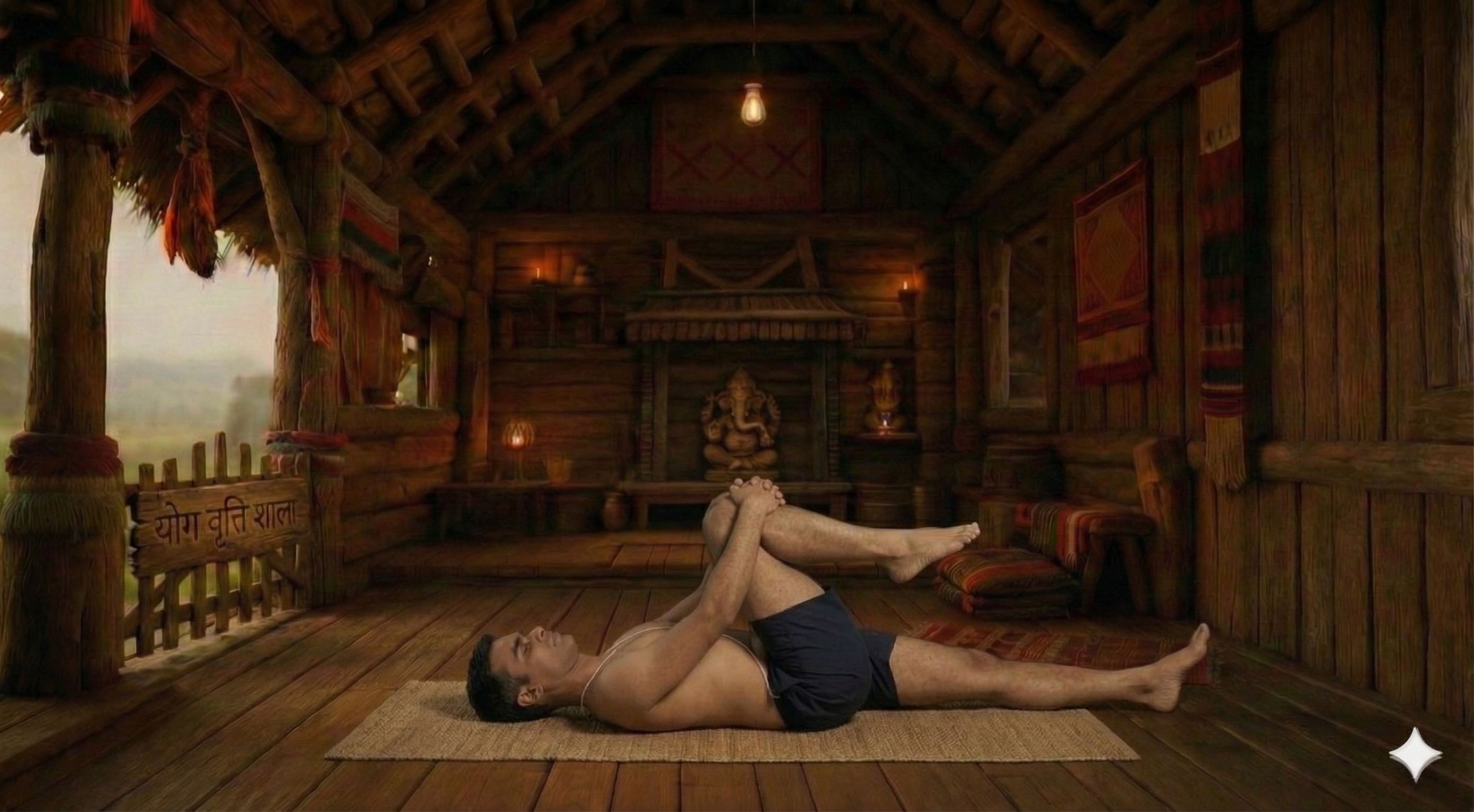
Reclining Lotus Pose, also called Supine Lotus is a classical yoga posture whose Sanskrit roots break down as: Supta (Reclining) · Padma (Lotus) · Asana (Pose). In this posture, the body releases into the support of the floor, allowing gravity to assist. The posture works to stretch the hip flexors and release the lower back. Calms the mind and reduces stress. Stimulates the abdominal organs. Suitable for advanced practitioners with developed body awareness, it is a calming cool-down. A blanket can be used to make the posture more accessible and support correct alignment. Practitioners with hip injury and knee injury should approach with care or consult a qualified teacher.
Anatomy Involved
Benefits
Groin muscles(lengthening)
These muscles along the inner thighs and groin are subjected to a deep, sustained lengthening in Supta Padmasana. As the hips externally rotate and abduct to form Padmasana, and then the body reclines, gravity gently assists in stretching these powerful adductors. This release helps to unlock deep-seated tension often held from prolonged sitting or physical activity, which can restrict hip mobility. Energetically, releasing the adductors helps to free the flow of apana vayu in the pelvic region, promoting a sense of groundedness and stability.
Deep Hip Rotators(releasing)
Nestled deep within the gluteal region, these muscles are crucial for external rotation of the thigh, a key action in Lotus. In Supta Padmasana, they are held in their maximally shortened position, but the supine orientation allows them to release *isometric tension* that might be present in other poses. This sustained, gentle compression and release can help alleviate chronic tightness and improve the overall suppleness of the hip joint. From a yogic perspective, working with these deep rotators can release emotional 'clinging' often stored in the hips, facilitating a greater sense of freedom.
Quadriceps(lengthening)
The quadriceps, particularly the Rectus Femoris which crosses both the hip and knee, experience a significant stretch. As the knees are deeply flexed and the body reclines, the hip goes into a relative extension (compared to an upright Padmasana), lengthening the Rectus Femoris, while the other vasti muscles are stretched by the deep knee flexion. This comprehensive lengthening helps to balance the forces around the knee joint and improves overall leg flexibility. Releasing these powerful anterior thigh muscles can alleviate anterior knee pain and contribute to a more balanced energetic flow through the legs.
- Full anatomical benefits — muscles, joints, organs →
Avoid If
Knee Injury
Deep flexion or rotation at the knee can strain ligaments, meniscus, or cartilage, especially in a compromised joint.
Place a rolled blanket under the back of the knees to release tension and avoid hyperextension.
Hip Injury
Deep hip flexion, external rotation, or weight-bearing can aggravate labral tears, impingement, or bursitis.
Support the knee with a folded blanket; do not force the leg into a position that creates clicking or sharp hip pain.
Ankle Injury
Unstable or injured ankle joints can be overstressed by weight-bearing, extreme dorsiflexion, or plantar flexion.
Avoid full weight-bearing on the injured ankle; use a blanket for cushioning or switch to a seated alternative.
Sciatica
Certain hip stretches and forward bends pull on the sciatic nerve, temporarily increasing radiating pain down the leg.
Place a rolled blanket under the affected-side knee; avoid any position that sends pain down the leg.
Props That Can Help
Optional supports — use when helpful, not required
Folded Blanket
A blanket under the head and neck maintains the natural cervical curve; under the knees, it relieves lower back tension in Savasana.
Common Mistakes to Avoid
Teaching Cues
For yoga teachers — verbal cues to guide students
7 cues
Teaching Cues
For yoga teachers — verbal cues to guide students
- 1Press the back of the head gently into the floor
- 2Keep the lower back in its natural curve
- 3Relax the shoulders away from the ears
- 4Soften the facial muscles and jaw
- 5Breathe deeply into the belly
- 6Allow the hip joints to open gradually — never force
- 7Surrender the weight of the body to the props and the floor
Pose Details
Pose Type
Body Focus
Focus Areas
Yoga Styles
When to Practice
Position
Target Areas
Practice Flow
How to Practice
1. Sit in Padmasana (Lotus Pose). If Padmasana is not accessible, sit in Ardha Padmasana (Half Lotus Pose).
2. Slowly recline onto your back, using your hands for support as needed.
3. Try to keep your back flat on the floor, but place a blanket under your lower back if necessary.
4. Rest your arms alongside your body, palms facing up.
5. Relax your neck and shoulders.
3 more steps remaining
Register free to see the complete instructions
Register Free to ContinueAlready registered? Login
Frequently Asked Questions
Common questions about Reclining Lotus Pose
What is Reclining Lotus Pose?
Reclining Lotus Pose, also called Supine Lotus is a classical yoga posture whose Sanskrit roots break down as: Supta (Reclining) · Padma (Lotus) · Asana (Pose). In this posture, the body releases into the support of the floor, allowing gravity to assist. The posture works to stretch the hip flexors and release the lower back. Calms the mind and reduces stress. Stimulates the abdominal organs. Suitable for advanced practitioners with developed body awareness, it is a calming cool-down. A blanket can be used to make the posture more accessible and support correct alignment. Practitioners with hip injury and knee injury should approach with care or consult a qualified teacher.
What are the benefits of Reclining Lotus Pose?
Deepens hip opening. Calms the mind and reduces stress. Stimulates the abdominal organs. Improves posture. Promotes a sense of inner peace.
Who should avoid Reclining Lotus Pose?
Avoid this pose if you have: Knee injuries, Hip injuries, Ankle injuries, Sciatica.
How many steps are in Reclining Lotus Pose?
Reclining Lotus Pose is practiced in 8 steps. Sit in Padmasana (Lotus Pose). If Padmasana is not accessible, sit in Ardha Padmasana (Half Lotus Pose).
Is Reclining Lotus Pose suitable for beginners?
Reclining Lotus Pose is an advanced-level pose. Beginners should practice with props or under guidance.
What props are needed for Reclining Lotus Pose?
You may use: blanket. Props make the pose more accessible and comfortable.
What poses should I do before Reclining Lotus Pose?
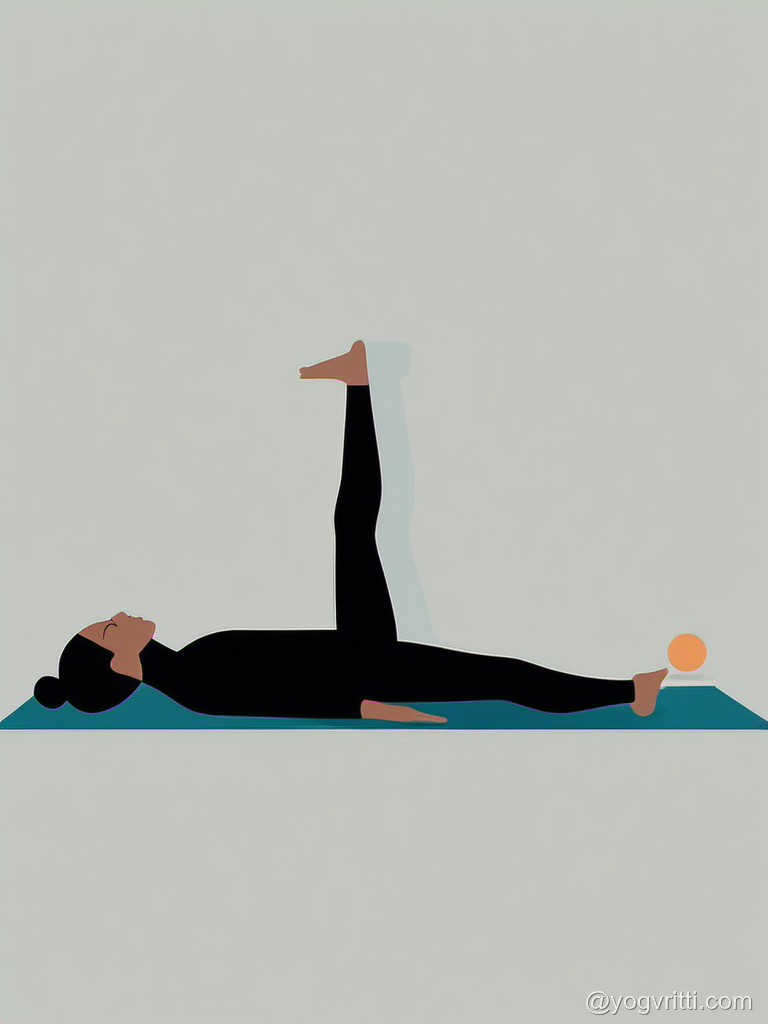
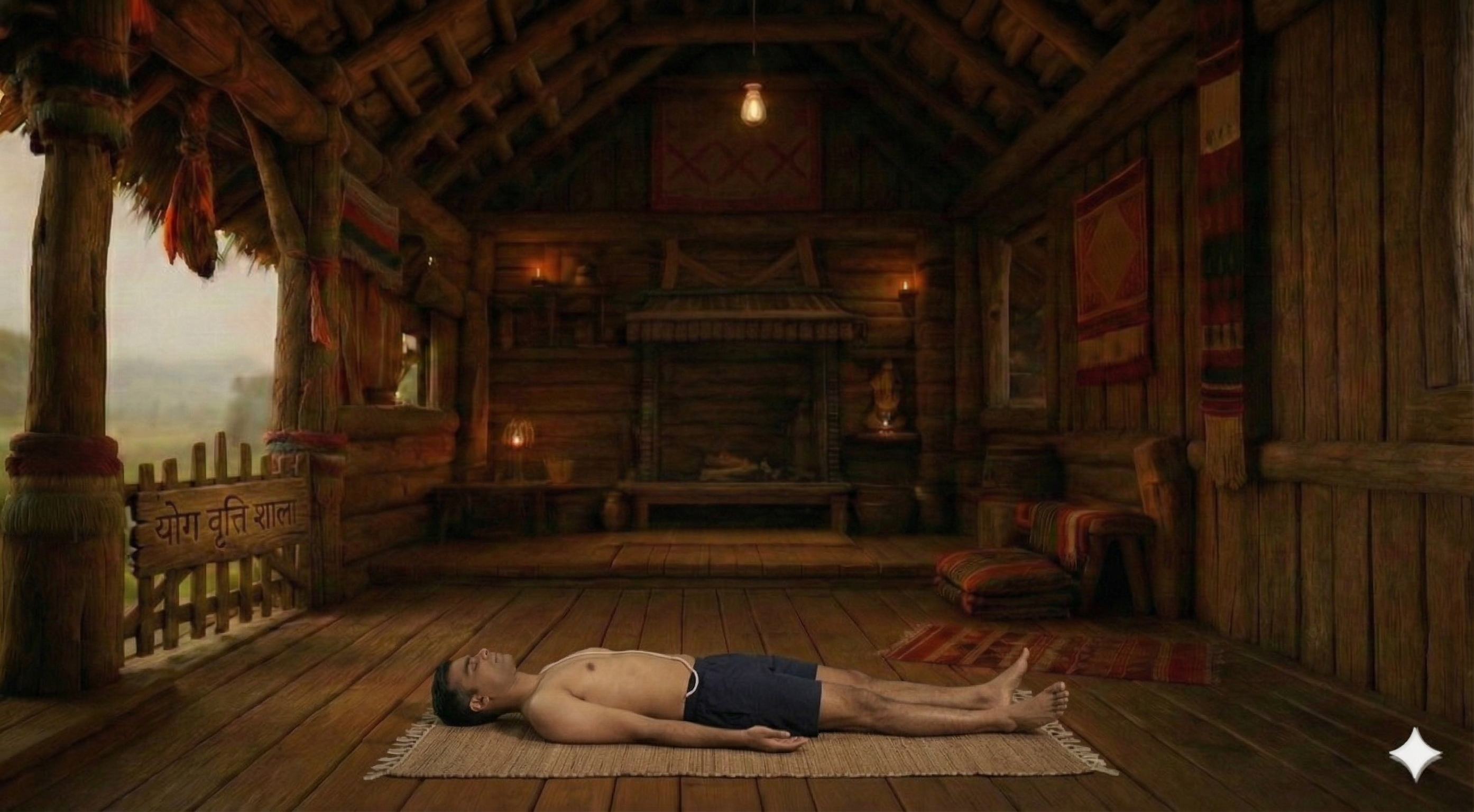
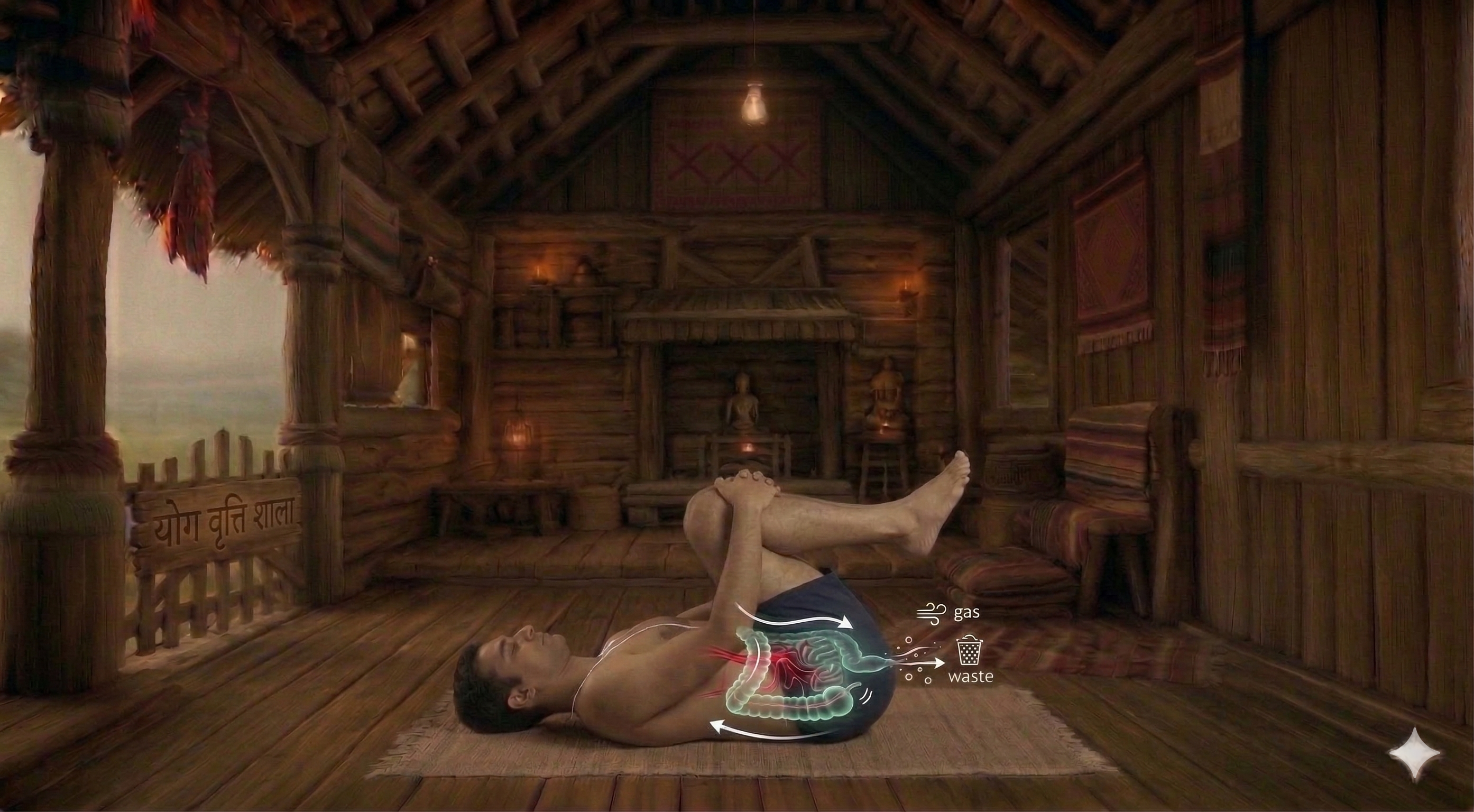
Prepare with: Supta Tadasana, Supta Padangusthasana I, Supta Padangusthasana II. These warm up the relevant muscles and joints.
Related Poses
Similar poses you might enjoy
Build Your Own Sequence
Combine Reclining Lotus Pose with other poses