Supine Trivikrama Pose
Supta Trivikramasana · सुप्त त्रिविक्रमासन
Also known as: Reclining Splits
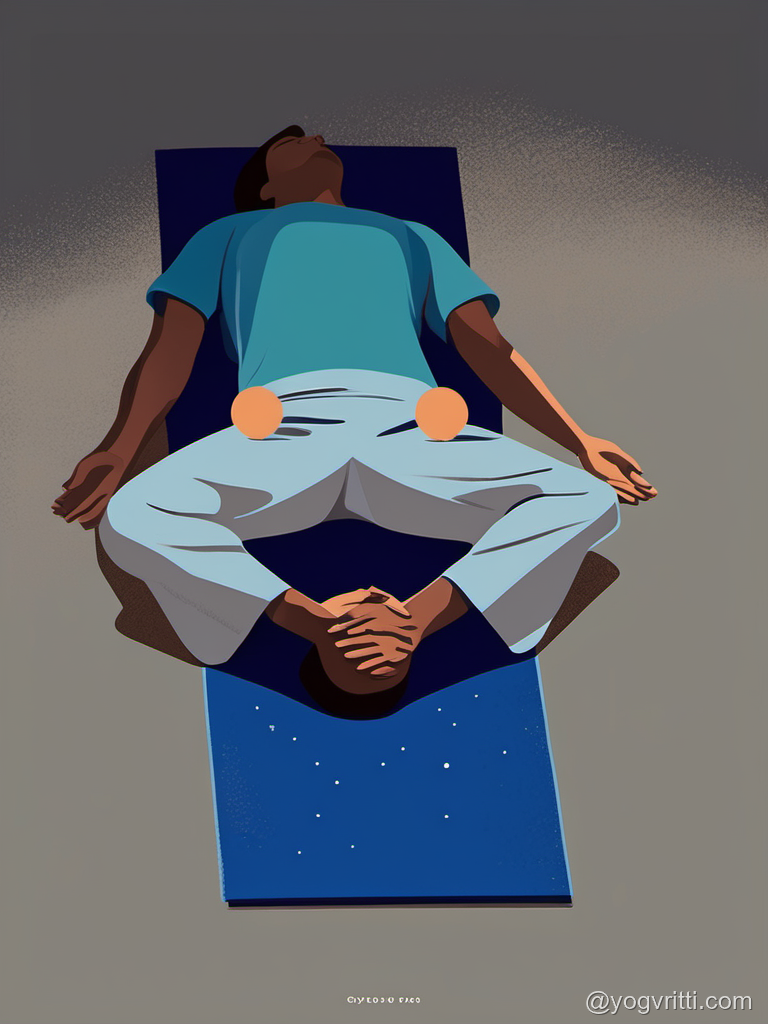
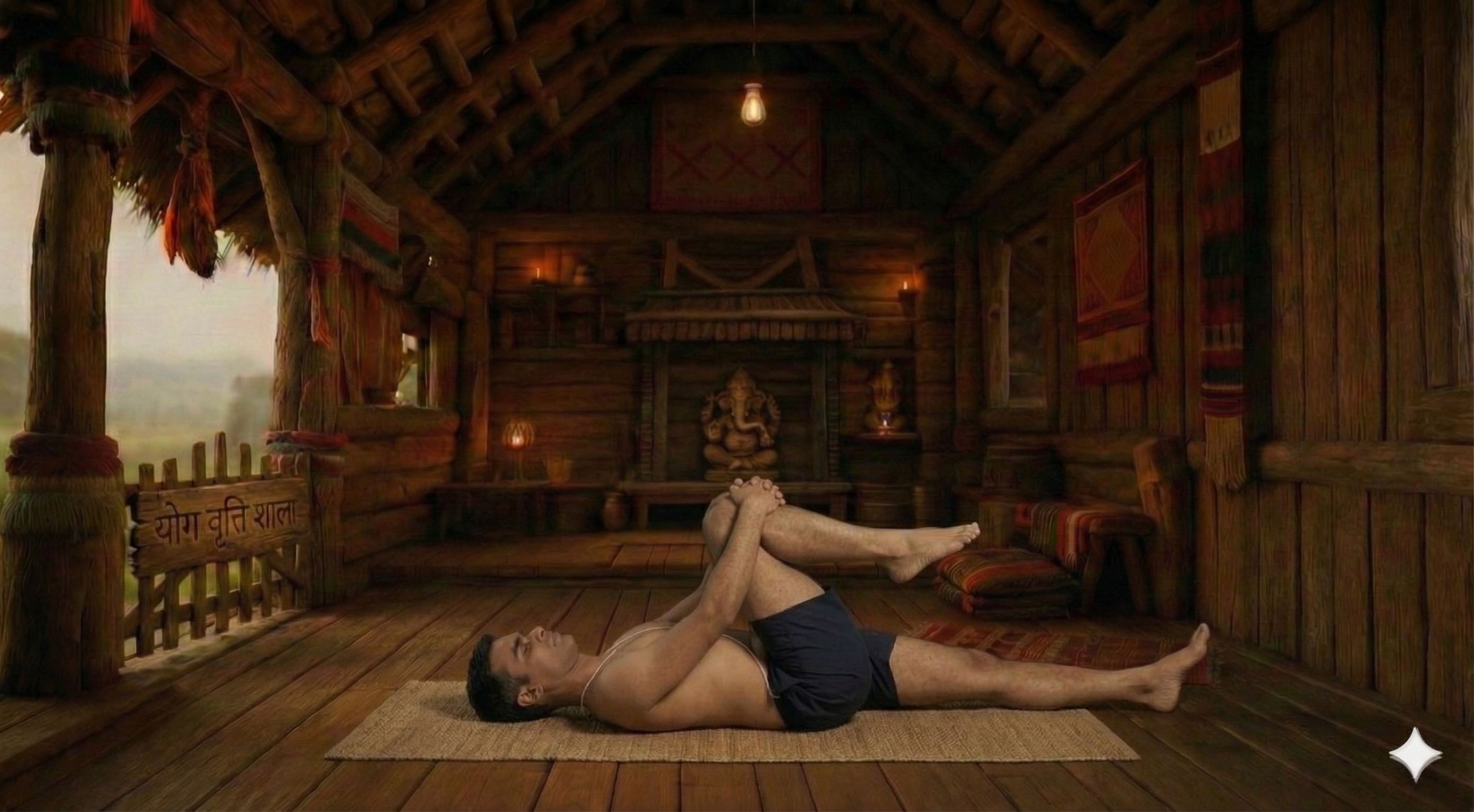
Supine Trivikrama Pose, also called Reclining Splits is a classical yoga posture. Its Sanskrit name Supta Trivikramasana translates word-for-word as: Supta (Reclining / Sleeping) · Trivikramasana (Trivikramasana) · Asana (Pose). In this posture, the body releases into the support of the floor, allowing gravity to assist. The posture works to lengthen the hamstrings and stretch the hip flexors. Deep hip opening. Supine so less balance challenge. It is particularly valued for developing greater flexibility. Suitable for advanced practitioners with developed body awareness, it is a meaningful addition to any practice. A strap can be used to make the posture more accessible and support correct alignment. Practitioners with hamstring injury and hip injury should approach with care or consult a qualified teacher.
Anatomy Involved
Benefits
- Extreme hamstring flexibility
- Deep hip opening
- Supine so less balance challenge
- Full anatomical benefits — muscles, joints, organs →
Avoid If
Hamstring Injury
Aggressive stretching of a torn or strained hamstring can reinjure muscle fibres — the attachment near the sitting bone is especially vulnerable.
Use a strap around the foot to extend the leg gently; avoid pulling the leg aggressively toward the torso.
Hip Injury
Deep hip flexion, external rotation, or weight-bearing can aggravate labral tears, impingement, or bursitis.
Support the knee with a folded blanket; do not force the leg into a position that creates clicking or sharp hip pain.
Back Injury / Back Pain
Spinal flexion, extension, or rotation under load can compress vertebral discs or strain the paraspinal muscles.
Bend the knees and place feet flat on the floor to protect the lumbar spine; slide a folded blanket under the lower back if needed.
Props That Can Help
Optional supports — use when helpful, not required
Yoga Strap
Use a strap around the raised foot to control the leg extension without gripping or over-pulling, keeping the hip and sacrum stable.
Common Mistakes to Avoid
Teaching Cues
For yoga teachers — verbal cues to guide students
6 cues
Teaching Cues
For yoga teachers — verbal cues to guide students
- 1Press the back of the head gently into the floor
- 2Keep the lower back in its natural curve
- 3Relax the shoulders away from the ears
- 4Soften the facial muscles and jaw
- 5Breathe deeply into the belly
- 6Allow the hip joints to open gradually — never force
Pose Details
Helps With
Pose Type
Body Focus
Focus Areas
Yoga Styles
When to Practice
Position
Modify If You Have
hamstring injury
Use a strap and keep the leg slightly bent.
Target Areas
Practice Flow
How to Practice
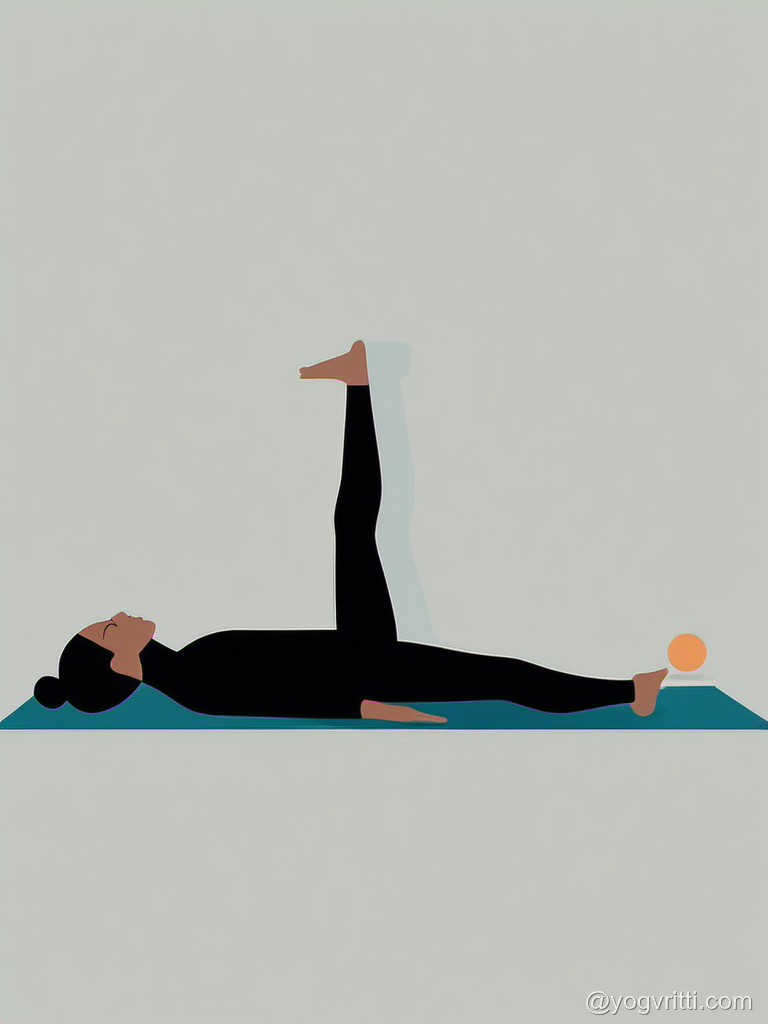
1. Lie on the back.
2. Lift the right leg up.
3. Hold right big toe with right hand.
4. Pull right leg straight — alongside the ear.
5. Left leg stays straight on the floor.
5 more steps remaining
Register free to see the complete instructions
Register Free to ContinueAlready registered? Login
Frequently Asked Questions
Common questions about Supta Trivikramasana
What is Supine Trivikrama Pose?
Supine Trivikrama Pose, also called Reclining Splits is a classical yoga posture. Its Sanskrit name Supta Trivikramasana translates word-for-word as: Supta (Reclining / Sleeping) · Trivikramasana (Trivikramasana) · Asana (Pose). In this posture, the body releases into the support of the floor, allowing gravity to assist. The posture works to lengthen the hamstrings and stretch the hip flexors. Deep hip opening. Supine so less balance challenge. It is particularly valued for developing greater flexibility. Suitable for advanced practitioners with developed body awareness, it is a meaningful addition to any practice. A strap can be used to make the posture more accessible and support correct alignment. Practitioners with hamstring injury and hip injury should approach with care or consult a qualified teacher.
What are the benefits of Supine Trivikrama Pose?
Extreme hamstring flexibility. Deep hip opening. Supine so less balance challenge.
Who should avoid Supine Trivikrama Pose?
Avoid this pose if you have: Hamstring injuries, Hip injuries, Lower back pain.
How many steps are in Supine Trivikrama Pose?
Supine Trivikrama Pose is practiced in 10 steps. Lie on the back.
Is Supine Trivikrama Pose suitable for beginners?
Supine Trivikrama Pose is an advanced-level pose. Beginners should practice with props or under guidance.
What props are needed for Supine Trivikrama Pose?
You may use: strap. Props make the pose more accessible and comfortable.
What conditions does Supine Trivikrama Pose help with?
Supine Trivikrama Pose is therapeutic for: flexibility.
What poses should I do before Supine Trivikrama Pose?
Prepare with: Supta Tadasana, Supta Padangusthasana I, Supta Padangusthasana II. These warm up the relevant muscles and joints.
Related Poses
Similar poses you might enjoy
Build Your Own Sequence
Combine Supta Trivikramasana with other poses