Reclined Upward Facing Forward Bend
Reclined Upward-Facing Intense West Stretch · सुप्त ऊर्ध्व मुख पश्चिमोत्तनासन
Also known as: Supine Leg Stretch Forward
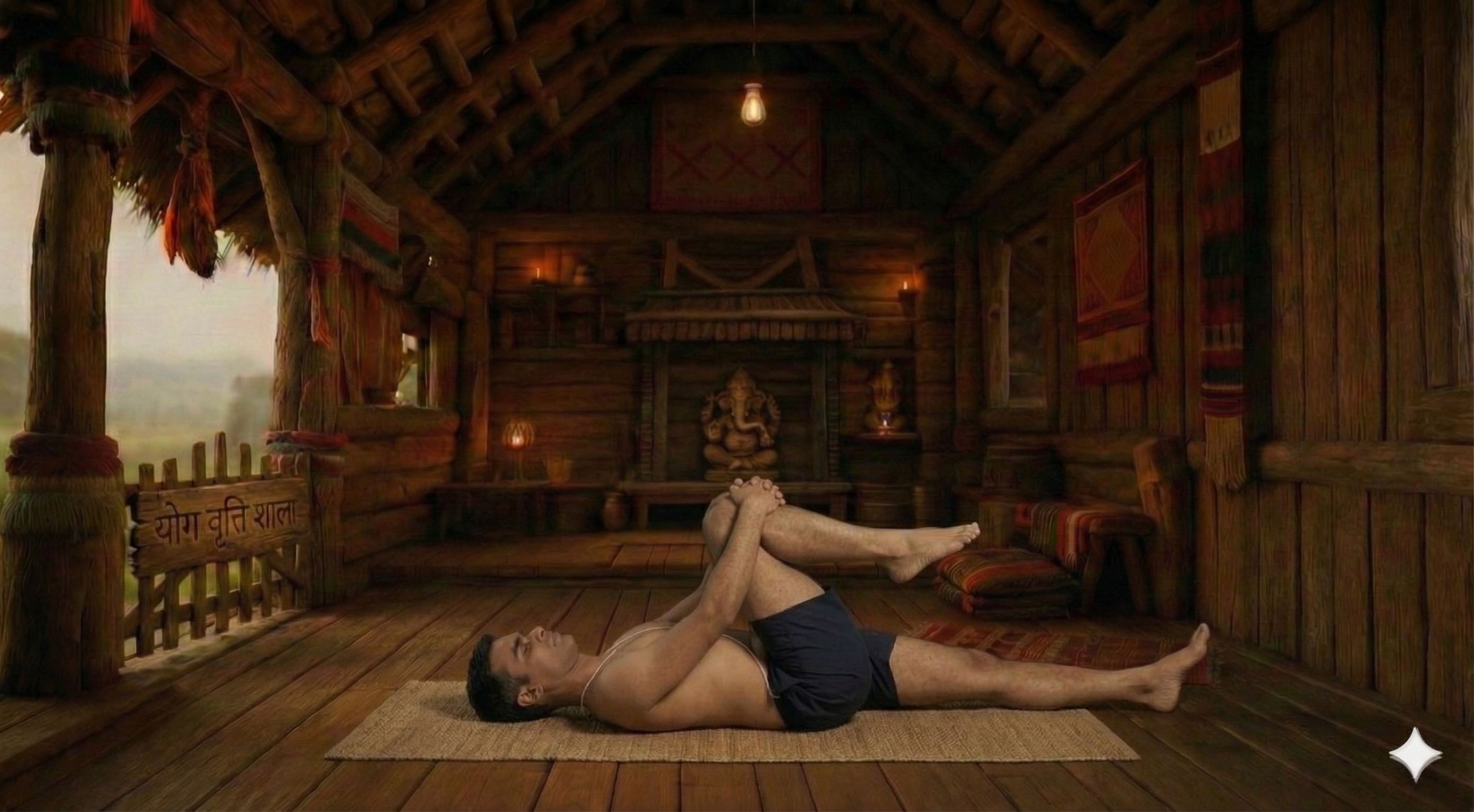
Reclined Upward Facing Forward Bend, also called Supine Leg Stretch Forward is a classical yoga posture whose Sanskrit roots break down as: Supta (Reclining / Sleeping) · Urdhva (Upward) · Mukha (Face / Mouth) · Paschimottanasana (Paschimottanasana). In this posture, the body releases into the support of the floor, allowing gravity to assist. The posture works to lengthen the hamstrings, stretch the calves and engage the core. Lengthens and decompresses the spine. Strengthens the core and abdominal muscles. It is particularly valued for developing greater flexibility and improving overall posture. Suitable for advanced practitioners with developed body awareness, it is a calming cool-down. A strap can be used to make the posture more accessible and support correct alignment. Practitioners with hamstring injury and spinal injury should approach with care or consult a qualified teacher.
Anatomy Involved
Benefits
- Deeply stretches the hamstrings, calves, and Achilles tendons.
- Lengthens and decompresses the spine.
- Strengthens the core and abdominal muscles.
- Calms the brain and helps relieve mild stress.
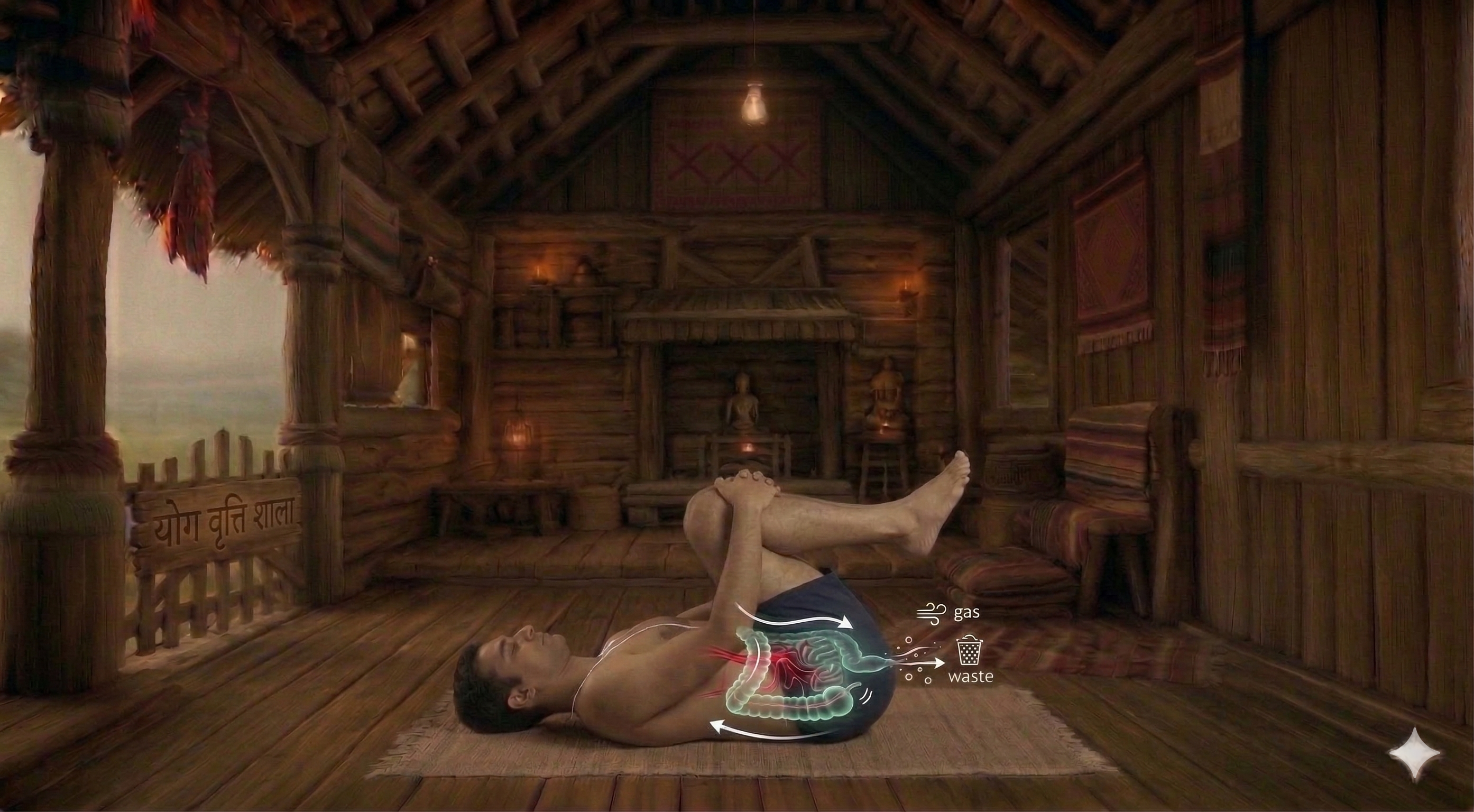
- Improves digestion and stimulates abdominal organs.
- Full anatomical benefits — muscles, joints, organs →
Avoid If
Hamstring Injury
Aggressive stretching of a torn or strained hamstring can reinjure muscle fibres — the attachment near the sitting bone is especially vulnerable.
Bend the knees significantly to remove tension from the hamstrings; fold only as far as the spine stays long.
Disc Herniation
Spinal flexion and rotation under load increase intradiscal pressure and can push herniated material toward spinal nerves.
Bend the knees deeply, hinge from the hips, and keep the spine long rather than rounding the lower back.
Recent Surgery
Surgical wounds and healing tissues need time before being subjected to the mechanical stress of yoga postures.
Wait for full medical clearance from your surgeon; begin with gentle breath work and progress only as healing allows.
High Blood Pressure
Vigorous effort and inverted positions temporarily raise blood pressure in the head, increasing strain on blood vessels.
Keep the head above the heart by bending the knees deeply and resting forearms on thighs rather than reaching to the floor.
Props That Can Help
Optional supports — use when helpful, not required
Yoga Strap
Loop a strap around the feet when the hands cannot reach — this maintains proper spinal length and prevents rounding the lower back to close the gap.
Common Mistakes to Avoid
Teaching Cues
For yoga teachers — verbal cues to guide students
6 cues
Teaching Cues
For yoga teachers — verbal cues to guide students
- 1Press the back of the head gently into the floor
- 2Keep the lower back in its natural curve
- 3Relax the shoulders away from the ears
- 4Soften the facial muscles and jaw
- 5Breathe deeply into the belly
- 6Hinge from the hips, leading with the chest
Pose Details
Helps With
Pose Type
Body Focus
Focus Areas
Yoga Styles
When to Practice
Position
Modify If You Have
hamstring injury
Keep knees slightly bent, or use a strap around the feet and do not pull the legs too close.
flexibility
Use a yoga strap around the balls of the feet to extend the reach without rounding the spine.
back pain
Ensure the sacrum and lower back remain fully grounded; do not pull legs beyond this point.
Target Areas
Practice Flow
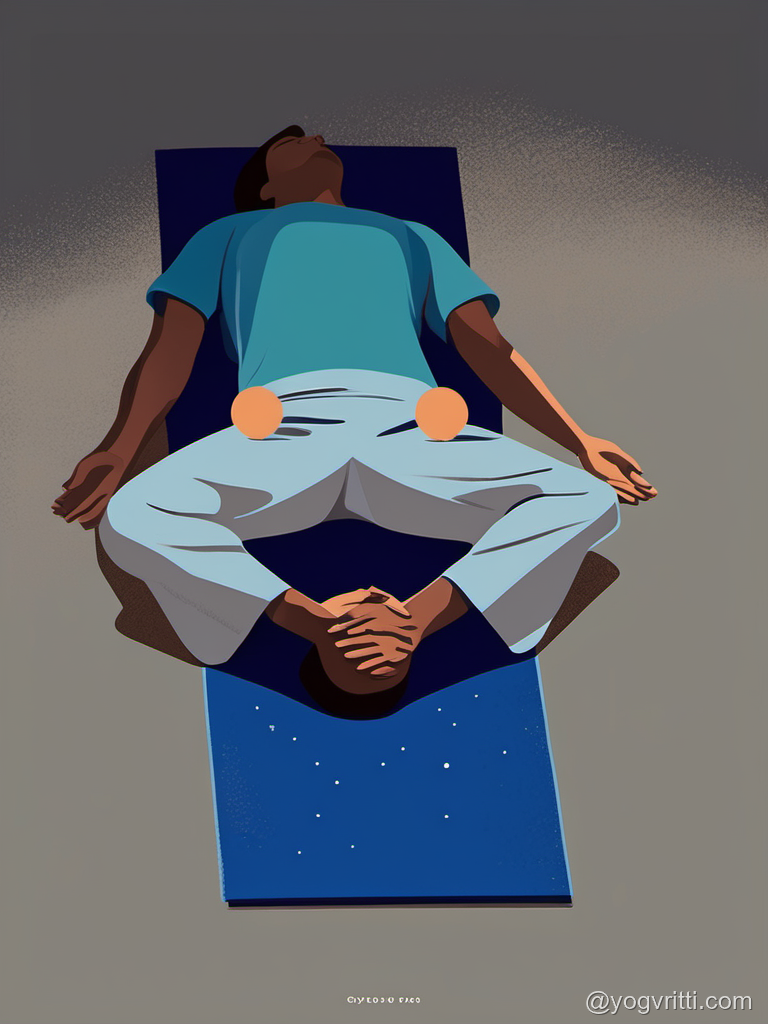
How to Practice
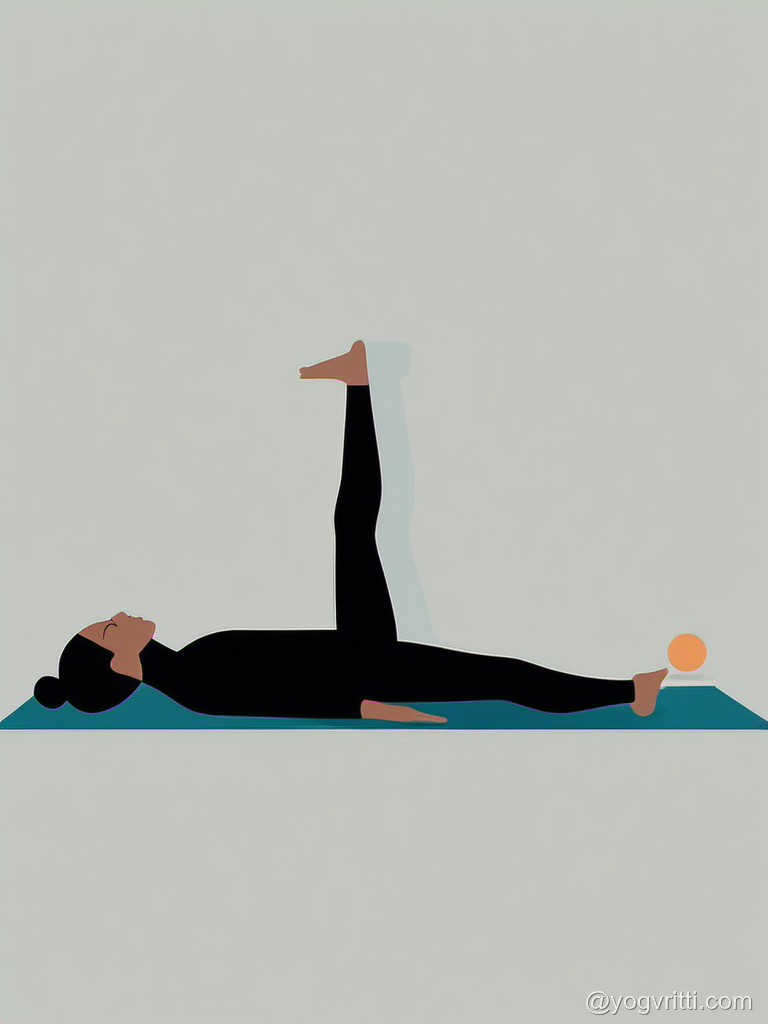
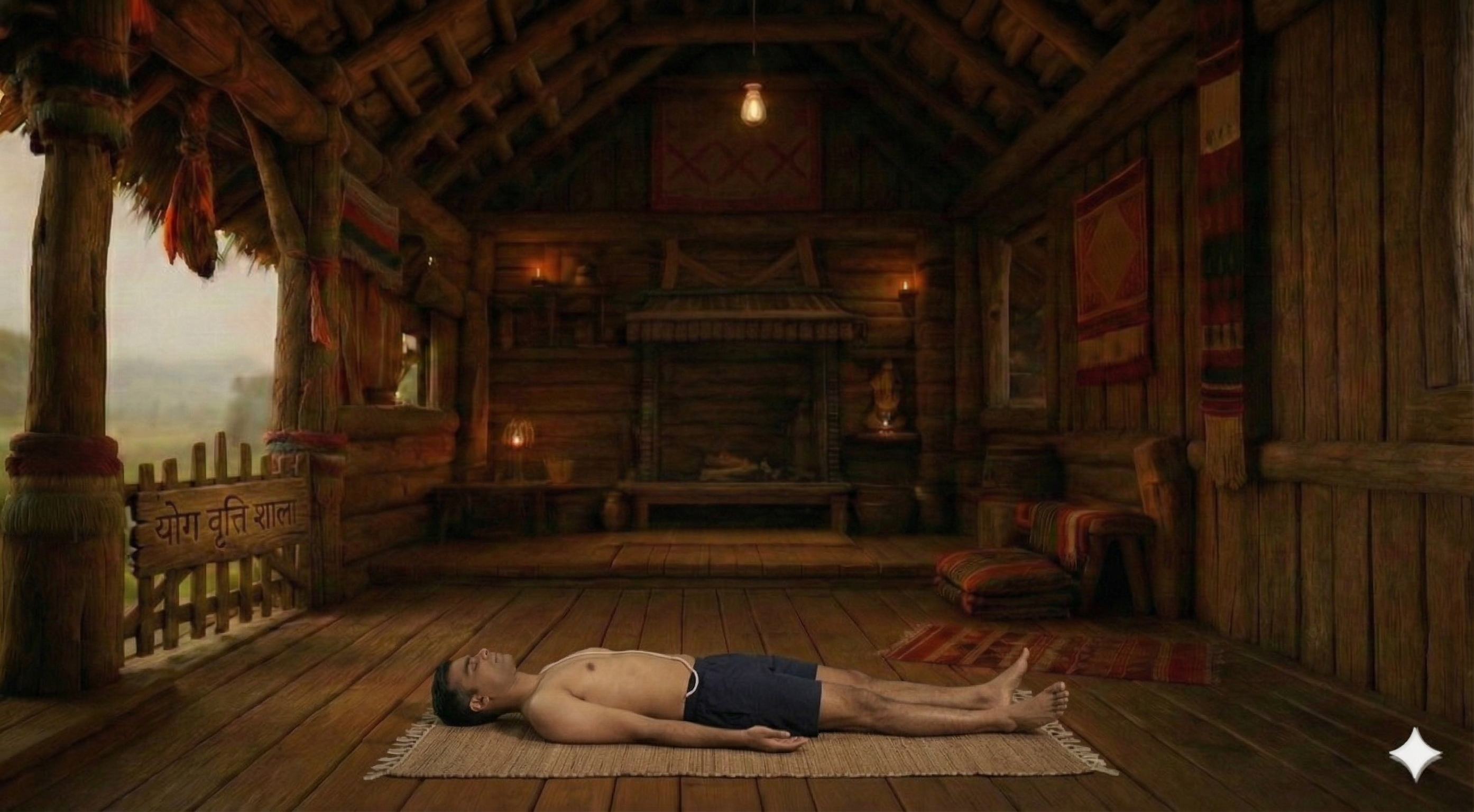
1. Lie supine on your back with legs extended straight and together. Relax your head, neck, and shoulders.
2. Inhale, lift both legs together off the floor to a 90-degree angle, keeping the knees absolutely straight and firm.
3. Exhale, reach up with your hands and grip your big toes with your index and middle fingers (Padangusthasana grip). Alternatively, hold the outer edges of your feet or use a yoga strap around the balls of your feet.
4. Lengthen your spine and keep your shoulders grounded on the floor. Maintain a long neck and keep the back of the head on the mat.
5. Actively press the heels towards the ceiling, stretching through the entire back of the legs. Engage your quadriceps to lift the kneecaps.
6 more steps remaining
Register free to see the complete instructions
Register Free to ContinueAlready registered? Login
Frequently Asked Questions
Common questions about Reclined Upward-Facing Intense West Stretch
What is Reclined Upward Facing Forward Bend?
Reclined Upward Facing Forward Bend, also called Supine Leg Stretch Forward is a classical yoga posture whose Sanskrit roots break down as: Supta (Reclining / Sleeping) · Urdhva (Upward) · Mukha (Face / Mouth) · Paschimottanasana (Paschimottanasana). In this posture, the body releases into the support of the floor, allowing gravity to assist. The posture works to lengthen the hamstrings, stretch the calves and engage the core. Lengthens and decompresses the spine. Strengthens the core and abdominal muscles. It is particularly valued for developing greater flexibility and improving overall posture. Suitable for advanced practitioners with developed body awareness, it is a calming cool-down. A strap can be used to make the posture more accessible and support correct alignment. Practitioners with hamstring injury and spinal injury should approach with care or consult a qualified teacher.
What are the benefits of Reclined Upward Facing Forward Bend?
Deeply stretches the hamstrings, calves, and Achilles tendons.. Lengthens and decompresses the spine.. Strengthens the core and abdominal muscles.. Calms the brain and helps relieve mild stress.. Improves digestion and stimulates abdominal organs.. Increases overall body flexibility..
Who should avoid Reclined Upward Facing Forward Bend?
Avoid this pose if you have: Severe hamstring injury or tear., Acute lower back pain, disc herniation, or sciatica., Recent abdominal or spinal surgery., High blood pressure or heart conditions (practice with caution, avoid straining)., Glaucoma (avoid keeping head below heart level, though this pose generally doesn't)..
How many steps are in Reclined Upward Facing Forward Bend?
Reclined Upward Facing Forward Bend is practiced in 11 steps. Lie supine on your back with legs extended straight and together. Relax your head, neck, and shoulders.
Is Reclined Upward Facing Forward Bend suitable for beginners?
Reclined Upward Facing Forward Bend is an advanced-level pose. Beginners should practice with props or under guidance.
What props are needed for Reclined Upward Facing Forward Bend?
You may use: strap. Props make the pose more accessible and comfortable.
What conditions does Reclined Upward Facing Forward Bend help with?
Reclined Upward Facing Forward Bend is therapeutic for: flexibility, posture correction, digestive problems, anxiety, back pain.
What poses should I do before Reclined Upward Facing Forward Bend?
Prepare with: Supta Tadasana, Supta Padangusthasana I, Supta Padangusthasana II. These warm up the relevant muscles and joints.
Related Poses
Similar poses you might enjoy
Build Your Own Sequence
Combine Reclined Upward-Facing Intense West Stretch with other poses