Supine Raised Leg Thunderbolt
Supta Urdhva Pada Vajrasana · सुप्त ऊर्ध्व पाद वज्रासन
Also known as: Supine Leg Up Vajrasana
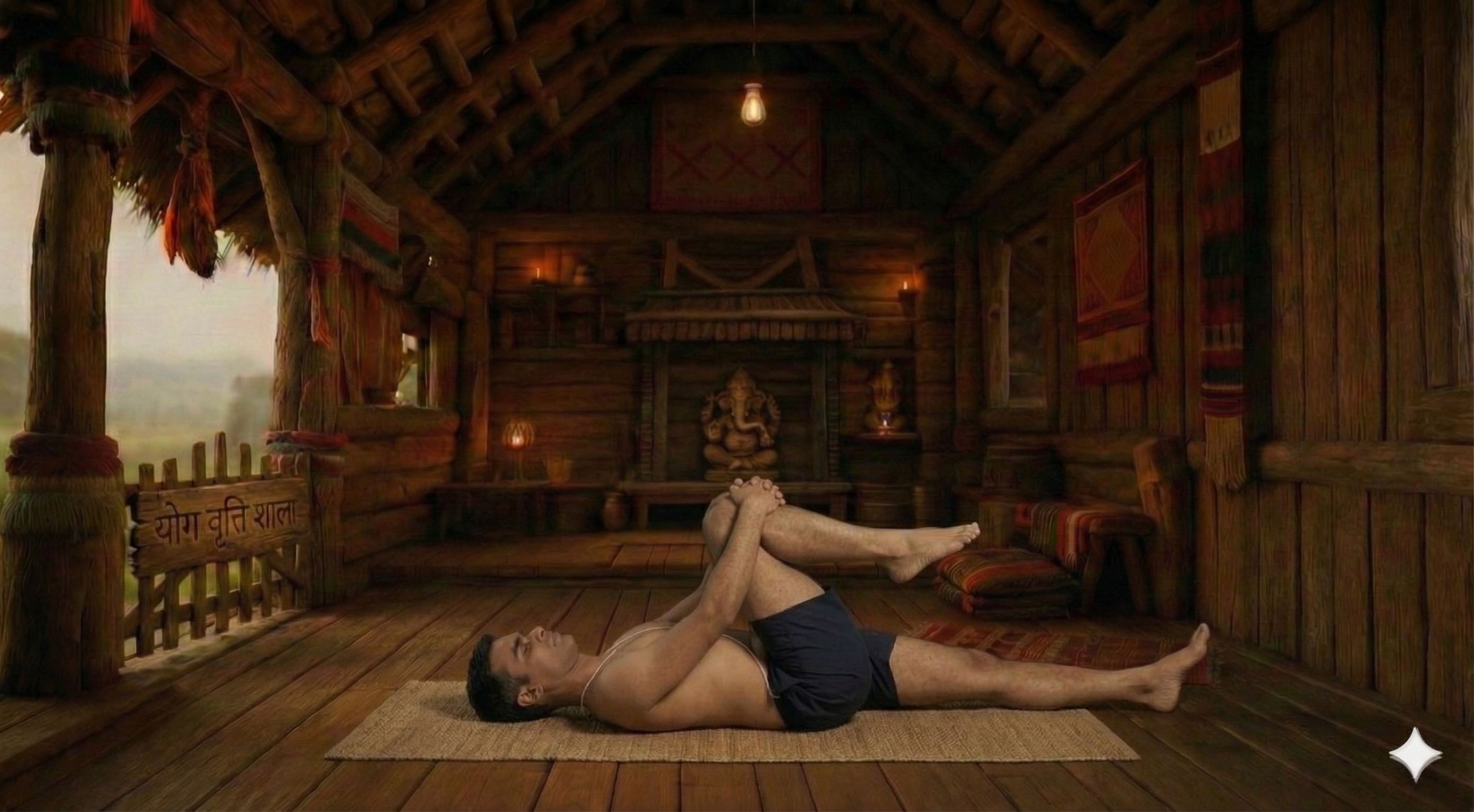
Supine Raised Leg Thunderbolt, also called Supine Leg Up Vajrasana is a classical yoga posture. Its Sanskrit name Supta Urdhva Pada Vajrasana translates word-for-word as: Supta (Reclining / Sleeping) · Urdhva (Upward) · Pada (Foot / Leg) · Vajrasana (Vajrasana). In this posture, the body releases into the support of the floor, allowing gravity to assist. The posture works to strengthen the quadriceps and stretch the hip flexors. Increases flexibility in the spine. Stretches the quadriceps and hip flexors. Suitable for advanced practitioners with developed body awareness, it is a meaningful addition to any practice. A blanket can be used to make the posture more accessible and support correct alignment. Practitioners with knee injury and migraine should approach with care or consult a qualified teacher.
Anatomy Involved
Benefits
- Strengthens the back muscles
- Increases flexibility in the spine
- Stretches the quadriceps and hip flexors
- Improves digestion
- Stimulates the abdominal organs
- Full anatomical benefits — muscles, joints, organs →
Avoid If
Back Injury / Back Pain
Spinal flexion, extension, or rotation under load can compress vertebral discs or strain the paraspinal muscles.
Limit the depth of the backbend, engage the core actively before moving, and avoid any movement that creates pinching in the lumbar spine.
Knee Injury
Deep flexion or rotation at the knee can strain ligaments, meniscus, or cartilage, especially in a compromised joint.
Never push into pain; use a folded blanket under or between the knees and reduce the depth of the bend.
Low Blood Pressure
Rising quickly from low positions can cause a sudden drop in blood pressure, leading to dizziness or fainting.
Move slowly between positions, keep eyes open, and rest against a wall if dizziness arises.
Headache / Migraine
Physical exertion, inversions, and strong breath work can intensify an existing headache or trigger a migraine.
Avoid inversions and strong pranayama; rest in a supported, restorative posture with a cool cloth on the forehead.
Props That Can Help
Optional supports — use when helpful, not required
Folded Blanket
A rolled blanket under the thoracic spine opens the chest gently and supports the backbend, making it accessible as a restorative variation.
Common Mistakes to Avoid
Teaching Cues
For yoga teachers — verbal cues to guide students
5 cues
Teaching Cues
For yoga teachers — verbal cues to guide students
- 1Press the back of the head gently into the floor
- 2Keep the lower back in its natural curve
- 3Relax the shoulders away from the ears
- 4Soften the facial muscles and jaw
- 5Breathe deeply into the belly
Pose Details
Pose Type
Body Focus
Focus Areas
Yoga Styles
When to Practice
Position
Target Areas
Practice Flow
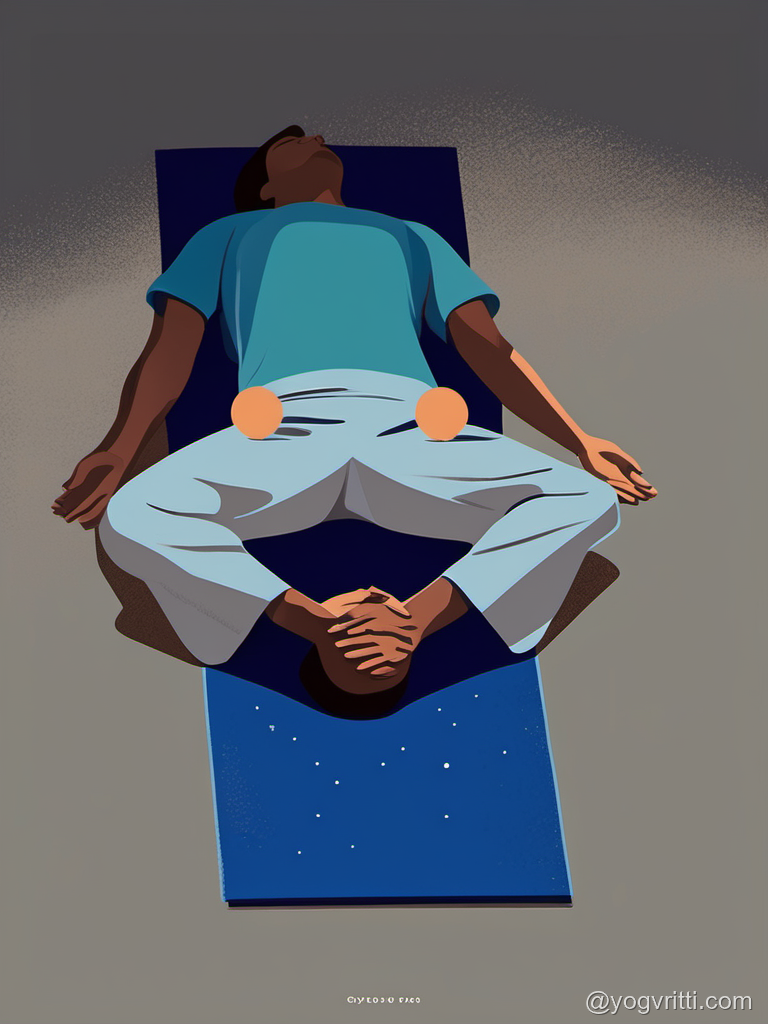
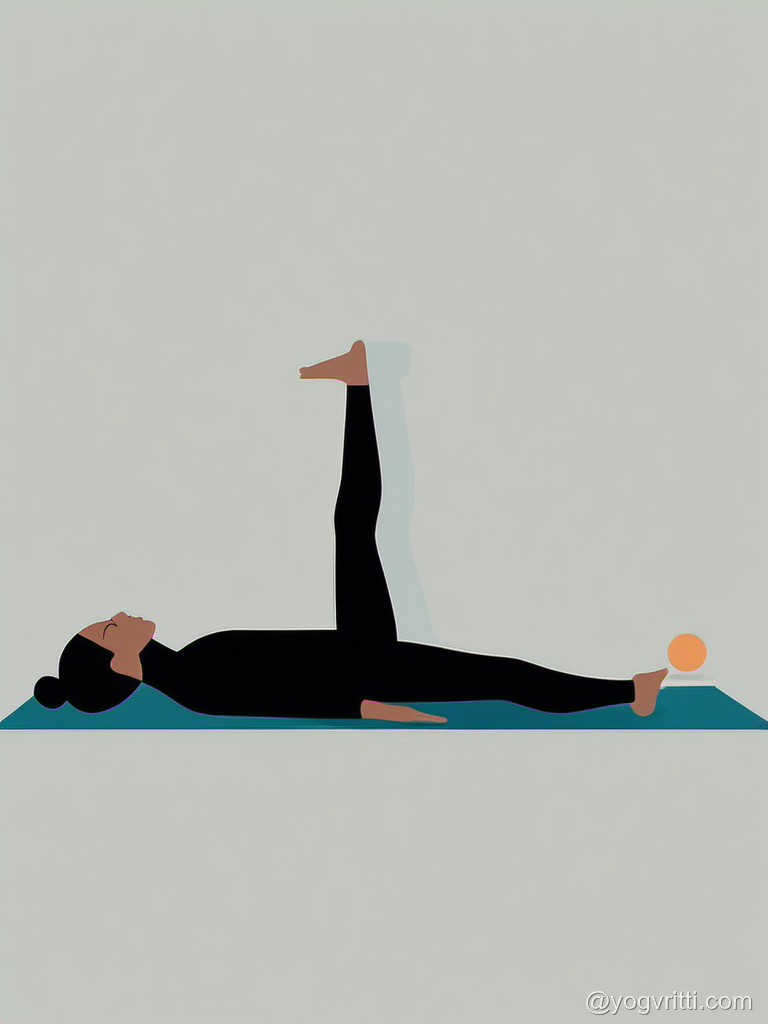
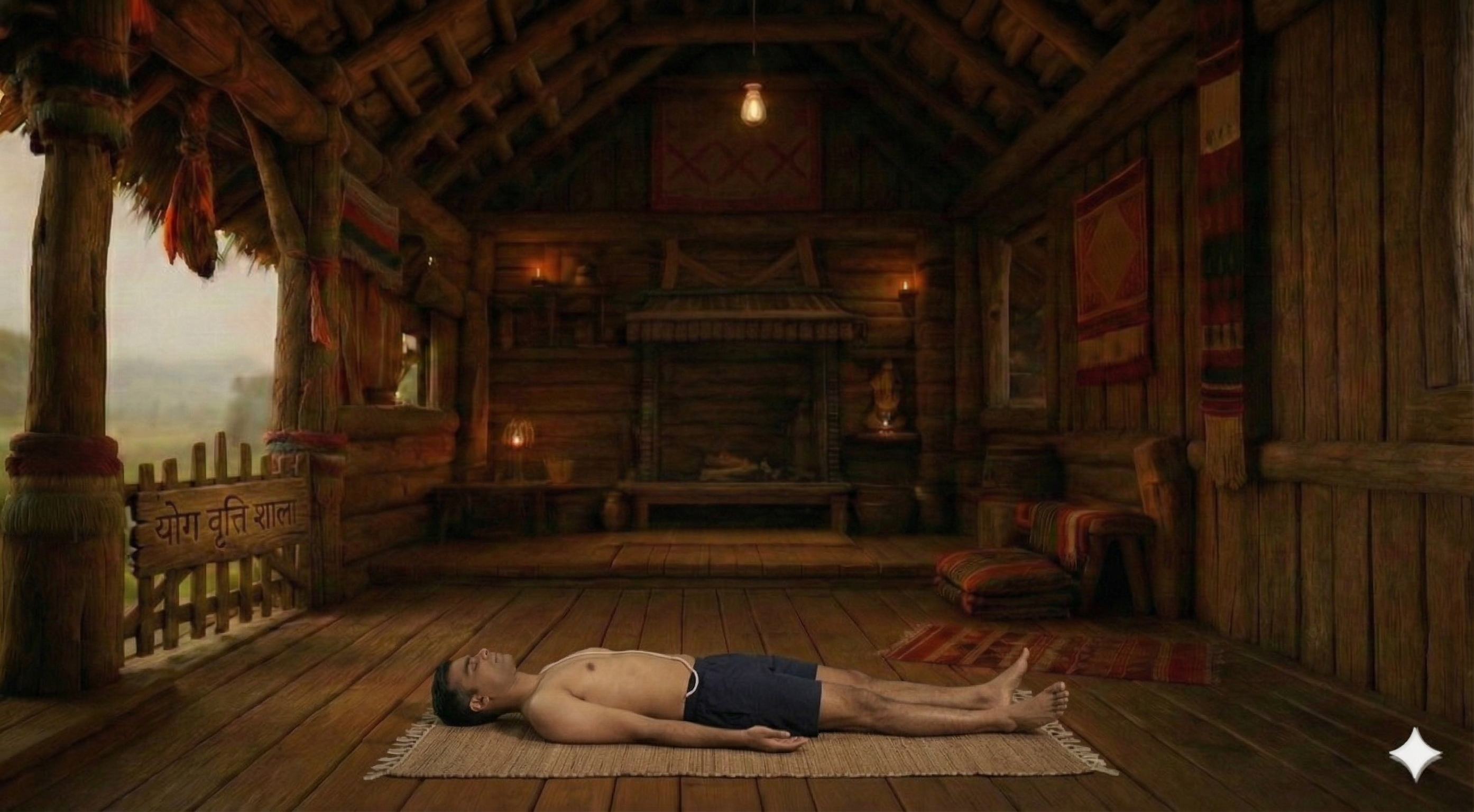
How to Practice
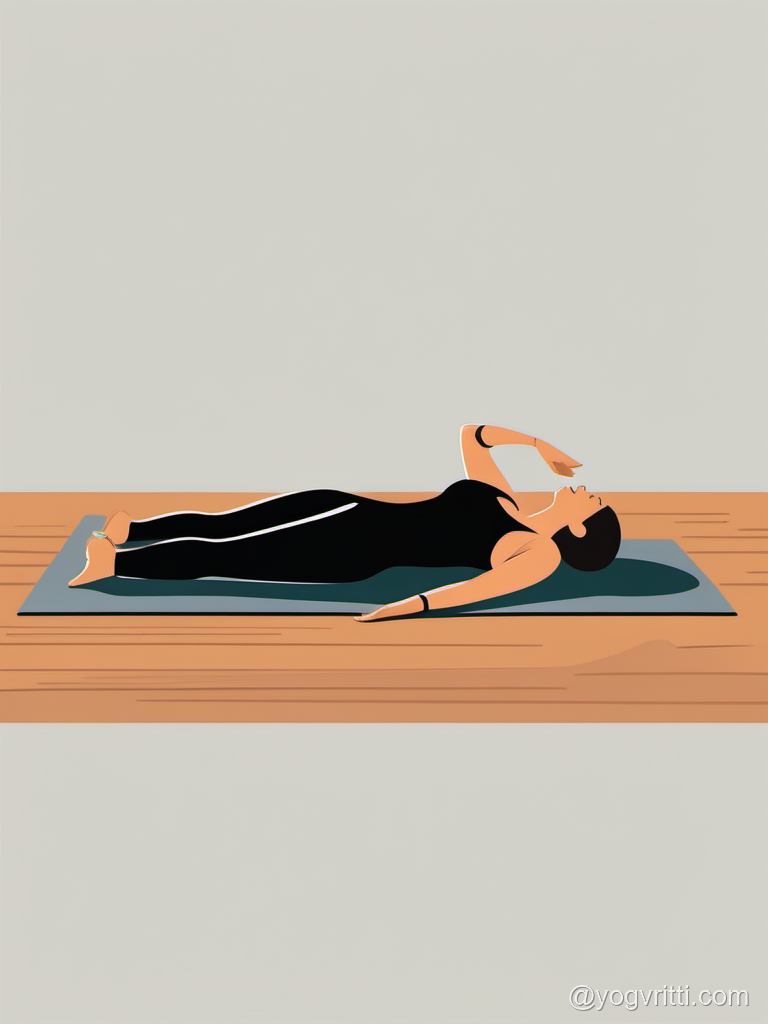
1. Begin in Vajrasana (Thunderbolt Pose), sitting on your heels with your knees bent.
2. Slowly lean backwards, supporting yourself with your hands, until you are lying on your back.
3. Ensure your knees remain together and your feet are close to your hips. Maintain the internal rotation of the thighs.
4. Place your arms alongside your body, palms facing down.
5. Inhale and lift your chest upwards, allowing your head to fall back. Engage the abdominal muscles to support the lower back.
7 more steps remaining
Register free to see the complete instructions
Register Free to ContinueAlready registered? Login
Frequently Asked Questions
Common questions about Supta Urdhva Pada Vajrasana
What is Supine Raised Leg Thunderbolt?
Supine Raised Leg Thunderbolt, also called Supine Leg Up Vajrasana is a classical yoga posture. Its Sanskrit name Supta Urdhva Pada Vajrasana translates word-for-word as: Supta (Reclining / Sleeping) · Urdhva (Upward) · Pada (Foot / Leg) · Vajrasana (Vajrasana). In this posture, the body releases into the support of the floor, allowing gravity to assist. The posture works to strengthen the quadriceps and stretch the hip flexors. Increases flexibility in the spine. Stretches the quadriceps and hip flexors. Suitable for advanced practitioners with developed body awareness, it is a meaningful addition to any practice. A blanket can be used to make the posture more accessible and support correct alignment. Practitioners with knee injury and migraine should approach with care or consult a qualified teacher.
What are the benefits of Supine Raised Leg Thunderbolt?
Strengthens the back muscles. Increases flexibility in the spine. Stretches the quadriceps and hip flexors. Improves digestion. Stimulates the abdominal organs.
Who should avoid Supine Raised Leg Thunderbolt?
Avoid this pose if you have: Severe back pain or injury, Knee injuries, High or low blood pressure, Migraines, Pregnancy.
How many steps are in Supine Raised Leg Thunderbolt?
Supine Raised Leg Thunderbolt is practiced in 12 steps. Begin in Vajrasana (Thunderbolt Pose), sitting on your heels with your knees bent.
Is Supine Raised Leg Thunderbolt suitable for beginners?
Supine Raised Leg Thunderbolt is an advanced-level pose. Beginners should practice with props or under guidance.
What props are needed for Supine Raised Leg Thunderbolt?
You may use: blanket. Props make the pose more accessible and comfortable.
What poses should I do before Supine Raised Leg Thunderbolt?
Prepare with: Supta Tadasana, Supta Padangusthasana I, Supta Padangusthasana II. These warm up the relevant muscles and joints.
Related Poses
Similar poses you might enjoy
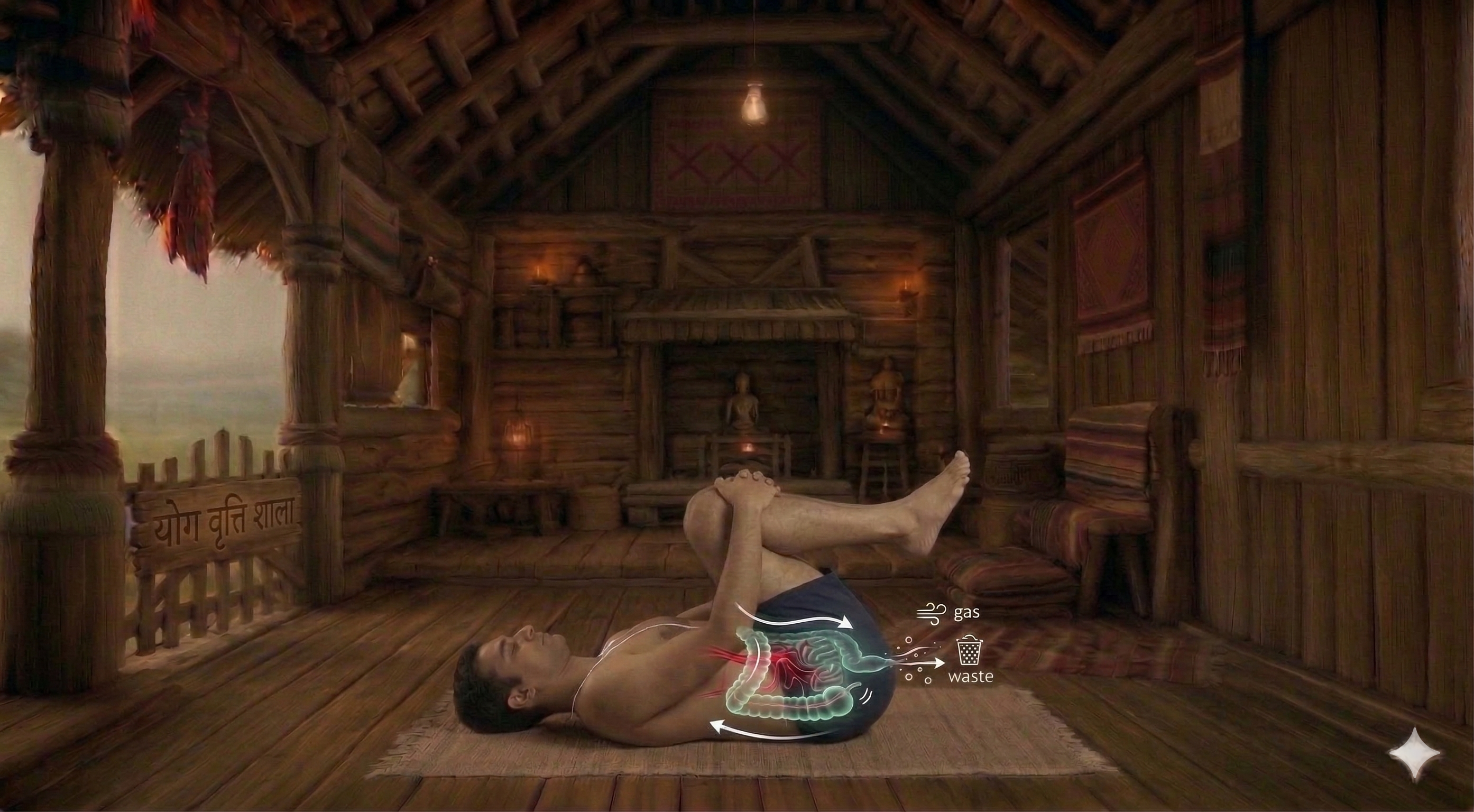
Build Your Own Sequence
Combine Supta Urdhva Pada Vajrasana with other poses