Variations (1)
Wheel Pose II
Urdhva Dhanurasana II · ऊर्ध्व धनुरासन II
Also known as: Urdhva Dhanurasana II
Wheel Pose II, also called Urdhva Dhanurasana II is a classical yoga posture. Its Sanskrit name Urdhva Dhanurasana II translates word-for-word as: Urdhva (Upward) · Dhanu (Bow) · Asana (Pose). In this posture, the body opens the chest and stretches the entire front body. The posture works to lengthen the hamstrings and strengthen the quadriceps. Stretches the chest, lungs, and shoulders. Increases energy and counteracts depression. It is particularly valued for building full-body strength and developing greater flexibility. Suitable for advanced practitioners with developed body awareness, it is a meaningful addition to any practice, particularly beneficial for athletes. A wall and block can be used to make the posture more accessible and support correct alignment. Practitioners with spinal injury and neck pain should approach with care or consult a qualified teacher.
Anatomy Involved
Benefits
- Strengthens arms, wrists, legs, buttocks, abdomen, and spine
- Stretches the chest, lungs, and shoulders
- Increases energy and counteracts depression
- Stimulates the thyroid and pituitary glands
- Improves flexibility of the spine and hip flexors
- Full anatomical benefits — muscles, joints, organs →
Avoid If
Wrist Injury / Carpal Tunnel
Weight-bearing or extended wrist positions can compress the median nerve and aggravate inflamed tendons, worsening pain and causing numbness.
Avoid full weight on extended wrists; use fists, forearms, or a wedge to keep the wrist in a neutral position.
Low Blood Pressure
Rising quickly from low positions can cause a sudden drop in blood pressure, leading to dizziness or fainting.
Move slowly between positions, keep eyes open, and rest against a wall if dizziness arises.
Heart Conditions
Vigorous effort and inverted positions increase cardiac demand and blood pressure; extra caution is essential with heart disease.
Keep the backbend mild and the breath smooth; lie on a bolster for a passive, gentle chest opener.
Headache / Migraine
Physical exertion, inversions, and strong breath work can intensify an existing headache or trigger a migraine.
Avoid inversions and strong pranayama; rest in a supported, restorative posture with a cool cloth on the forehead.
Props That Can Help
Optional supports — use when helpful, not required
Wall
Use the wall to support the feet or back in deep backbends, allowing the chest and spine to open without the risk of falling.
Yoga Block
Rest the hands on blocks to begin opening the chest and shoulders before progressing toward full hand-to-floor contact.
Yoga Strap
Loop a strap around the ankles in prone backbends to close the gap between hands and feet, protecting the lower back from excessive compression.
Common Mistakes to Avoid
Teaching Cues
For yoga teachers — verbal cues to guide students
5 cues
Teaching Cues
For yoga teachers — verbal cues to guide students
- 1Initiate the backbend from the thoracic spine, not the lumbar
- 2Lift the sternum toward the ceiling
- 3Keep the gluteal muscles engaged to protect the lower back
- 4Broaden across the collarbones
- 5Maintain length in the back of the neck — do not drop the head back
Pose Details
Helps With
Pose Type
Body Focus
Focus Areas
Best For
Yoga Styles
When to Practice
Position
Modify If You Have
wrist injury
Place hands on blocks against a wall to reduce wrist angle, or avoid the pose.
shoulder injury
Use a strap around the upper arms to keep them shoulder-width apart and prevent outward rotation.
back pain
Perform preparatory backbends like Setu Bandhasana (Bridge Pose) with support, avoid full Urdhva Dhanurasana II.
Target Areas
Practice Flow
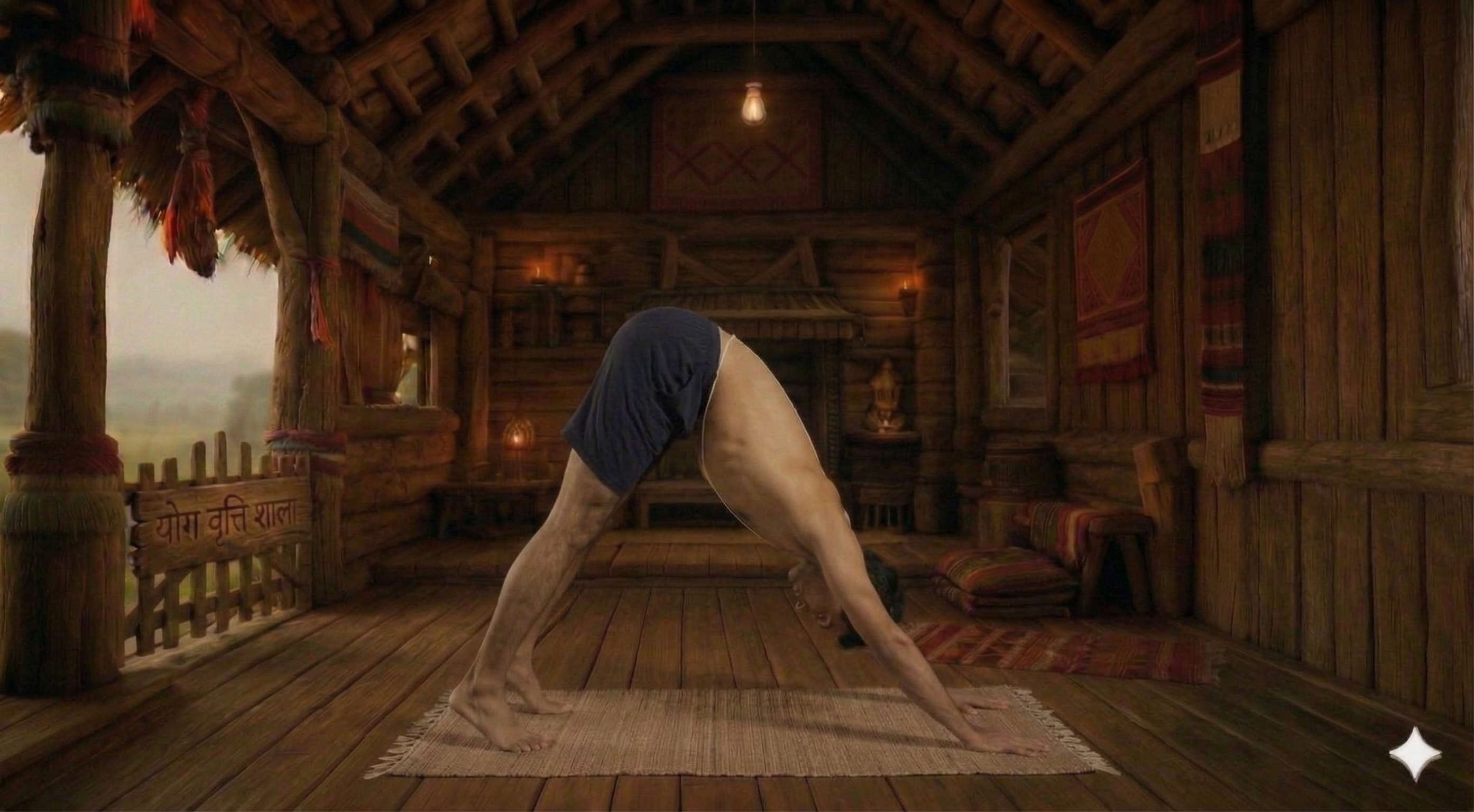
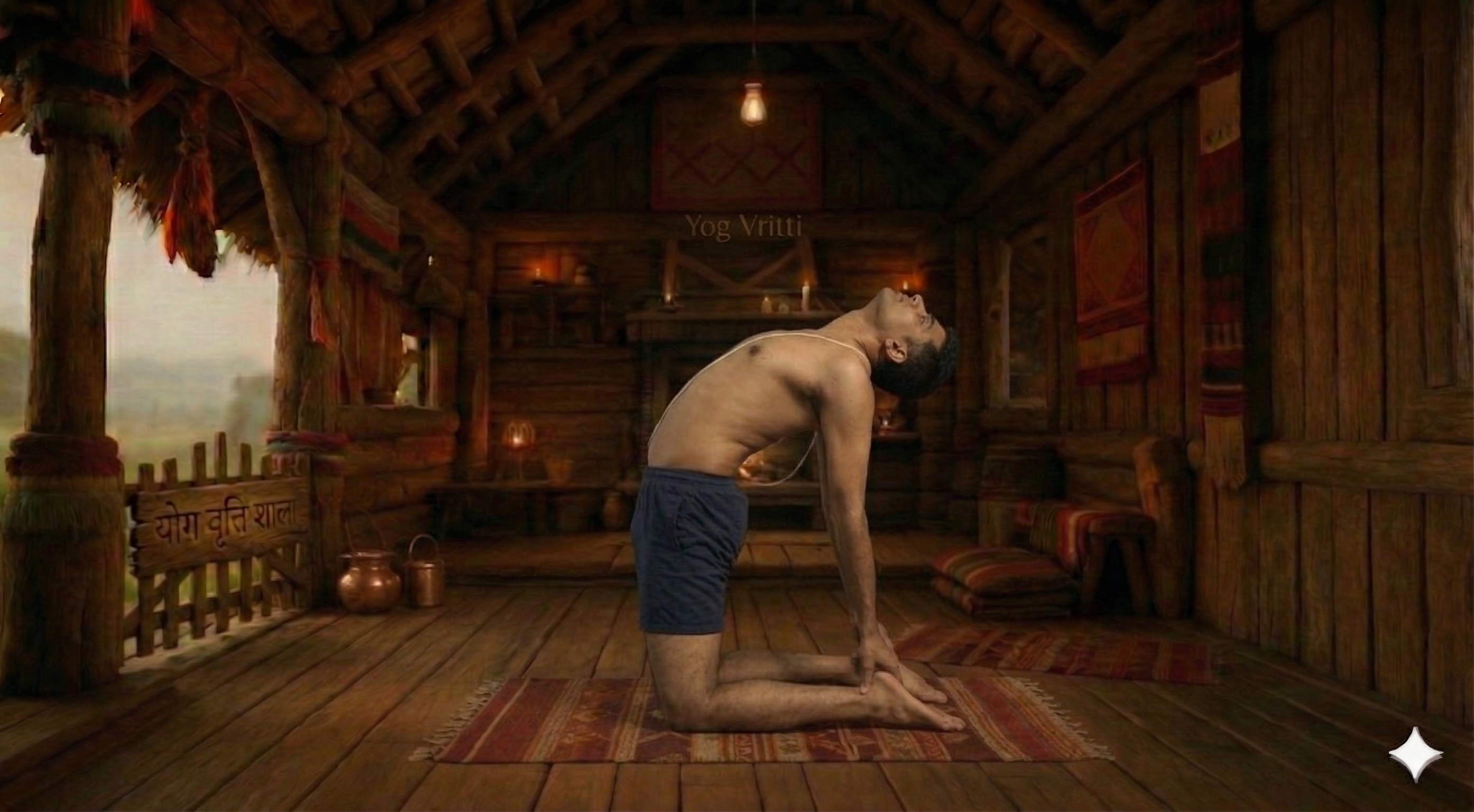

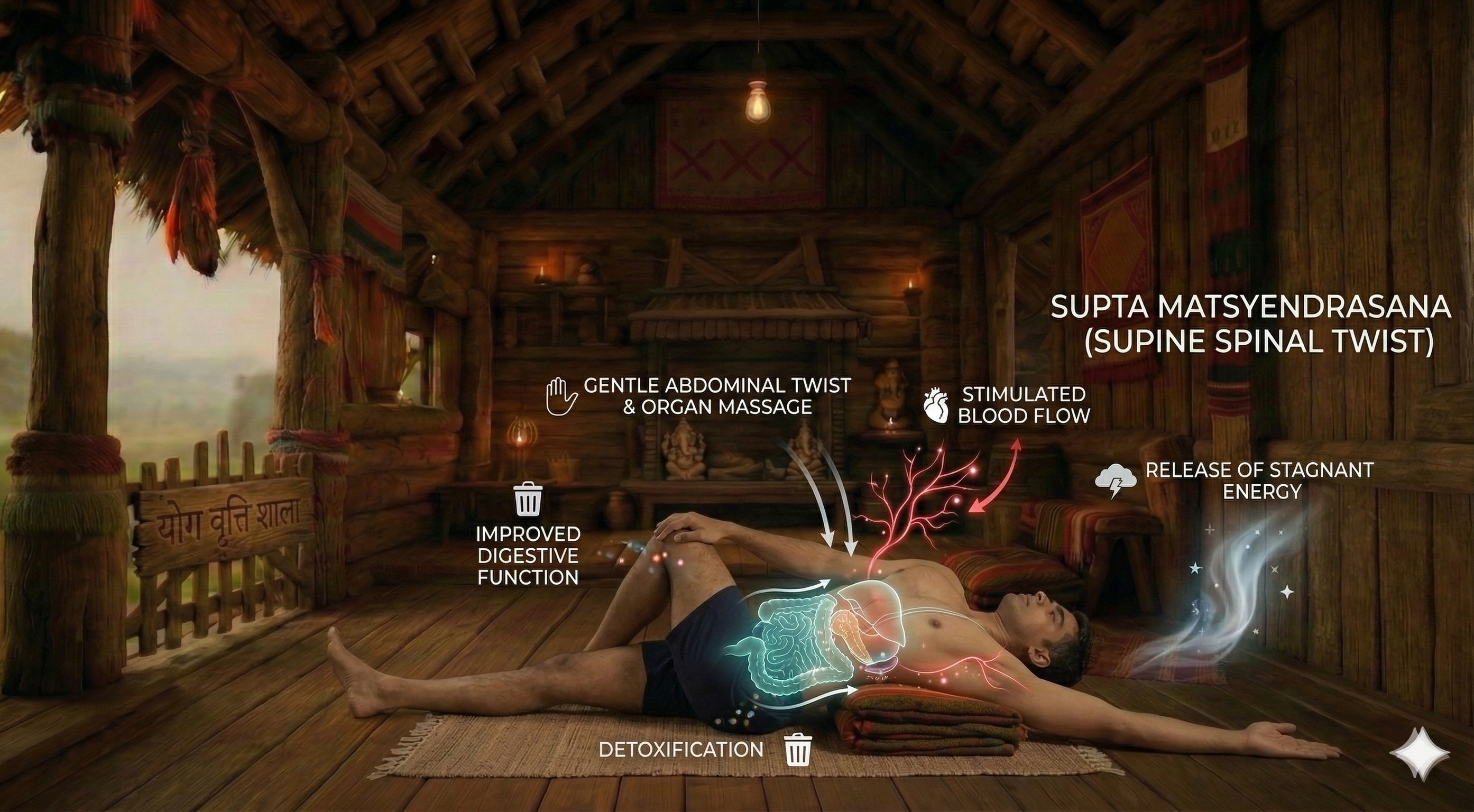
How to Practice
1. Lie on your back with knees bent and feet flat on the floor, hip-width apart and parallel, close to your buttocks.
2. Place your hands beside your ears with fingers pointing towards your shoulders, palms flat on the floor.
3. Inhale and press into your feet and hands, lifting your hips off the floor. Lift your head off the floor and gently rest the crown of your head on the mat.
4. Inhale again and press firmly through your hands and feet to lift your torso completely off the floor, straightening your arms fully. Draw your elbows in towards each other.
5. Lift your head entirely off the floor, allowing the neck to be long and relaxed. Gaze towards your hands.
6 more steps remaining
Register free to see the complete instructions
Register Free to ContinueAlready registered? Login
Frequently Asked Questions
Common questions about Urdhva Dhanurasana II
What is Wheel Pose II?
Wheel Pose II, also called Urdhva Dhanurasana II is a classical yoga posture. Its Sanskrit name Urdhva Dhanurasana II translates word-for-word as: Urdhva (Upward) · Dhanu (Bow) · Asana (Pose). In this posture, the body opens the chest and stretches the entire front body. The posture works to lengthen the hamstrings and strengthen the quadriceps. Stretches the chest, lungs, and shoulders. Increases energy and counteracts depression. It is particularly valued for building full-body strength and developing greater flexibility. Suitable for advanced practitioners with developed body awareness, it is a meaningful addition to any practice, particularly beneficial for athletes. A wall and block can be used to make the posture more accessible and support correct alignment. Practitioners with spinal injury and neck pain should approach with care or consult a qualified teacher.
What are the benefits of Wheel Pose II?
Strengthens arms, wrists, legs, buttocks, abdomen, and spine. Stretches the chest, lungs, and shoulders. Increases energy and counteracts depression. Stimulates the thyroid and pituitary glands. Improves flexibility of the spine and hip flexors. Prepares the body for deeper backbends.
Who should avoid Wheel Pose II?
Avoid this pose if you have: Severe back, neck, or wrist injuries, High or low blood pressure, Heart problems, Carpal tunnel syndrome, Headache or migraine, Pregnancy.
How many steps are in Wheel Pose II?
Wheel Pose II is practiced in 11 steps. Lie on your back with knees bent and feet flat on the floor, hip-width apart and parallel, close to your buttocks.
Is Wheel Pose II suitable for beginners?
Wheel Pose II is an advanced-level pose. Beginners should practice with props or under guidance.
What props are needed for Wheel Pose II?
You may use: wall, block, strap. Props make the pose more accessible and comfortable.
What conditions does Wheel Pose II help with?
Wheel Pose II is therapeutic for: strength, flexibility, posture correction, depression.
What poses should I do before Wheel Pose II?
Prepare with: Adho Mukha Svanasana, Upward-Facing Dog Pose, Setu Bandhasana, Camel Pose. These warm up the relevant muscles and joints.
Build Your Own Sequence
Combine Urdhva Dhanurasana II with other poses