Tree Pose Arms Overhead
Vrksasana Variation with arms overhead · वृक्षासन ऊर्ध्व हस्तासन
Also known as: Tree Pose Raised Arms
Tree Pose Arms Overhead, also called Tree Pose Raised Arms is a classical yoga posture. Its Sanskrit name Vrksasana Variation with arms overhead translates word-for-word as: Vrksasana (Vrksasana) · Urdhva (Upward) · Hastasana (Hastasana) · Asana (Pose). From a standing position, the body roots firmly through the feet while the spine extends upward. The posture works to strengthen the quadriceps, activate the glutes and engage the core. Strengthens the legs and core. Opens the hips and shoulders. It is particularly valued for improving overall posture and building full-body strength. Suitable for intermediate practitioners with foundational yoga experience, it is a meaningful addition to any practice. Practitioners with ankle injury and knee injury should approach with care or consult a qualified teacher.
Anatomy Involved
Benefits
- Improves balance and stability
- Strengthens the legs and core
- Opens the hips and shoulders
- Calms the mind and reduces stress
- Enhances focus and concentration
- Full anatomical benefits — muscles, joints, organs →
Avoid If
Knee Injury
Deep flexion or rotation at the knee can strain ligaments, meniscus, or cartilage, especially in a compromised joint.
Do not allow the knee to travel beyond the ankle; keep weight evenly distributed and use a block under the hand for support.
Hip Injury
Deep hip flexion, external rotation, or weight-bearing can aggravate labral tears, impingement, or bursitis.
Do not force the hip into deep external rotation; keep the foot turned out only as far as is pain-free.
Headache / Migraine
Physical exertion, inversions, and strong breath work can intensify an existing headache or trigger a migraine.
Keep effort minimal, breathe slowly, and skip any vigorous transitions.
Insomnia
Stimulating pranayama and energising poses can activate the sympathetic nervous system, making sleep harder if practised late in the day.
Practise calming, exhalation-focused breath work; avoid stimulating postures or pranayama close to bedtime.
Common Mistakes to Avoid
Teaching Cues
For yoga teachers — verbal cues to guide students
6 cues
Teaching Cues
For yoga teachers — verbal cues to guide students
- 1Ground firmly through all four corners of both feet
- 2Engage the quadriceps by lifting the kneecaps
- 3Lengthen the spine from the tailbone to the crown of the head
- 4Draw the shoulder blades down and back
- 5Maintain steady, even breathing throughout
- 6Fix the gaze on a steady point (drishti) for balance
Pose Details
Helps With
Pose Type
Body Focus
Focus Areas
Yoga Styles
When to Practice
Position
Modify If You Have
vertigo
Use wall support, keep gaze steady.
shoulder injury
Keep hands at heart center or on hips.
pregnancy
Use wall support, avoid pressing foot too high on inner thigh.
low blood pressure
Use wall support.
Target Areas
Practice Flow

How to Practice
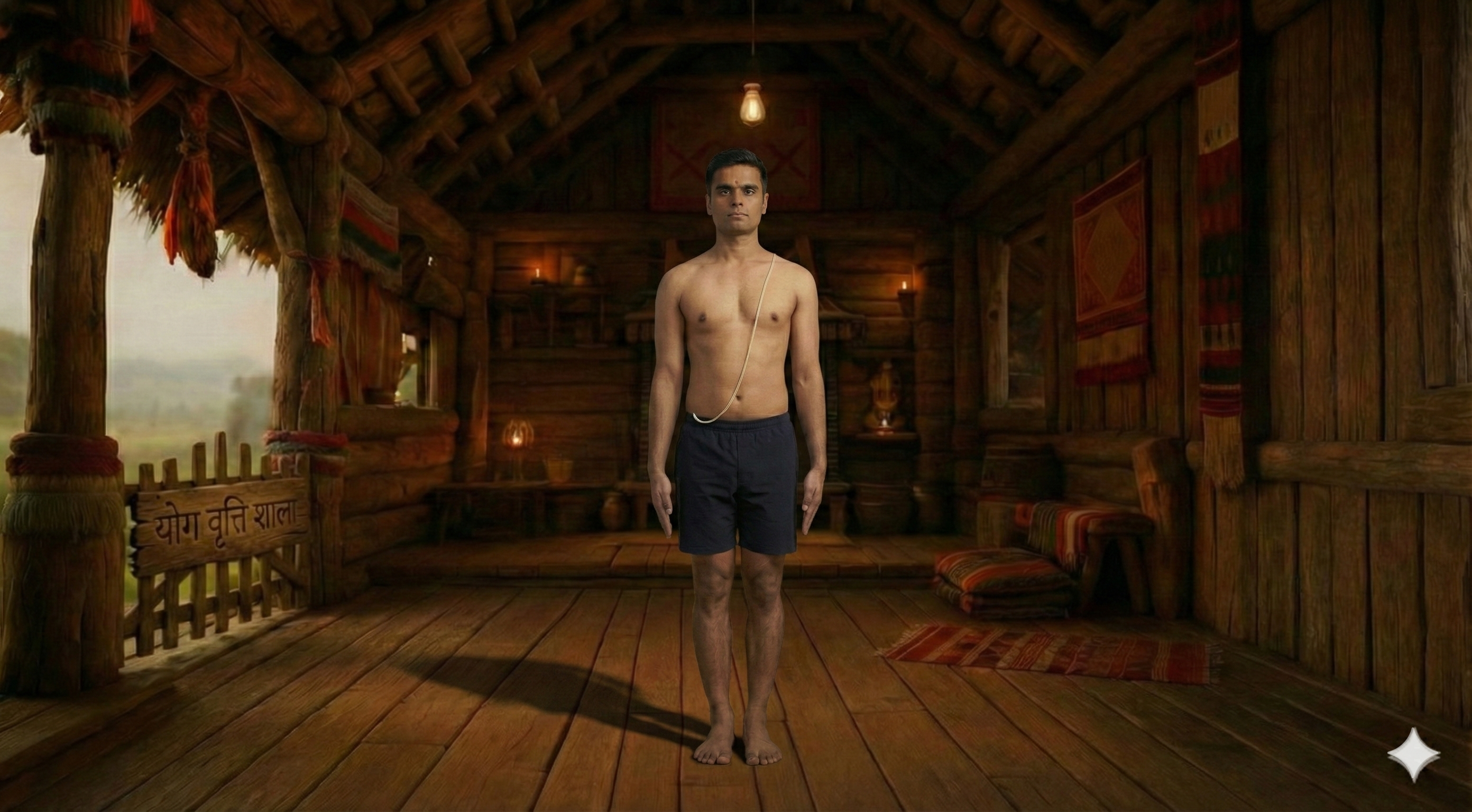
1. Begin in Tadasana (Mountain Pose).
2. Firmly ground your right foot, engaging the quadriceps and gluteus muscles.
3. Place the sole of your left foot on your inner right thigh, avoiding the knee. Ensure your left knee is pointing outwards.
4. Bring your hands together in Anjali Mudra (prayer position) at your chest.
5. Inhale and extend your arms overhead, either keeping the palms together or slightly apart. If possible interlace your fingers.
7 more steps remaining
Register free to see the complete instructions
Register Free to ContinueAlready registered? Login
Frequently Asked Questions
Common questions about Vrksasana Variation with arms overhead
What is Tree Pose Arms Overhead?
Tree Pose Arms Overhead, also called Tree Pose Raised Arms is a classical yoga posture. Its Sanskrit name Vrksasana Variation with arms overhead translates word-for-word as: Vrksasana (Vrksasana) · Urdhva (Upward) · Hastasana (Hastasana) · Asana (Pose). From a standing position, the body roots firmly through the feet while the spine extends upward. The posture works to strengthen the quadriceps, activate the glutes and engage the core. Strengthens the legs and core. Opens the hips and shoulders. It is particularly valued for improving overall posture and building full-body strength. Suitable for intermediate practitioners with foundational yoga experience, it is a meaningful addition to any practice. Practitioners with ankle injury and knee injury should approach with care or consult a qualified teacher.
What are the benefits of Tree Pose Arms Overhead?
Improves balance and stability. Strengthens the legs and core. Opens the hips and shoulders. Calms the mind and reduces stress. Enhances focus and concentration.
Who should avoid Tree Pose Arms Overhead?
Avoid this pose if you have: Ankle or knee injuries, Hip injuries, Headaches, Insomnia.
How many steps are in Tree Pose Arms Overhead?
Tree Pose Arms Overhead is practiced in 12 steps. Begin in Tadasana (Mountain Pose).
Is Tree Pose Arms Overhead suitable for beginners?
Tree Pose Arms Overhead is an intermediate-level pose. Beginners should practice with props or under guidance.
What conditions does Tree Pose Arms Overhead help with?
Tree Pose Arms Overhead is therapeutic for: posture correction, strength, flexibility, anxiety.
What poses should I do before Tree Pose Arms Overhead?
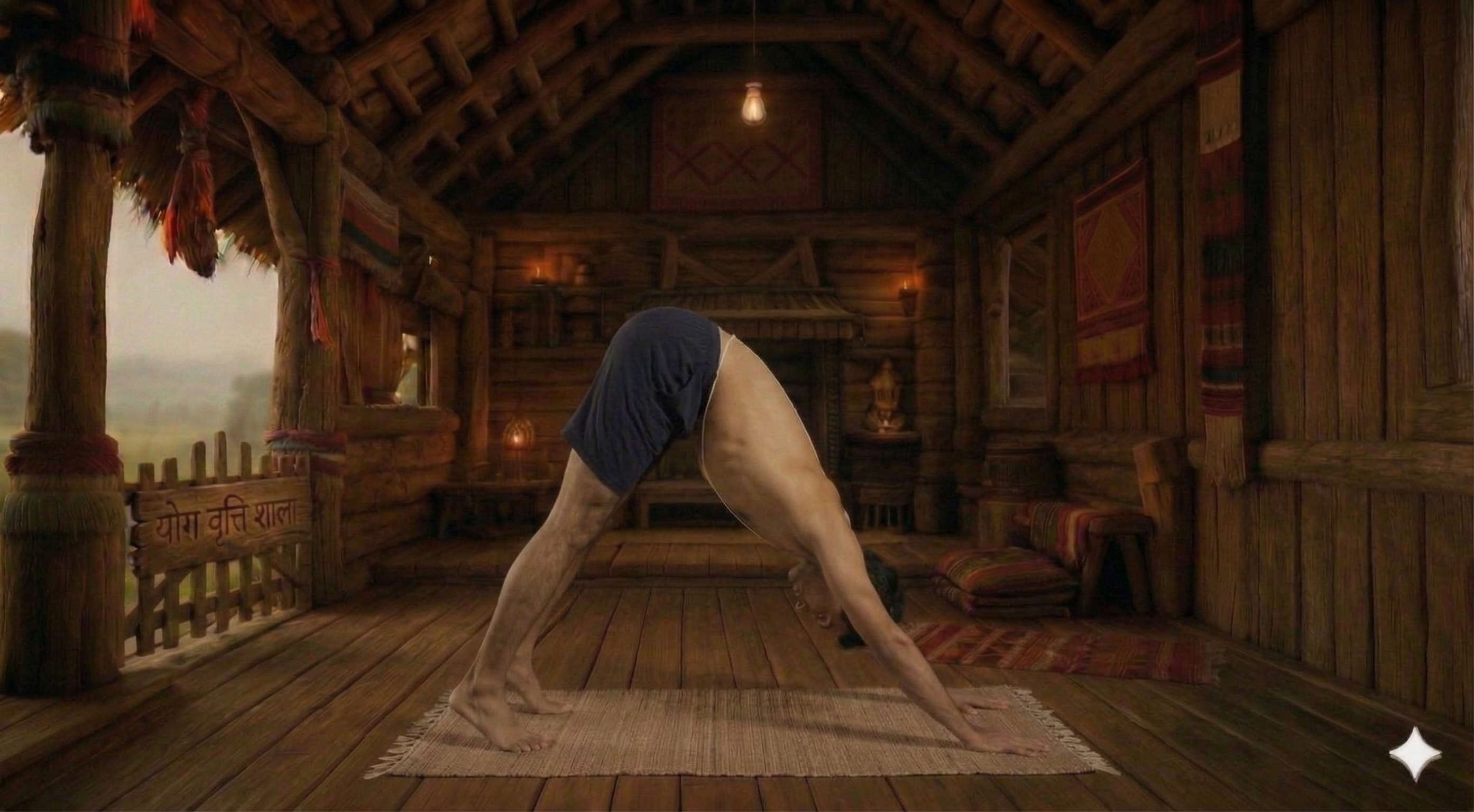
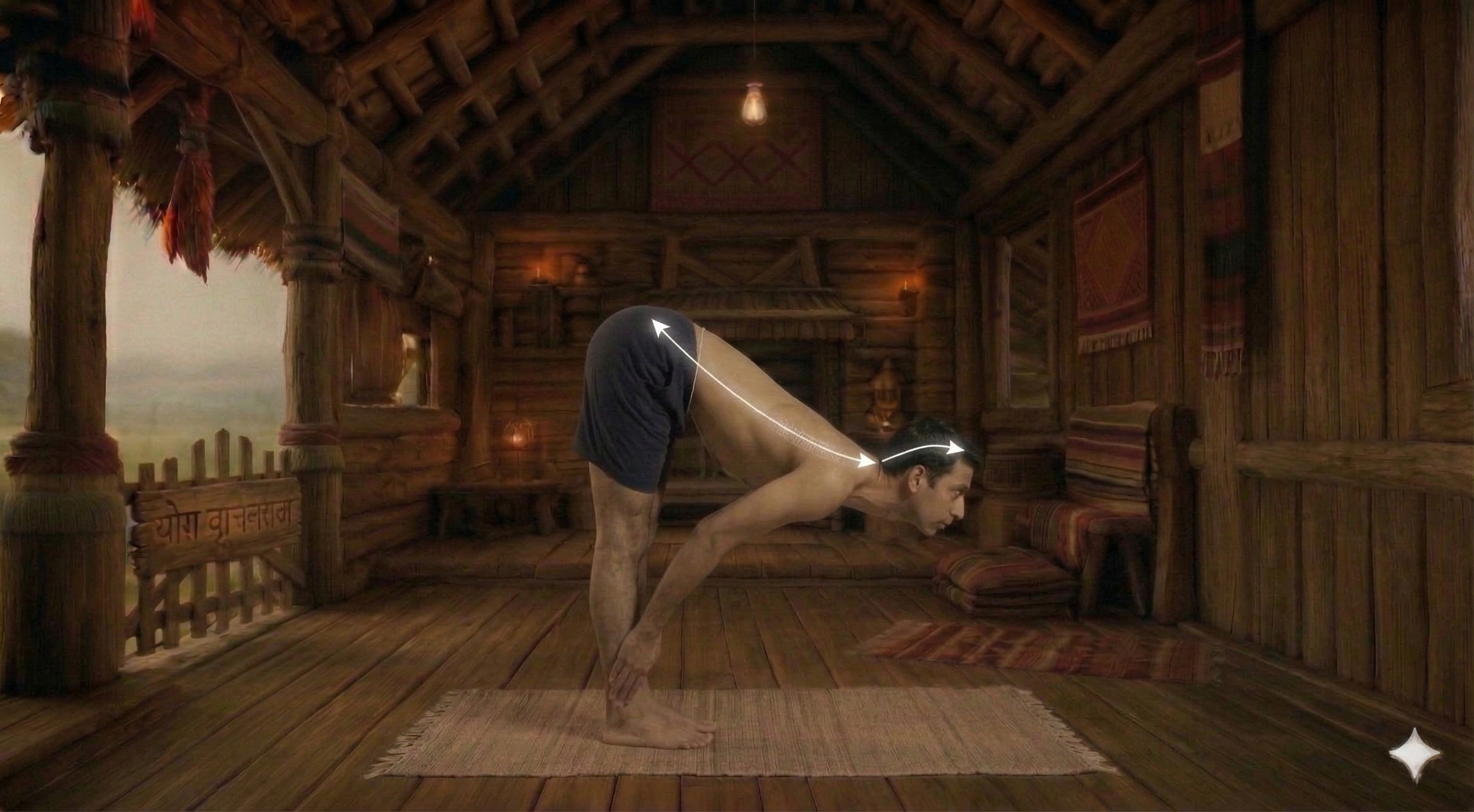
Prepare with: Tadasana, Adho Mukha Svanasana, Standing Forward Bend. These warm up the relevant muscles and joints.
Related Poses
Similar poses you might enjoy

Build Your Own Sequence
Combine Vrksasana Variation with arms overhead with other poses