Wall-Supported Quadriceps Stretch
Wall-Supported Quadriceps Stretch · दीवार-समर्थित क्वाड्रीसेप्स खिंचाव
Also known as: Wall Quad Stretch · Standing Quad Stretch at Wall
Wall-Supported Quadriceps Stretch, also called Wall Quad Stretch is a classical yoga posture in the Iyengar tradition. From a standing position, the body roots firmly through the feet while the spine extends upward. Deep quadriceps and hip flexor stretch. Wall provides consistent stretch intensity. Beneficial for athletes and runners. It is particularly valued for developing greater flexibility and alleviating back discomfort. Suitable for beginners and regular practitioners alike, it is a calming cool-down, particularly beneficial for beginners and seniors. A wall can be used to make the posture more accessible and support correct alignment. Practitioners with knee injury and hip injury should approach with care or consult a qualified teacher.
Anatomy Involved
Benefits
- Deep quadriceps and hip flexor stretch
- Wall provides consistent stretch intensity
- Beneficial for athletes and runners
- Counteracts effects of prolonged sitting
- Improves knee and hip flexibility
- Full anatomical benefits — muscles, joints, organs →
Avoid If
Knee Injury
Deep flexion or rotation at the knee can strain ligaments, meniscus, or cartilage, especially in a compromised joint.
Do not allow the knee to travel beyond the ankle; keep weight evenly distributed and use a block under the hand for support.
Hip Injury
Deep hip flexion, external rotation, or weight-bearing can aggravate labral tears, impingement, or bursitis.
Do not force the hip into deep external rotation; keep the foot turned out only as far as is pain-free.
Props That Can Help
Optional supports — use when helpful, not required
Wall
Standing with the back against the wall provides proprioceptive feedback, helping you understand what true alignment feels like in the pose.
Common Mistakes to Avoid
Teaching Cues
For yoga teachers — verbal cues to guide students
6 cues
Teaching Cues
For yoga teachers — verbal cues to guide students
- 1Ground firmly through all four corners of both feet
- 2Engage the quadriceps by lifting the kneecaps
- 3Lengthen the spine from the tailbone to the crown of the head
- 4Draw the shoulder blades down and back
- 5Maintain steady, even breathing throughout
- 6Allow the hip joints to open gradually — never force
Pose Details
Helps With
Pose Type
Body Focus
Focus Areas
Best For
Yoga Styles
When to Practice
Position
Modify If You Have
knee injury
Use generous padding under the knee and reduce depth of stretch.
hip injury
Reduce the depth of the stretch and use a chair for support.
ankle injury
Place a rolled towel under the ankle or avoid pressing the foot flat against the wall.
back pain
Use a chair for balance and ensure the back remains straight, avoiding excessive arching.
pregnancy
Use a chair for balance and avoid going too deep into the stretch.
Target Areas
Practice Flow
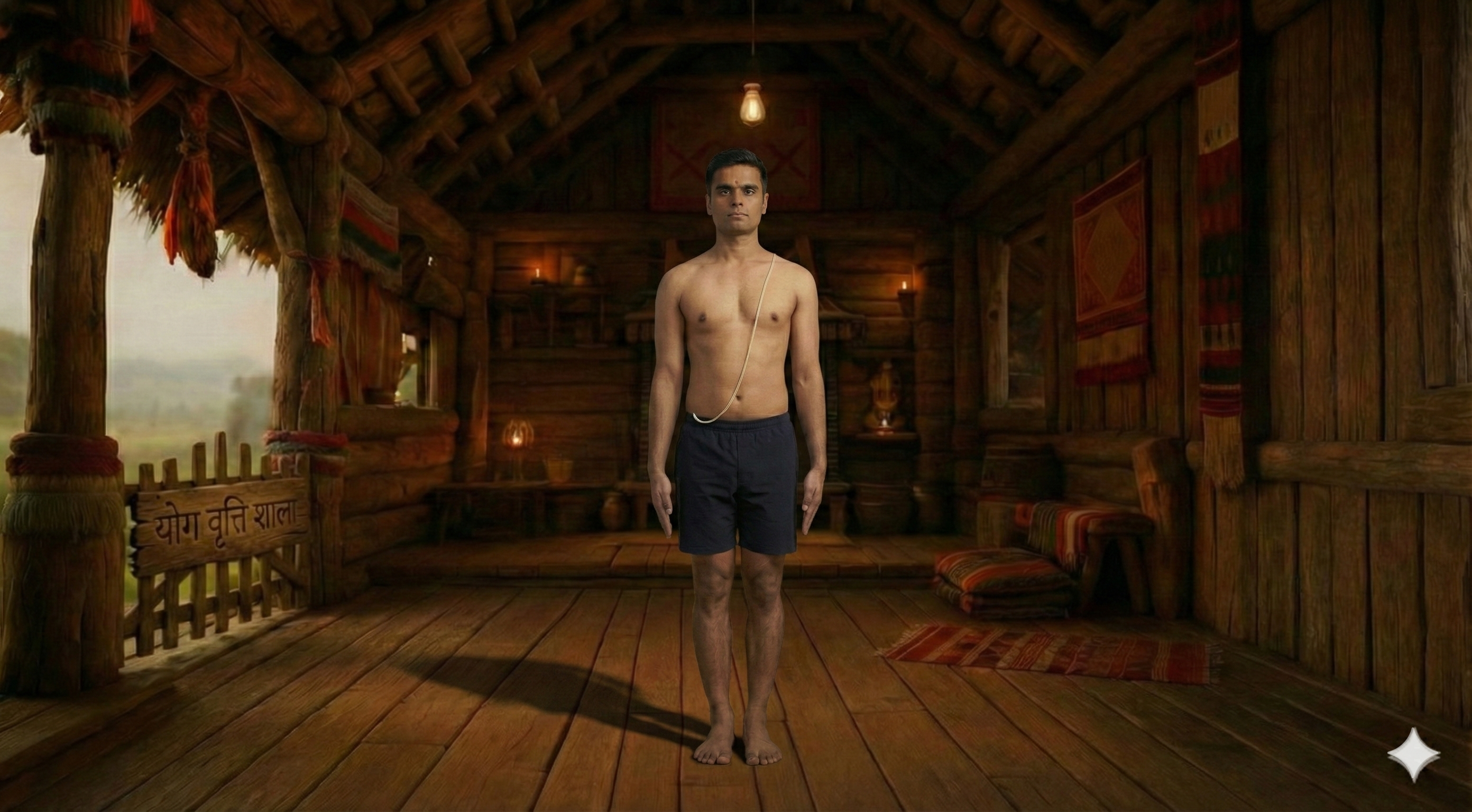

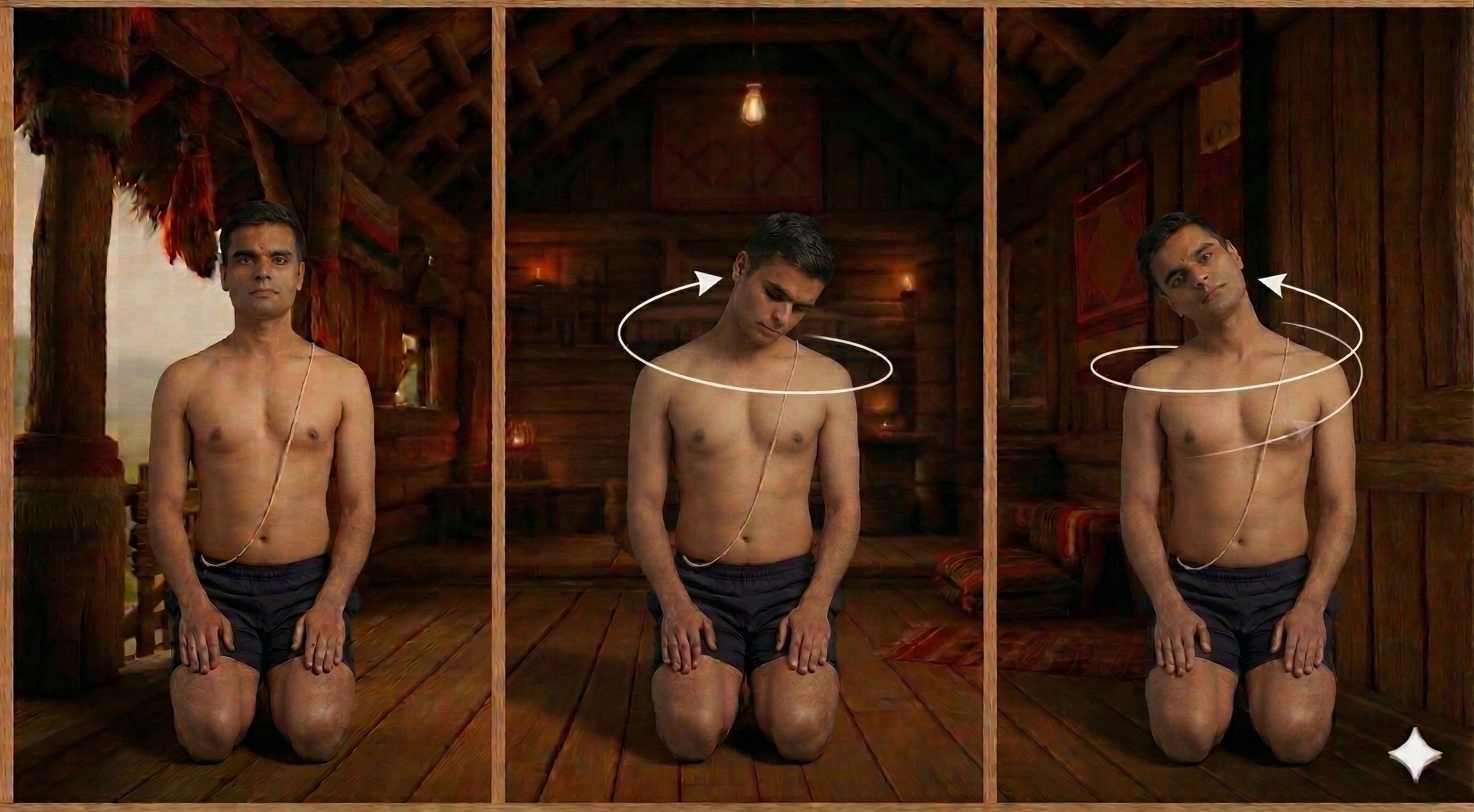

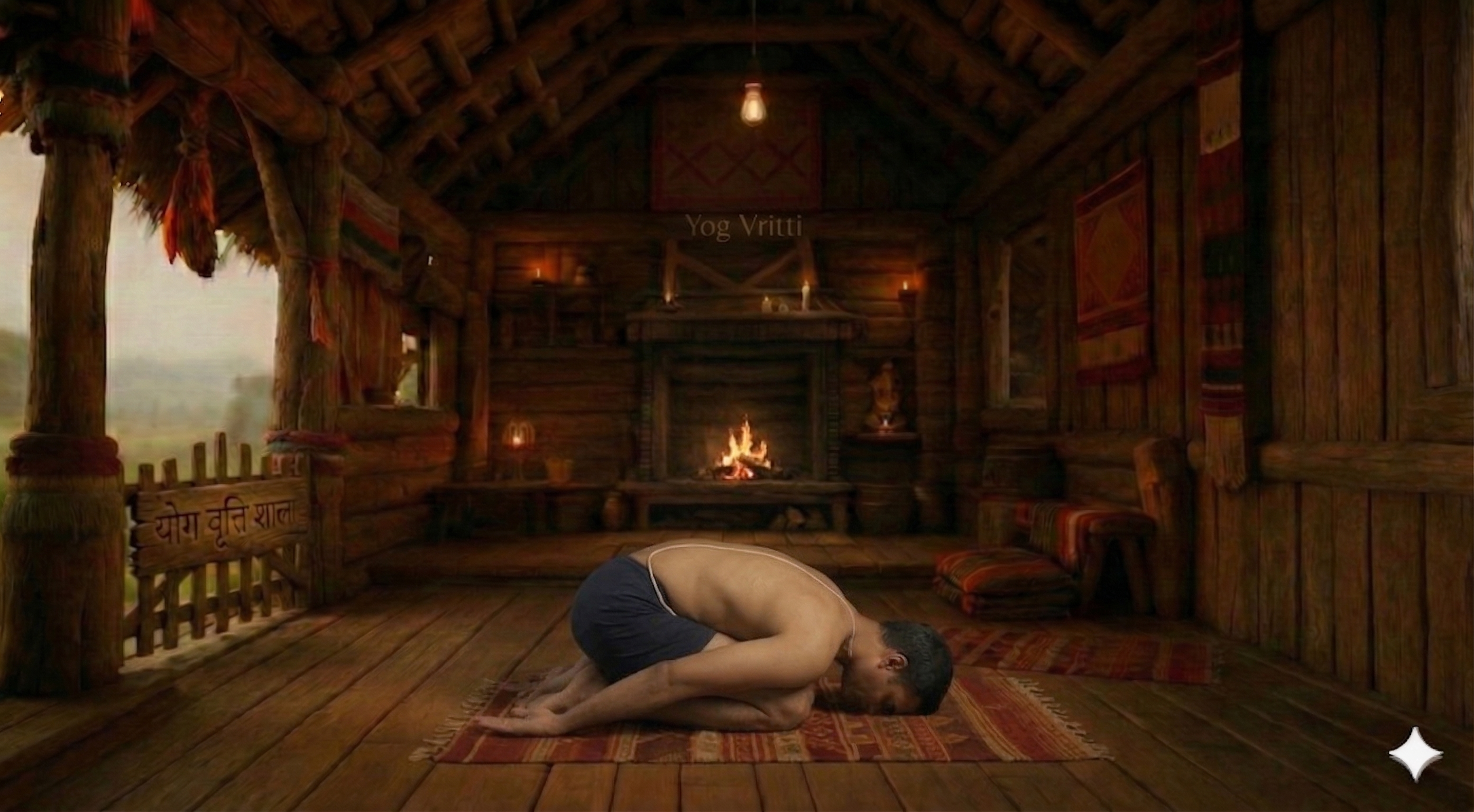
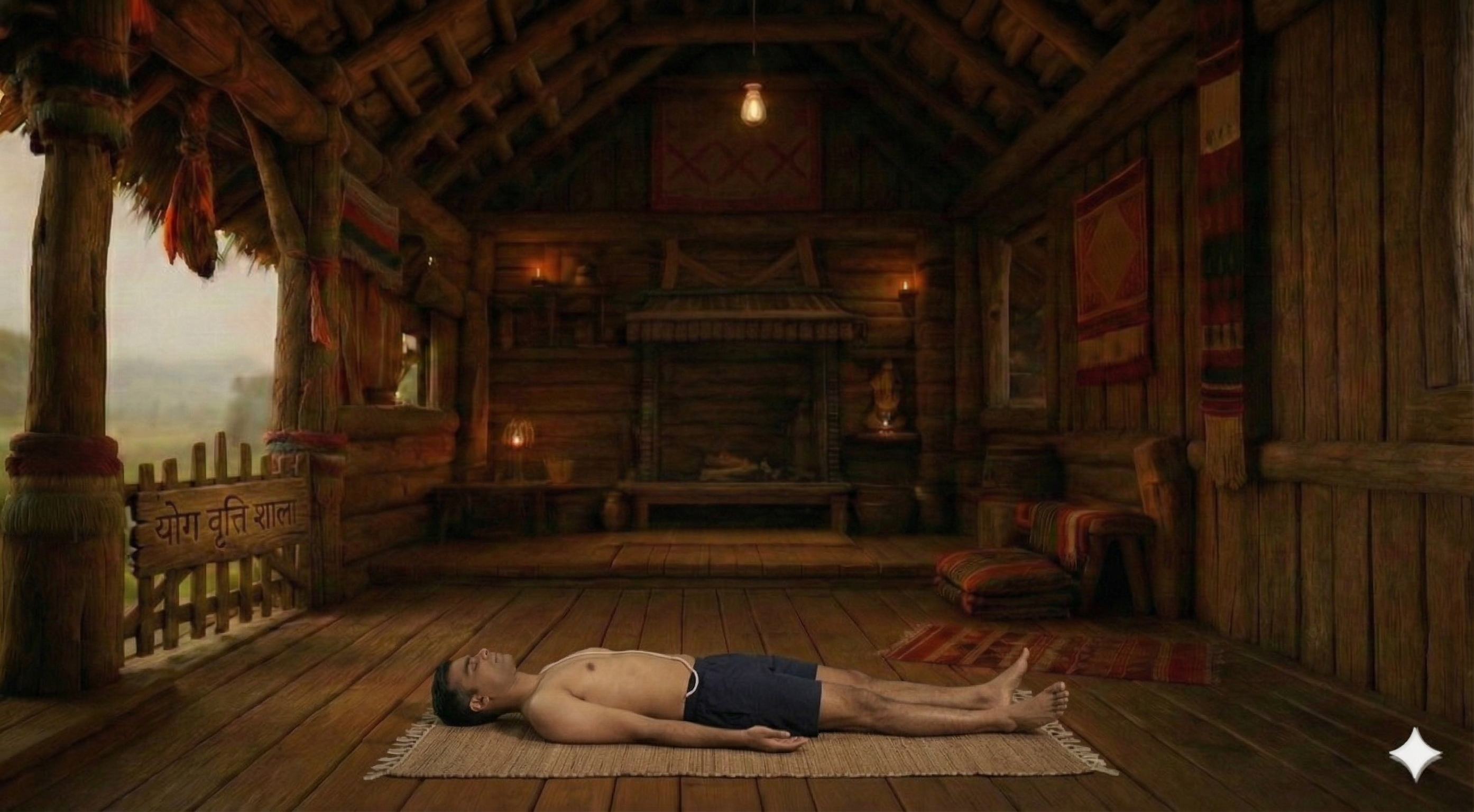
How to Practice
1. Stand next to a wall, facing sideways.
2. Hold onto the wall with your right hand for balance.
3. Bend your left knee and reach back with your left hand to grasp your left foot or ankle.
4. Gently pull your left heel towards your buttock, feeling a stretch in your quadriceps.
5. Keep your spine straight and avoid arching your lower back.
5 more steps remaining
Register free to see the complete instructions
Register Free to ContinueAlready registered? Login
Modifications
Adaptive versions for different needs
Gentle Wall-Supported Quadriceps Stretch
For: beginner
This gentle variation uses a strap around the ankle to assist in pulling the foot towards the buttock. The wall provides extra balance and support, allowing for a more accessible stretch for beginners with limited flexibility.
Featured in Sequences
Practice Wall-Supported Quadriceps Stretch as part of these guided sequences
Frequently Asked Questions
Common questions about Wall-Supported Quadriceps Stretch
What is Wall-Supported Quadriceps Stretch?
Wall-Supported Quadriceps Stretch, also called Wall Quad Stretch is a classical yoga posture in the Iyengar tradition. From a standing position, the body roots firmly through the feet while the spine extends upward. Deep quadriceps and hip flexor stretch. Wall provides consistent stretch intensity. Beneficial for athletes and runners. It is particularly valued for developing greater flexibility and alleviating back discomfort. Suitable for beginners and regular practitioners alike, it is a calming cool-down, particularly beneficial for beginners and seniors. A wall can be used to make the posture more accessible and support correct alignment. Practitioners with knee injury and hip injury should approach with care or consult a qualified teacher.
What are the benefits of Wall-Supported Quadriceps Stretch?
Deep quadriceps and hip flexor stretch. Wall provides consistent stretch intensity. Beneficial for athletes and runners. Counteracts effects of prolonged sitting. Improves knee and hip flexibility.
Who should avoid Wall-Supported Quadriceps Stretch?
Avoid this pose if you have: Acute knee injury, Severe hip pain, Recent quadriceps strain.
How many steps are in Wall-Supported Quadriceps Stretch?
Wall-Supported Quadriceps Stretch is practiced in 10 steps. Stand next to a wall, facing sideways.
Is Wall-Supported Quadriceps Stretch suitable for beginners?
Yes, Wall-Supported Quadriceps Stretch is a beginner-friendly pose suitable for all levels.
What props are needed for Wall-Supported Quadriceps Stretch?
You may use: wall. Props make the pose more accessible and comfortable.
What conditions does Wall-Supported Quadriceps Stretch help with?
Wall-Supported Quadriceps Stretch is therapeutic for: flexibility, back pain, knee injury, posture correction, hip injury.
What poses should I do before Wall-Supported Quadriceps Stretch?
Prepare with: Tadasana, Shoulder Rolls, Neck Rolls, Tadasana Variation: Heel Raises. These warm up the relevant muscles and joints.
Build Your Own Sequence
Combine Wall-Supported Quadriceps Stretch with other poses