Yoga Nidra
Yoga Nidra · योग निद्रा
Also known as: Yogic Sleep · Conscious Relaxation
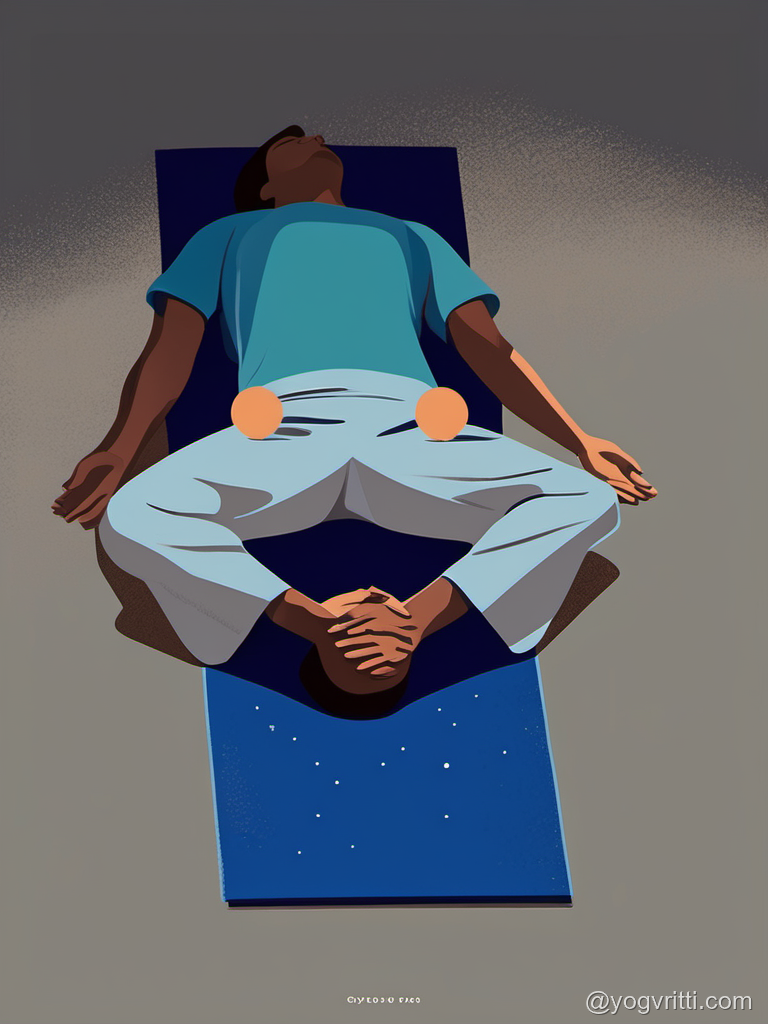
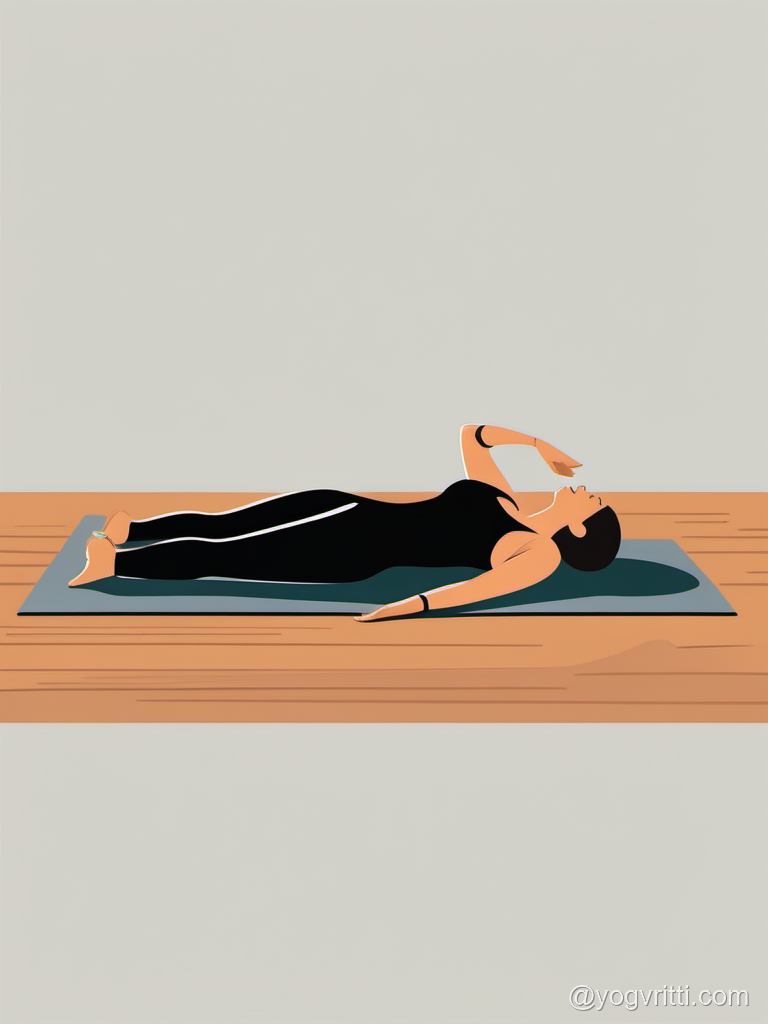
Yoga Nidra, also called Yogic Sleep is a classical yoga posture whose Sanskrit roots break down as: Yoga (Union) · Nidra (Sleep). In this posture, the body releases into the support of the floor, allowing gravity to assist. Deep relaxation without sleep. Reduces stress and anxiety. Improves sleep quality. It is particularly valued for supporting restful sleep and quieting an anxious mind. Suitable for beginners and regular practitioners alike, it is a meaningful addition to any practice, particularly beneficial for beginners and seniors. A blanket and bolster can be used to make the posture more accessible and support correct alignment.
Benefits
- Deep relaxation without sleep
- Reduces stress and anxiety
- Improves sleep quality
- Heals trauma
- Equivalent to hours of sleep
- Full anatomical benefits — muscles, joints, organs →
Avoid If
Epilepsy
Strong hyperventilation and certain pranayama can lower seizure threshold in individuals with epilepsy.
Avoid breath retention and hyperventilation techniques; practise only with a qualified teacher who is aware of your condition.
Props That Can Help
Optional supports — use when helpful, not required
Folded Blanket
A blanket under the head and neck maintains the natural cervical curve; under the knees, it relieves lower back tension in Savasana.
Bolster
A bolster under the thoracic spine opens the chest passively; under the knees, it releases the lower back — both are deeply restorative.
Common Mistakes to Avoid
Teaching Cues
For yoga teachers — verbal cues to guide students
6 cues
Teaching Cues
For yoga teachers — verbal cues to guide students
- 1Press the back of the head gently into the floor
- 2Keep the lower back in its natural curve
- 3Relax the shoulders away from the ears
- 4Soften the facial muscles and jaw
- 5Breathe deeply into the belly
- 6Surrender the weight of the body to the props and the floor
Pose Details
Helps With
Pose Type
Body Focus
Focus Areas
Best For
Yoga Styles
When to Practice
Position
Modify If You Have
back pain
Place a bolster under the knees.
Practice Flow
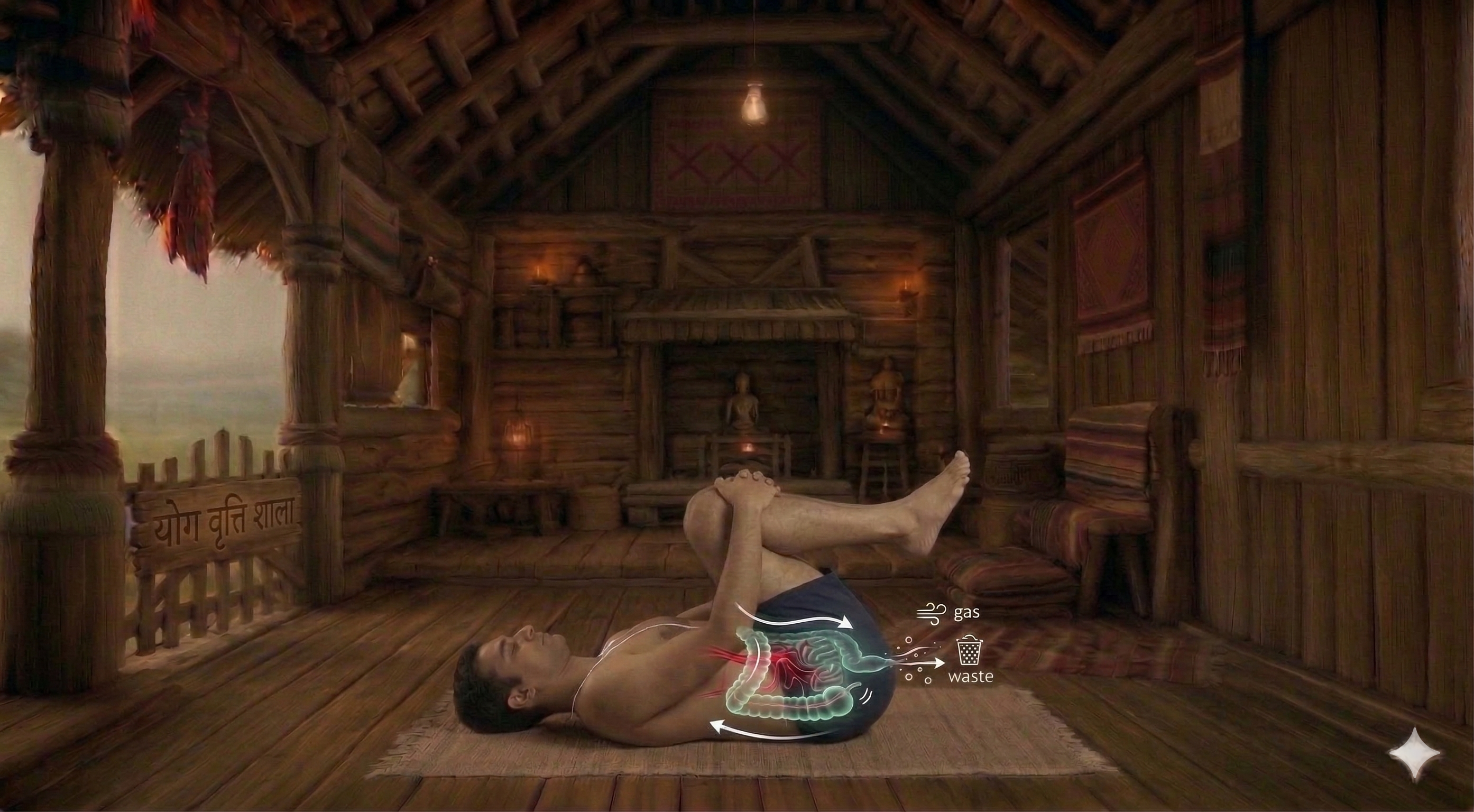

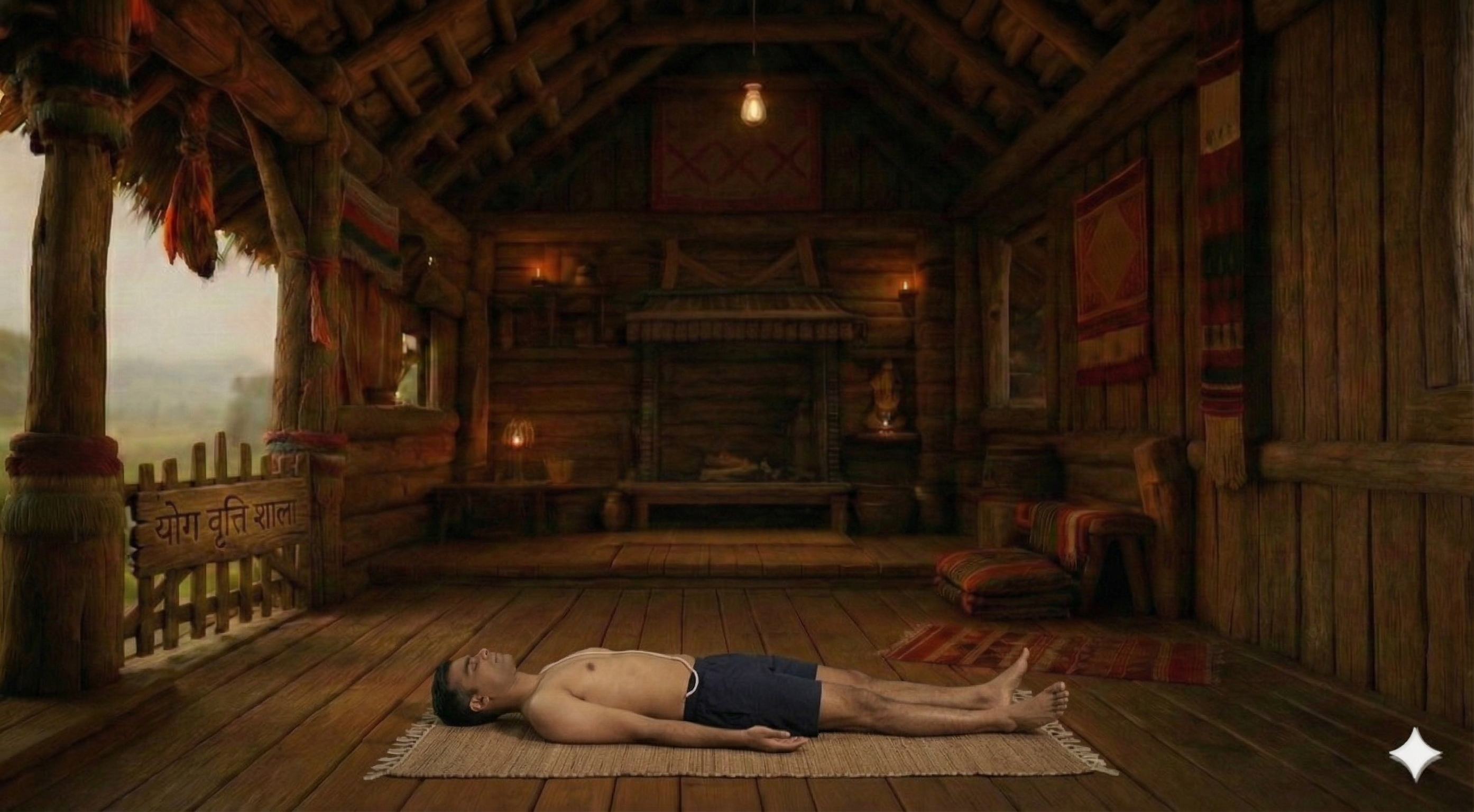
How to Practice
1. Lie in Savasana — back on floor, body relaxed.
2. Arms 30° from body, palms up.
3. Feet shoulder-width, toes falling outward.
4. Close the eyes.
5. Set a Sankalpa — a short resolve (mentally repeat 3 times).
5 more steps remaining
Register free to see the complete instructions
Register Free to ContinueAlready registered? Login
Frequently Asked Questions
Common questions about Yoga Nidra
What is Yoga Nidra?
Yoga Nidra, also called Yogic Sleep is a classical yoga posture whose Sanskrit roots break down as: Yoga (Union) · Nidra (Sleep). In this posture, the body releases into the support of the floor, allowing gravity to assist. Deep relaxation without sleep. Reduces stress and anxiety. Improves sleep quality. It is particularly valued for supporting restful sleep and quieting an anxious mind. Suitable for beginners and regular practitioners alike, it is a meaningful addition to any practice, particularly beneficial for beginners and seniors. A blanket and bolster can be used to make the posture more accessible and support correct alignment.
What are the benefits of Yoga Nidra?
Deep relaxation without sleep. Reduces stress and anxiety. Improves sleep quality. Heals trauma. Equivalent to hours of sleep. Accessible to everyone.
Who should avoid Yoga Nidra?
Avoid this pose if you have: Severe depression (may intensify — do with teacher), Epilepsy.
How many steps are in Yoga Nidra?
Yoga Nidra is practiced in 10 steps. Lie in Savasana — back on floor, body relaxed.
Is Yoga Nidra suitable for beginners?
Yes, Yoga Nidra is a beginner-friendly pose suitable for all levels.
What props are needed for Yoga Nidra?
You may use: blanket, bolster. Props make the pose more accessible and comfortable.
What conditions does Yoga Nidra help with?
Yoga Nidra is therapeutic for: insomnia, anxiety, depression, hypertension, back pain.
What poses should I do before Yoga Nidra?
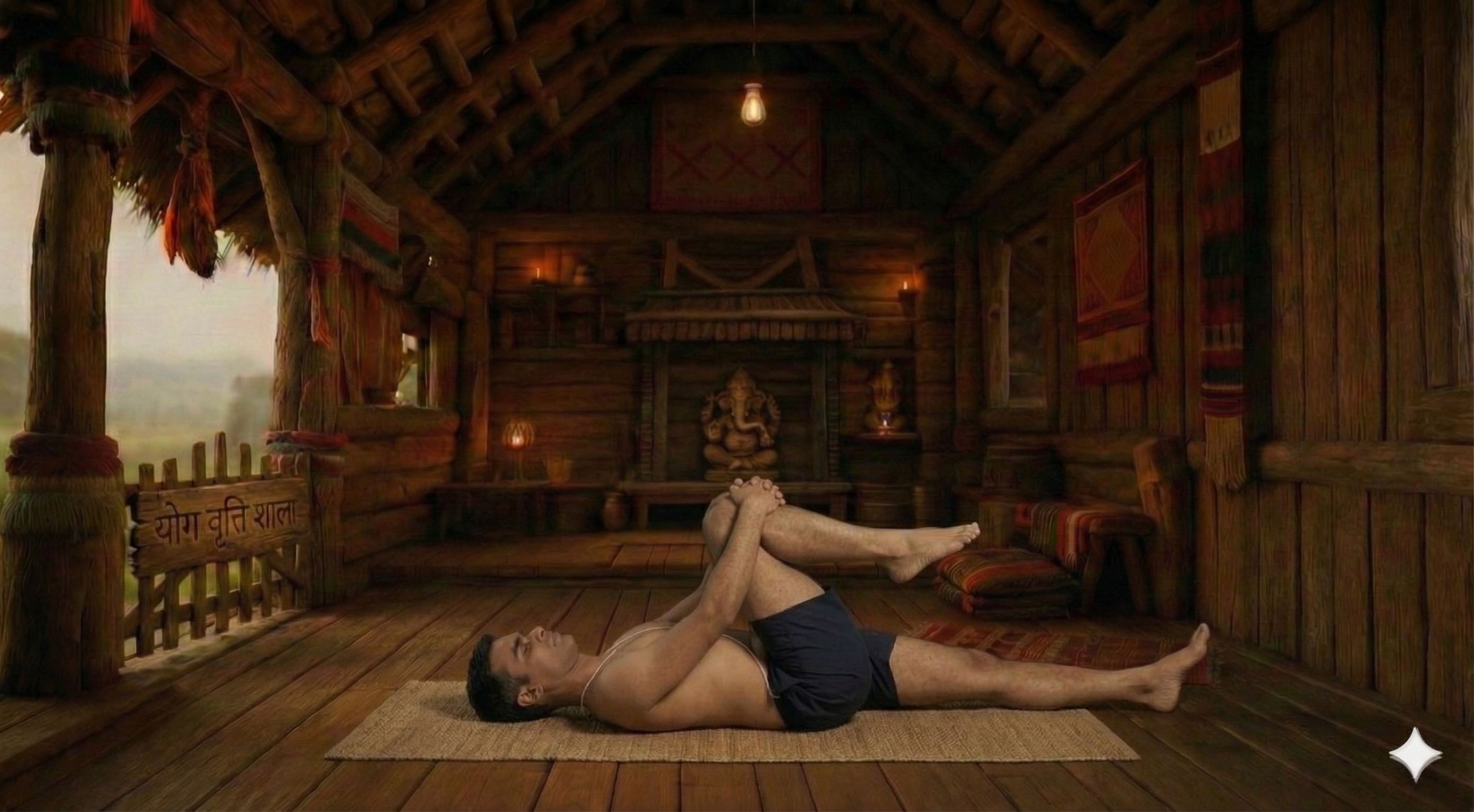
Prepare with: Supta Tadasana, Apanasana. These warm up the relevant muscles and joints.
Related Poses
Similar poses you might enjoy
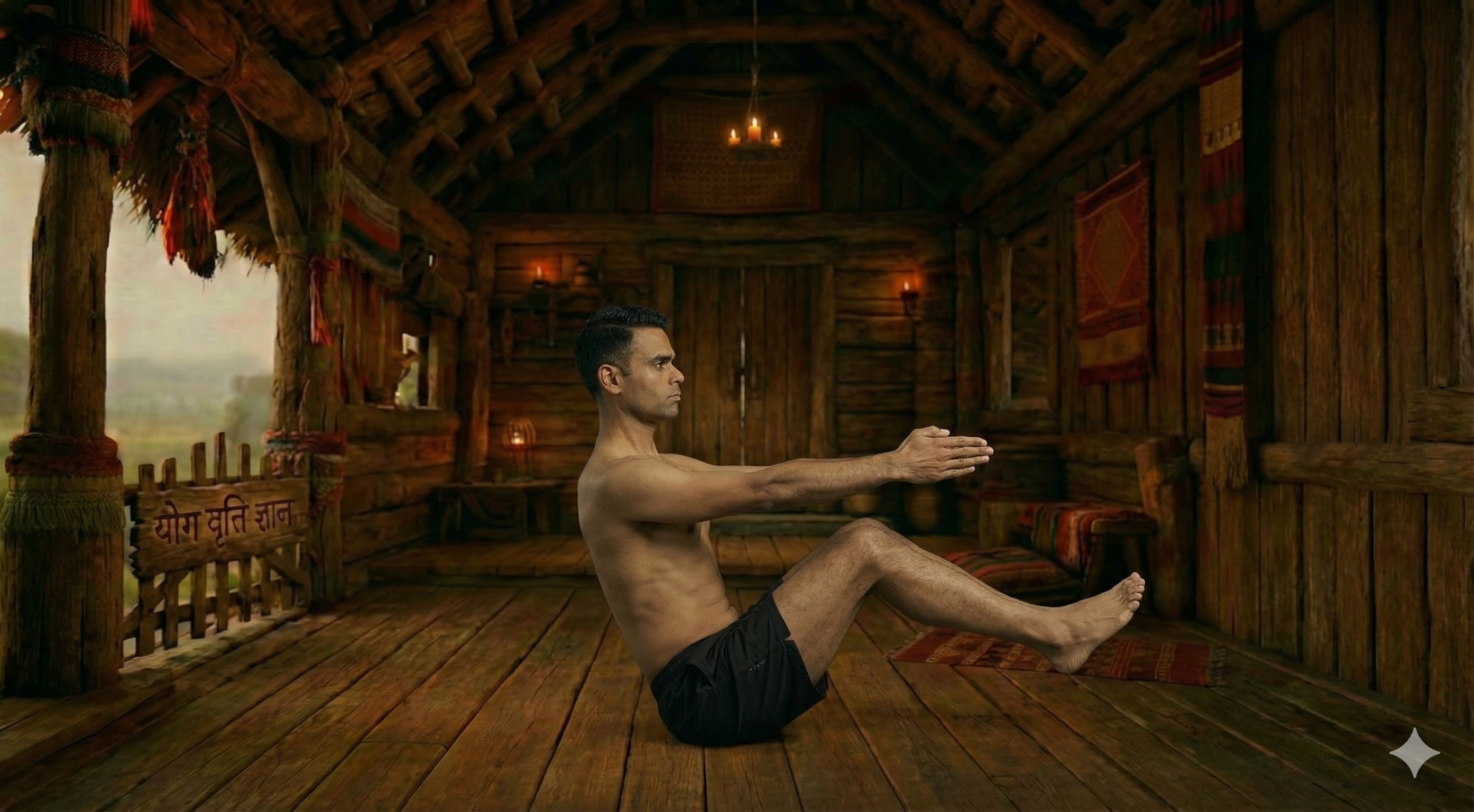
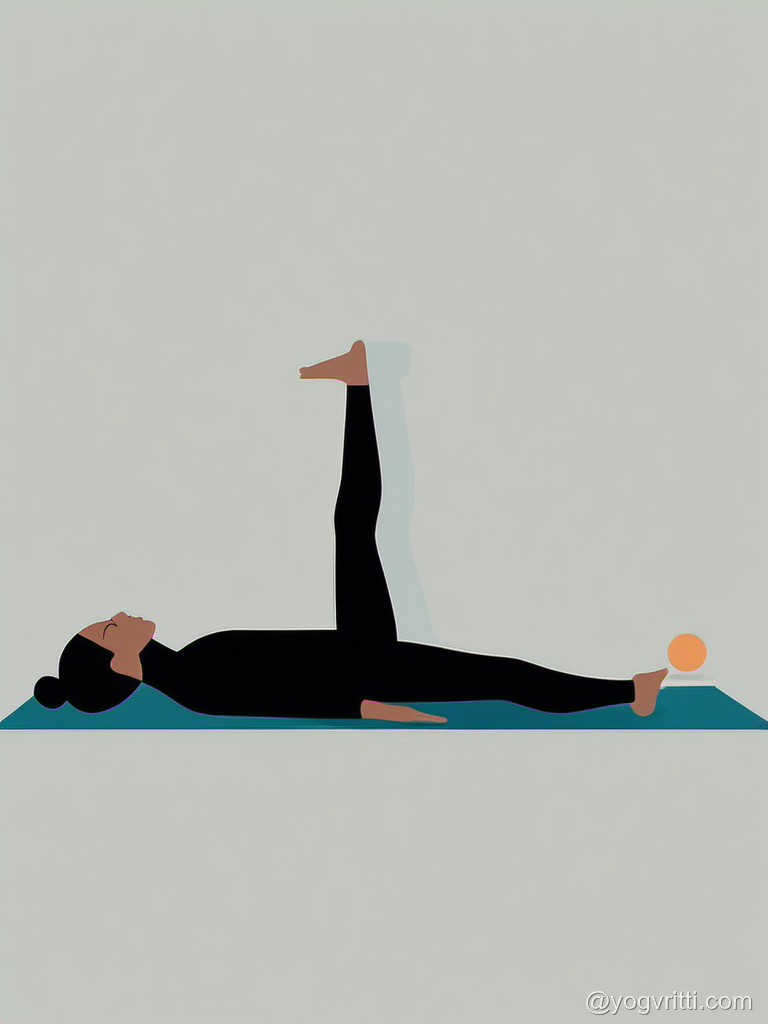
Build Your Own Sequence
Combine Yoga Nidra with other poses