खड़े होकर · मध्यम
पार्श्वोत्तानासन
Pyramid Pose
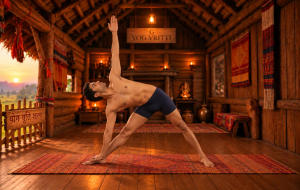
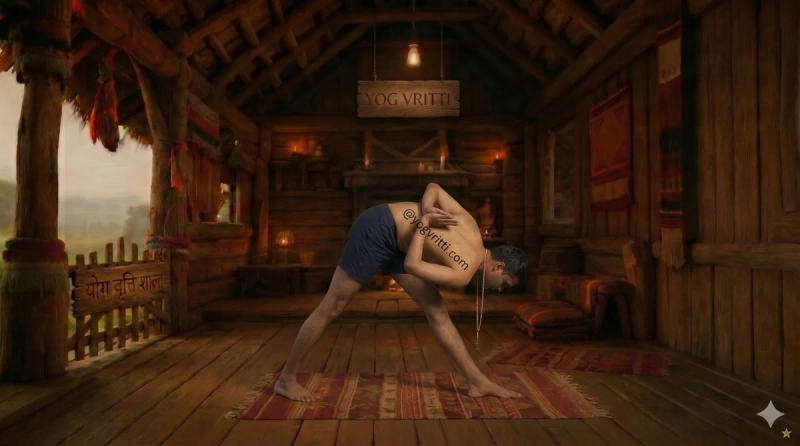
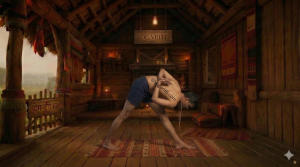
पार्श्वोत्तानासन एक तीव्र खड़े होकर आगे झुकने वाला आसन है जो हैमस्ट्रिंग और पिंडलियों को गहराई से खींचता है जबकि कोर को मजबूत करता है। यह रीढ़ को लंबा करने में मदद करता है और कूल्हों को सीधा रखता है, जिसके लिए सटीकता और संतुलन की आवश्यकता होती है।
स्तर मध्यमप्रकार खड़े होकरपक्ष एक ओर
अभ्यास की विधि
- 1
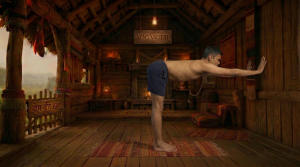
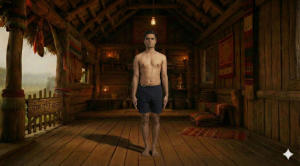
ताड़ासन में खड़े हो जाएँ। साँस छोड़ते हुए, दाहिना पैर लगभग 3-4 फीट पीछे रखें, पैर की उंगलियां 45-60 डिग्री बाहर की ओर मुड़ी हुई हों।
- 2
साँस लेते हुए, अपने धड़ को दाहिने पैर की ओर मोड़ें, कूल्हों को आगे की ओर सीधा रखते हुए (square the hips)। अपने हाथों को कूल्हों पर रखें।
- 3
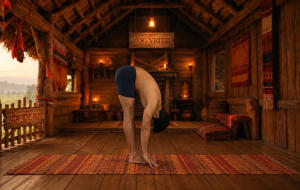
साँस छोड़ते हुए, पीठ को सीधा रखते हुए कूल्हों से आगे झुकना शुरू करें। दाहिने कूल्हे को पीछे खींचें और बाएं कूल्हे को आगे धकेलें ताकि कूल्हे एक सीध में रहें।
- 4
अपनी हथेलियों को दाहिने पैर के दोनों ओर फर्श पर रखें। यदि आवश्यक हो तो संतुलन और लंबाई के लिए ब्लॉक का उपयोग करें।
- 5
सुनिश्चित करें कि आपके दोनों पैर मजबूती से ज़मीन पर टिके हों, एड़ियाँ और पैर की गेंदें (balls of feet) ज़मीन में धँसी हुई हों। घुटनों को सीधा और मजबूत रखें।
शिक्षण संकेत
यह कहें
- Ground firmly through all four corners of both feet
- Engage the quadriceps by lifting the kneecaps
- Lengthen the spine from the tailbone to the crown of the head
- Draw the shoulder blades down and back
- Maintain steady, even breathing throughout
- Allow the hip joints to open gradually — never force
- Hinge from the hips, leading with the chest
इन पर ध्यान दें
- Locking the knees — keep a micro-bend or engage the quadriceps
- Collapsing the arches of the feet — distribute weight evenly
- Holding the breath or breathing shallowly
- Hunching the shoulders toward the ears
- Leaning weight to one side — keep both feet equally grounded
- Forcing the hips open beyond their current range
- Rounding the spine instead of hinging from the hips
शरीर पर प्रभाव
मांसपेशियाँ देखने के लिए किसी भाग पर टैप करें3D anatomy adapted from Z-Anatomy, CC BY-SA 4.0
Core
StrengthenedPyramid Pose strengthens your belly muscles.
Muscles at work
- AbdominalsContracts
Creates the 'air bag' effect to protect the lumbar spine in backbends and powers core stability in arm balances and forward folds.
Main action: flexes trunk, compresses abdominal contents, laterally flexes and rotates trunk
- Stretches hamstrings, calves, and hips intensely
- Strengthens the core and legs
- Lengthens the spine and improves posture
- Calms the brain and relieves mild anxiety
- Stimulates abdominal organs and improves digestion
- Improves balance and coordination
सावधानियाँ
Disc Herniation
Spinal flexion and rotation under load increase intradiscal pressure and can push herniated material toward spinal nerves.
बदलाव · Bend the knees deeply, hinge from the hips, and keep the spine long rather than rounding the lower back.
High Blood Pressure
Vigorous effort and inverted positions temporarily raise blood pressure in the head, increasing strain on blood vessels.
बदलाव · Keep the head above the heart by bending the knees deeply and resting forearms on thighs rather than reaching to the floor.
Hamstring Injury
Aggressive stretching of a torn or strained hamstring can reinjure muscle fibres — the attachment near the sitting bone is especially vulnerable.
बदलाव · Bend the knees significantly to remove tension from the hamstrings; fold only as far as the spine stays long.
Glaucoma / Eye Pressure
Inverted and head-below-heart positions increase intraocular pressure, which can be harmful for those with elevated eye pressure.
बदलाव · Practise with hands on blocks and knees bent so the head remains above heart level.
Recent Surgery
Surgical wounds and healing tissues need time before being subjected to the mechanical stress of yoga postures.
बदलाव · Wait for full medical clearance from your surgeon; begin with gentle breath work and progress only as healing allows.
Hypertension
बदलाव · Keep the head lifted and hands on blocks, avoiding a deep forward fold.
Back Pain
बदलाव · Keep the spine long and straight; avoid rounding the back. Use blocks for hands.
कक्षा में

त्वरित उत्तर
पार्श्वोत्तानासन क्या है?
पार्श्वोत्तानासन एक तीव्र खड़े होकर आगे झुकने वाला आसन है जो हैमस्ट्रिंग और पिंडलियों को गहराई से खींचता है जबकि कोर को मजबूत करता है। यह रीढ़ को लंबा करने में मदद करता है और कूल्हों को सीधा रखता है, जिसके लिए सटीकता और संतुलन की आवश्यकता होती है।
पार्श्वोत्तानासन कैसे करें?
ताड़ासन में खड़े हो जाएँ। साँस छोड़ते हुए, दाहिना पैर लगभग 3-4 फीट पीछे रखें, पैर की उंगलियां 45-60 डिग्री बाहर की ओर मुड़ी हुई हों। साँस लेते हुए, अपने धड़ को दाहिने पैर की ओर मोड़ें, कूल्हों को आगे की ओर सीधा रखते हुए (square the hips)। अपने हाथों को कूल्हों पर रखें। साँस छोड़ते हुए, पीठ को सीधा रखते हुए कूल्हों से आगे झुकना शुरू करें।
क्या शुरुआती लोग पार्श्वोत्तानासन कर सकते हैं?
यह मध्यम स्तर का आसन है। शुरुआती लोग पहले आसान आसनों से तैयारी करें।
- आसन प्रकार
- Forward Bend, Hip Opener, Core Strengthener
- मुख्य भाग
- Lower Body, Spine, Hips
- किसके लिए
- Runners, Athletes, Desk Workers
- योग शैली
- Iyengar, Hatha, Vinyasa
- कब करें
- Warm Up, Peak Pose, Morning