 Intermediatesupine
Embryo Pose
Embryo in Womb Pose · पिण्डासन
Also known as: Rolled-Up Pose · Pindasana
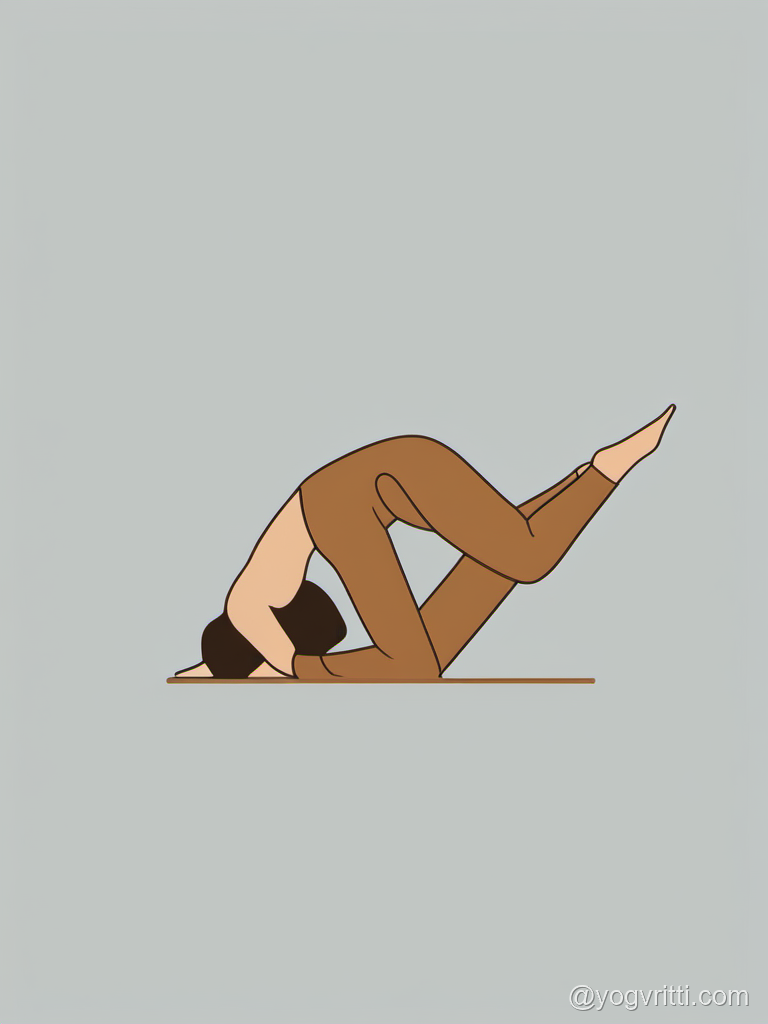
Embryo Pose, also called Rolled-Up Pose is a classical yoga posture. Its Sanskrit name Embryo in Womb Pose translates word-for-word as: Pinda (Embryo / Ball) · Asana (Pose). In this posture, the body releases into the support of the floor, allowing gravity to assist. The posture works to stretch the hip flexors and release the neck. Relieves tension in the back and neck. Massages the spine. Suitable for intermediate practitioners with foundational yoga experience, it is a calming cool-down. Practitioners with back pain and glaucoma should approach with care or consult a qualified teacher.
Anatomy Involved
Benefits
- Calms the nervous system
- Relieves tension in the back and neck
- Massages the spine
- Promotes relaxation
- Releases hip tension
- Full anatomical benefits — muscles, joints, organs →
Avoid If
Neck Injury / Cervical Issues
Looking up, bearing head weight, or unsupported neck rotation can compress cervical vertebrae and irritate nerves.
Let the head hang heavy without actively pulling it toward the shins; release all neck tension.
Back Injury / Back Pain
Spinal flexion, extension, or rotation under load can compress vertebral discs or strain the paraspinal muscles.
Bend both knees generously, hinge from the hips rather than rounding the spine, and rest hands on blocks or thighs.
Pregnancy
Deep twists, abdominal compression, and lying flat on the back can restrict blood flow or cause discomfort as pregnancy progresses.
Widen the feet to hip-width or more; fold to a 45-degree angle rather than full depth to avoid abdominal compression.
Glaucoma / Eye Pressure
Inverted and head-below-heart positions increase intraocular pressure, which can be harmful for those with elevated eye pressure.
Practise with hands on blocks and knees bent so the head remains above heart level.
Common Mistakes to Avoid
Teaching Cues
For yoga teachers — verbal cues to guide students
6 cues
Teaching Cues
For yoga teachers — verbal cues to guide students
- 1Press the back of the head gently into the floor
- 2Keep the lower back in its natural curve
- 3Relax the shoulders away from the ears
- 4Soften the facial muscles and jaw
- 5Breathe deeply into the belly
- 6Hinge from the hips, leading with the chest
Pose Details
Pose Type
Body Focus
Focus Areas
Yoga Styles
When to Practice
Position
Target Areas
Practice Flow



How to Practice
1. Lie on your back, draw your knees towards your chest.
2. Wrap your arms around your knees, holding opposite elbows with your hands.
3. Draw your head towards your knees, tucking your chin to your chest.
4. Create a completely rounded shape, like a fetus.
5. Breathe deeply and evenly, relaxing your back.
3 more steps remaining
Register free to see the complete instructions
Register Free to ContinueAlready registered? Login
Frequently Asked Questions
Common questions about Embryo in Womb Pose
What is Embryo Pose?
Embryo Pose, also called Rolled-Up Pose is a classical yoga posture. Its Sanskrit name Embryo in Womb Pose translates word-for-word as: Pinda (Embryo / Ball) · Asana (Pose). In this posture, the body releases into the support of the floor, allowing gravity to assist. The posture works to stretch the hip flexors and release the neck. Relieves tension in the back and neck. Massages the spine. Suitable for intermediate practitioners with foundational yoga experience, it is a calming cool-down. Practitioners with back pain and glaucoma should approach with care or consult a qualified teacher.
What are the benefits of Embryo Pose?
Calms the nervous system. Relieves tension in the back and neck. Massages the spine. Promotes relaxation. Releases hip tension.
Who should avoid Embryo Pose?
Avoid this pose if you have: Neck injury, Back injury, Pregnancy (avoid or modify), Glaucoma.
How many steps are in Embryo Pose?
Embryo Pose is practiced in 8 steps. Lie on your back, draw your knees towards your chest.
Is Embryo Pose suitable for beginners?
Embryo Pose is an intermediate-level pose. Beginners should practice with props or under guidance.
What poses should I do before Embryo Pose?
Prepare with: Supta Tadasana, Apanasana, Supta Padangusthasana I. These warm up the relevant muscles and joints.
Related Poses
Similar poses you might enjoy


Build Your Own Sequence
Combine Embryo in Womb Pose with other poses